
Keeping your garage safe is more important than many people think. A garage is not just a place to park your car. It often holds power tools, chemicals, flammable liquids, and heavy objects. If you do not pay attention to safety, accidents can happen quickly.
From small injuries to major fires, these risks are real. The good news? With the right equipment, you can avoid most dangers and create a much safer space.
This guide will help you understand the best garage safety equipment you should have. Whether you use your garage for storage, as a workshop, or just for parking, you will find clear advice here. Some tools are basic and obvious, but others are often forgotten by beginners.
Let’s make sure you and your family stay safe every time you step into the garage.
Essential Personal Protective Equipment (ppe)
Personal safety should always come first. Even simple tasks like changing a tire or organizing shelves can cause injuries if you are not careful. Here is the most important PPE for any garage:
- Safety Glasses: Protect your eyes from dust, flying particles, and chemical splashes. Even a small metal shard can cause serious eye damage. Choose glasses with side shields for better protection.
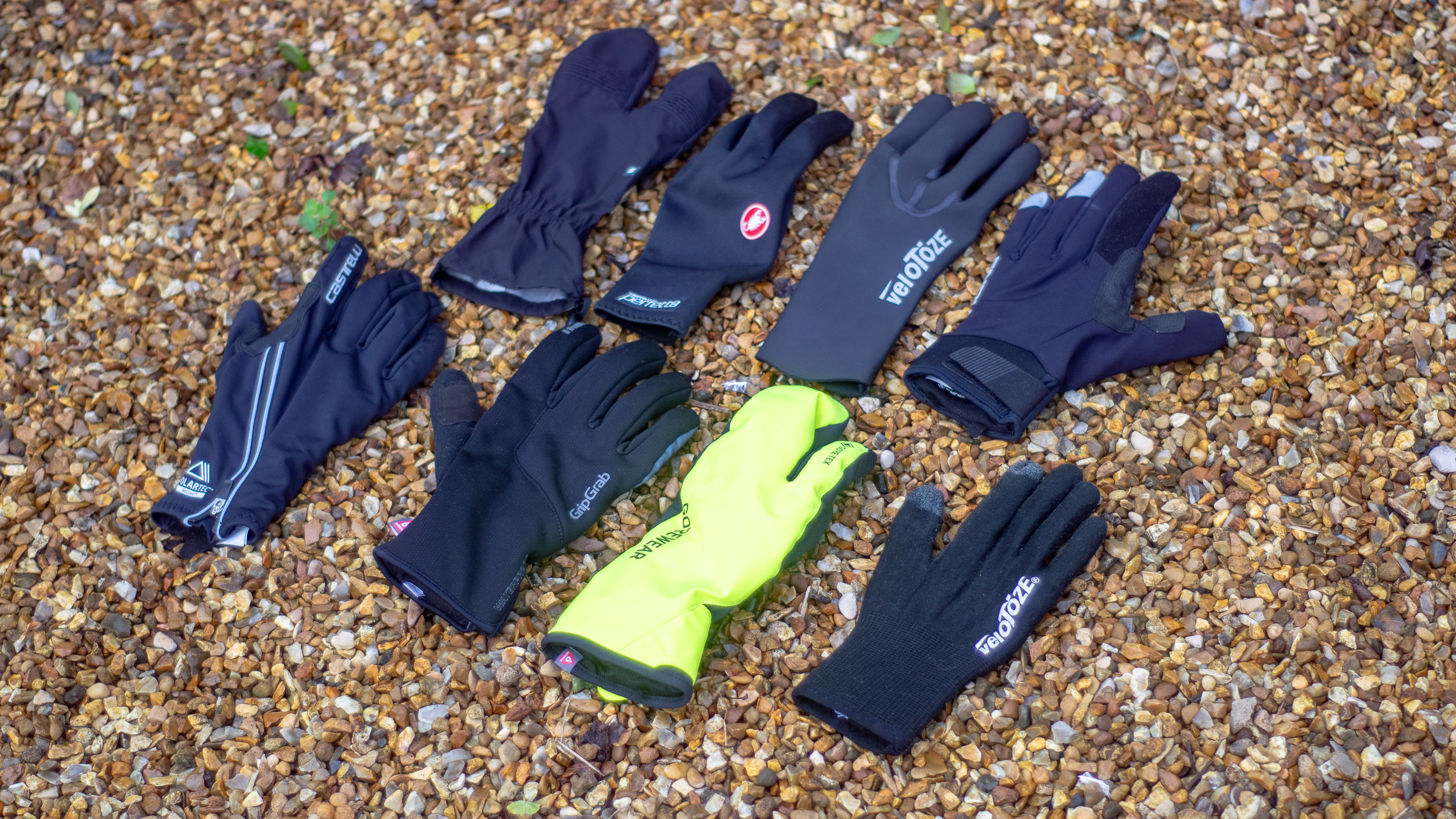
- Gloves: Always keep several pairs of work gloves and chemical-resistant gloves. Use work gloves for handling wood, metal, or rough items. Use chemical-resistant gloves when working with paints, solvents, or cleaning fluids.
- Hearing Protection: Power tools and air compressors make loud noises. Over time, this can damage your hearing. Earplugs or earmuffs are simple solutions. Keep them close to your work area.
- Dust Masks and Respirators: Cutting wood, sanding, or using chemicals can fill the air with dangerous particles. A dust mask is fine for light work, but use a respirator for stronger chemicals or paint fumes.
- Steel-Toe Boots: Heavy items often fall in the garage. Steel-toe boots protect your feet from injury. Even dropping a wrench can hurt your toes if you wear sandals.
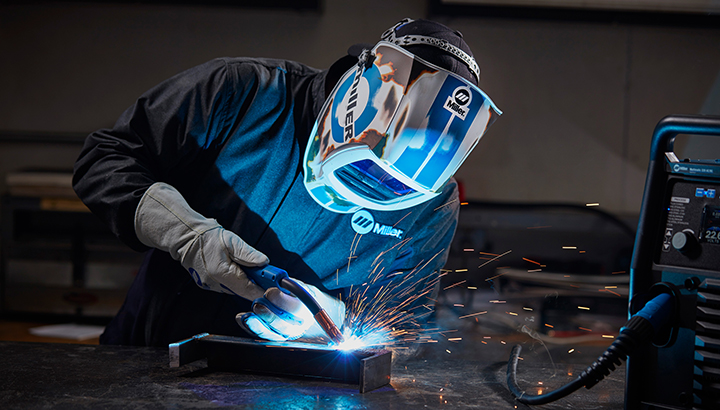
- Aprons or Coveralls: These protect your skin and clothes from grease, paint, and sharp objects. Look for fire-resistant materials if you weld or use flammable liquids.
Many people skip PPE because it feels unnecessary or uncomfortable. But most garage injuries are small accidents that PPE can easily prevent.
Fire Safety Equipment
A garage can be a high fire risk. Gasoline, paint thinners, and electrical tools all increase the danger. The right fire safety equipment can save lives.
- Fire Extinguisher: Every garage needs a Class ABC fire extinguisher. This type handles most garage fires, including wood, liquids, and electrical. Mount it near the door, not hidden behind clutter. Check the pressure gauge monthly.
- Fire Blanket: This is a simple tool that can quickly smother small fires. It is especially useful for grease or chemical fires where water is dangerous.
- Smoke Detector: Install a smoke detector on the garage ceiling. Choose one with a loud alarm. Test the battery every month.
- Carbon Monoxide Detector: Car engines and gas heaters create carbon monoxide—a deadly gas you cannot see or smell. A carbon monoxide detector warns you early.
- Safe Storage Cabinets: Store flammable liquids like gasoline or paint in a fireproof cabinet. Never leave these items on open shelves.
Fire Safety Equipment Comparison
Here is a quick look at common fire safety tools and what they protect against:
| Equipment | Main Use | Best For |
|---|---|---|
| Class ABC Fire Extinguisher | Put out fires quickly | Electrical, liquid, and trash/wood fires |
| Fire Blanket | Smother small fires | Grease, chemical, clothing fires |
| Smoke Detector | Warn about fire | All types of fire |
| CO Detector | Detect deadly gas | Car exhaust, heaters |
| Fireproof Cabinet | Safe storage | Flammable liquids |
A common mistake is to buy a fire extinguisher but never learn how to use it. Take a few minutes to read the instructions or watch a video. In an emergency, you won’t have time to figure it out.
Credit: www.cyclingnews.com
Electrical Safety Gear
Many garage fires and shocks come from faulty wiring or unsafe tool use. Don’t ignore electrical safety. Here is what you need:
- Ground Fault Circuit Interrupter (GFCI) Outlets: These outlets cut power if they sense a short or moisture. They are required by building codes for garages. If your outlets are old, have an electrician upgrade them.
- Extension Cords (Heavy-Duty): Only use garage-rated extension cords. Standard indoor cords can overheat and melt. Never use a damaged cord—replace it right away.
- Cord Reels and Organizers: Loose cords create trip hazards and fire risks. Use a cord reel or hooks to keep them off the floor.
- Battery Chargers with Safety Features: Modern chargers have auto shut-off and spark protection. Old chargers can overheat or start fires.
- Insulated Tools: If you work on car batteries or electrical outlets, use tools with insulated grips. This reduces your risk of shock.
A less-known tip: Avoid plugging many high-power tools into a single outlet. This can overload your circuit and start a fire.
First Aid And Emergency Supplies
Accidents still happen, even with all the best equipment. Fast first aid can stop a small injury from becoming serious. Here is what you must have:
- First Aid Kit: Choose a kit designed for garages or workshops. It should include bandages, antiseptic wipes, burn cream, eye wash, and a cold pack. Place it where it is easy to grab, not buried under boxes.
- Eyewash Station or Bottle: If a chemical splashes in your eye, you have only seconds to react. An eyewash bottle is cheap but can save your sight.
- Emergency Contact List: Post important numbers (doctor, poison control, family) near your work area. In a crisis, you don’t want to search your phone.
- Flashlight (with extra batteries): Power can go out during storms or fires. A bright flashlight helps you find your way to safety.
- Burn Gel and Cold Packs: Many garage injuries are burns from hot tools or chemicals. Fast treatment helps reduce pain and damage.
Many beginners forget the eyewash bottle or emergency contacts. These simple steps make a big difference if you are hurt and need help quickly.
Storage And Organization Tools
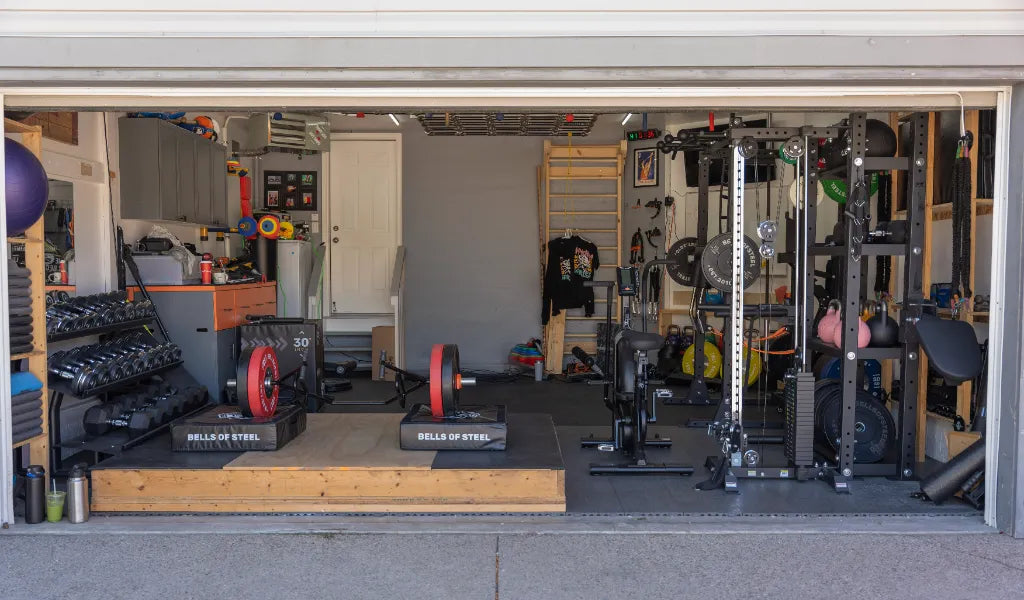
A safe garage is an organized garage. Clutter creates trip hazards and hides dangerous tools from view. Smart storage also keeps chemicals and sharp items away from children.
- Wall-Mounted Tool Racks: Hang rakes, shovels, and power tools on the wall. This keeps them off the floor and easy to see.
- Lockable Cabinets: Store chemicals, paint, and sharp tools in a lockable cabinet. This prevents children and pets from reaching them.
- Heavy-Duty Shelving: Use shelving that can support heavy boxes. Cheap plastic shelves often collapse. Metal shelves are best.
- Workbench with Drawers: A sturdy workbench gives you a safe space for projects. Drawers keep sharp objects out of sight.
- Storage Bins (labeled): Small parts like screws and nails often end up on the floor. Use bins with clear labels to find things quickly.
Storage Solution Comparison
Let’s compare a few common storage options:
| Storage Type | Best Use | Safety Benefit |
|---|---|---|
| Wall Tool Rack | Long tools, power tools | Prevents tripping, easy access |
| Lockable Cabinet | Chemicals, sharp tools | Keeps out kids/pets |
| Metal Shelves | Heavy boxes, liquids | Reduces collapse risk |
| Labeled Bins | Small parts | Less searching, fewer spills |
One insight: Always anchor heavy shelves to the wall. Freestanding shelves can tip over in an earthquake or if a child climbs them.
Chemical And Hazardous Material Controls
Garages often store dangerous chemicals—gasoline, pesticides, paint, and cleaners. Handling them safely is critical.
- Spill Containment Trays: Place these trays under containers of oil, gasoline, or antifreeze. They catch drips before they reach your floor.
- Safety Data Sheets (SDS): Keep printouts of safety instructions for every chemical you use. In an emergency, you can check first aid steps quickly.
- Ventilation Fans: Good airflow removes toxic fumes from paint or gasoline. A wall-mounted exhaust fan is best.
- Proper Labels: Every container, even homemade mixes, needs a clear label. Never guess what’s inside.
- Disposal Containers: Never pour chemicals down the drain. Use approved containers for hazardous waste. Take them to a local disposal center.
Many people forget about ventilation. Breathing fumes can cause headaches or worse. Even opening a window makes a big difference.
Credit: www.millerwelds.com
Lifting And Handling Aids
Heavy lifting is one of the top causes of garage injuries. Back strains and dropped objects are common. Here’s how to make lifting safer:
- Hydraulic Jack and Jack Stands: If you work on your car, never trust a jack alone. Always use stands to support the car’s weight.
- Dolly or Hand Truck: For moving heavy boxes or appliances, use a dolly. It saves your back and prevents dropped items.
- Lifting Straps: These help you lift heavy objects with proper body mechanics. They are cheap and reduce injury risk.
- Step Ladder (with safety rail): Use a stable ladder with a safety rail for reaching high shelves. Never stand on a chair.
- Anti-Fatigue Mats: These mats reduce strain on your feet and legs when standing for long periods.
A common mistake: People rush to lift something without checking the weight or path. Always plan your lift and clear the area first.
Lifting Aid Comparison
A quick look at some lifting options:
| Equipment | Main Use | Best Practice |
|---|---|---|
| Hydraulic Jack + Stands | Lift and secure cars | Never crawl under a car with only a jack |
| Dolly | Move heavy items | Keep back straight, load centered |
| Lifting Straps | Manual lifting | Team lifts for big items |
| Step Ladder | Reach high places | Always face ladder, use rail |
Security Equipment
Garage thefts are common because people forget to lock up tools or leave doors open. Secure your equipment and valuables with these tools:
- Deadbolt Locks: Install a strong deadbolt on side doors. Garage door openers are not always enough.
- Security Cameras: A camera with motion alerts scares off thieves and records break-ins. Place one over the main door.
- Motion Sensor Lights: Bright lights outside your garage make break-ins less likely. Thieves hate to be seen.
- Garage Door Locking Bars: These prevent someone from forcing your main garage door open.
- Keypad Entry System: This lets you open the door without a key, but change the code often to keep it secure.
One insight: Many people hide a spare key near the garage. Thieves know to check under mats or flowerpots. Use a lockbox instead.
Credit: bellsofsteel.us
Best Practices And Maintenance Tips
Having the right equipment is only the start. You must also keep everything in good condition and use it correctly.
- Inspect equipment regularly. Replace broken gear right away.
- Train family members. Make sure everyone knows how to use the fire extinguisher, first aid kit, and call for help.
- Keep paths clear. Don’t let clutter block exits or tools.
- Review your safety checklist every six months and update as needed.
A surprising tip: Take photos of your garage setup. In case of fire or theft, these help with insurance claims.
Frequently Asked Questions
What Is The Most Important Garage Safety Equipment?
The most important items are a Class ABC fire extinguisher, smoke detector, and first aid kit. These handle the most common emergencies: fire and injury.
How Often Should I Check My Fire Extinguisher?
Check the pressure gauge every month. Replace or recharge it every 5-6 years, even if it looks fine.
Are Garage Smoke Detectors Different From House Ones?
Garage smoke detectors should be rated for higher temperatures and dust. Standard house models can give false alarms in garages.
How Should I Store Gasoline Safely?
Store gasoline in a fireproof, sealed container inside a fire-resistant cabinet. Keep it away from heaters, electrical panels, and direct sunlight.
Where Can I Learn More About Garage Safety Standards?
You can read more details on official safety standards at the OSHA website.
With the right safety equipment, your garage can be a secure, efficient workspace for any project. Don’t wait for an accident to make changes—invest in your safety now. Your future self will thank you.