
Cheap car maintenance involves a proactive approach to vehicle care, focusing on regular DIY checks, adhering to your car’s service schedule, adopting efficient driving habits, and addressing minor issues promptly. By consistently performing these actions, car owners can significantly reduce the likelihood of expensive repairs and extend their vehicle’s operational life.
- Regularly check fluid levels and tire pressure.
- Follow your vehicle’s manufacturer-recommended service schedule.
- Adopt smooth driving habits to minimize wear and tear.
- Address small issues immediately to prevent them from escalating.
- Learn basic DIY tasks to save on labor.
Why Regular Car Maintenance is Crucial for Your Wallet
Neglecting routine car maintenance can lead to a cascade of problems, ultimately resulting in significantly higher expenses. Small, unaddressed issues often worsen over time, transforming into major system failures that require extensive and costly repairs. Proactive care, on the other hand, helps identify potential problems early, allowing for less expensive interventions.
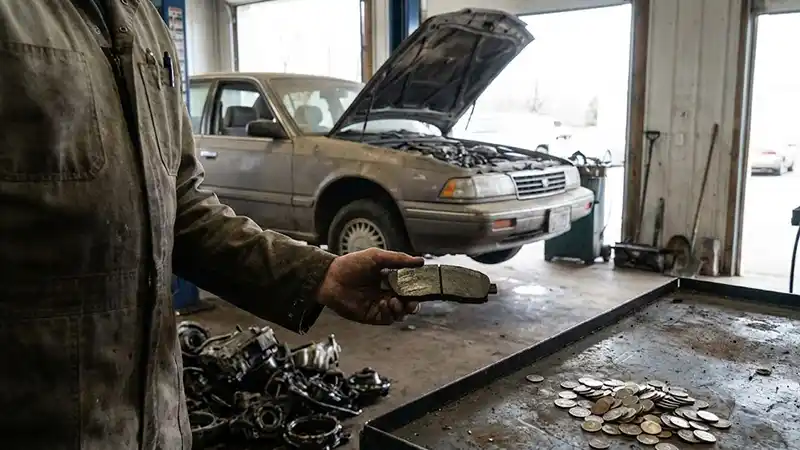
Beyond preventing major breakdowns, consistent maintenance also contributes to better fuel efficiency. Components like clean air filters, properly inflated tires, and well-maintained engines ensure your car operates at its peak performance, consuming less fuel. This translates directly into ongoing savings at the gas pump, making regular upkeep a financially smart decision.
Understanding Your Car’s Maintenance Schedule
Every vehicle comes with a manufacturer-recommended maintenance schedule, typically found in the owner’s manual. This schedule outlines specific services and inspections required at various mileage intervals or timeframes. Adhering to this guide is fundamental for preserving your car’s condition and ensuring its longevity.
The maintenance schedule is not merely a suggestion; it’s a carefully engineered plan designed to address the natural wear and tear of components. Following it helps prevent premature part failure, maintains warrantyvalidity, and ensures all critical systems are functioning correctly. Familiarize yourself with your car’s unique requirements to stay ahead of potential issues.
Essential DIY Checks for Affordable Car Care
Many routine maintenance tasks can be performed by car owners themselves, requiring minimal tools and basic knowledge. These DIY checks are cornerstone cheap car maintenance tips that empower you to take control of your vehicle’s health and avoid unnecessary service visits. Always consult your owner’s manual for specific locations and procedures for your vehicle.
Checking Fluid Levels
Regularly inspecting fluid levels is a simple yet critical task. This includes engine oil, coolant, brake fluid, power steering fluid, and windshield washer fluid. Low fluid levels can indicate leaks or excessive consumption, which could lead to serious component damage if not addressed.
- Engine Oil:Check monthly. Ensure the engine is cool and on level ground. Pull out the dipstick, wipe it clean, reinsert, then pull out again to read the level.
- Coolant:Check monthly. Never open a hot radiator cap. The coolant reservoir has ‘min’ and ‘max’ lines.
- Brake Fluid:Check monthly. The reservoir is usually clear with ‘min’ and ‘max’ markings. If low, it might indicate worn brake pads or a leak.
- Power Steering Fluid:Check monthly. Some vehicles have an electronic power steering system that does not use fluid.
- Windshield Washer Fluid:Top off as needed for clear visibility.
Inspecting Belts and Hoses
Visually inspect all belts for cracks, fraying, or excessive wear. Look for signs of leakage or bulging on hoses. Damaged belts can lead to loss of power steering, alternator failure, or engine overheating. Compromised hoses can cause fluid leaks and system failures.
Checking Lights and Wipers
Ensure all exterior and interior lights are functioning correctly, including headlights, taillights, brake lights, turn signals, and hazard lights. Replace any burnt-out bulbs promptly. Check windshield wiper blades for cracks or tears and replace them if they leave streaks or miss spots, especially before rainy seasons.
Cheap Car Maintenance Tips: Saving Money on Fluids and Filters
Optimizing your use of fluids and filters is a practical way to implement cheap car maintenance tips. While it might seem like a small detail, these components play a vital role in your car’s performance and longevity, and smart choices can lead to significant savings.
Engine Oil and Oil Filters
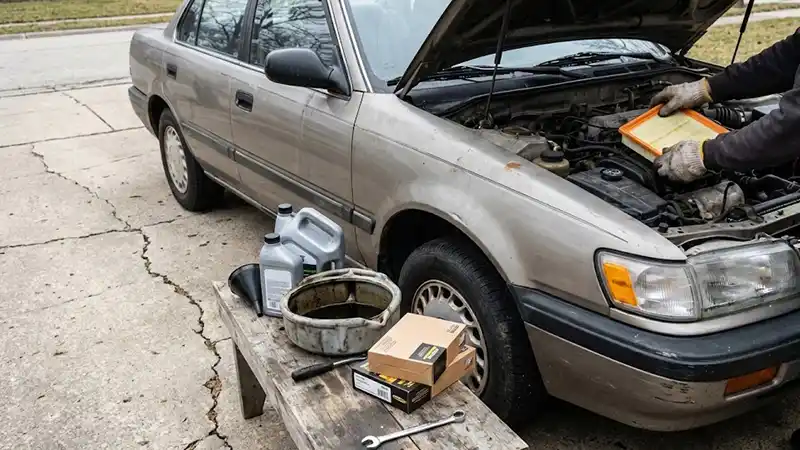
Changing your engine oil and oil filter at recommended intervals is non-negotiable for engine health. High-quality oil lubricates moving parts, reduces friction, and dissipates heat. A clean oil filter prevents contaminants from circulating through the engine. Consider using synthetic oil if recommended by your manufacturer, as it often allows for longer change intervals, potentially balancing out its initial difference.
Air Filters
Both the engine air filter and cabin air filter are important. A dirty engine air filter restricts airflow, reducing engine performance and fuel efficiency. A clogged cabin air filter impairs air quality inside the vehicle and can strain the HVAC system. Replacing these filters is typically a straightforward DIY task that requires minimal tools and can be done for a fraction of what a service center might charge.
Fuel Filters
The fuel filter prevents dirt and rust from entering the engine’s fuel system. While some modern vehicles have lifetime fuel filters, others require periodic replacement. Consult your owner’s manual. A clogged fuel filter can lead to poor engine performance, reduced fuel efficiency, and even engine damage.
Maximizing Tire Life: A Key to Low-Cost Car Upkeep
Tires are a significant investment, and proper care can drastically extend their lifespan, making tire maintenance one of the most impactful cheap car maintenance tips. Well-maintained tires also contribute to vehicle safety and fuel efficiency.
Proper Tire Pressure
Incorrect tire pressure is a leading cause of premature tire wear and reduced fuel efficiency. Check your tire pressure monthly, including the spare, using a reliable gauge. The correct pressure can be found on a sticker inside your driver’s side door jamb or in your owner’s manual, not on the tire sidewall. Always check pressure when tires are cold.
Tire Rotation
Regular tire rotation ensures even wearacross all four tires, as different positions experience varying stresses. Follow your manufacturer’s recommendations, typically every 5,000 to 7,500 miles. This simple service can significantly prolong the life of your tire set.
Wheel Alignment and Balancing
If you notice your car pulling to one side, uneven tire wear, or vibrations in the steering wheel, your wheels may need alignment or balancing. While these are not DIY tasks, addressing them promptly prevents accelerated tire wear and potential suspension component damage, saving you from more extensive repairs later.
Smart Driving Habits That Reduce Wear and Tear
How you drive has a direct impact on your vehicle’s components and overall maintenance needs. Adopting smart driving habits is a powerful, free way to implement cheap car maintenance tips and extend the life of your car.
- Smooth Acceleration and Braking:Aggressive driving puts undue stress on the engine, transmission, brakes, and tires. Accelerate gently and anticipate stops to brake smoothly. This reduces wear on brake pads, rotors, and transmission components.
- Avoid Idling:Excessive idling wastes fuel and causes unnecessary engine wear. If you’re going to be stopped for more than a minute, it’s often more efficient to turn off the engine.
- Lighten the Load:Carrying unnecessary weight in your vehicle reduces fuel efficiency and puts extra strain on suspension and drivetrain components. Remove heavy items from your trunk or cabin if they are not needed.
- Observe Speed Limits:Driving at excessive speeds increases engine strain, tire wear, and fuel consumption. Adhering to speed limits not only enhances safety but also reduces the stress on your vehicle.
- Avoid Potholes and Bumps:Hitting potholes or driving over speed bumps too quickly can damage tires, wheels, suspension components, and even steering systems. Drive defensively and navigate road hazards carefully.
Seasonal Car Maintenance on a Budget
Preparing your car for different seasons can prevent unexpected issues and contribute to its longevity. These seasonal cheap car maintenance tips focus on specific areas that are more vulnerable to extreme temperatures or weather conditions.
Winter Preparation
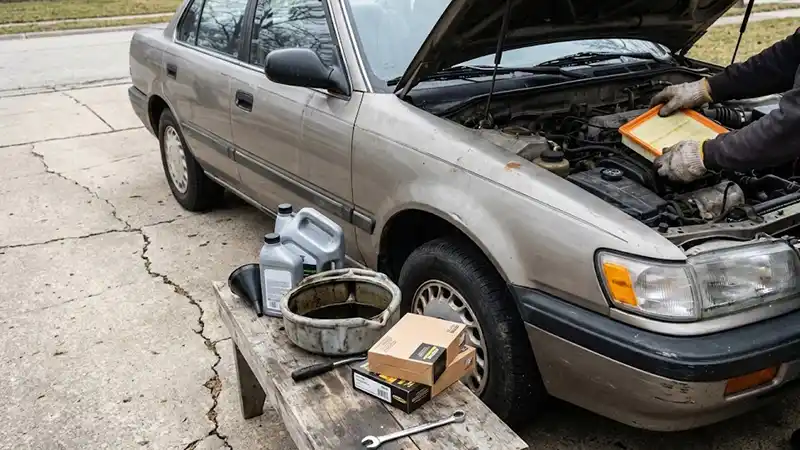
Before winter sets in, check your battery’s health, as cold weather can significantly reduce its capacity. Ensure your coolant system is properly mixed with antifreeze. Inspect your tires for adequate tread depth and consider winter tires if you live in an area with heavy snow and ice. Check your defroster and heater for proper operation.
Summer Preparation
In warmer months, focus on your cooling system. Ensure coolant levels are correct and that hoses are in good condition. Check your air conditioning system for proper function. Inspect your tires for signs of overinflation due to heat and ensure they are at the correct pressure. Check all fluid levels, as higher temperatures can accelerate evaporation.
When to DIY vs. When to Call a Professional Mechanic
While many cheap car maintenance tips involve DIY tasks, it’s crucial to recognize the limits of your own expertise and tools. Attempting complex repairs without proper knowledge or equipment can lead to further damage, safety risks, and ultimately, higher expenses.
DIY is suitable for routine checks like fluid levels, tire pressure, bulb replacements, and filter changes. These tasks are generally low-risk and require minimal specialized tools. However, for issues involving the engine’s internal components, transmission, braking system (beyond pad inspection), complex electrical systems, or anything requiring specialized diagnostic equipment, it is always safer and more effective to consult a certified professional mechanic. Prioritize safety and the integrity of your vehicle’s critical systems.
Creating a Budget for Unexpected Car Repairs
Even with diligent maintenance, unexpected car repairs can arise. Being financially prepared for these situations is a crucial part of responsible car ownership. Establishing a dedicated savings fund for vehicle maintenance and repairs can alleviate stress and prevent you from deferring necessary work.
Consider setting aside a small amount regularly, perhaps monthly, into a separate account. This fund acts as a buffer for unforeseen issues, from a sudden brake system problem to an unexpected sensor failure. Having this financial cushion ensures you can address problems promptly, preventing them from escalating into more severe and potentially unsafe conditions.
Frequently Asked Questions
What are the most effective cheap car maintenance tips for beginners?
For beginners, the most effective tips include regularly checking tirepressure and fluid levels, learning to change your engine air filter, and practicing smooth driving habits. These actions are simple to perform, require minimal tools, and have a significant impact on your car’s health and your long-term savings.
How often should I perform these cheap car maintenance tips to keep my vehicle running well?
Many basic checks, like tire pressure and fluid levels, should be performed monthly. Filter replacements and tire rotations typically follow mileage intervals, often every 5,000 to 7,500 miles. Always refer to your car’s owner’s manual for specific recommendations tailored to your vehicle model.
Can following cheap car maintenance tips truly extend my car’s lifespan?
Absolutely. Consistent adherence to maintenance tips prevents premature wear and tear on components, catches minor issues before they become major problems, and ensures all systems operate efficiently. This proactive approach significantly contributes to your vehicle’s overall longevity and reliability.
What are some DIY cheap car maintenance tips that don’t require special tools?
Many essential DIY tasks require only basic items you might already own. These include checking tire pressure with a gauge, visually inspecting tire tread and wear, checking all fluid levels using dipsticks and reservoir markings, and ensuring all exterior lights are functioning correctly.
Where can I find reliable resources for more cheap car maintenance tips and guides?
Your vehicle’s owner’s manual is the most authoritative source for specific maintenance information. Reputable automotive websites, certified mechanic blogs, and community college automotive courses can also provide valuable general knowledge and practical guidance for car care.
Is it always cheaper to do car maintenance myself, or are there times to pay a professional?
While DIY can save on labor, it’s not always cheaper or safer for complex tasks. Basic maintenance like fluid checks and filter changes are great for DIY. However, for intricate repairs, diagnostic work, or tasks requiring specialized tools and expertise, paying a professional mechanic ensures the job is done correctly and safely, preventing potential further damage.
Conclusion
Embracing cheap car maintenance tips is a smart strategy for any vehicle owner looking to maximize their car’s lifespan and minimize expenses. By consistently performing DIY checks, adhering to service schedules, and adopting mindful driving habits, you can proactively safeguard your investment. Regular, preventative care is the most effective way to avoid costly repairs and ensure your vehicle remains reliable for years to come. Take the initiative to understand your car’s needs and empower yourself with the knowledge to keep it running smoothly.