
Common DIY car maintenance mistakes often stem from a lack of proper knowledge, incorrect tool usage, or neglecting safety protocols. These errors can range from using the wrong type of fluid to overtightening bolts, potentially leading to significant vehicle damage, reduced performance, or even dangerous operating conditions.
- Always consult your vehicle’s owner’s manual for specific requirements.
- Invest in the correct tools, especially a torque wrench, to prevent overtightening.
- Prioritize safety by using jack stands and wearing appropriate protective gear.
- Understand when a task exceeds your skill level and requires professional assistance.
- Properly dispose of used fluids and parts to protect the environment.
Understanding the Risks of DIY Car Maintenance
Engaging in do-it-yourself car maintenance offers the appeal of convenience and a deeper understanding of your vehicle. However, it also carries inherent risks if not approached with caution and proper preparation. Incorrect procedures can compromise vehicle safetysystems, leading to component failure or even accidents. Beyond immediate safety concerns, improper maintenance can cause long-term damage, accelerating wear and tear on parts that were meant to last much longer.
One significant risk involves the complexity of modern vehicles. Today’s cars are equipped with sophisticated electronic systems and specialized components that require precise handling. A seemingly simple task, if performed incorrectly, can trigger warning lights, affect sensor readings, or even damage the vehicle’s computer. Understanding these potential pitfalls is the first step toward successful and safe home auto care.
Common DIY Car Maintenance Mistakes to Avoid
Many enthusiasts and beginners alike fall prey to several common DIY car maintenance mistakes that can have serious repercussions. Awareness of these pitfalls is crucial for anyone undertaking repairs or upkeep at home.
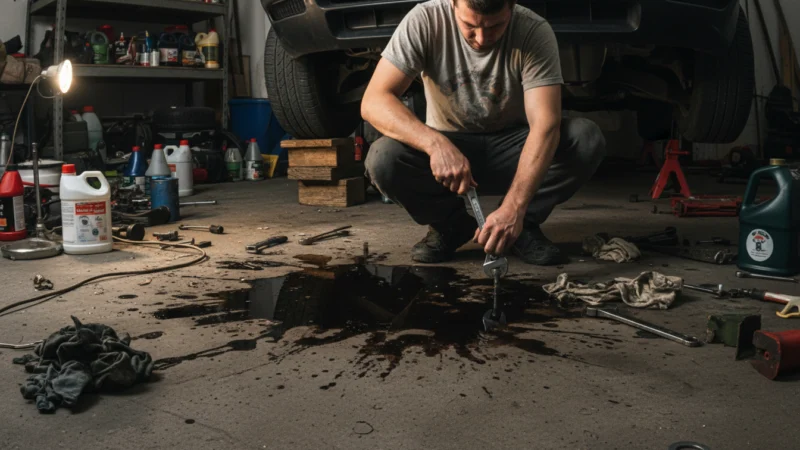
Using Incorrect Fluids or Parts
One of the most frequent errors is substituting the specified engine oil, transmission fluid, coolant, or brake fluid with an incompatible type. Each fluid is engineered with specific properties to meet the demands of your vehicle’s systems. Using the wrong fluid can lead to premature wear, overheating, seal damage, or even complete system failure. Similarly, installing aftermarket parts that do not meet original equipment specifications can compromise performance and durability.
Overtightening or Undertightening Bolts and Fasteners
The temptation to tighten bolts as much as possible is strong, but overtightening can strip threads, stretch bolts, or crack components. Conversely, undertightening can lead to parts vibrating loose, causing leaks, rattles, or even detachment while the vehicle is in motion. A torque wrench is an indispensable tool for ensuring fasteners are tightened to the manufacturer’s exact specifications, preventing both scenarios.
Neglecting Essential Safety Precautions
Safety should always be paramount. Failing to use jack stands when working under a lifted vehicle is extremely dangerous and can result in severe injury or fatality if the jack fails. Other neglected precautions include not wearing eye protection, gloves, or working in poorly ventilated areas when dealing with chemicals or fumes. Always ensure the vehicle is stable, the parking brake is engaged, and the wheels are chocked.
Improper Tire Rotation and Pressure Management
Tire rotation is often overlooked or performed incorrectly. Following the manufacturer’s recommended rotation pattern helps ensure even tirewear, extending tire life and maintaining optimal handling. Furthermore, neglecting to check and adjust tire pressure regularly is a common mistake. Incorrect tire pressure affects fuel efficiency, tire longevity, and most importantly, vehicle handling and braking performance.
Failing to Follow Manufacturer Specifications
Every vehicle comes with an owner’s manual and often a service manual that details specific maintenance procedures, fluid types, and torque specifications. Ignoring these guidelines in favor of general advice or assumptions is a significant mistake. Manufacturer specifications are designed to ensure the vehicle operates as intended and remains reliable.
Using the Wrong Tools for the Job
Attempting to use pliers instead of a flare nut wrench for brake lines, or a standard wrench on a bolt that requires a socket, can damage fasteners and components. Using the correct tool not only makes the job easier but also prevents stripping bolts, rounding nuts, and causing accidental damage to surrounding parts. Investing in a quality toolset is a wise decision for any DIY mechanic.
Rushing the Repair Process
Haste often leads to errors. Rushing through a maintenance task can result in forgotten steps, improperly installed parts, or overlooked issues. Taking your time, double-checking your work, and referring to guides or manuals throughout the process can prevent costly mistakes and ensure the job is done correctly the first time.
Essential Tools for Safe and Effective DIY Car Care
Having the right tools is fundamental to performing car maintenance safely and effectively. A well-equipped garage or workspace not only makes tasks easier but also significantly reduces the likelihood of making mistakes.
- Torque Wrench:Absolutely critical for tightening fasteners to precise specifications, preventing overtightening or undertightening.
- Jack and Jack Stands:Essential for safely lifting and supporting your vehicle when working underneath it. Never rely solely on a jack.
- Socket and Wrench Set:A comprehensive set with various sizes and types (metric and SAE) is necessary for most fasteners.
- Oil Filter Wrench:Specific tools are often needed to remove stubborn oil filters without damage.
- Drain Pan and Funnel:For cleanly collecting and transferring used fluids, preventing spills and environmental contamination.
- Protective Gear:Safety glasses, gloves, and appropriate work attire are crucial for personal protection.
- Multimeter:Useful for diagnosing electrical issues and checking battery health.
- Service Manual:While not a physical tool, a vehicle-specific service manual provides invaluable diagrams, procedures, and specifications.
Best Practices for Successful Home Auto Repairs
Adopting a disciplined approach to DIY car maintenance can significantly improve outcomes and prevent errors. These best practices serve as a roadmap for successful home auto repairs.
Thorough Research and Preparation
Before starting any task, research the specific procedure for your vehicle model. Consult the owner’s manual, watch reputable video tutorials, and read detailed guides. Gather all necessary tools, parts, and fluids beforehand to avoid interruptions.
Prioritize Safety Above All Else
Always ensure your workspace is well-lit and clear of hazards. Use proper lifting equipment and always secure the vehicle with jack stands. Disconnect the battery’s negative terminal when working on electrical components. Allow hot engine parts to cool before touching them.
Start with Simpler Tasks
Begin with basic maintenance like oil changes, tire rotations, or air filter replacements to build confidence and experience. Gradually move to more complex repairs as your skills and understanding grow.
Cleanliness and Organization
Keep your workspace and tools clean. Label parts if necessary, especially when disassembling complex components. A clean and organized environment reduces the chance of losing small parts or introducing contaminants into sensitive systems.
Double-Check Your Work
After completing a task, take the time to double-check all connections, fluid levels, and fastener torques. A final visual inspection can catch overlooked issues before they become problems on the road.
Proper Disposal of Waste
Used oil, coolant, and other automotive fluids are hazardous waste and must be disposed of responsibly. Many auto parts stores and recycling centers accept these materials. Never pour them down drains or onto the ground.
When to Call a Professional Mechanic
While DIY maintenance can be rewarding, there are clear instances when professional intervention is the safest and most practical choice. Recognizing these limits is a sign of responsible vehicle ownership.
Complex diagnostic issues, especially those involving the engine control unit (ECU) or intricate sensor networks, often require specialized diagnostic tools and expertise that most home mechanics do not possess. Repairs involving critical safety systems like brakes (beyond pad replacement), airbags, or steering components should typically be left to certified professionals. These systems demand precise calibration and specific knowledge to ensure they function correctly and safely.
Furthermore, if a repair requires specialized equipment that is expensive or difficult to operate, or if you lack the necessary experience, it is prudent to seek professional help. Attempting repairs beyond your skill level can lead to further damage, increased repair expenses, and potential safety hazards. A trusted mechanic has the training, tools, and experience to handle challenging situations efficiently and correctly.
Long-Term Impact of DIY Maintenance Errors
The consequences of common DIY car maintenance mistakes extend far beyond immediate inconvenience. Over time, these errors can significantly degrade a vehicle’s performance, reliability, and overall lifespan. For instance, consistently using the wrong oil can lead to accelerated engine wear, sludge buildup, and eventual engine failure. Improperly torqued wheels can cause vibrations, premature bearing wear, or even wheel detachment.
Minor mistakes, if left uncorrected, can cascade into more severe and interconnected problems. A small fluid leak from an undertightened drain plug might seem minor, but consistent fluid loss can lead to component damage due to insufficient lubrication or cooling. Ultimately, a history of incorrect DIY maintenance can diminish the vehicle’s resale value and necessitate more frequent, and often more extensive, professional repairs down the line.
Frequently Asked Questions About DIY Car Maintenance
What are the most common DIY car maintenance mistakes beginners make?
Beginners frequently make mistakes such as using incorrect fluid types, overtightening or undertightening bolts, neglecting to use jack stands for safety, and failing to consult their vehicle’s owner’s manual. These errors often stem from inexperience or a lack of proper research before starting a task.
How can I avoid common DIY car maintenance mistakes when changing my oil?
To avoid mistakes during an oil change, always verify the correct oil type and filter for your specific vehicle. Use a torque wrench to tighten the drain plug and oil filter to the manufacturer’s specifications, and ensure the old gasket is removed before installing the new filter. Double-check the oil level after filling.
Is it really dangerous to make common DIY car maintenance mistakes?
Yes, making common DIY car maintenance mistakes can be genuinely dangerous. Errors like improper brake work, neglectingtire pressure, or failing to secure a vehicle on jack stands can lead to critical component failure, loss of vehicle control, or severe personal injury. Safety should always be the top priority.
What tools help prevent common DIY car maintenance mistakes?
Essential tools that help prevent mistakes include a torque wrench for precise tightening, quality jack stands for vehicle stability, and a comprehensive socket and wrench set for proper fastener engagement. A vehicle-specific service manual is also an invaluable resource for correct procedures and specifications.
When should I stop trying DIY and take my car to a professional?
You should take your car to a professional when a task involves complex diagnostics, critical safety systems like airbags or advanced braking, or requires specialized tools you do not possess. If you feel uncertain about any step or encounter unexpected difficulties, it is always safer to consult a certified mechanic.
Can common DIY car maintenance mistakes void my car’s warranty?
Yes, common DIY car maintenance mistakes can potentially void parts of your car’s warranty. If a failure occurs and it can be directly attributed to improper maintenance or the use of incorrect parts or fluids during a DIY repair, the manufacturer may deny warranty coverage for the affected components.
Conclusion
Navigating the world of DIY car maintenance requires a blend of enthusiasm, knowledge, and a commitment to safety. By understanding and actively avoiding common mistakes such as using incorrect fluids, improper tightening, or neglecting safety protocols, vehicle owners can confidently perform many maintenance tasks. Always prioritize research, use the right tools, and know when to seek professional assistance to ensure your vehicle remains reliable and safe on the road.