
Most manufacturers recommend rotating tires every 5,000 to 7,500 miles, or roughly every six months. This practice promotes even wear, extends tire lifespan, and maintains vehicle performance. For home mechanics, aligning this task with regular oil changes offers a practical and easy-to-remember schedule.
- Rotate tires every 5,000-7,500 miles or 6 months for optimal performance.
- Even tire wear is crucial for extended tire life and vehicle safety.
- Different vehicle drive types require specific tire rotation patterns.
- Essential tools and safety gear are paramount for DIY tire rotation.
- Regular rotation can improve handling, fuel efficiency, and overall driving experience.
Understanding the Importance of Tire Rotation
Tire rotation is a fundamental aspect of vehicle maintenance that often gets overlooked. It involves systematically moving each tire to a different position on the vehicle. This practice is essential because tires on different axles and sides of a vehicle wear at varying rates due to factors like weight distribution, steering, braking, and acceleration.
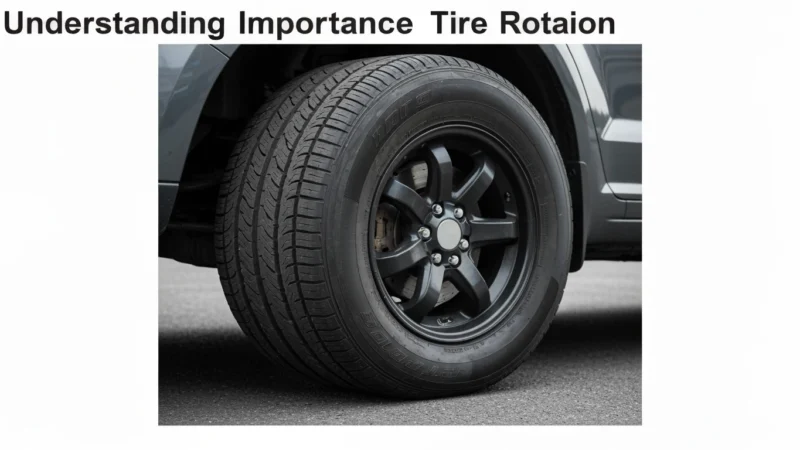
For instance, front tires on a front-wheel-drive vehicle typically wear faster on the shoulders due to steering and carrying the engine’s weight. Rear tires, conversely, might experience less wear but can develop irregular patterns. Regular rotation helps distribute these wear patterns across all four tires, promoting a more uniform wear rate.
Why Even Tire Wear Matters for Your Vehicle
Achieving even tire wear offers a multitude of benefits for your vehicle and your driving experience. Primarily, it significantly extends the overall lifespan of your tires. When tires wear uniformly, you can utilize the full tread depth across all four tires before needing replacements, delaying the expense of new tires.
Beyond longevity, even wear contributes to consistent handling and improved vehicle stability. Unevenly worn tires can lead to vibrations, reduced traction, and compromised braking performance, especially in adverse weather conditions. Proper rotation helps maintain optimal grip, ensuring a safer and more predictable ride. It can also contribute to better fuel efficiency by reducing rolling resistance.
Recognizing Common Tire Wear Patterns
Inspecting your tires regularly can reveal specific wear patterns that indicate underlying issues or the need for rotation. Understanding these patterns helps you diagnose problems early. Common wear patterns include shoulder wear, center wear, feathering, and cupping.
Shoulder wear, where the outer edges of the tread are worn down, often points to underinflation or aggressive cornering. Conversely, center wear, where the middle of the tread is excessively worn, usually indicates overinflation. Feathering, characterized by a saw-tooth pattern across the tread blocks, can suggest alignment issues or a need for rotation. Cupping or scalloping, which appears as dips or scoops around the tire’s circumference, often signals worn suspension components or a lack of rotation.
How Often to Rotate Tires DIY: The Recommended Schedule
For most passenger vehicles, the general recommendation for how often to rotate tires DIYis every 5,000 to 7,500 miles, or approximately every six months. This interval is often conveniently aligned with regular oil change schedules, making it easier for home mechanics to remember and incorporate into their routine maintenance. Adhering to this schedule helps ensure that wear is distributed evenly across all four tires before significant differences develop.
It is important to consult your vehicle owner’s manual for specific recommendations, as some manufacturers may suggest slightly different intervals based on the vehicle type, tire type, or driving conditions. Consistency is key; sticking to a regular rotation schedule is more beneficial than sporadic rotations.
Factors That Influence Your Tire Rotation Frequency
While the 5,000-7,500 mile guideline is a good starting point, several factors can influence how often you should rotate your tires. Your driving habits play a significant role; aggressive driving, frequent hard braking, or rapid acceleration can accelerate tire wear, necessitating more frequent rotations. Vehicles primarily used for city driving with many turns and stops may also experience faster wear than those used mainly for highway cruising.
The type of vehicle also matters. Front-wheel-drive (FWD) vehicles typically put more stress on the front tires due to steering and propulsion, often requiring more diligent rotation. All-wheel-drive (AWD) vehicles, while distributing power, still benefit from regular rotation to maintain even wear. Additionally, the type of tires you have, such as high-performance or directional tires, might have specific rotation requirements outlined by the manufacturer. Regularly carrying heavy loads or towing can also increase the rate of tire wear.
Choosing the Correct Tire Rotation Pattern for Your Vehicle
Selecting the appropriate tire rotation pattern is crucial for effective wear distribution. The correct pattern depends on your vehicle’s drive type (FWD, RWD, AWD) and whether your tires are directional or non-directional. Using the wrong pattern can negate the benefits of rotation or even cause uneven wear.
- Forward Cross (FWD Vehicles):Front tires move straight back to the rear, and rear tires cross to the opposite front positions.
- Rearward Cross (RWD/AWD Vehicles):Rear tires move straight forward to the front, and front tires cross to the opposite rear positions.
- X-Pattern:All tires cross to the opposite axle and side (e.g., front left to rear right, rear left to front right). This is often suitable for FWD vehicles with non-directional tires.
- Straight Rotation (Directional Tires):Directional tires must always maintain their direction of rotation. Therefore, they can only be moved from front to rear on the same side of the vehicle.
- Five-Tire Rotation (Including a Full-Size Spare):If you have a full-size spare tire that matches your other four, incorporating it into the rotation can extend the life of all five tires. Consult your owner’s manual for the specific five-tire pattern.
Always refer to your vehicle’s owner’s manual or the tire manufacturer’s recommendations for the precise pattern applicable to your setup.
Essential Tools and Safety Gear for DIY Tire Rotation
Performing a DIY tire rotation requires a few essential tools and, more importantly, a commitment to safety. Having the right equipment ensures the job is done correctly and without incident. Never attempt to work under a vehicle supported only by a jack.
- Hydraulic Floor Jack:A sturdy jack capable of lifting your vehicle safely.
- Jack Stands (at least two, preferably four):Absolutely critical for supporting the vehicle once it’s lifted. Never rely solely on a jack.
- Lug Wrench or Breaker Bar with Socket:To loosen and tighten lug nuts.
- Torque Wrench:Essential for tightening lug nuts to the manufacturer’s specified torque, preventing over-tightening or under-tightening.
- Wheel Chocks:To prevent the vehicle from rolling while it’s being lifted.
- Gloves:To protect your hands from grease and grime.
- Safety Glasses:To protect your eyes from debris.
- Owner’s Manual:For specific jacking points, torque specifications, and rotation patterns.
Step-by-Step Guide to Rotating Your Tires at Home
Rotating your tires at home is a manageable task for most DIY enthusiasts, provided you follow safety protocols and have the right tools. Always prioritize safety throughout the process.
- Prepare Your Vehicle:Park your vehicle on a flat, level, and firm surface. Engage the parking brake. Place wheel chocks behind the tires that will remain on the ground to prevent any movement.
- Loosen Lug Nuts:Before lifting the vehicle, use your lug wrench or breaker bar to slightly loosen the lug nuts on all four wheels. Do not remove them completely, just break them free.
- Lift the Vehicle Safely:Consult your owner’s manual for the correct jacking points. Place the jack under the designated point and lift one corner of the vehicle. Once lifted, immediately place a jack stand securely under the vehicle’s frame near the jacking point. Repeat for all four corners if you have four jack stands, or lift two corners at a time.
- Remove Wheels:Once the vehicle is safely supported by jack stands, fully remove the lug nuts and carefully take off the wheels.
- Inspect Tires and Brakes:While the wheels are off, take the opportunity to inspect your tires for any damage, uneven wear, or embedded objects. Also, visually check your brake pads, rotors, and suspension components for any obvious issues.
- Rotate Tires According to Pattern:Move the tires to their new positions based on the rotation pattern appropriate for your vehicle and tire type (e.g., forward cross, rearward cross).
- Reinstall Wheels:Place the tires in their new positions. Hand-tighten the lug nuts until they are snug.
- Lower Vehicle:Carefully lower the vehicle off the jack stands using the jack. Once the tires are on the ground but the full weight is not yet on them, tighten the lug nuts further with the lug wrench.
- Torque Lug Nuts:With the vehicle fully on the ground, use a torque wrench to tighten all lug nuts to the manufacturer’s specified torque setting. Tighten them in a star or crisscross pattern to ensure even pressure.
- Check Tire Pressure:After rotation, check and adjust the air pressure in all tires to the recommended levels found on the sticker inside your driver’s side door jamb.
Common Mistakes to Avoid When Rotating Tires Yourself
While DIY tire rotation can save time and money, certain mistakes can compromise safety or the effectiveness of the rotation. Being aware of these pitfalls can help you perform the task correctly.
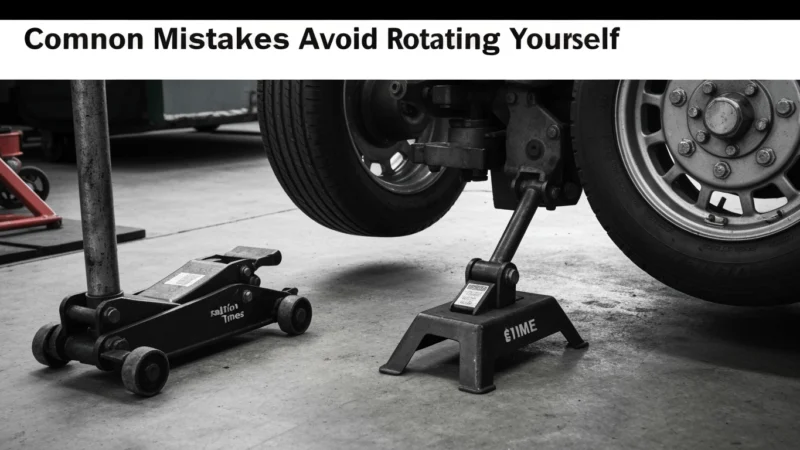
- Not Using Jack Stands:This is the most critical safety mistake. Never work under a vehicle supported only by a jack. Jack stands provide stable support and prevent the vehicle from falling.
- Incorrect Rotation Pattern:Using the wrong pattern for your vehicle’s drive type or tire type can lead to continued uneven wear or even damage, especially with directional tires.
- Improper Lug Nut Torque:Over-tightening lug nuts can strip threads, warp brake rotors, or make future removal difficult. Under-tightening can cause wheels to come loose, a severe safety hazard. Always use a torque wrench.
- Ignoring Tire Condition:Failing to inspect tires for damage, punctures, or excessive wear during rotation misses a crucial opportunity for early detection of problems.
- Working on an Uneven Surface:Attempting to lift and support a vehicle on an incline or soft ground is unstable and extremely dangerous.
- Not Chocking Wheels:Forgetting to place wheel chocks can allow the vehicle to roll, even with the parking brake engaged, leading to serious accidents.
When Professional Tire Rotation is Recommended
While DIY tire rotation is feasible for many, there are situations where professional service is the wiser choice. If you lack the necessary tools, such as a reliable jack, jack stands, or a torque wrench, it’s safer to visit a professional. Attempting the job without proper equipment can be dangerous and lead to improper installation.
Additionally, if your vehicle has complex suspension systems, specialized tires (like run-flats that require specific handling), or if you notice unusual tire wear patterns that might indicate alignment or suspension issues, a professional can provide a thorough inspection and address underlying problems. When in doubt about any aspect of the process, consulting a certified mechanic ensures the job is done correctly and safely.
Beyond Rotation: Other Key Tire Maintenance Tips
Tire rotation is just one component of comprehensive tire care. To truly maximize tire lifespan and ensure driving safety, integrate these additional maintenance tips into your routine.
- Maintain Proper Tire Pressure:Check your tire pressure monthly, including the spare. Correct inflation is vital for safety, fuel efficiency, and even wear.
- Regular Wheel Alignment:Misalignment can cause rapid and uneven tire wear. Have your alignment checked annually or if you notice steering issues or unusual wear patterns.
- Wheel Balancing:Unbalanced wheels can cause vibrations and premature tire wear. Have your wheels balanced when new tires are installed or if you notice vibrations.
- Regular Visual Inspections:Periodically check your tires for cuts, bulges, cracks, or embedded objects. Also, monitor tread depth using a tread depth gauge or the built-in wear bars.
- Clean Your Tires:Regularly wash your tires to remove dirt, brake dust, and road grime, which can degrade rubber over time.
Maximizing Tire Lifespan and Driving Safety
Adhering to a consistent tire rotation schedule, coupled with other essential maintenance practices, is fundamental to maximizing the lifespan of your tires and ensuring optimal driving safety. Even wear not only extends the life of your investment but also contributes significantly to your vehicle’s handling, braking efficiency, and overall stability on the road. By taking a proactive approach to tire care, home mechanics can enjoy peace of mind, knowing their vehicle is performing at its best and is equipped for safe travel in various conditions.
Frequently Asked Questions
How often should I rotate my tires if I do it myself?
If you are rotating your tires yourself, aim for an interval of every 5,000 to 7,500 miles, or approximately every six months. This schedule aligns well with typical oil change intervals, making it easy to remember and integrate into your regular vehicle maintenance routine.
What happens if I don’t rotate my tires regularly?
Failing to rotate your tires regularly leads to uneven wear patterns, significantly shortening their lifespan. This can result in reduced traction, compromised handling, increased vibrations, and potentially unsafe driving conditions, especially during braking or in adverse weather.
Can I rotate my tires DIY without special equipment?
While you can technically lift a vehicle with just a jack, it is highly unsafe to work under it without proper jack stands. Essential equipment like a hydraulic jack, jack stands, a lug wrench, and a torque wrench are crucial for safely and effectively rotating tires at home.
Is there a difference in how often to rotate tires DIY for front-wheel drive vs. rear-wheel drive?
The frequency of rotation remains generally similar for both front-wheel drive (FWD) and rear-wheel drive (RWD) vehicles, typically every 5,000-7,500 miles. However, the specific rotation pattern used will differ based on the drive type to best address their unique wear characteristics.
How long does it take to rotate tires DIY?
For an experienced home mechanic with the right tools, rotating tires DIY can take anywhere from 30 minutes to an hour. For beginners, it might take a bit longer as you familiarize yourself with the process and ensure all safety steps are meticulously followed.
What are the signs that my tires need rotation?
Signs that your tires need rotation include noticeable differences in tread depth between front and rear tires, unusual vibrations felt through the steering wheel or seat, or the appearance of specific wear patterns like feathering or cupping. Regular visual inspection can help identify these indicators early.
Conclusion
Regular tire rotation is a simple yet critical maintenance task that significantly impacts your vehicle’s safety, performance, and the longevity of your tires. By adhering to a schedule of every 5,000 to 7,500 miles and following the correct rotation pattern for your vehicle, you can ensure even wear and extend the life of your investment. Always prioritize safety by using appropriate tools and jack stands when performing this DIY task. Incorporate tire rotation with other essential maintenance, such as checking tire pressure and alignment, to keep your vehicle running smoothly and safely for many miles to come.
Related Guides: How to Check Brake Pads at Home, How Often to Change Engine Oil DIY.