
Checking your car’s engine compression at home might sound difficult, but it’s a useful skill for anyone who wants to keep their vehicle running well. Engine compression tells you how healthy your engine is. If your car is hard to start, runs rough, or uses more fuel than usual, low compression could be the reason.
Mechanics often charge for a compression test, but with a little patience and the right tools, you can do it yourself. This guide will walk you through each step, explain what to look for, and help you avoid common mistakes.
By the end, you’ll not only understand how to check engine compression, but also know what the numbers mean and what to do next.
Why Engine Compression Matters
Engine compression is the pressure created inside the cylinder when the piston moves up and compresses the air-fuel mixture. Good compression means your engine can burn fuel efficiently, giving you power and smooth driving. Low compression in one or more cylinders often means there’s a problem—like worn piston rings, a blown head gasket, or leaky valves.
Many beginners miss that compression problems don’t always make loud or obvious symptoms right away. Sometimes, a car might just feel a bit less powerful or use more oil. Over time, ignoring these small changes can lead to engine damage and expensive repairs.
Tools And Materials You Need
You don’t need a lot of tools to check engine compression, but using the right ones makes the job easier and safer. Here’s what you need:
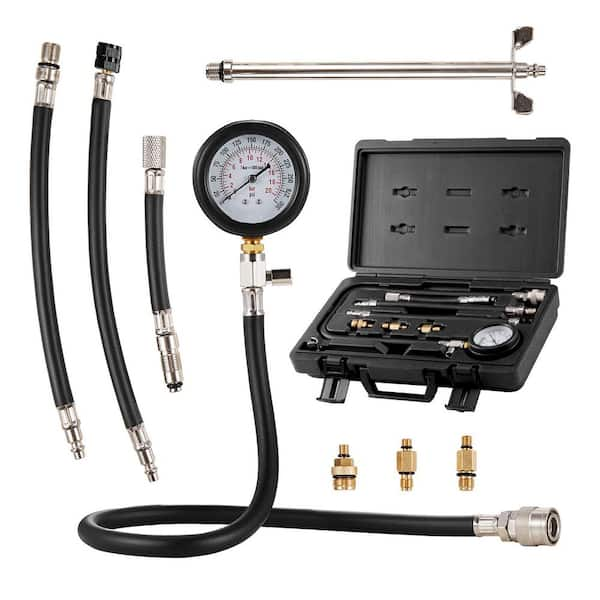
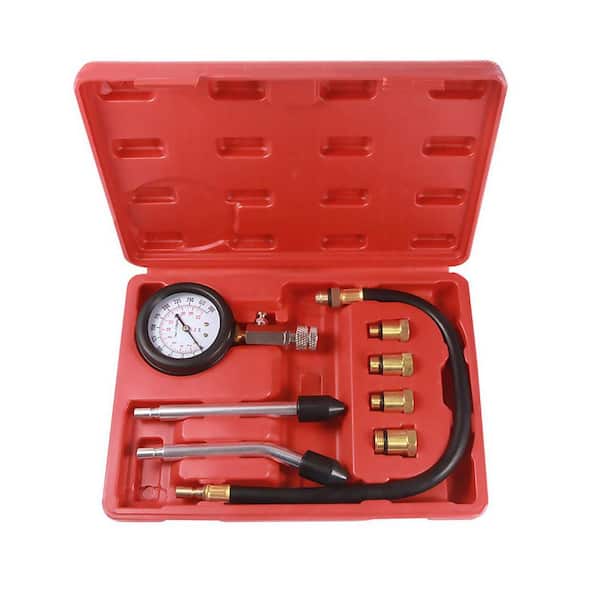
- Compression tester – This is the main tool. There are two types: Screw-in and push-in. Screw-in types are more accurate and easier to use alone.
- Ratchet and socket set – For removing spark plugs.
- Spark plug socket – It’s designed to protect the spark plug.
- Pen and paper – To record readings.
- Battery charger or jumper cables (optional) – Your battery must be strong to turn the engine several times.
- Safety gloves and glasses – Protect yourself from hot engine parts or sparks.
Most auto parts stores sell or rent compression testers for a reasonable price.
Preparation: Safety And Setup
Before starting, make sure the engine is cool. Working on a hot engine can burn your hands. Park your car on a flat surface and set the parking brake. Disconnect the ignition coil or fuel pump relay. This prevents the engine from starting while you crank it.
Open the hood and find your spark plugs. Remove the engine cover if needed. Carefully disconnect the spark plug wires or ignition coils. Use a socket to remove all spark plugs. This step is important—removing all plugs makes the engine easier to turn and helps get accurate readings.
Step-by-step: How To Check Engine Compression
1. Insert The Compression Tester
Take the compression tester and screw or push it into the first spark plug hole. Make sure it’s tight enough that no air escapes, but don’t use too much force and damage the threads.
2. Disable The Fuel System
If you haven’t already, make sure the fuel injectors or carburetor can’t spray fuel. This stops fuel from flooding the cylinders or starting a fire.
3. Crank The Engine
Ask a friend to turn the ignition key for about 5 seconds while you watch the gauge. If you’re alone, you can use a remote starter switch. The gauge’s needle will jump, then stop at a maximum number—this is your compression for that cylinder.
4. Record The Reading
Write down the reading. Release the pressure from the gauge, then move to the next cylinder. Repeat the process for every cylinder in your engine.
5. Reinstall Spark Plugs And Reconnect Everything
After you finish, remove the compression tester. Put all spark plugs back in and reconnect the wires or coils. Reconnect the ignition coil or fuel pump relay.
Credit: www.homedepot.com
What The Numbers Mean
Compression readings are usually measured in pounds per square inch (psi) or sometimes in kilopascals (kPa). Most gasoline engines have compression between 120 and 180 psi per cylinder, but always check your car’s manual for the exact range.
Here’s a simple comparison of what your readings could mean:
| Compression Value | What It Means |
|---|---|
| Above 150 psi | Healthy cylinder |
| 120-150 psi | Still good, but watch for changes |
| 100-120 psi | Possible wear, further checks needed |
| Below 100 psi | Likely engine problem |
But the most important thing is the difference between cylinders. A healthy engine should have no more than 10-15% difference between the highest and lowest readings.
Diagnosing Problems From Compression Results
Having one low cylinder can mean a problem with that specific cylinder. If all cylinders are low, it could be a sign of a worn engine or a timing issue.
Here’s how to use your results:
| Problem | Possible Cause | What to Do Next |
|---|---|---|
| One cylinder low | Burned valve, bad piston ring, head gasket leak | Consider a leak-down test or inspect valve/ head gasket |
| All cylinders low | Worn engine, jumped timing belt/chain | Check engine timing, consider engine rebuild |
| Two side-by-side cylinders low | Head gasket failure between cylinders | Inspect for coolant in oil or exhaust |
Wet Compression Test
If you find low compression, add a small spoonful of oil into the cylinder through the spark plug hole and repeat the test. If the reading goes up, the piston rings may be worn. If it stays low, the problem is likely the valves or head gasket.
Common Mistakes To Avoid
Many first-time testers make errors that can give false results or even damage the engine. Watch out for these mistakes:
- Testing with a weak battery – A slow crank means low compression readings.
- Not removing all spark plugs – This makes the engine harder to turn and can change your results.
- Not disabling the ignition/fuel – This is dangerous and can start a fire.
- Using a dirty compression tester – Dirt can block the gauge or damage your engine.
- Forgetting to note each cylinder – Mixing up the numbers makes the test useless.
A smart tip: Always clean around the spark plug holes before removing plugs. Dirt can fall into the cylinder and cause damage.
When To Check Engine Compression
Some people wait until their car has a problem to check compression. But doing this test once a year or before buying a used car can save you money and stress. If you notice loss of power, misfires, hard starting, or unexplained oil use, it’s a good time to check.
Compression In Diesel Engines
Diesel engines use much higher compression—often 350-500 psi. The basic process is similar, but you need a diesel compression tester and should follow special safety rules. Diesel engines can spray hot fuel and air when cranking, so extra care is needed.
How Engine Compression Affects Performance
If your compression is low in one or more cylinders, you might notice:
- Rough idle – The engine shakes or runs unevenly.
- Misfires – The engine skips or hesitates.
- Poor acceleration – Slow to speed up.
- High fuel use – You need to fill up more often.
- Hard starting – Especially when the engine is cold.
Some drivers ignore these signs, thinking they’re just “old car problems. ” But even small drops in compression can lower your engine’s life and cost you more in fuel and repairs.
Interpreting Results: Examples
Let’s say you test a four-cylinder engine and get these results:
- Cylinder 1: 170 psi
- Cylinder 2: 165 psi
- Cylinder 3: 160 psi
- Cylinder 4: 95 psi
The first three are close together, but cylinder 4 is much lower. This points to a problem in that cylinder only. A mechanic would recommend a leak-down test next, or look for signs of a bad valve or head gasket.
If all cylinders read 105-115 psi, but your car’s manual says 150 psi is normal, the engine is likely worn out or the timing is off.
How To Improve Low Compression
If you find low compression, fixing it depends on the cause:
- Worn piston rings – Usually needs an engine rebuild.
- Leaky valves – May need a valve job or head replacement.
- Blown head gasket – Replace the gasket and check for warped head.
- Timing issue – Adjust timing belt or chain.
Sometimes, if the car isn’t used often, piston rings can stick. Adding a special cleaner or driving the car gently for a while can help a little, but it’s not a long-term fix.
Cost And Time Required
A compression test at home takes about 30-60 minutes for most cars. The main tool costs around $20-$40, and many auto parts stores rent them for free. At a shop, you might pay $50-$150 just for this test.
Key Differences: Compression Test Vs. Leak-down Test
Both tests check engine health, but they’re not the same. Here’s a quick comparison:
| Test Type | Main Purpose | How It Works | What It Tells You |
|---|---|---|---|
| Compression test | Measure pressure while engine turns | Crank engine, read pressure gauge | Shows if compression is low or high |
| Leak-down test | Find exact source of leakage | Send air into cylinder, listen for leaks | Pinpoints if rings, valves, or gasket are leaking |
For deeper engine diagnosis, mechanics often use both tests together.
Credit: www.homedepot.com
Extra Tips For Accurate Testing
- Always check your car’s repair manual for the correct compression values and test steps.
- Test compression with the throttle fully open (press the gas pedal down), unless your car has electronic throttle.
- Keep your tester clean and store it in a dry place.
- If you get a strange reading, double-check your connections and repeat the test.
Further Learning
If you want to learn more about engine compression and repair, visit the official Wikipedia Compression Tester page for in-depth explanations and diagrams.

Credit: www.cart2india.com
Frequently Asked Questions
What Is A Good Compression Reading For Most Cars?
Most gasoline engines should have 120-180 psi per cylinder, with no more than 10-15% difference between cylinders. Always check your car’s manual for the exact range.
Can I Do A Compression Test On A Hot Engine?
It’s best to check compression on a warm but not hot engine. Run the engine for a few minutes, then let it cool until it’s safe to touch before removing spark plugs.
What If All Cylinders Are Low But Close Together?
If all are equally low, the engine may be worn out or the timing belt/chain has jumped. Check for timing problems or consider an engine rebuild.
Is A Compression Test Dangerous?
If you disable the ignition and fuel, and work on a cool engine, the test is safe. Always wear gloves and eye protection.
How Often Should I Check Engine Compression?
Check compression once a year, if you notice performance problems, or before buying a used car. Regular checks can help catch problems early.
Taking the time to check engine compression at home not only saves you money but also helps you understand your car better. With practice, you’ll be able to spot engine problems before they become major repairs, giving you peace of mind on the road.