
Checking the condition of your car’s transmission fluid is one of the most overlooked but important habits for car owners. Transmission fluid is like the lifeblood for your vehicle’s automatic or manual gearbox. It helps with smooth shifting, keeps the transmission cool, and protects vital parts from wear.
If the fluid becomes dirty, low, or burnt, it can lead to expensive repairs or even transmission failure. Many drivers think checking transmission fluid is too technical or best left to mechanics. In reality, it’s a simple and valuable skill anyone can learn—one that can help you spot problems early and avoid breakdowns on the road.
This article will explain how to check your car’s transmission fluid condition, step by step. We’ll also cover what good and bad fluid looks like, common mistakes, and how to stay safe. Whether you’re a new driver or just want to take better care of your vehicle, this guide will help you become more confident and proactive with your car’s maintenance.
Why Transmission Fluid Condition Matters
Transmission fluid does more than just lubricate moving parts. It’s essential for:
- Heat control: The fluid absorbs and carries heat away from the transmission, preventing overheating.
- Smooth shifting: It helps the gears shift quietly and efficiently.
- Wear protection: Quality fluid reduces friction and protects metal surfaces.
- Hydraulic power: In automatics, the fluid transmits power from the engine to the wheels.
If the fluid is dirty, low, or burnt, these systems can break down. Poor fluid can cause:
- Hard or delayed shifting
- Slipping gears
- Overheating
- Strange noises
- Expensive repairs
Industry data shows that most automatic transmissions fail because of neglected fluid maintenance. One overlooked detail is that some modern cars now use “lifetime” fluids, but even these need checking under hard driving or high mileage.
Tools And Materials Needed
Before you start, gather these items:
- Clean rag or paper towel
- Flashlight (optional, helps with fluid color check)
- Gloves (recommended, fluid can irritate skin)
- Owner’s manual
- Funnel (only if topping up fluid)
Having these simple tools ready makes the process clean and accurate. Your owner’s manual is especially important, as some cars have special instructions or sealed transmissions.
Preparing To Check The Fluid
Never rush the process. Prepare your car and workspace for best results.
- Park on a level surface. A slope can give a false reading.
- Warm up the engine. Run it for 10-15 minutes. Transmission fluid expands when hot, and most cars are designed for checking at operating temperature.
- Shift through all gears. With your foot on the brake, move the gear selector through each position. This circulates fluid through all parts.
- Set parking brake. Safety first.
- Turn off the engine (for manual transmissions). For most automatics, leave the engine running. Always check your manual for your specific car.
Two often missed points:
- Some cars (especially Hondas and some European models) require checking with the engine off. Always confirm in your manual.
- If you just drove a long distance, let the car rest for 30 minutes to avoid a burn hazard.
Locating The Transmission Dipstick
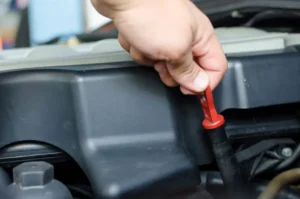
Most automatic vehicles have a transmission dipstick under the hood. It usually has a colored handle (often red or yellow) and is separate from the engine oil dipstick.
For manual transmissions, most cars do not have a dipstick. Fluid checks require removing a plug under the vehicle, best left to a mechanic unless you have experience.
To find the dipstick:
- Open the hood and secure it.
- Look for a label or colored handle. The owner’s manual or a diagram under the hood can help.
- In some modern cars, there is no dipstick—these have “sealed” transmissions. If so, check the manual for the correct procedure or if you need a mechanic’s help.
Credit: www.youtube.com
Step-by-step: How To Check Transmission Fluid Condition
Follow these steps carefully for an accurate reading:
- Pull out the dipstick. Wipe it clean with a rag or paper towel.
- Re-insert the dipstick fully. Wait a second, then pull it out again.
- Check the fluid level. The fluid should be between the “Full” and “Add” (or “Low”) marks on the dipstick. Too low means you may have a leak.
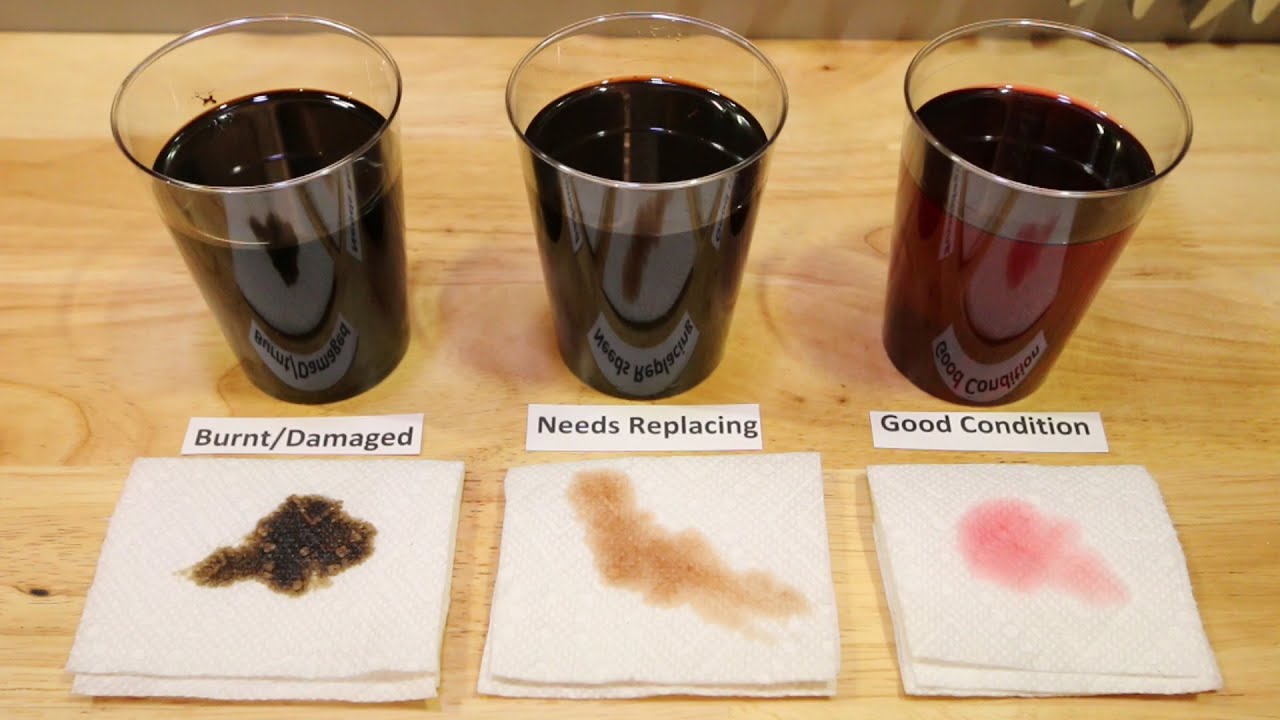
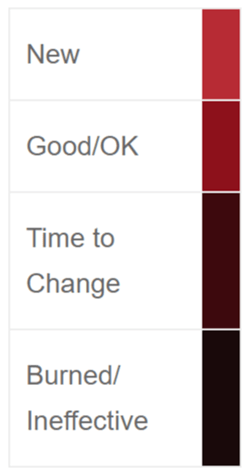
- Inspect the fluid color. Fresh fluid is usually bright red or pink. Old or burnt fluid looks dark brown, black, or has particles.
- Smell the fluid. Good fluid smells slightly sweet or odorless. Burnt fluid smells sharp or like burnt toast.
- Check for particles or cloudiness. Grit, metal shavings, or a milky look means possible internal damage.
If the fluid looks or smells bad, do not just top it off—get the transmission checked.
Here’s a visual comparison for quick reference:
| Fluid Color | Condition | What It Means |
|---|---|---|
| Bright red/pink | Good | Healthy fluid, no action needed |
| Light brown | OK, but aging | Plan for fluid change soon |
| Dark brown/black | Poor | Fluid is burnt or contaminated; service needed |
| Milky or cloudy | Bad | Possible coolant leak, urgent repair needed |
Key Signs Of Bad Transmission Fluid
Not all problems are visible. Watch for these signs:
- Slipping gears: Sudden changes or loss of power
- Delayed engagement: Takes a few seconds to move after shifting
- Rough or hard shifts: Jerky or noisy gear changes
- Transmission warning light: Many modern cars have a dashboard light for transmission problems
If you experience these issues, check your fluid as soon as possible. Bad fluid often leads to bigger problems if ignored.
Understanding “lifetime” Or Sealed Transmissions
Many newer vehicles claim to have “lifetime” or “sealed” transmissions. This means there’s no dipstick, and the fluid is meant to last a long time. However, “lifetime” does not mean forever. Heavy driving, towing, or extreme temperatures can still break down fluid.
Some sealed transmissions have a check plug on the side or bottom of the transmission case. This often requires special tools and a car lift. For these vehicles, regular dealer service or a trusted mechanic is the safest option.
What To Do If The Fluid Is Low Or Bad
If your fluid is low but still clean:
- Use only the exact fluid type listed in your manual.
- Add small amounts with a funnel, checking the level each time.
- Do not overfill—this can cause just as many problems as running low.
If the fluid is dirty, burnt, or milky:
- Do not drive far. Schedule a professional inspection or change.
- If you see metal particles or a pink/milky color, serious repairs may be needed.
Here’s a quick overview of what to do based on the dipstick check:
| Fluid Issue | Action |
|---|---|
| Low level, clean color | Add correct fluid, monitor for leaks |
| Dark or burnt color | Schedule a fluid change or flush |
| Milky or pink fluid | Check for coolant leak, get immediate service |
| Metal shavings or grit | Get professional inspection, possible damage |
Credit: www.aamcocolorado.com
Common Mistakes To Avoid
Beginners often make these errors:
- Checking on a slope: Always use a flat surface for accuracy.
- Using the wrong fluid type: Each car model needs a specific type—mixing can damage your transmission.
- Overfilling: Too much fluid causes foaming, leaks, and shifting problems.
- Ignoring burnt smell or color: Topping up bad fluid doesn’t fix the problem.
- Forgetting regular checks: Even “lifetime” fluids should be checked every 30,000–60,000 miles or every two years.
An insider tip: If your car tows heavy loads, drives in hot climates, or often sits in traffic, check the fluid more often. Severe conditions break down fluid faster.
How Often Should You Check Transmission Fluid?
Most manufacturers suggest checking every 30,000 to 60,000 miles or every two years. If you drive in tough conditions (towing, mountains, extreme heat), check every 15,000 miles. Always follow your owner’s manual for the best schedule.
Many mechanics recommend checking at every oil change. It only takes a few minutes and can save thousands in repairs.
Credit: www.sundevilauto.com
Practical Tips For Diy Transmission Fluid Checks
- Wear gloves. Transmission fluid can irritate skin.
- Use a white rag. It makes color changes easier to see.
- Check after long trips. Fluid can overheat on highways.
- Look for leaks. Puddles under your car can mean a slow leak.
One detail many people miss: transmission fluid can drip onto hot engine parts and burn off, leaving no visible puddle. If the level drops, but you see no leak, have the car inspected for hidden problems.
When To See A Mechanic
Some transmission issues are too complex for DIY fixes. Visit a professional if:
- Your car has no dipstick or sealed transmission
- Fluid is milky, pink, or has metal shavings
- You hear grinding or whining noises
- The transmission warning light comes on
- The fluid level keeps dropping
A skilled mechanic can test, flush, and replace fluid, or spot deeper problems before they become costly.
Automatic Vs. Manual Transmission Fluid Checks
While most people check automatics, some manual transmissions also need regular attention. Manuals often use a different type of fluid (sometimes gear oil). The check process usually involves removing a plug under the car, so it’s best for those with some mechanical experience.
Here’s a quick comparison:
| Transmission Type | Fluid Check Method | Typical Fluid Color |
|---|---|---|
| Automatic | Dipstick under hood | Red/pink |
| Manual | Remove plug under car | Amber/light brown |
Manuals may go longer between checks, but leaks or worn fluid can still cause shifting problems.
Useful Resources
If you want to learn more about transmission fluid, vehicle maintenance, or troubleshooting, a good starting point is the Wikipedia page on transmission fluid. It covers types, history, and technical details for deeper understanding.
Frequently Asked Questions
How Often Should I Check My Car’s Transmission Fluid?
It’s best to check every 30,000 to 60,000 miles, or every two years. If you drive in severe conditions (heat, towing, heavy traffic), check more often—about every 15,000 miles. Some drivers check at every oil change for peace of mind.
What Does Burnt Transmission Fluid Mean?
Burnt fluid usually looks dark brown or black and smells harsh. This means the fluid is overheating and can no longer protect your transmission. Driving with burnt fluid can quickly damage the transmission, so get it changed or inspected right away.
Can I Use Any Type Of Transmission Fluid?
No. Each car needs a specific fluid type. Using the wrong fluid can cause shifting problems and damage the transmission. Always check your owner’s manual and buy the exact recommended fluid.
What If My Transmission Fluid Is Low But I Don’t See A Leak?
Transmission fluid can leak slowly and burn off on hot parts, leaving no puddle. Internal leaks can also happen. If the fluid keeps dropping, have a mechanic check for hidden leaks or internal problems.
Is It Safe To Top Up Transmission Fluid Myself?
Yes, if your car has a dipstick and you use the correct fluid. Add small amounts, check the level often, and do not overfill. If the fluid looks or smells bad, do not top up—have it changed and inspected.
Caring for your car’s transmission fluid is a simple but powerful way to keep your vehicle reliable and safe. With these steps and tips, you can spot problems early, save money, and enjoy smoother driving for years to come.