
Hearing a clicking noise when turning your car can be both annoying and worrying. For many drivers, it’s a sound that raises questions: Is it dangerous? What causes it? And, most importantly, how can you fix it? The truth is, ignoring this noise can lead to bigger, more expensive problems down the road. But the good news is, with the right knowledge and approach, you can fix or prevent the issue and keep your vehicle running smoothly.
This guide will walk you through the most common causes of clicking noises during turns, show you how to diagnose the problem, and offer practical steps to fix it. Whether you’re a DIY enthusiast or someone who prefers the help of a mechanic, understanding the basics will save you time, money, and stress.
Common Causes Of Clicking Noise When Turning
A clicking sound while turning is often a warning from your car’s steering or suspension system. Several parts can create this noise. Knowing the main culprits makes it easier to find and fix the issue.
1. Cv Joints (constant Velocity Joints)
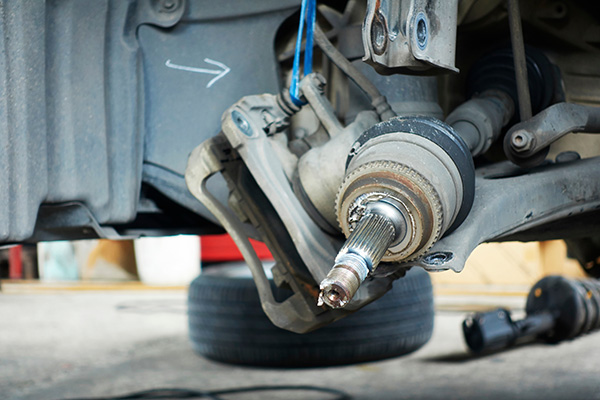
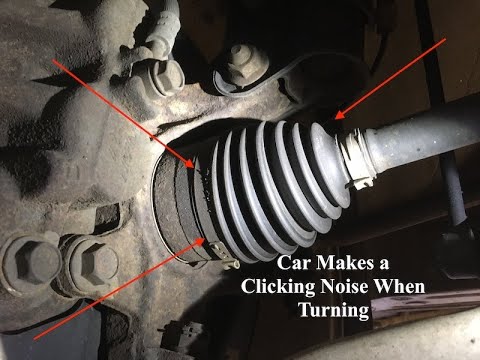
The most common cause is a worn or damaged CV joint. These joints connect your wheels to the axle and let them move up, down, and turn. When the protective boot cracks, grease leaks out, and dirt enters, causing the joint to wear out and click.
2. Worn Ball Joints
Ball joints act like the hinges of your suspension. If they’re dry or loose, they can make clicking or popping noises, especially when turning sharply.
3. Damaged Wheel Bearings
Wheel bearings let your wheels spin freely. When they wear out, they can produce a clicking or grinding sound. This noise might get louder as you turn.
4. Loose Or Broken Suspension Parts
Any loose parts, like tie rods, control arms, or sway bar links, can produce clicking sounds. These parts keep your wheels aligned and stable.
5. Steering Rack Issues
Problems in the steering rack (the part that moves your wheels left and right) can also make a clicking sound. This is less common but possible, especially in older vehicles.
6. Brake System Components
Sometimes, a stone caught in the brake caliper or worn-out brake pads can cause a clicking noise, especially if the sound changes when you apply the brakes.
Diagnosing The Clicking Noise
Before you can fix the problem, you need to find out what’s making the noise. Here’s how you can do that safely and effectively.
Step 1: Listen And Observe
- Turn off the radio and close the windows.
- Drive slowly in a safe, open area.
- Turn the steering wheel left and right and listen for the clicking noise.
- Notice if the noise happens only when turning one way or both ways.
Step 2: Check For Patterns
- Does the clicking get faster as you speed up?
- Is it louder during sharp turns or slow turns?
- Do you hear it when driving straight?
These details help narrow down the cause.
Step 3: Visual Inspection
- Park the car safely and set the parking brake.
- Look under the car for any torn CV boots, leaking grease, or visible damage.
- Check the wheels for play by grabbing the tire and shaking it. Any movement could mean loose parts.
- Look at the brake system for stuck objects or worn components.
Step 4: Compare Symptoms
Here’s a quick comparison table to match sounds with likely causes:
| Symptom | Likely Cause |
|---|---|
| Clicking when turning sharply | Worn CV joint |
| Clicking plus vibration | Wheel bearing |
| Clicking plus steering looseness | Loose suspension or steering part |
| Clicking only during braking | Brake system issue |
If you’re not sure, take notes on when and how the noise happens. This will help a mechanic diagnose the problem faster.

Credit: revolutionmotors.ca
How To Fix Clicking Noise When Turning
Once you know the likely cause, you can choose the right repair. Some fixes are simple and can be done at home, while others need a professional.
Fixing Worn Cv Joints
A bad CV joint is the top reason for clicking sounds during turns.
Steps To Fix:
1. Inspect The Cv Boot
Look for cracks or grease leaks. If the boot is damaged but the joint is still good, replacing just the boot may work.
2. Replace The Cv Joint Or Axle
If the joint is worn, it’s safer to replace the whole CV axle. This job often takes 1-2 hours for a mechanic.
Example Costs:
- CV boot replacement: $100–$250
- Full CV axle replacement: $300–$700
Practical Tip:
If you hear clicking only during sharp turns, fix the CV joint as soon as possible. Waiting too long can cause the axle to fail completely.
Fixing Worn Ball Joints
Ball joints wear out over time, especially if the protective cover breaks.
Steps To Fix:
1. Raise The Car
Use a jack and secure the vehicle with jack stands.
2. Remove The Wheel
This gives access to the suspension.
3. Check Ball Joint Play
Move the control arm and see if the ball joint wobbles.
4. Replace Worn Ball Joints
Press out the old joint and install a new one.
Example Costs:
- Ball joint replacement: $150–$400 per joint
Non-obvious Insight:
Often, ball joints are replaced in pairs (both sides) to keep the car balanced and safe.
Fixing Damaged Wheel Bearings
A worn wheel bearing can make a clicking or grinding noise that changes with speed.
Steps To Fix:
1. Lift The Vehicle
Make sure the car is secure.
2. Spin The Wheel By Hand
Listen for grinding or clicking.
3. Replace The Wheel Bearing
This usually requires a shop press and is best done by a mechanic.
Example Costs:
- Wheel bearing replacement: $200–$500 per wheel
Practical Tip:
Driving with a bad wheel bearing is dangerous. It can cause the wheel to fall off in extreme cases.
Fixing Loose Or Broken Suspension Parts
Loose tie rods, control arms, or sway bar links can all make noise.
Steps To Fix:
1. Inspect All Fasteners
Look for loose bolts or worn bushings.
2. Tighten Or Replace Parts
Use the proper torque specs for your car model.
3. Get A Wheel Alignment
After replacing suspension parts, always check alignment.
Non-obvious Insight:
A clicking noise that disappears after hitting a bump often points to a loose suspension part.
Fixing Steering Rack Issues
If the steering rack is the problem, the fix can be more complex.
Steps To Fix:
1. Check Power Steering Fluid
Low fluid can cause noise.
2. Inspect For Leaks Or Damage
Look at the rack and pinion system for leaks or play.
3. Replace Or Rebuild Rack
This is usually a job for professionals.
Example Costs:
- Steering rack replacement: $600–$1,200
Fixing Brake System Issues
A clicking noise related to braking might be due to a stone, worn pad, or loose caliper.
Steps To Fix:
1. Remove The Wheel
Check for stones or debris.
2. Inspect The Pads And Calipers
Replace any worn or broken parts.
3. Test Drive
Make sure the noise is gone.
Non-obvious Insight:
A stuck stone in the brake can make a clicking sound that changes or disappears after a few stops.
When To See A Mechanic
While some fixes can be done at home, certain problems require a professional. Always see a mechanic if:
- The noise is very loud or gets worse quickly
- You feel vibration or pulling when turning
- You’re unsure about the diagnosis
- You don’t have the right tools or experience
Delaying repairs can cause more damage or even a breakdown.
Credit: neighborhoodtirepros.com
Preventing Future Clicking Noises
Prevention is always better than repair. Here’s how you can keep your car’s steering and suspension healthy:
1. Regular Inspections
Check your car’s suspension, steering, and wheels every oil change (about every 5,000 miles).
2. Replace Boots And Seals
If you see cracks or leaks, replace the boots before dirt causes damage.
3. Keep Suspension Lubricated
Grease ball joints and tie rods if your car allows.
4. Drive Carefully
Avoid potholes and rough roads when possible.
5. Fix Small Problems Early
A small noise often means a small fix—waiting usually makes things worse.
Repair Cost Comparison
Here’s a quick look at how much different fixes can cost:
| Repair Type | DIY Cost (parts only) | Professional Cost (average) |
|---|---|---|
| CV Joint/Axle | $60–$200 | $300–$700 |
| Ball Joint | $40–$100 | $150–$400 |
| Wheel Bearing | $50–$120 | $200–$500 |
| Suspension Parts | $30–$150 | $100–$400 |
| Steering Rack | $200–$450 | $600–$1,200 |
Costs vary by car make, model, and region.
Diy Vs Professional Repairs
Should you fix the clicking noise yourself or hire a mechanic? Here are some factors to consider:
| Repair Task | DIY Friendly? | Special Tools Needed? | Safety Level |
|---|---|---|---|
| CV Axle | Intermediate | Yes | Medium |
| Ball Joint | Intermediate | Yes | Medium |
| Wheel Bearing | Advanced | Yes (press) | High |
| Suspension Part | Beginner–Intermediate | No/Minimal | Low–Medium |
| Steering Rack | Advanced | Yes | High |
If you’re new to car repair, start with simple tasks. For complex jobs, it’s safer and often cheaper in the long run to trust a trained mechanic.
Frequently Asked Questions
Why Does My Car Only Click When Turning Left Or Right?
A clicking noise when turning one way usually points to a single worn CV joint or wheel bearing on that side. It means the part is under stress when you turn in that direction.
Is It Safe To Drive With A Clicking Noise When Turning?
It’s not recommended. The problem can get worse quickly. A worn CV joint or bearing can fail, possibly leading to loss of control.
Can A Clicking Noise Be Fixed Without Replacing Parts?
Sometimes, yes—if the noise is from a loose part or stuck stone. However, worn-out joints or bearings must be replaced for safety.
How Long Can I Ignore A Clicking Noise When Turning?
You shouldn’t ignore it. What starts as a simple noise can turn into a dangerous breakdown or more expensive repair within weeks.
Where Can I Learn More About Car Noises And Repairs?
You can find detailed explanations and guides on Wikipedia’s vehicle suspension page and other trusted auto repair resources.
Hearing a clicking noise while turning doesn’t have to be a mystery or a major headache. Understanding the causes, knowing how to diagnose them, and acting quickly will keep your car safe and reliable. Whether you fix it yourself or see a professional, don’t ignore the sound—your car (and wallet) will thank you.
Credit: www.youtube.com