
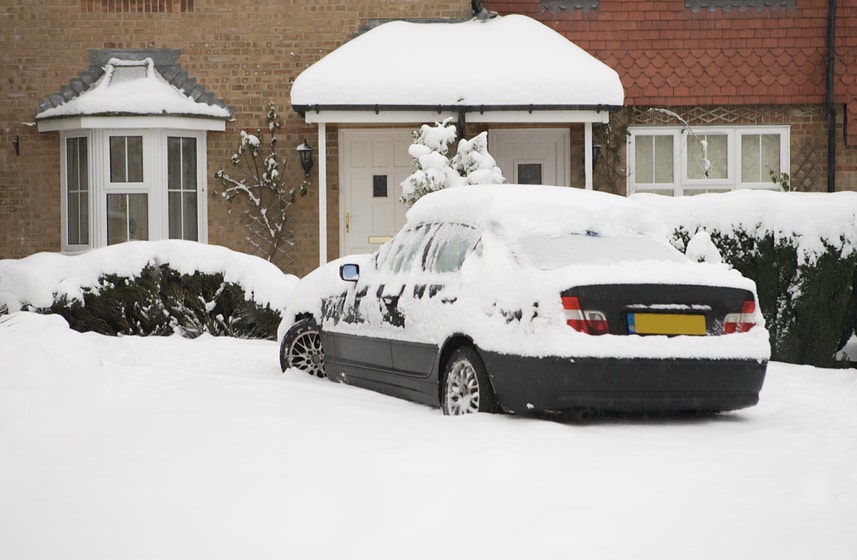
When winter comes and temperatures drop, many drivers find themselves stuck in their driveways with a car that simply won’t start. It’s a common problem—cold weather puts extra strain on your vehicle, especially if it’s a few years old or hasn’t been maintained well.
But before you panic or call for a tow truck, there are steps you can take to get your car running again. With some basic knowledge and the right approach, you can often fix the issue yourself and avoid expensive repairs.
Why Cars Struggle To Start In Cold Weather
Cold weather affects your car in several ways. First, the battery loses strength as the temperature drops. In fact, at 0°F (-18°C), a car battery has only about half the cranking power it does at 80°F (27°C). Engine oil also thickens, making it harder for the engine to turn over. Fuel lines can freeze, and ignition components may not work as well. Understanding these challenges is the first step to finding the right fix.
Quick Checks Before You Start
Before you dive into repairs, do a few simple checks. These will help you find out what’s wrong and avoid making things worse.
- Turn on the headlights. If they’re dim or don’t turn on, the battery may be dead.
- Listen for a click when turning the key. A single click usually means a battery issue, while rapid clicking can mean a weak battery or poor connection.
- Check dashboard lights. If warning lights come on, note which ones. They can give clues about the problem.
- Smell for fuel. If you smell gas after several tries, the engine might be flooded.
If you notice anything unusual, keep it in mind as you move through the troubleshooting steps.
Step 1: Check The Battery
Most cold-weather start problems come from the battery. It’s the heart of your car’s electrical system, and cold temperatures make it work harder.
How To Test And Fix A Weak Battery
- Inspect the battery terminals. Look for white or green powder (corrosion) around the cables. This can block the flow of electricity.
- Tighten the connections. Loose cables are a common cause of starting trouble.
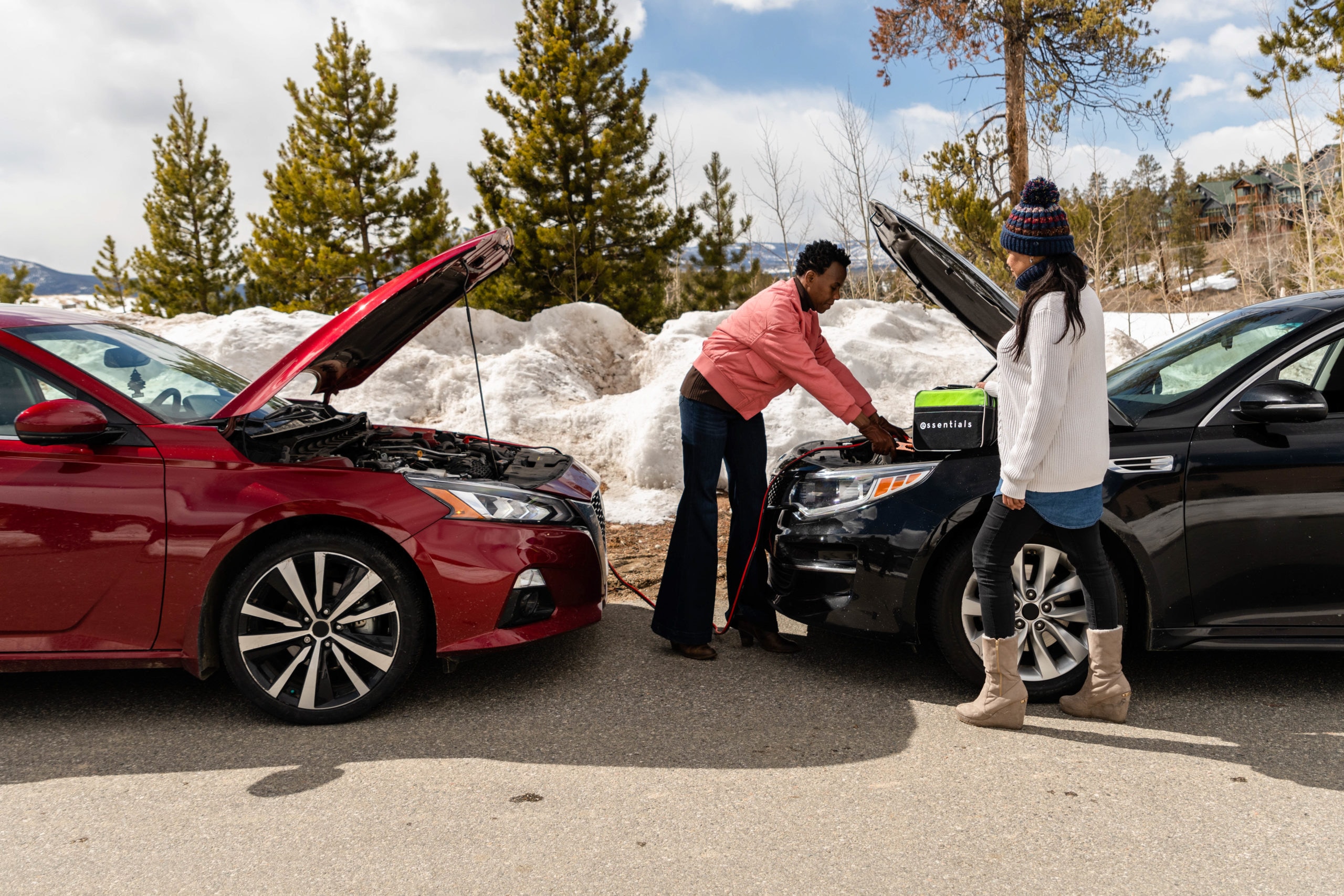
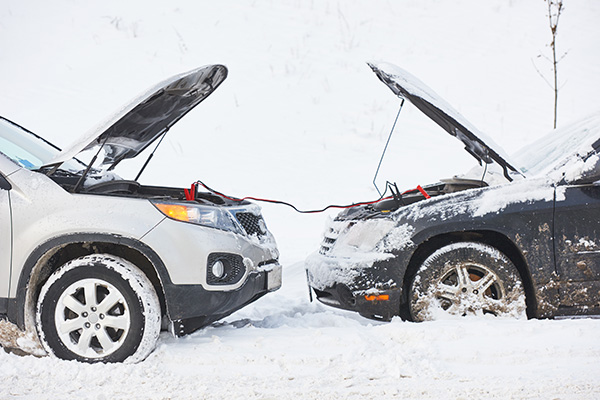
- Jump-start the car. Use jumper cables and another car, or a portable jump starter. Connect cables as follows:
- Red to positive (+) terminal on dead battery.
- Red to positive (+) on good battery.
- Black to negative (–) on good battery.
- Black to unpainted metal on the dead car, not the battery.
- Wait a few minutes, then try to start your car.
If the car starts, the battery was likely the problem. Drive for at least 20 minutes to recharge it.
When To Replace The Battery
A car battery usually lasts 3–5 years. If yours is older, replace it soon—especially if it struggles in the cold. Many auto parts shops will test your battery for free.
Battery Types And Cold Performance
Here’s a quick look at how common battery types handle the cold:
| Battery Type | Cold Cranking Amps (CCA) | Best For |
|---|---|---|
| Lead-Acid (Standard) | Low to Medium | Warmer climates |
| AGM (Absorbed Glass Mat) | High | Cold climates |
| Gel Cell | Medium | Moderate climates |
Step 2: Inspect The Starter And Ignition
If the battery is strong but your car still won’t start, the starter motor or ignition system may be at fault.
Signs Of Starter Problems
- A single loud click when you turn the key, but no engine turnover.
- No sound at all, even with a charged battery.
What To Do
- Tap the starter gently with a tool. Sometimes, this can free a stuck part inside.
- Check fuses related to the ignition and starter (see your owner’s manual for locations).
- Try starting in neutral if you have an automatic transmission. Sometimes a faulty gear selector switch stops the car from starting in “Park” but not in “Neutral.”
If these steps don’t work, the starter or ignition switch may need professional repair.
Step 3: Check The Fuel System
Cold can cause fuel problems too. Fuel lines can freeze, especially if there’s water in the gas, and older cars may have issues with the fuel pump or filter.
How To Spot Fuel Issues
- Engine turns over but doesn’t fire up.
- Smell of gasoline after repeated tries.
Solutions
- Use a fuel-line antifreeze product (like “Heet”) in your gas tank.
- Make sure the gas tank is at least half full to avoid condensation and freezing.
- Check for a blown fuel pump fuse.
Pro tip: If you drive mostly short distances, water can build up in your tank. Run your car longer at least once a week to help burn off moisture.
Step 4: Examine The Engine Oil
Thick or old engine oil can slow the engine and make starting difficult.
What To Do
- Check the oil level and condition. If it’s dark or sludgy, get an oil change.
- Use the right oil for winter. Check your manual for recommended viscosity (for example, 5W-30 is better for cold than 10W-40).
- Warm up the battery and oil. If possible, use a block heater or park in a garage.
Engine Oil Viscosity Comparison
Choosing the right oil makes a big difference in winter:
| Viscosity | Cold Performance | Typical Use |
|---|---|---|
| 0W-20 | Excellent | Extreme cold |
| 5W-30 | Very Good | Most winters |
| 10W-40 | Fair | Mild climates |
Credit: www.holtsauto.com
Step 5: Look For Spark Plug And Electrical Issues
Cold can highlight problems with your spark plugs, ignition wires, or distributor cap (on older cars).
Signs
- Car cranks but doesn’t start.
- Engine starts rough or misfires once it’s running.
What To Do
- Remove and inspect spark plugs. Dirty, wet, or worn plugs may need cleaning or replacement.
- Check plug wires for cracks or moisture.
- On older cars, dry the distributor cap if you see moisture inside.
Non-obvious tip: Even if spark plugs look clean, very old plugs may fail in cold weather. Replacing them every 30,000–50,000 miles is wise, even if they seem fine.
Step 6: Deal With Frozen Fuel Lines
If you suspect your fuel lines are frozen, don’t keep cranking the engine. You could damage the starter or battery.
How To Thaw
- Move the car to a warm place (if possible, a heated garage).
- Use a hair dryer or heat gun (on low) to gently warm the fuel lines under the car.
- Add fuel-line antifreeze to the tank and wait several hours.
Never use an open flame near your car—it’s dangerous and can start a fire.
Step 7: Use Starting Fluid (with Caution)
If your car is cranking but not firing, starting fluid can help. It’s sprayed into the air intake to help the engine fire up.
How To Use
- Remove the air filter.
- Spray a small amount of starting fluid into the intake.
- Try starting the car.
Only use a little—too much can damage the engine. If it doesn’t work after a few tries, stop and look for other issues.
Step 8: Preventing Cold-weather Starting Problems
Prevention is easier than fixing problems on a freezing morning. Here’s how to keep your car happy in winter:
- Replace old batteries before winter starts.
- Use winter-grade oil.
- Keep your gas tank at least half full.
- Inspect and replace spark plugs regularly.
- Check belts and hoses for signs of wear.
- Use a battery maintainer if you don’t drive often.
- Park indoors or use a car cover to protect from wind chill.
Credit: www.autozone.com
Step 9: When To Call For Help
If you’ve tried all the steps above and your car still won’t start, it’s time to call a professional. Towing services and mechanics can test the starter, alternator, and deeper electrical or fuel system problems. Don’t keep cranking the engine—this can drain the battery or damage parts.
Step 10: What To Do If Your Car Starts But Runs Poorly
Sometimes, your car will start but run rough, stall, or hesitate. This can point to ongoing issues:
- Weak battery: May not hold a charge.
- Old spark plugs: May misfire under load.
- Dirty fuel injectors: Cause uneven running.
- Vacuum leaks: Let in extra air and upset the mixture.
If your car runs poorly, get it checked soon. Small issues can become big repairs if ignored.
Credit: www.portlandautomotive.com
Cold Weather Car Starting: Quick Troubleshooting Chart
Here’s a handy chart to match symptoms with likely causes:
| Symptom | Likely Cause | Quick Fix |
|---|---|---|
| No sound, no lights | Dead battery | Jump-start or replace battery |
| Clicking sound | Weak battery, poor connection | Clean/tighten terminals, jump-start |
| Engine cranks, no start | Fuel, spark, or frozen lines | Check fuel, plugs, use starting fluid |
| Rough running | Old plugs, fuel issues | Replace plugs, check fuel system |
Additional Tips Most Drivers Miss
- Check your owner’s manual for cold-start advice specific to your car. Some newer models have special procedures, like pressing the brake and holding the start button longer.
- Don’t pump the gas pedal on modern fuel-injected cars—it can flood the engine.
- Replace cabin air filters before winter. Poor airflow can make starting harder by affecting sensors.
Frequently Asked Questions
Why Does My Car Battery Die Faster In Cold Weather?
Cold slows the chemical reactions inside your car battery. Below freezing, batteries lose up to 50% of their power. Also, thick oil and stiff parts make the starter work harder, draining the battery quickly.
Can I Use Regular Engine Oil In Winter?
It’s best to use low-viscosity oil like 5W-30 or 0W-20 in cold weather. Thick oil makes the engine harder to turn, which can prevent starting.
Is It Safe To Use Starting Fluid?
Starting fluid is safe if used sparingly and correctly. Spray only a small amount into the air intake. Too much can damage the engine, so always follow the instructions.
How Often Should I Replace My Car Battery?
Most car batteries last 3–5 years. If yours is older or struggles in cold, replace it before winter. Many shops can test your battery for free.
Does Keeping The Gas Tank Full Help In Winter?
Yes. A fuller gas tank reduces condensation, which helps prevent frozen fuel lines. Try to keep at least half a tank during cold months.
Winter car troubles are frustrating, but with patience and the right approach, you can often get your vehicle started and back on the road. For more detailed information, you can check resources like AAA’s winter driving tips. Taking care of your car before the temperature drops will save you time, money, and stress all season long.