
Swapping your car’s steering wheel for an aftermarket one can change the way your vehicle feels and looks. Many car enthusiasts love aftermarket steering wheels for the improved grip, style, and driving experience. But installation is not as simple as unscrewing and replacing the old wheel. Safety, legal, and compatibility factors all matter. If you’re thinking about installing a new steering wheel yourself, this guide will walk you through each step in simple English, making sure you’re ready for the job.
Why Install An Aftermarket Steering Wheel?
Car makers design original steering wheels for comfort and safety, but they often look plain or feel bulky. Aftermarket wheels offer more options for size, shape, material, and color. Some reasons people upgrade:
- To improve driving feel with a smaller or thicker wheel
- To match the car’s interior style
- For a better racing grip or quick-release function
- To reduce weight and add a sporty look
A new steering wheel can make a basic car feel unique. However, it’s important to understand what’s involved before starting.
What You Need Before You Start
Installing an aftermarket steering wheel takes more than just the wheel itself. You’ll need:
- Aftermarket steering wheel (make sure the diameter and style fit your car and taste)
- Hub adapter/boss kit (matches your car’s steering column to the new wheel)
- Basic tools:
- Socket set
- Screwdrivers
- Allen wrenches
- Torque wrench
- Pliers
- Marker or tape
- Optional: Gloves, cleaning cloth, thread locker
- Car manual for reference
Check if your car has an airbag in the steering wheel. Airbag removal can be risky and may affect your car’s safety and insurance. If you’re unsure, talk to a professional before removing it.
Safety Tips Before Removal
Changing a steering wheel involves working near the airbag and electrical connections. To stay safe:
- Disconnect the battery. Wait at least 15 minutes before starting any work.
- Wear gloves to prevent cuts.
- Make sure the car is parked on a level surface with the wheels straight.
- Don’t force parts—if something is stuck, double-check for hidden screws or clips.
It’s easy to forget these steps in excitement, but skipping them can cause injury or damage.
Removing The Stock Steering Wheel
Taking off the original steering wheel is not always straightforward. Each car is different, but the general process is similar.
Step 1: Disconnect The Battery
Always remove the negative battery terminal first. This stops the airbag system from triggering accidentally. Wait at least 15 minutes for any residual power to drain.
Step 2: Remove The Airbag (if Equipped)
Most modern cars have an airbag in the center of the steering wheel. Look for small holes or covers behind the wheel. You’ll likely need a screwdriver or hex key to remove the fasteners. Gently pull the airbag module out, but do not yank—it’s connected by wires.
- Unplug the airbag connector carefully. Some cars have safety tabs you must release first.
- Place the airbag face-up on a soft surface away from your work area.
Important: Airbags can be dangerous if handled incorrectly. If you feel unsure, ask a trained mechanic to handle this part.
Step 3: Mark The Steering Wheel Position
Before removing the wheel, use a marker or tape to mark its position relative to the steering column. This helps you align the new wheel straight during installation.
Step 4: Disconnect Wires
If your wheel has horn or audio controls, unplug these connectors. Take a photo or make notes to remember where each wire goes.
Step 5: Loosen And Remove Center Nut
Use a socket wrench to loosen the center nut holding the wheel. Do not remove it fully yet; leave it threaded a few turns. This prevents the wheel from hitting you when you pull it off.
Step 6: Remove The Wheel
Grip the wheel firmly and pull towards you with even force. If it’s stuck, rock it gently side to side. Once it pops loose, remove the center nut fully and slide the wheel off.
Installing The Hub Adapter (boss Kit)
The hub adapter is the link between your car’s steering column and the new wheel. It’s essential for safety and fit. Always buy a hub made for your car model.
Step 1: Position The Hub
Align the hub adapter with the marks you made earlier. Slide it onto the steering shaft gently. It should fit snugly and match the splines (grooves) exactly.
Step 2: Connect Wires
Pass any horn or control wires through the hub. Attach them to the right pins or leads. Use your notes or photos as a guide.
Step 3: Secure The Hub
Thread the center nut back onto the shaft. Tighten it with a torque wrench to the manufacturer’s recommended setting. This is crucial—if the hub is loose, steering can become dangerous.
Step 4: Test For Free Movement
Turn the hub left and right to check for smooth rotation. It should not rub or catch. If it does, remove and reinstall, making sure it’s seated correctly.
Fitting The Aftermarket Steering Wheel
With the hub in place, you can attach your new wheel.
Step 1: Align The Wheel
Align the new steering wheel with the hub’s mounting holes. Make sure it’s straight using your earlier marks.
Step 2: Insert And Tighten Bolts
Most aftermarket wheels use six small bolts (Allen or hex). Screw each one in by hand first, then tighten them in a star pattern. This spreads the pressure evenly and prevents warping.
Step 3: Connect The Horn Button
Attach the horn wire to the button or pad, following your earlier notes. Test the horn before finishing, as it’s easier to fix now than later.
Step 4: Double-check Everything
Go over each bolt and connection. Ensure nothing is loose. Wiggle the wheel to feel for any play—there should be none.

Credit: www.youtube.com
Reconnecting The Battery And Testing
With the wheel installed, it’s time to bring the car back to life.
- Reconnect the negative battery terminal.
- Turn the ignition key to ACC (accessory) but do not start the engine.
- Check that the horn works and warning lights behave normally.
- If you removed the airbag, the airbag warning light may stay on. This is expected unless you use a resistor to simulate the airbag. However, this affects safety, and some countries require a working airbag by law.
Common Problems And How To Avoid Them
Even careful installers run into problems. Here are some common issues and tips:
- Crooked steering wheel: If the wheel isn’t straight, you may have misaligned the hub. Remove the wheel and re-align with your marks.
- Loose wheel: Always use a torque wrench on the center nut and wheel bolts. Loose wheels can be dangerous.
- Horn doesn’t work: Check the wire connections. Some hub adapters need an extra ground wire for the horn.
- Airbag warning light stays on: If your car had an airbag, removing it will trigger a warning. Some use resistors to “trick” the system, but this is not always safe or legal.
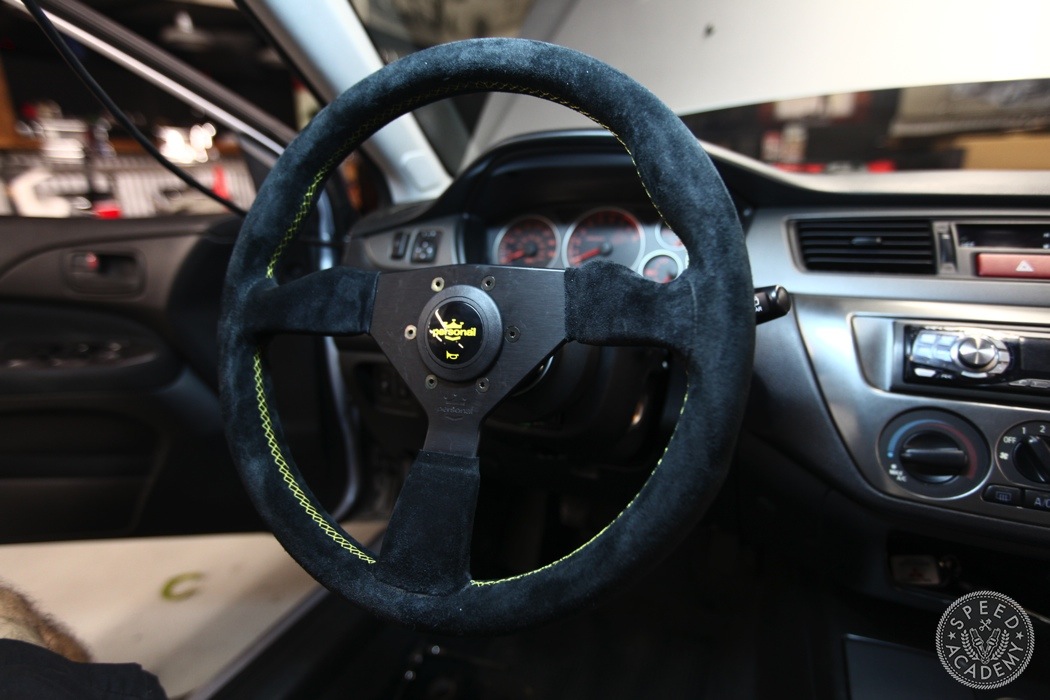
Credit: speed.academy
Legal And Insurance Considerations
Removing a steering wheel airbag can affect your car insurance and may break safety laws in your country. Some areas require cars to have all factory safety features. Check your local regulations before starting. If you’re unsure, speak to your insurance provider or local transport office.
Choosing The Right Aftermarket Steering Wheel
Not all steering wheels are equal. Here are the main factors to compare:
| Feature | Why It Matters | Common Options |
|---|---|---|
| Diameter | Affects steering response and comfort | 320mm, 350mm, 370mm |
| Material | Grip, durability, and style | Leather, suede, wood, polyurethane |
| Dish (depth) | Distance from wheel face to mounting | Flat, 50mm, 90mm |
| Spoke design | Number of spokes and cutouts | 3-spoke, 4-spoke, solid, slotted |
Two often-missed points: First, dish depth changes how far the wheel sits from the dashboard. Too deep, and it may hit your legs; too shallow, and it could feel awkward. Second, check if your car’s controls (cruise, radio, etc.) are on the old wheel. Most aftermarket wheels do not support these, so you might lose functions.
Cost Breakdown: What To Expect
Buying and installing an aftermarket steering wheel involves several costs:
| Item | Average Price (USD) | Notes |
|---|---|---|
| Steering wheel | $60 – $400+ | Brand, material, and style affect price |
| Hub adapter | $40 – $150 | Must fit your car’s make and model |
| Tools | $0 – $100 | If not already owned |
| Professional install | $80 – $200 | Optional, but safer for airbag cars |
Diy Vs. Professional Installation
Installing an aftermarket steering wheel is a satisfying project for many car lovers, but it’s not always the best choice for everyone. Here’s a quick comparison:
| DIY | Professional |
|---|---|
| Cheaper, more control, fun learning experience | Safer for airbag cars, warranty, expert alignment |
| Risk of mistakes, no warranty, time-consuming | Extra cost, less hands-on satisfaction |
Useful Tips For A Smoother Install
- Take photos before removing anything. This helps you remember wire positions.
- Label wires with tape if there are multiple connections.
- Use thread locker on wheel bolts to prevent them from vibrating loose.
- Store removed parts in a bag or box in case you want to reinstall later.
- Test everything (horn, lights, indicators) before driving.
When You Should Not Install Yourself
If you are not comfortable with electrical systems, or if your car has an airbag, it’s safer to let a professional handle the job. Incorrect installation can lead to steering failure, which is very dangerous.
Final Thoughts
Installing a car aftermarket steering wheel can make your car feel more personal and sporty. The process is not extremely difficult, but it does require patience, attention to detail, and an understanding of safety risks—especially with airbags. Always research your specific car model and local laws before starting. If you take your time, use the right tools, and double-check each step, you’ll end up with a great-looking wheel and a new driving experience.
For those who want even more details and professional insights, you can check resources like Wikipedia on Steering Wheels.
Frequently Asked Questions
How Long Does It Take To Install An Aftermarket Steering Wheel?
For most cars, plan for 1 to 2 hours. If you need to remove an airbag or run into issues, it may take longer. Taking your time helps avoid mistakes.
Do I Need A Special Tool To Remove The Steering Wheel?
Usually, a socket wrench and Allen keys are enough. Some cars need a steering wheel puller if the wheel is stuck. This tool is cheap and available at auto parts stores.
Is It Legal To Remove My Airbag For An Aftermarket Wheel?
Laws differ by country and state. In some places, removing a factory airbag is illegal for road use. Always check local rules before starting.
Will I Lose Horn And Audio Controls With An Aftermarket Wheel?
Most aftermarket wheels keep the horn function, but you’ll lose built-in audio or cruise controls unless you use a custom solution. Plan for this before buying.
Can I Reinstall My Stock Wheel Later?
Yes, if you keep all the parts (airbag, bolts, wires), you can put the original wheel back. Make sure nothing is damaged during removal.
Upgrading your steering wheel is one of the most popular and rewarding car modifications. Done right, it can improve both your driving experience and your car’s look for years to come.
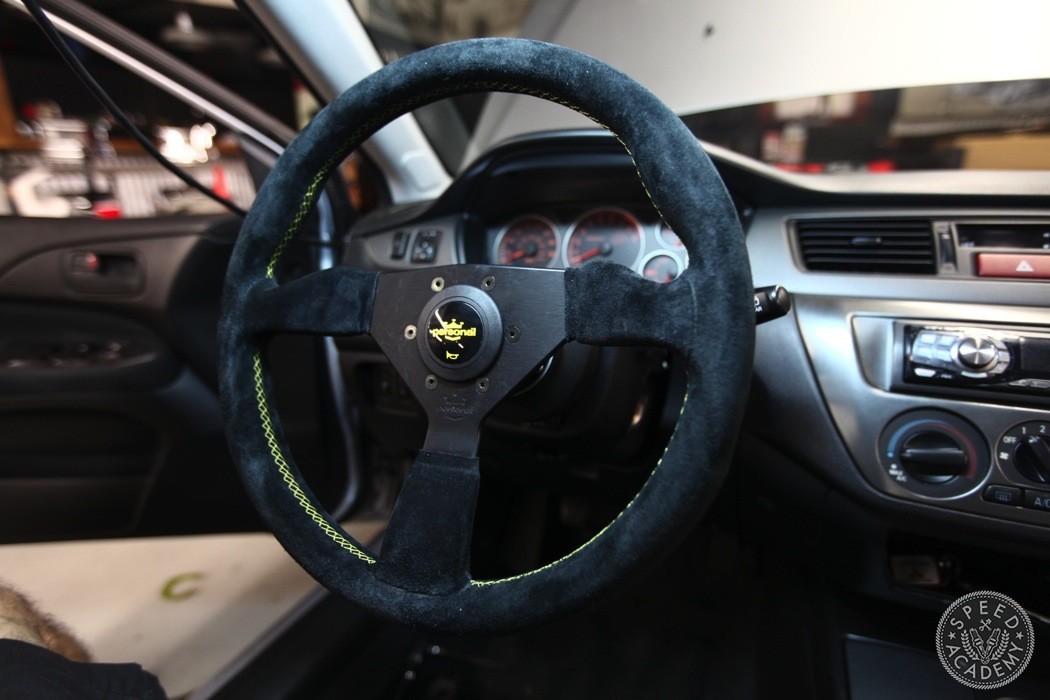
Credit: speed.academy