
Installing a new throttle body can transform your driving experience. A performance throttle body allows your car’s engine to take in more air, improving throttle response and sometimes even adding horsepower. But many drivers are unsure how to install a car performance throttle body, or if it’s a job they can do at home.
With the right tools, clear instructions, and a bit of patience, you can upgrade your throttle body and enjoy better acceleration and power.
This guide will take you through the entire process, step by step. You’ll learn what a throttle body does, how to pick the right one, and the exact installation process. We’ll also cover common mistakes, troubleshooting tips, and answer the most frequent questions.
Whether you’re a DIY car enthusiast or just want to save on mechanic costs, you’ll find practical advice here to do the job safely and efficiently.
What Is A Performance Throttle Body?
A throttle body is a part of your car’s air intake system. It controls how much air goes into the engine. When you press the accelerator, the throttle body opens, letting in more air and creating power.
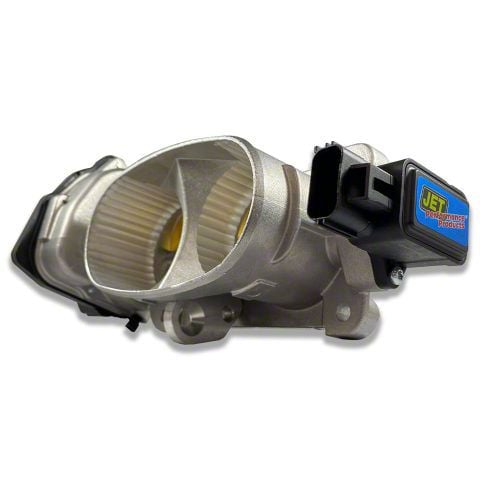
A performance throttle body is an upgraded version. It’s designed with a larger diameter or better airflow features. This means your engine can breathe more easily, especially at higher RPMs. Some benefits include:
- Faster throttle response when you press the gas pedal
- Increased horsepower (usually 5–15 HP on average)
- Smoother acceleration
- Better engine sound
However, the real gains depend on your vehicle, engine modifications, and tune. For naturally aspirated engines, the improvement is noticeable but not dramatic. For turbo or supercharged engines, the benefits can be greater.
Choosing The Right Throttle Body For Your Car
Not every throttle body fits every car. Choosing the right one is critical for performance and reliability. Here’s what you need to consider:
Key Factors To Compare
| Factor | Why It Matters | Common Options |
|---|---|---|
| Diameter | Larger diameters allow more air, but too big can hurt low-end power. | 60mm, 65mm, 70mm, 75mm |
| Mounting Pattern | Must match your intake manifold. | Vehicle/model-specific |
| Drive Type | Some are cable-driven, others are electronic (drive-by-wire). | Manual or electronic |
| Material | Aluminum is light and resists corrosion. | Aluminum, billet aluminum |
| Sensors | Check if the unit includes sensors or if you need to reuse yours. | With or without sensors |
Compatibility
Always check:
- Year, make, and model fitment
- Engine type (for example, 2.0L vs. 3.0L)
- Whether it’s for naturally aspirated or forced induction engines
Manufacturers usually provide a list of compatible vehicles. If you’re unsure, contact the seller or check your car’s service manual.
Budget And Brands
Performance throttle bodies range from $100 to $600+. Popular brands include BBK, Skunk2, Holley, and Edelbrock. For most street cars, a mid-range model is enough.
Non-obvious insight: Bigger is not always better. An oversized throttle body can reduce low RPM torque and even cause rough idle. Choose a size that matches your engine’s airflow needs.
Tools And Materials You’ll Need
Before starting, gather all the necessary tools and parts. This will save you time and frustration.
Basic Tools
- Socket set (metric and/or SAE, depending on your car)
- Ratchet and extensions
- Wrenches
- Screwdrivers (flat and Phillips)
- Torque wrench (for correct bolt tightening)
- Pliers
Additional Materials
- New throttle body gasket (never reuse the old one)
- Brake cleaner or throttle body cleaner
- Clean shop rags
- Gloves and safety glasses
- Replacement sensors (if required)
- Thread locker (optional, for bolts)
Pro tip: Take a photo of your engine bay before removing anything. This helps you remember where each part goes.
Preparing Your Car For Installation
Preparation is essential for safety and a smooth process.
- Park on a flat surface. Use the parking brake.
- Disconnect the negative battery cable. This prevents accidental short circuits and resets the engine computer.
- Wait for the engine to cool. Working on a hot engine can cause burns.
Hidden mistake: Many people forget to depressurize the fuel system if they need to remove fuel lines. Most throttle body replacements don’t require this, but check your car’s setup.

Credit: bbkperformance.com
Removing The Old Throttle Body
Every car is a bit different, but the general process is similar.
- Remove the air intake hose connected to the throttle body. Loosen the clamps and gently pull it off. Set aside.
- Disconnect throttle cables or connectors. For cable-driven types, unhook the cable from the throttle linkage. For electronic types, unplug the wiring harness.
- Disconnect any vacuum hoses attached to the throttle body. Mark or label them for easy reinstallation.
- Remove sensors like the throttle position sensor (TPS) or idle air control valve (IAC) if they’re mounted to the throttle body. Use care to avoid damaging them.
- Unbolt the throttle body. There are usually 3–4 bolts. Remove them and gently pull the throttle body away from the intake manifold.
- Remove the old gasket. Clean the surface on the intake manifold with a rag and cleaner. Make sure it’s free of old gasket material and debris.
Common mistake: Do not drop anything into the open intake manifold. Cover the opening with a clean rag immediately.
Installing The New Performance Throttle Body
Now you’re ready for the main step. Follow these instructions carefully:
- Compare the new and old throttle bodies. Make sure the mounting holes and diameter match.
- Install the new gasket. Some gaskets are one-time use. Place it on the intake manifold, aligning the holes.
- Position the new throttle body. Slide it over the studs or align it with the bolt holes.
- Hand-tighten the bolts. Start all bolts by hand to avoid cross-threading.
- Torque the bolts to spec. Use a torque wrench and follow your car’s service manual specifications (usually 8–12 ft-lbs).
- Reconnect sensors and vacuum hoses. Reinstall the TPS, IAC, and any other sensors. Plug in all connectors.
- Reconnect throttle cables or harness. Make sure cables move smoothly and the electronic harness clicks into place.
- Reinstall the air intake hose. Tighten the clamps securely.
Step-by-step Comparison: Stock Vs. Performance Throttle Body
To help you visualize the main differences:
| Step | Stock Throttle Body | Performance Throttle Body |
|---|---|---|
| Diameter | Usually 55–65mm | 65–75mm or more |
| Material | Cast aluminum | Billet or lightweight alloy |
| Airflow | Standard | Increased |
| Installation | Direct fit | May need sensor swap |
Insight: Some performance throttle bodies require minor modifications or tuning. Always check the instructions.
Credit: www.mcsweeneyarms.ie
Final Checks And Testing
After installation, do these checks before driving:
- Double-check all connections. Make sure everything is tight and secure.
- Reconnect the battery. Attach the negative terminal.
- Cycle the ignition. Turn the key to “on” (without starting) and let the car’s computer reset. This helps the system adapt to the new throttle body.
- Start the engine. Listen for idle problems or air leaks.
- Check for engine codes. If your “Check Engine” light comes on, recheck sensor connections.
- Test drive. Go for a short, gentle drive. Notice throttle response and engine sound.
Non-obvious tip: The engine computer may need time to relearn the new airflow. Idle may be rough at first but usually smooths out after a few drives.
Common Problems And Troubleshooting
Even experienced DIYers sometimes face issues. Here are typical problems and solutions:
- Rough idle or stalling: Check for vacuum leaks or loose sensors. Make sure the gasket is sealed.
- Check engine light: Use an OBD2 scanner to read codes. Often, a loose connector is the cause.
- Poor throttle response: Confirm the throttle cable is adjusted correctly. For electronic types, a computer re-learn may be needed.
- Whistling or hissing sound: Usually an air leak. Re-torque the bolts and check the intake hose.
If problems persist, consult your vehicle’s service manual or seek help from a mechanic.

Credit: www.youtube.com
Should You Tune After Installation?
A common question is whether you need a tune after installing a performance throttle body. For most naturally aspirated engines with a modest size increase, a tune is not required. However, tuning is recommended if:
- You installed a much larger throttle body
- Your car has other modifications (intake, headers, forced induction)
- You want to maximize gains
A custom tune can optimize your air-fuel ratios and throttle response. Some modern vehicles may require a throttle position reset via scan tool.
Safety And Environmental Considerations
Always dispose of old gaskets and cleaning rags properly. Never dump cleaners down the drain. Wear gloves and safety glasses to protect your skin and eyes.
If you’re working in an enclosed space, make sure it’s well ventilated. Avoid breathing in fumes from cleaners.
Real-world Example: Installing On A Honda Civic
Let’s look at a practical example—a 2010 Honda Civic Si:
- Chose a 70mm Skunk2 throttle body, verified for K20 engine.
- Removed intake tube, unplugged electronic connectors.
- Swapped sensors from the old unit to the new one.
- Used a new OEM gasket, torqued bolts to 9 ft-lbs.
- Reconnected battery, started engine, let idle for 10 minutes.
- Noticed improved throttle response and a slightly deeper intake sound.
Takeaway: Always follow the manufacturer’s instructions and torque specs for your specific car.
Cost Vs. Benefit: Is It Worth It?
Upgrading your throttle body is one of the more affordable performance mods. Here’s a quick comparison:
| Upgrade | Average Cost | HP Gain | Skill Level |
|---|---|---|---|
| Performance Throttle Body | $200–$400 | 5–15 HP | Intermediate |
| Cold Air Intake | $150–$350 | 3–10 HP | Beginner |
| Headers | $300–$800 | 10–20 HP | Advanced |
For the price, a throttle body upgrade offers solid value. But the biggest gains come when combined with other mods.
External link: For more technical information, see the Wikipedia throttle body page.
Frequently Asked Questions
What Does A Throttle Body Do?
The throttle body controls the amount of air entering your engine. When you press the accelerator, it opens to let in more air, which mixes with fuel and creates power.
Do I Need Special Tools To Install A Performance Throttle Body?
No special tools are required for most cars. A basic socket set, screwdrivers, and a torque wrench are usually enough. Some cars may need Torx bits or special sensor tools.
Will A Performance Throttle Body Damage My Engine?
When installed correctly and sized properly, a performance throttle body is safe. Problems usually come from improper installation or using the wrong size, which can lead to rough idle or poor performance.
How Long Does Installation Take?
For most cars, 1–2 hours is typical. If you’re new to car work, allow more time for careful removal and cleaning.
Is A Tune Required After Installation?
A tune is not always required, but it can maximize performance. If you notice rough idle or check engine lights, a tune or throttle relearn may help.
Installing a performance throttle body is a rewarding project for any car enthusiast. With careful preparation and the right steps, you can improve your car’s response and enjoy a more engaging drive. Take your time, double-check every connection, and you’ll be back on the road with new power under your right foot.