
Learning basic car maintenance empowers drivers to understand their vehicles better, identify potential issues early, and perform simple upkeep tasks. This foundational knowledge can lead to increased safety, improved vehicle longevity, and significant savings over time. It involves familiarizing yourself with your owner’s manual, understanding common components, and regularly checking essential fluid levels, tire pressure, and lights.
- Understand your owner’s manual as a primary resource.
- Start with simple, visual checks like tires and fluid levels.
- Utilize online tutorials and local workshops for practical learning.
- Recognize dashboard warning lights and their meanings.
- Know when to consult a professional mechanic for complex issues.
Why Basic Car Maintenance Matters for Every Driver

Basic car maintenance is not just for enthusiasts; it is a fundamental skill for every vehicle owner. Regular checks and minor upkeep tasksplay a crucial role in ensuring the safety and reliability of your car. Neglecting these simple steps can lead to unexpected breakdowns, accelerated wear on components, and potentially hazardous driving conditions.
Beyond safety, understanding your car’s basic needs helps in prolonging its lifespan. A well-maintained vehicle operates more efficiently, which can contribute to better fuel economy and reduced emissions. It also allows drivers to catch minor problems before they escalate into major, more involved repairs, saving time and inconvenience.
Getting Started: Essential Tools for Beginners
Embarking on your car maintenance journey does not require a fully stocked professional garage. A few fundamental tools can equip you to perform most basic checks and tasks. Starting with these essentials will build your confidence and capability.
- Owner’s Manual:This is your vehicle’s specific guide, detailing everything from fluid types to maintenance schedules.
- Tire Pressure Gauge:Crucial for maintaining optimal tire pressure, which impactssafety and fuel efficiency.
- Basic Wrench Set and Socket Set:Useful for tightening loose bolts or performing simple part replacements.
- Screwdriver Set:Essential for various tasks, from battery terminals to light fixture access.
- Jumper Cables:A must-have for unexpected battery issues.
- Work Gloves:Protect your hands from grease and grime.
- Flashlight or Headlamp:Illuminates dark areas under the hood or vehicle.
- Funnel:Helps in cleanly adding fluids without spills.
- Shop Rags or Microfiber Cloths:For cleaning up spills and wiping components.
As you gain experience, you might expand your toolkit, but these items provide a solid foundation for a beginner.
Understanding Your Owner’s Manual: Your First Step
Your vehicle’s owner’s manual is an invaluable, often overlooked, resource. It is specifically tailored to your car’s make and model, providing detailed information that generic guides cannot. Before touching any component, dedicate time to reading through relevant sections of this manual.
The manual contains crucial information on recommended fluid types and capacities, tire pressure specifications, maintenance schedules, dashboard warning light explanations, and instructions for basic procedures like changing a tire or checking fluid levels. Familiarizing yourself with its contents will demystify many aspects of your car and provide a reliable reference point for all your maintenance endeavors.
How to Learn Basic Car Maintenance: A Step-by-Step Approach
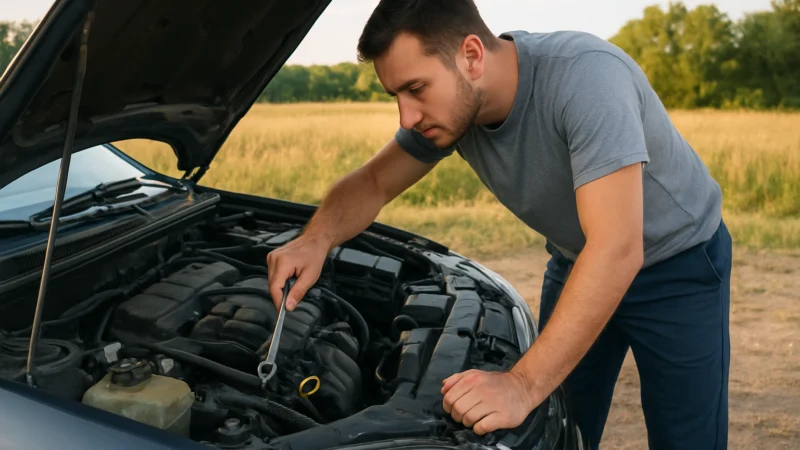
Learning basic car maintenance is a gradual process that combines theoretical knowledge with practical application. Approaching it systematically can make the journey less daunting and more effective.
1. Start with the Basics: Visual Inspections
Begin by simply looking at your car. Walk around it, checking the tires for visible damage or low pressure. Open the hood and observe the layout of components. Identify the battery, fluid reservoirs, and belts. This initial visual familiarity builds a mental map of your vehicle.
2. Read and Understand Your Owner’s Manual
As mentioned, this is your primary textbook. Focus on sections related to routine maintenance, fluid checks, and warning lights. Highlight or bookmark important pages for quick reference.
3. Watch Online Tutorials and Videos
Platforms like YouTube offer a wealth of step-by-step video guides for almost any basic car maintenance task. Search for videos specific to your car’s make and model if possible. Visual demonstrations can clarify procedures that might seem complex in text.
4. Practice Simple Checks Regularly
Start with the easiest tasks: checking tire pressure, inspecting wiper blades, topping off windshield washer fluid, and checking engine oil. The more you perform these, the more comfortable and confident you will become.
5. Attend Local Workshops or Classes
Some auto parts stores, community colleges, or even local mechanics offer free or low-cost workshops on basic car maintenance. These provide hands-on experience and the opportunity to ask questions from experienced professionals.
6. Ask Questions and Learn from Trusted Mechanics
When you take your car in for service, ask your mechanic to explain what they are doing and why. A good mechanic will be happy to educate you. Observe and learn whenever possible.
7. Join Online Forums or Communities
Car enthusiast forums or online communities dedicated to your specific car model can be excellent resources for advice, troubleshooting tips, and shared experiences from other owners.
8. Invest in a Repair Manual (Optional but Recommended)
For those who want to delve deeper, a Haynes or Chilton repair manual specific to your vehicle can offer more detailed diagrams and repair instructions than the owner’s manual.
Key Maintenance Checks You Can Do Yourself
Empower yourself by regularly performing these essential checks. They are straightforward, require minimal tools, and provide crucial insights into your car’s health.
- Check Tire Pressure:Use a reliable gauge to ensure tires are inflated to the manufacturer’s recommended pressure (found on a sticker inside the driver’s door jamb or in the owner’s manual). Proper inflation improves safety, handling, and fuel efficiency.
- Inspect Tire Tread and Condition:Look for uneven wear, bulges, cuts, or embedded objects. Use the ‘penny test’ (insert a penny head-first into a tread groove; if you can see Lincoln’s entire head, your tread is low) to gauge tread depth.
- Check Engine Oil Level:With the engine off and cool, pull out the dipstick, wipe it clean, reinsert it fully, then pull it out again to read the oil level. Ensure it’s between the ‘add’ and ‘full’ marks.
- Check Coolant Level:Locate the coolant reservoir (usually a translucent plastic tank). Ensure the fluid level is between the ‘min’ and ‘max’ lines when the engine is cool. Never open a hot radiator cap.
- Check Brake Fluid Level:The brake fluid reservoir is typically a small, clear container near the master cylinder. The level should be between the ‘min’ and ‘max’ lines. A consistently low level could indicate a leak or worn brake pads.
- Check Power Steering Fluid Level:If your car has hydraulic power steering, locate its reservoir and check the level according to the owner’s manual, usually when the engine is warm.
- Check Windshield Washer Fluid:This is a simple top-off task. Ensure the reservoir is full for clear visibility.
- Inspect Wiper Blades:Look for cracks, tears, or hardened rubber. Replace them if they leave streaks or chatter across the windshield.
- Test All Lights:Have a friend help you check headlights (high and low beams), turn signals, brake lights, and reverse lights. Replace any burnt-out bulbs promptly.
- Listen for Unusual Noises:Pay attention to new squeaks, grinding, clunks, or hisses. These can be early indicators of problems.
Decoding Your Dashboard Warning Lights
Your car’s dashboard is a communication hub, and its warning lights are critical messages. Understanding what each light signifies is a vital part of basic car maintenance. These lights are designed to alert you to potential issues, ranging from minor inconveniences to serious mechanical failures.
- Check Engine Light:Often yellow or amber, this light can indicate a wide range of issues, from a loose gas cap to a serious engine problem. It requires attention, often professional diagnosis.
- Oil Pressure Warning Light:Typically red, this indicates low oil pressure. If this light comes on, pull over safely and shut off the engine immediately to prevent severe damage.
- Battery/Charging System Warning Light:Usually red, this means there’s an issue with your car’s charging system, possibly a failing alternator or battery.
- Brake Warning Light:This red light can indicate low brake fluid, a problem with the braking system, or that the parking brake is engaged.
- Tire Pressure Monitoring System (TPMS) Light:A yellow light shaped like a flat tire with an exclamation mark, indicating one or more tires have significantly low pressure.
- ABS Warning Light:A yellow light showing ‘ABS’ indicates a problem with the Anti-lock Braking System. Your regular brakes will still work, but the ABS feature might not.
- Coolant Temperature Warning Light:Often red, this indicates the engine is overheating. Pull over safely and shut off the engine to prevent damage.
Always consult your owner’s manual for the exact meaning of each light specific to your vehicle. Ignoring these warnings can lead to costly repairs or dangerous situations.
When to Seek Professional Help: Knowing Your Limits
While learning basic car maintenance is empowering, it is equally important to recognize when a task exceeds your skill level or requires specialized tools. Attempting complex repairs without proper knowledge can lead to further damage, compromise safety, or even void warranties.
You should seek professional help for tasks involving:
- Engine Diagnostics:When the check engine light illuminates, a professional scan tool is often needed to pinpoint the exact issue.
- Brake System Repairs:Beyond checking fluid levels, brake pad replacement, rotor servicing, or hydraulic system work requires precision and specialized knowledge for safety.
- Transmission Issues:Any problems with shifting, fluid leaks, or unusual noises from the transmission should be handled by an expert.
- Complex Electrical Problems:Modern cars have intricate electrical systems. Diagnosing and repairing electrical faults often requires specialized diagnostic equipment.
- Suspension and Steering Components:These systems are critical for vehicle control and safety. Repairs here should be left to professionals.
- Timing Belt/Chain Replacement:A critical engine component, incorrect installation can cause catastrophic engine failure.
- Air Conditioning System:AC systems contain refrigerants that require special handling and equipment for repair.
A trusted mechanic can provide expert diagnosis and repair, ensuring your vehicle remains safe and reliable. Do not hesitate to consult them when in doubt.
Resources for Continued Learning and Practice
The journey of learning car maintenance is ongoing. Fortunately, numerous resources are available to help you deepen your knowledge and hone your practical skills.
- Automotive Forums and Online Communities:Websites like Reddit’s r/MechanicAdvice or forums dedicated to specific car brands offer a platform to ask questions, share experiences, and learn from a vast community of enthusiasts and professionals.
- YouTube Channels:Many channels specialize in DIY car repair and maintenance, providing visual, step-by-step guides. Look for channels with clear explanations and good production quality.
- Local Auto Parts Stores:Staff at these stores often possess a wealth of knowledge and can offer advice on specific parts or procedures. Some even host free clinics or workshops.
- Community Colleges and Vocational Schools:Many institutions offer introductory automotive courses that provide hands-on training in a structured environment.
- Repair Manuals (Haynes, Chilton):These detailed manuals provide comprehensive instructions, diagrams, and troubleshooting guides specific to your vehicle’s make and model.
- Trusted Mechanics:Build a relationship with a reputable mechanic. They can be a valuable source of information and guidance, explaining repairs and offering tips for preventative maintenance.
- Automotive Magazines and Blogs:Publications and online blogs often feature articles on maintenance tips, new technologies, and common car problems.
Consistent engagement with these resources will solidify your understanding and build your confidence in managing your vehicle’s upkeep.
Common Car Maintenance Myths Debunked
Misinformation can sometimes hinder effective car maintenance. Separating fact from fiction is crucial for making informed decisions about your vehicle’s care.
- Myth: You must change your oil every 3,000 miles.
Fact:Modern synthetic oils and engine technologies oftenallow for much longer oil change intervals, typically 5,000 to 10,000 miles, or even more. Always follow your owner’s manual’s recommendations. - Myth: You never need to change transmission fluid.
Fact:Transmission fluid, like engine oil, degrades over time and needs to be changed according to your manufacturer’s schedule. Neglecting this can lead to costly transmission failure. - Myth: Premium fuel is always better for your car.
Fact:Unless your owner’s manual specifically recommends or requires premium fuel, using it in a car designed for regular unleaded offers no performance benefits and is simply a waste. - Myth: You should ‘warm up’ your car for several minutes before driving.
Fact:Modern engines are designed to be driven shortly after starting. Excessive idling wastes fuel and can even be detrimental to the engine. A minute or two is usually sufficient before driving gently. - Myth: You can ignore the ‘Check Engine’ light if the car seems to be running fine.
Fact:The ‘Check Engine’ light indicates an issue that needs attention. While it might be minor, ignoring it can lead to more significant problems, reduced fuel efficiency, or increased emissions over time.
Always rely on your owner’s manual and trusted automotive professionals for accurate information.
Making Car Maintenance a Regular Habit
The most effective way to benefit from basic car maintenance is to integrate it into your routine. Consistency is key to preventing problems and ensuring your vehicle remains in optimal condition.
Establish a regular schedule for checks. For instance, check tire pressure weekly, fluid levels monthly, and perform a more comprehensive visual inspection every few months. Keep a log of your maintenance activities, noting dates and mileage for oil changes, tire rotations, and other services. This record helps you track your car’s history and anticipate future needs.
By making maintenance a habit, you develop a deeper understanding of your vehicle, become more attuned to its sounds and feel, and can proactively address issues before they become emergencies. This proactive approach not only saves money but also provides peace of mind on the road.
Frequently Asked Questions
What is the easiest way to learn basic car maintenance?
The easiest way to begin learning basic car maintenance is by thoroughly reading your car’s owner’s manual and then watching online video tutorials for simple tasks. Start with visual inspections and basic checks like tire pressure and fluid levels, gradually building your confidence and knowledge.
How long does it take to learn basic car maintenance?
Learning basic car maintenance is an ongoing process rather than a fixed timeframe. You can grasp fundamental checks and concepts within a few weeks of dedicated effort, but true proficiency and a deeper understanding develop over months and years of consistent practice and learning.
What are the most important basic car maintenance tasks to know?
The most important basic car maintenance tasks include regularly checking tire pressure and tread, inspecting fluid levels (engine oil, coolant, brake fluid, windshield washer fluid), testing all lights, and listening for unusual noises. These checks help identify potential issues early and ensure safe operation.
Can I really save money by learning basic car maintenance?
Yes, absolutely. By learning basic car maintenance, you can save money by performing simple tasks yourself, avoiding unnecessary professional services, and catching minor issues before they escalate into costly repairs. Proactive maintenance also improves fuel efficiency and extends your vehicle’s lifespan.
Where can I find reliable resources to learn basic car maintenance?
Reliable resources for learning basic car maintenance include your vehicle’s owner’s manual, reputable automotive YouTube channels, local auto parts stores offering workshops, community college automotive courses, and detailed repair manuals like Haynes or Chilton guides specific to your car.
What tools do I need to start learning basic car maintenance?
To start learning basic car maintenance, you’ll need a tire pressure gauge, a basic wrench and socket set, a screwdriver set, jumper cables, work gloves, a flashlight, a funnel, and shop rags. These tools will enable you to perform most common checks and simple tasks.
Conclusion
Learning basic car maintenance is an invaluable skill that empowers every driver to take control of their vehicle’s health and safety. By understanding your owner’s manual, performing regular checks, and knowing when to seek professional help, you can significantly extend your car’s lifespan and ensure reliable performance. Embrace the journey of continuous learning, and you will gain confidence and peace of mind on every drive.