
Replacing a car exhaust flange gasket might sound intimidating, but with the right approach, you can tackle it even if you have limited mechanical experience. This small but vital component sits between exhaust sections, helping prevent leaks and keeping your car running quietly and efficiently.
If you’ve noticed a loud exhaust noise, a ticking sound under your car, or even a smell of exhaust fumes, a faulty flange gasket could be the cause. Replacing it not only restores your car’s performance but also keeps you safe from harmful gases.
Let’s explore everything you need to know to replace a car exhaust flange gasket—from identifying the problem to completing the job with confidence.
What Is An Exhaust Flange Gasket And Why Does It Matter?
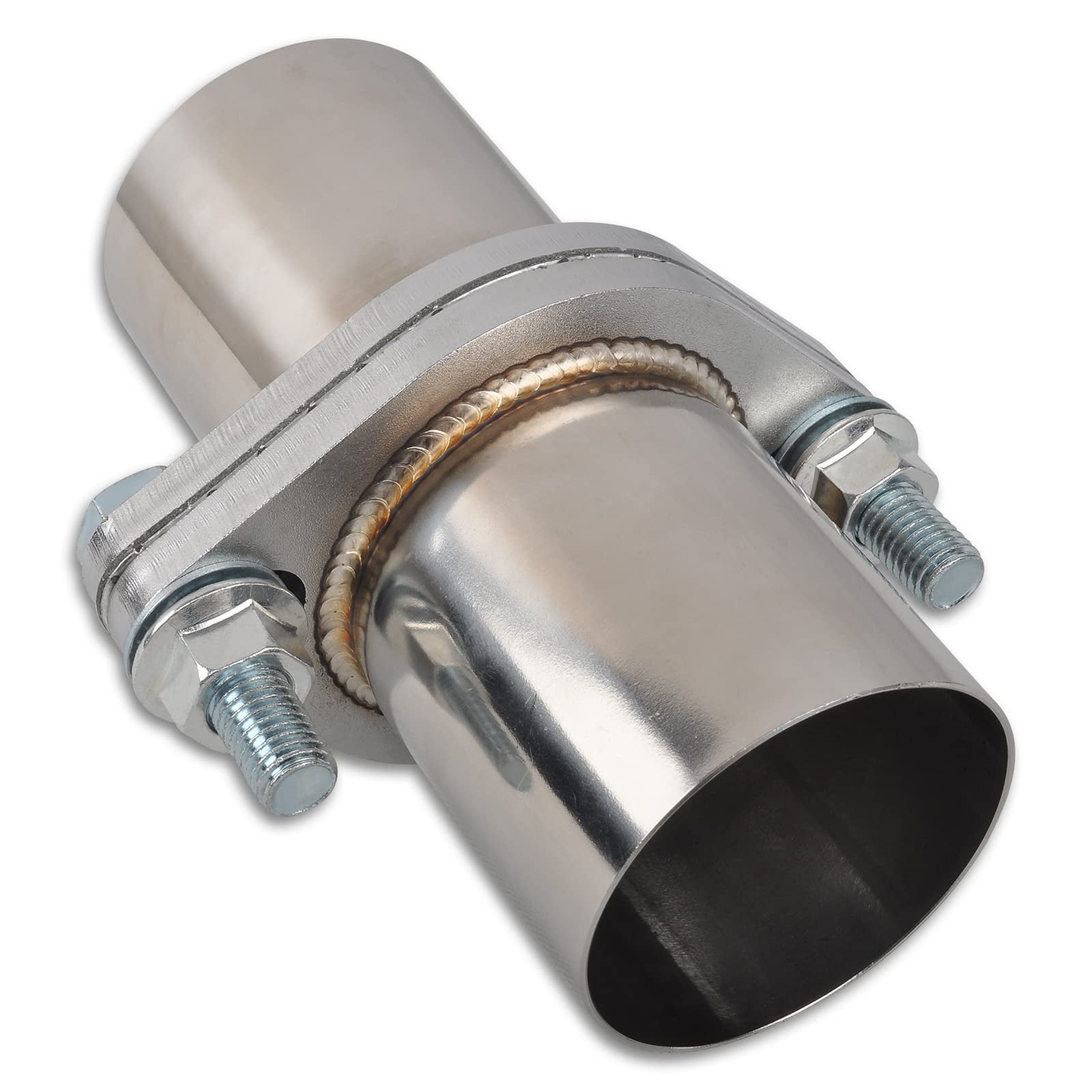
The exhaust flange gasket forms a tight seal between two sections of your car’s exhaust system. Made from materials like graphite, steel, or composite blends, it keeps exhaust gases from escaping at the joints. Over time, heat, moisture, and road salt can wear the gasket down, leading to leaks. Even a small leak can make your car noisier and reduce engine efficiency. More importantly, leaking exhaust gases—especially carbon monoxide—can be dangerous.
A good flange gasket:
- Reduces exhaust noise
- Prevents gas leaks under the car
- Helps maintain fuel efficiency
- Supports emission control
Ignoring a leaking gasket can lead to bigger problems, including damage to sensors and other exhaust parts.
Signs Your Exhaust Flange Gasket Needs Replacement
Before you start, it’s important to confirm the gasket is the problem. Here are some clear signs:
- Loud ticking or hissing noise: Often heard when starting the engine or accelerating.
- Visible exhaust leak: You may see fumes or feel air escaping around the flange.
- Strong smell of exhaust: Especially inside the car, which can be dangerous.
- Poor fuel economy: A leaking exhaust can trick your engine sensors.
- Check engine light: Sometimes triggered by exhaust leaks near sensors.
If you notice these symptoms, it’s time to check the exhaust flange gasket closely.

Credit: www.youtube.com
Tools And Materials Needed
You don’t need a mechanic’s garage to replace a flange gasket, but having the right tools makes the job easier and safer. Here’s what you’ll need:
- Replacement exhaust flange gasket (specific to your car)
- Ratchet and socket set
- Wrenches (box or open-end)
- Breaker bar (for stubborn bolts)
- Penetrating oil (like WD-40)
- Wire brush
- Car jack and jack stands (never rely on the jack alone)
- Safety glasses and gloves
- Torque wrench (recommended)
- Exhaust bolts/nuts (optional, but old ones often break or rust)
- Exhaust sealant (only if specified by the manufacturer)
Many beginners miss the importance of penetrating oil and a breaker bar—these help with rusty bolts, which are common in exhaust work.
Safety First: Preparing For The Job
Never start working on a hot exhaust system. The entire area gets extremely hot and stays that way for a long time after driving. Let the car cool for at least an hour. Park on a flat surface and use jack stands for safety. Wheel chocks behind the rear tires can prevent rolling.
Comparing Jack And Jack Stand Safety
Here’s a simple comparison of two lifting methods:
| Method | Safety | Suitable For |
|---|---|---|
| Car Jack Only | Poor | Temporary lifting, never for working underneath |
| Jack + Jack Stands | Excellent | Working safely under the car |
Always use jack stands when working under your vehicle.
Step-by-step Guide: Replacing The Exhaust Flange Gasket
Now, let’s get to the actual process. Take your time, and don’t rush. A careful job means a better seal and fewer problems later.
1. Locate The Exhaust Flange
Find the exhaust flange that connects two sections of the exhaust system. This is usually between the front pipe and the catalytic converter or at the joint between the muffler and mid-pipe. Look for a metal plate with bolts holding two pipes together.
2. Apply Penetrating Oil
Exhaust bolts are often rusty and stubborn. Spray penetrating oil generously on all bolts and nuts at the flange. Let it soak for at least 10–15 minutes. This step can save you from broken bolts and major headaches.
3. Loosen And Remove Bolts
Use a socket set or wrenches to loosen the bolts. If the bolts are stuck, try a breaker bar for more leverage. In extreme cases, you may need to use heat (like a propane torch), but for most home mechanics, patience with penetrating oil works.
Tip: If a bolt breaks, don’t panic. You can usually drill it out or use a bolt extractor, though this adds time.
4. Separate The Exhaust Flange
Once the bolts are out, gently wiggle and pull the two sections apart. Be careful—exhaust pipes can be heavy and may drop suddenly. Support both sides to avoid stress on the rest of the system.
5. Remove The Old Gasket
Take out the old gasket. Sometimes it sticks and needs a light tap with a hammer or prying with a flathead screwdriver. Clean both flange surfaces with a wire brush to remove old gasket material, rust, and debris. The cleaner the surface, the better the new gasket will seal.
6. Install The New Gasket
Place the new exhaust flange gasket between the two flanges, lining up the bolt holes. Make sure it sits flat, with no gaps. Some gaskets have a top or front side—check the packaging or markings.
If the manufacturer recommends, apply a thin bead of exhaust sealant. Most modern gaskets seal well without extra sealant, but always follow your car’s manual.
7. Reassemble And Tighten Bolts
Push the exhaust sections back together, sandwiching the gasket in place. Insert the bolts and nuts. Tighten them evenly, alternating from one side to the other to create a uniform seal.
If you have a torque wrench, tighten the bolts to the manufacturer’s specs. Overtightening can crush the gasket; undertightening can lead to leaks.
8. Check For Leaks
Start your engine and listen for any hissing or ticking near the flange. Feel (carefully, from a safe distance) for escaping exhaust gases. If you detect a leak, tighten the bolts a bit more.
Typical Time Required
Replacing a flange gasket usually takes 1–2 hours for most people, depending on rust and bolt condition.
Choosing The Right Replacement Gasket
Not all exhaust gaskets are the same. Using the wrong one can lead to leaks or quick failure. Here’s what to consider:
- Fit and shape: Gaskets are car-specific. Always check your make, model, and year.
- Material: Some gaskets are metal, others are composite or graphite. Match the type used by your car or recommended by the manufacturer.
- Heat resistance: Cheap gaskets may not last long in high-heat areas near the engine.
- Aftermarket vs. OEM: OEM (original equipment manufacturer) gaskets usually guarantee the best fit but may cost more.
Here’s a quick comparison of common gasket materials:
| Material | Durability | Heat Resistance | Cost |
|---|---|---|---|
| Graphite | Good | High | Moderate |
| Steel | Excellent | Very High | High |
| Composite | Average | Moderate | Low |
Many beginners miss that using an incorrect material can cause early gasket failure.
Practical Tips For Success
Even if you follow every step, there are a few extra things that can make the job easier:
- Take photos before disassembly, especially if it’s your first time.
- Replace bolts and nuts if they are rusty or damaged. Old hardware can fail soon after.
- Support the exhaust so you don’t strain other joints or break hangers.
- Never use regular silicone sealant. Only use products labeled for exhaust systems.
- Check for other leaks: If one gasket failed, others may be close to failing.
When To Call A Professional
While this job is very doable for most DIYers, sometimes it’s best to get help:
- Severely rusted bolts or flanges: May need cutting, welding, or specialized tools.
- Flange damage: If the metal flange itself is warped or cracked, it will not seal with a new gasket alone.
- Lack of safe lifting equipment: Never work under a car supported only by a jack.
A professional can usually complete this repair quickly, especially if complications arise.
Credit: exeterarms.co.uk
Cost Breakdown: Diy Vs. Professional
How much will this repair cost? Here’s a typical breakdown:
| Option | Parts Cost | Labor Cost | Total Cost |
|---|---|---|---|
| DIY | $5–$30 | $0 | $5–$30 |
| Professional | $10–$40 | $80–$150 | $90–$190 |
By doing it yourself, you save a significant amount, especially on labor.
What Can Go Wrong? Common Mistakes To Avoid
Even careful DIYers can make mistakes. Here are some pitfalls and how to avoid them:
- Forgetting to clean the flange surfaces: Dirt or rust here causes poor sealing.
- Overtightening bolts: Can crush the gasket or break bolts.
- Using the wrong gasket: Double-check the shape and material before installing.
- Skipping safety steps: Never get under a car without jack stands.
- Not checking for leaks: Always inspect your work before driving.
If you’re unsure, there are excellent guides and videos from trusted sources like Haynes Manuals.

Credit: www.ilcs.org
Frequently Asked Questions
What Happens If I Drive With A Leaking Exhaust Flange Gasket?
A leaking gasket lets exhaust gases escape under your car. This creates loud noise, reduces efficiency, and can even allow dangerous fumes into the cabin. Over time, it can damage other exhaust parts and sensors.
How Do I Know Which Gasket To Buy For My Car?
Check your car’s make, model, year, and engine type. Most auto parts stores can look up the correct part. If unsure, remove the old gasket and match it to the new one before installing.
Can I Use Exhaust Paste Or Sealant Instead Of A Gasket?
No. Exhaust paste is sometimes used for sealing joints, but it cannot replace a gasket. Always use the correct gasket for a reliable seal. Use sealant only if recommended by the manufacturer.
Do I Need To Replace The Bolts When Changing The Gasket?
It’s a good idea, especially if the bolts are rusty or damaged. Old bolts can break or loosen, causing leaks. Many gasket kits come with new hardware.
Is It Safe To Drive If I Hear A Ticking Sound From My Exhaust?
A ticking sound often means an exhaust leak. While you might not break down immediately, you risk inhaling fumes and causing more damage. It’s best to fix the problem as soon as possible.
Replacing your car’s exhaust flange gasket is a manageable job that saves money and restores your car’s quiet, efficient operation. With careful preparation, the right tools, and attention to detail, you can handle this repair confidently—even if it’s your first time working under your car.
Remember, safety comes first, and double-check your work before hitting the road.