
A car’s air conditioning (AC) system is not just about keeping you cool on hot days. It also helps remove moisture from the air inside your vehicle. But what happens when you find water pooling on the passenger-side floor or notice a damp smell in your car? One common cause is a clogged AC drain. This tiny tube is easy to forget, but when blocked, it can lead to bigger problems like mold, bad smells, and even damage to electrical systems. The good news: unclogging a car AC drain is something you can often do yourself, even with basic tools.
This guide will walk you through the complete process. You’ll learn how to spot the signs of a clog, why it happens, and—step by step—how to clear it. Along the way, you’ll discover practical tips, what tools you really need, and common mistakes to avoid.
By the end, you’ll have the confidence and knowledge to handle this problem and keep your car’s interior dry and fresh.
What Is A Car Ac Drain And Why Does It Clog?
The car AC drain (sometimes called the evaporator drain or condensate drain) is a small tube located under your vehicle, usually on the passenger side. Its job is simple: carry water (condensation) from the AC evaporator out of your car. On a humid day, this can be as much as 1-2 liters per hour!
But this drain is narrow. Over time, it can get blocked by:
- Dirt and debris from the road or engine bay
- Mold and algae growth inside the tube (especially if you rarely use the AC)
- Leaves or twigs entering through the cowl or air intake
When the drain is blocked, water collects under the dash and often soaks the passenger-side floor. If left too long, it can cause rust, electrical faults, or even air quality issues from mold.
Signs Your Car Ac Drain Is Clogged
Before you grab your tools, make sure a clogged drain really is the cause. Here are the most common symptoms:
- Water on the passenger-side floor – Often the first thing people notice, especially after running the AC.
- Damp, musty smell – Stagnant water breeds bacteria and mold, leading to a bad odor.
- No water dripping under the car – Normally, you should see water dripping under the engine bay after using the AC.
- Foggy windows – Moisture inside the car can make windows fog up quickly.
- Unusual noises from the dashboard – Sometimes, you may hear sloshing water when turning or braking.
Tip: Don’t confuse a clogged AC drain with a leaking heater core. If the fluid smells sweet or you’re losing coolant, get a mechanic to check your car.
Credit: lonadiersmobiledetailing.com
Tools And Materials Needed
You don’t need a full workshop to clear a car AC drain. Here’s what helps:
- Protective gloves (to keep your hands clean)
- Flashlight (to find the drain tube)
- Flexible wire (like a zip tie or coat hanger, but not too sharp)
- Wet/dry vacuum (optional, for strong suction)
- Screwdriver (sometimes needed to remove panels)
- Rags or towels (to catch spills)
- Safety glasses (if working under the car)
- Mild disinfectant spray (optional, to clean mold)
Some people use compressed air, but be careful—it can blow debris deeper into the system if not used correctly.
Step-by-step: How To Unclog A Car Ac Drain
Unclogging the drain is not difficult, but you need to work carefully. Here’s a step-by-step approach that works for most cars:
1. Locate The Ac Drain Tube
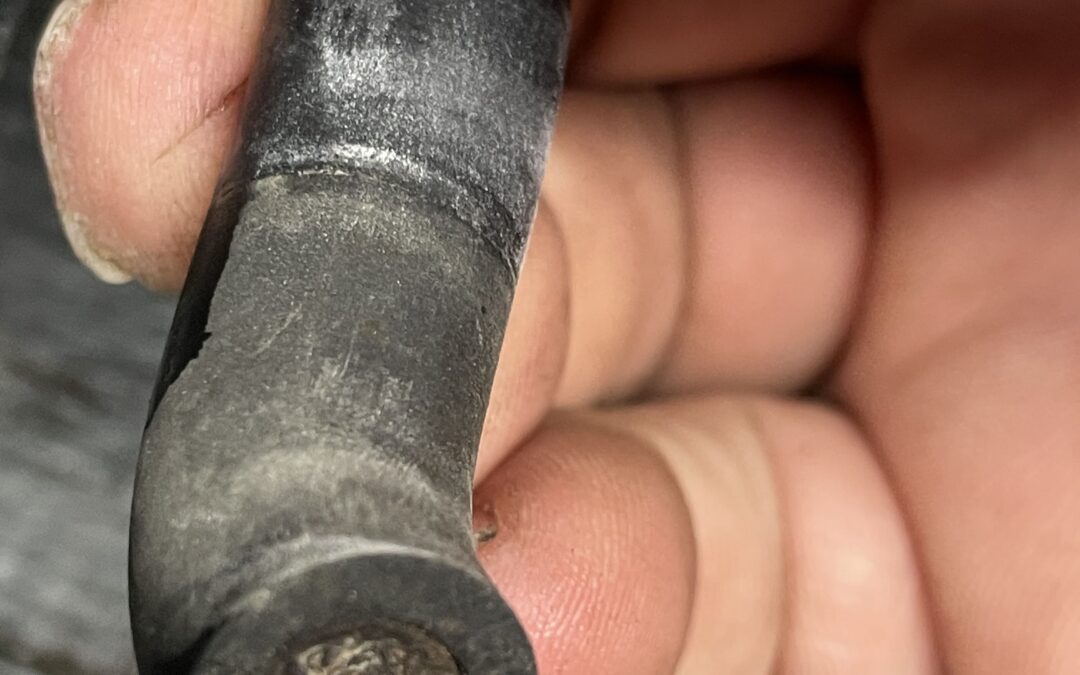
Most cars have the AC drain tube sticking out under the engine bay, passenger side. It’s usually a short, rubber hose about the width of a pencil.
- Use your flashlight to look under the car, roughly below where the dash ends.
- If you can’t find it, check your car’s manual or search online for your specific model.
Non-obvious tip: Some cars have a plastic splash shield you must move aside first.
2. Check For Visible Blockage
Before poking inside, see if you spot any leaves, dirt, or gunk at the mouth of the tube.
- Pull out any debris you can reach with your fingers or tweezers.
- Wipe the tube’s end with a rag.
3. Insert The Flexible Wire Or Zip Tie
Gently slide your wire or zip tie into the tube. Push slowly until you feel resistance—this is the clog.
- Twist gently to break up the blockage.
- Move in and out a few times, but do not force or use a sharp object, which can damage the tube.
4. Flush The Drain
If you have a wet/dry vacuum:
- Fit the hose around the end of the drain tube and create a good seal (you can use a rag to close gaps).
- Turn on the vacuum for 30-60 seconds. This can suck out stubborn clogs.
Or, pour a small amount of warm water (not boiling) into the evaporator box from inside the car (if accessible), then repeat with the wire to clear out loosened debris.
5. Check For Water Flow
After clearing, run the AC for a few minutes and watch under the car.
- You should see water dripping from the drain tube.
- If not, repeat the cleaning steps.
Pro insight: Sometimes, clogs are further inside the evaporator housing. If you still don’t get water flow, it may need professional attention.
6. Clean Up And Disinfect
Dry any wet carpet with rags or a portable fan. If there was a musty smell, spray a mild disinfectant into the vent area and on the carpet.
Data point: Mold can start growing in as little as 24 hours in a damp car. Disinfecting prevents this.

Credit: www.youtube.com
How Long Does It Take To Unclog?
For most cars, the actual process takes 15–30 minutes once you have the tools. Finding the drain tube sometimes takes longer than clearing the clog!
Here’s a quick comparison of DIY vs. professional service:
| Method | Time Required | Cost | Success Rate |
|---|---|---|---|
| DIY Unclogging | 15–30 minutes | Under $10 | High (if clog is near the tube end) |
| Professional Mechanic | 1–2 hours (including wait) | $75–$150 | Very high (can access deeper clogs) |
Common Mistakes To Avoid
Even though unclogging an AC drain is simple, there are some common errors:
- Using sharp objects – Don’t use metal coat hangers or screwdrivers, which can puncture the drain tube.
- Forcing the wire – If you push too hard, you may damage the evaporator housing.
- Skipping cleanup – Leaving wet carpet invites mold and electrical trouble.
- Ignoring underlying causes – If your car keeps clogging, check for debris in the cowl or cabin air filter.
- Using chemicals – Strong cleaners can damage rubber or plastic parts. Stick with water or mild disinfectants.
Pro tip: If you’re not sure where the water is coming from, get a mechanic to double-check. Water leaks can sometimes come from windshields, door seals, or heater cores.
Preventing Future Ac Drain Clogs
Prevention is always easier than fixing a problem. Here’s how you can keep your car’s AC drain clear:
- Run your AC regularly – Even in winter, run the AC for 5–10 minutes once a week to keep the system dry and prevent mold.
- Keep the cowl area clean – Leaves and dirt near the windshield can get sucked into the AC system.
- Replace the cabin air filter every 12,000–15,000 miles.
- Park away from trees when possible to avoid dropping debris.
- Check for water dripping after using the AC. No drips often mean a clog.
Non-obvious insight: Some cars have a design flaw where the AC drain faces toward the wind. If you keep having problems, ask a mechanic if a drain tube extension is available for your model.
When To See A Mechanic
Most AC drain clogs can be fixed at home. But seek professional help if:
- You can’t find the drain tube
- The clog keeps returning
- Water is also leaking when the AC is off
- The carpet stays wet after cleaning
- You smell coolant or see oily residue (may indicate a heater core leak)
Mechanics have special tools (like flexible borescopes) to look inside the evaporator box and can clear deeper blockages safely.
Example: Unclogging A Honda Civic Ac Drain
Let’s look at a real-world example. The Honda Civic (2012–2018) often gets a clogged AC drain due to leaves entering through the cowl.
Steps:
- Jack up the car for better access (use jack stands for safety).
- Locate the short rubber drain tube on the passenger side firewall.
- Use a zip tie to gently clear the clog.
- Test by running the AC—water should drip onto the ground.
Result: Owners report musty smells disappear and carpets dry out within a day.
Comparing Ac Drain Location In Popular Cars
Where the drain tube exits can vary between models. Here’s a brief comparison:
| Car Model | Drain Tube Location | Access Difficulty |
|---|---|---|
| Toyota Camry | Passenger side firewall, low | Easy |
| Ford F-150 | Behind transmission bell housing | Moderate |
| Honda Civic | Passenger side underbody | Easy |
| Chevrolet Malibu | Firewall, under heat shield | Hard |
Tip: Always check your owner’s manual or a trusted car forum for your specific model.

Credit: www.matthewsvolvosite.com
Additional Tips For A Dry, Fresh Car
- Use a portable dehumidifier if your car stays damp after a clog.
- Check floor mats for trapped water, which can hide under rubber mats.
- Leave windows slightly open (if safe) in a dry garage to air out the car after a water leak.
For more detailed technical information on automotive AC systems, the Wikipedia page on Automobile Air Conditioning provides a deep dive into the science and mechanics.
Frequently Asked Questions
Why Does My Car Ac Drain Clog So Often?
The most common reasons are debris from leaves, road dirt, and mold/algae growth inside the tube. Parking under trees or not running the AC regularly can increase the risk of clogs.
Can I Use Compressed Air To Clear The Ac Drain?
Yes, but use caution. Compressed air can push debris further inside if not directed properly. Always blow air gently and from the tube’s end, not into the evaporator box.
Is It Safe To Pour Bleach Or Strong Cleaners Into The Ac Drain?
No. Strong chemicals can damage rubber and plastic parts in the AC system. Use only warm water or a mild disinfectant if needed.
What If My Car Keeps Getting A Clogged Ac Drain?
If clogs return often, check for a design flaw or blocked cowl area. Some cars need a drain tube extension or regular cleaning of the air intake area.
Is Water On The Floor Always From The Ac Drain?
Not always. Other causes include a leaking heater core, blocked sunroof drain, or door seal leak. If the water smells sweet or you see coolant levels dropping, have a mechanic check your car.
Unclogging your car’s AC drain is a simple task that can save you money and trouble down the road. With the right steps, you can keep your car dry, fresh, and free of hidden water damage.