
Working near a car engine fan can be dangerous, even for experienced mechanics. The fan spins very fast and is often hidden under covers, making it easy to forget how risky it is. Many people think they are safe if the engine is off, but fans can start unexpectedly or keep spinning after the engine stops.
This guide gives you clear, practical safety tips for working near a car engine fan, so you can protect your hands, tools, and even your life.
Why Car Engine Fans Are Dangerous
Car engine fans are not just another part under the hood. They move air to cool the engine and can spin at thousands of revolutions per minute (RPM). Even the lightest touch from a spinning fan blade can cause deep cuts, broken fingers, or worse. Some modern cars have electric fans that switch on automatically, without warning, even if the key is not in the ignition. This hidden danger surprises many people.
Real-world example: In the U.S., emergency rooms treat thousands of injuries every year from working on cars. A large number of these involve hands or fingers caught in moving engine parts. The fan is one of the main culprits.
Understanding Different Types Of Engine Fans
Before you get close to any fan, know what you’re dealing with. Not all fans work the same way.
| Fan Type | How It’s Powered | Common in | Risk Level |
|---|---|---|---|
| Belt-driven Fan | Connected to engine belt | Older cars, trucks | High (spins when engine runs) |
| Electric Fan | Runs on electric motor | Modern cars | Very High (can start anytime) |
| Hydraulic Fan | Uses hydraulic fluid | Some SUVs, luxury models | Moderate (controlled by sensors) |
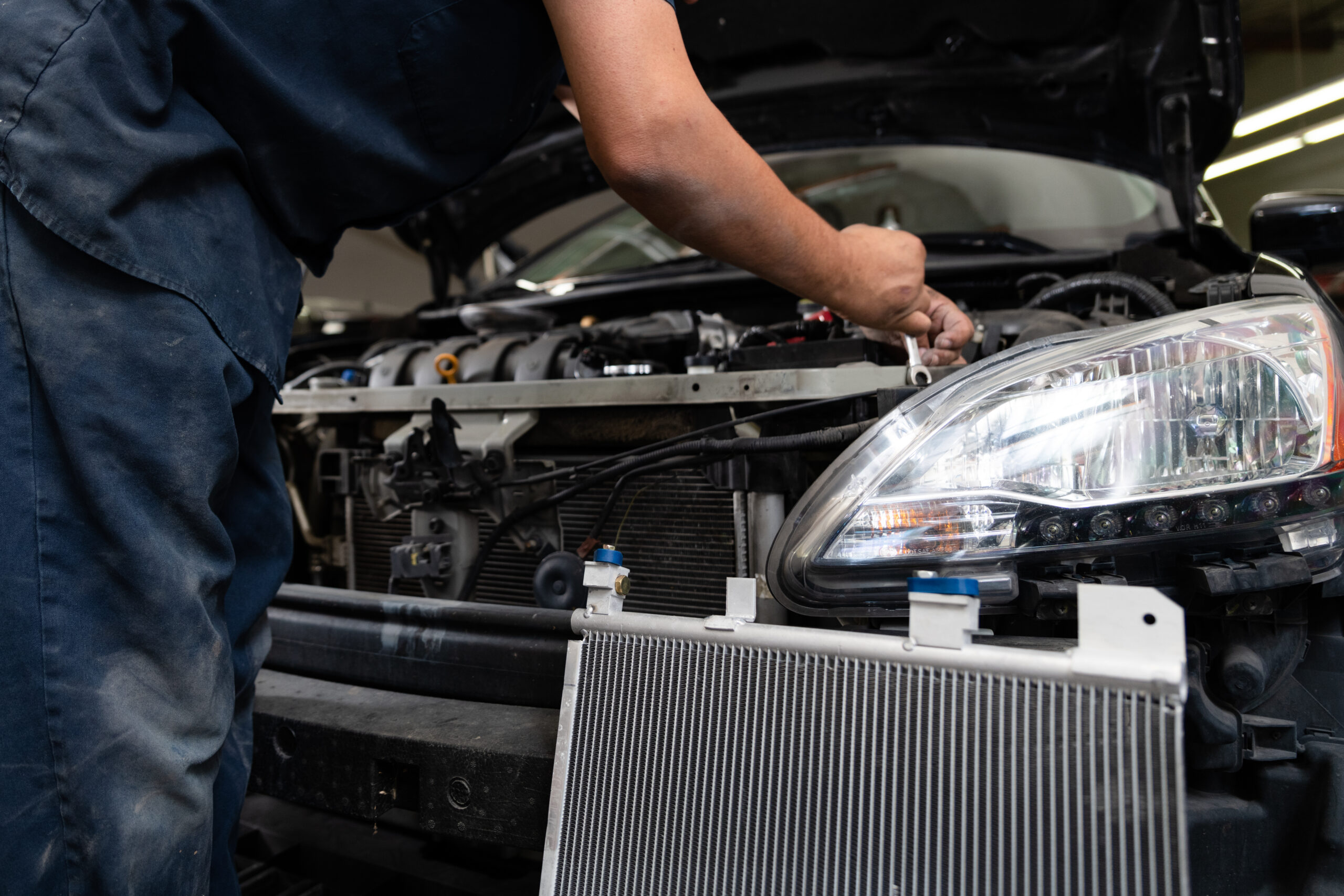
Key point: Electric fans are especially risky because they do not follow the engine on/off cycle. They can start while you’re still working.
Credit: www.autozone.com
Essential Safety Tips For Working Near Car Engine Fans
1. Turn Off The Engine And Remove The Key
Always start with the basics. Shut off the engine and take the key out of the ignition. For cars with push-button start, make sure the car is fully off and the key fob is far from the vehicle. This prevents accidental starts.
2. Disconnect The Battery
For extra safety, disconnect the negative battery terminal before working. This step is especially important with electric fans, which can switch on if sensors detect heat. Use insulated tools and remember to remove the negative (-) cable first.
3. Wait For The Fan To Stop
After turning off the engine, do not reach in right away. Some fans keep spinning for a few seconds or minutes due to momentum. Always wait until the fan blades are completely still.
4. Keep Hands And Tools Clear
Never put your hands, fingers, or any tool near the fan blades unless you are 100% sure they will not move. Even a gentle nudge can bring a fan to life.
5. Wear Proper Safety Gear
Use mechanic gloves that protect against cuts. Wear snug clothing, and avoid jewelry, watches, or loose sleeves. Anything that can catch in the moving fan is dangerous.
6. Use Good Lighting
Poor light makes it easy to misjudge where the fan is. Use a bright, portable work light. Shadows can hide moving parts, so always double-check before reaching in.
7. Know The Fan’s Power Source
If you are unsure whether a fan is electric or belt-driven, look for wires (electric) or a belt connected to the engine pulley (belt-driven). Knowing this helps you decide the right safety steps.
8. Watch Out For Automatic Fan Start
On some cars, the fan will start if the coolant temperature rises—even with the engine off. If you’ve just driven, the heat can trigger the fan. Always allow the engine to cool before working.
9. Use Fan Locks Or Blocks
Some mechanics use a fan lock tool or wedge a piece of rubber between the fan and the shroud. This stops the fan from moving accidentally. Only do this when the engine is off and the fan is not expected to run.
10. Keep Children And Pets Away
Children and pets are naturally curious. Always keep them far from the car when the hood is open. One distracted moment can lead to serious injury.
11. Check Warning Labels
Many cars have warning stickers near the radiator or fan shroud. Take these seriously—they often give important information about automatic fan operation.
12. Use A Remote Starter Safely
If you use a remote starter for testing, make sure everyone is clear of the engine bay. Announce loudly when you are about to start the car.
13. Plan Your Work Steps
Think through your repairs before starting. Gather all needed tools so you do not have to keep reaching near the fan. This reduces the chance of accidental contact.
14. Inspect The Fan Blades
Before working, check the fan blades for cracks or damage. Broken blades can fly off and cause injury if the fan spins. Replace any damaged blades before using the car.
15. Never Bypass Safety Switches
Some people try to bypass hood or fan safety switches to “save time. ” This is a major mistake. These switches are there to protect you—never disable them.
16. Use Engine Covers And Shields
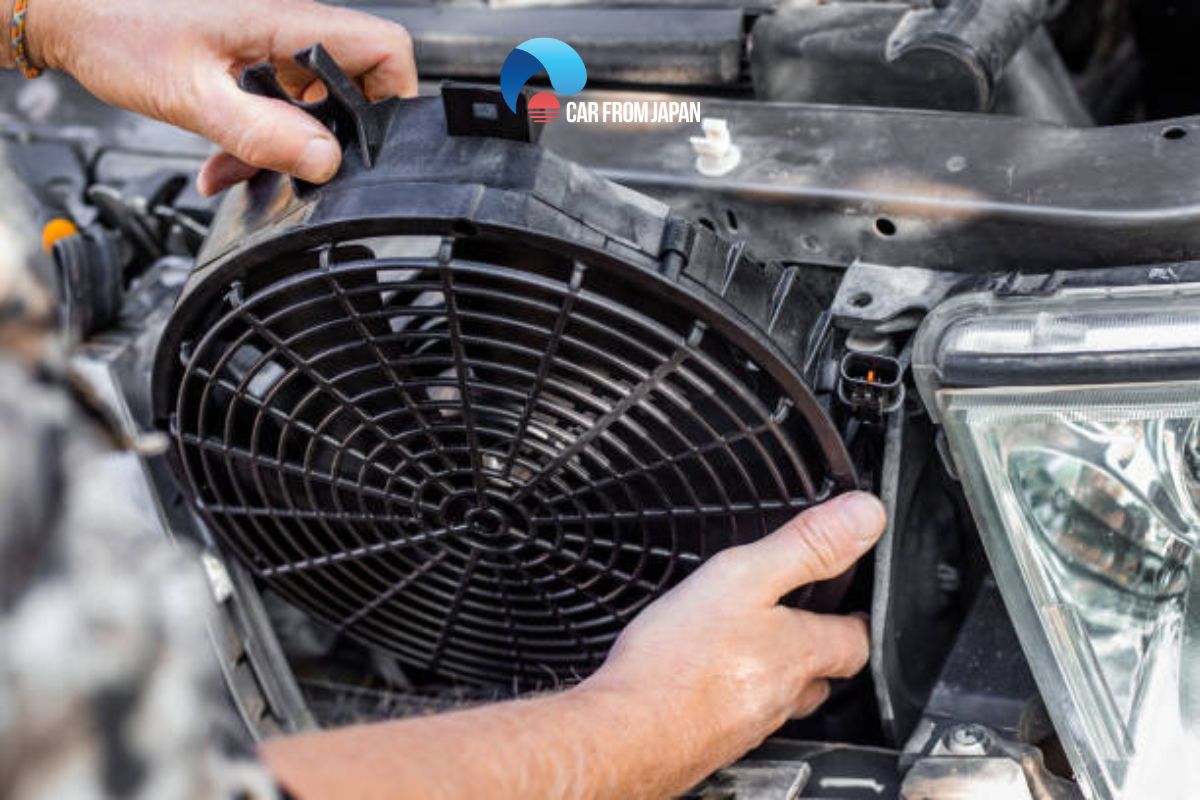
If your car has a fan shroud or engine cover, keep it in place whenever possible. These barriers are designed to keep hands and tools out of the danger zone.
17. Stay Alert For Unexpected Movement
If you hear a click, pop, or unusual noise, step back immediately. Some fans may start without warning due to sensor malfunction or electrical issues.
18. Avoid Working Alone
If possible, have someone nearby when working near the fan. If an accident happens, you’ll need help quickly.
19. Know First Aid For Cuts
If you do get cut, know how to wash the wound, stop bleeding, and when to seek medical help. Deep fan injuries can get infected quickly.
20. Clean Up After Your Work
After finishing, make sure all tools and loose items are out of the engine bay. Loose rags or tools can get caught in the fan when you restart the engine.
Key Mistakes People Make Near Engine Fans
Some mistakes happen again and again. Avoiding them can save you from serious harm.
- Assuming the engine is off, so the fan is off: Electric fans can start at any time.
- Wearing loose clothing or jewelry: These can get pulled into moving parts.
- Not waiting for the fan to stop: Even a few extra seconds of spinning can be dangerous.
- Ignoring warning labels: Car makers put these for a reason—they are not just for show.
- Forgetting to disconnect the battery: This is your strongest protection against surprise fan movement.
How Serious Are The Risks? Data And Statistics
Many people underestimate how dangerous a car engine fan can be. To put things in perspective, here are some actual numbers:
| Injury Type | Annual U.S. Cases | Common Cause |
|---|---|---|
| Finger/Hand Lacerations | 2,000+ | Contact with spinning fan |
| Amputations | 100+ | Fan entrapment |
| Eye Injuries | 500+ | Debris from broken blades |
These numbers are from emergency room data collected by safety organizations. The actual number may be higher, as many minor injuries go unreported.
Extra Safety Advice From Experienced Mechanics
After years in the workshop, experienced mechanics learn a few lessons the hard way. Here are some tips you will not find in every manual:
- Feel for heat before touching: If the engine bay is still hot, wait longer. Heat triggers some fans.
- Use a stick, not your hand: When checking if the fan is spinning, use a long stick or tool, never your fingers.
- Check for remote start systems: Some cars let owners start the engine from far away. Always check if this feature is enabled before working.
Credit: www.aamcoblog.com
When To Call A Professional
Some repairs are best left to experts. If you are unsure about working near the fan, or if the fan has electrical faults, seek professional help. Modern cars have complex wiring and sensors that can be tricky to handle. A mistake can damage the car or cause injury.
Final Thoughts
Working near a car engine fan is more dangerous than most people realize. With the right habits—like disconnecting the battery, using proper gear, and staying alert—you can avoid injury. Never rush or take shortcuts. Your safety is always more important than saving a few minutes.
The best mechanics are the ones who finish every job with all their fingers intact.
If you want more details about automotive safety, you can also check guides from the National Safety Council.
Credit: carfromjapan.com
Frequently Asked Questions
What Should I Do If The Fan Starts Unexpectedly While I’m Working?
If the fan starts, pull your hands and tools away immediately. Step back from the engine bay and wait for the fan to stop. Once it’s safe, disconnect the battery before continuing work.
Can An Electric Fan Run With The Engine Off?
Yes, most electric fans can turn on even if the engine is not running. They are controlled by temperature sensors and may start whenever the engine is hot, regardless of the ignition key position.
Is It Safe To Work Near The Fan If I Disconnect Only The Positive Battery Terminal?
It’s safer to disconnect the negative terminal because it breaks the electrical circuit and reduces the risk of shorts. Always disconnect the negative first for best safety.
Are Fan Guards Necessary If I’m Careful?
Fan guards and shrouds are designed for your protection. Even careful people can make mistakes. Always leave guards in place unless you must remove them for specific repairs, and replace them as soon as possible.
What Should I Do If I Get A Cut From A Fan Blade?
Wash the wound with clean water and soap. If bleeding is heavy or the cut is deep, apply pressure and seek medical help immediately. Watch for signs of infection, such as redness or swelling, in the days after the injury.