
Beginner car maintenance involves a series of regular, straightforward checks that are crucial for any new driver. These include monitoring oil levels, ensuring correct tire pressure, topping off vital fluids, and understanding the meaning behind your vehicle’s dashboard warning lights. Implementing simple preventative care, such as timely oil changes and tire rotations, can significantly extend your car’s lifespan, enhance its performance, and ensure safe operation for years to come.
- Regularly check fluid levels and tire pressure.
- Understand your owner’s manual and dashboard warning lights.
- Perform timely oil changes and tire rotations.
- Inspect brakes, battery, and lighting components.
- Know when to perform DIY tasks and when to consult a professional.
The Importance of Regular Vehicle Care
Regular vehicle care is not merely about keeping your car running; it is a fundamental aspect of safety, reliability, and preserving your investment. Neglecting routine maintenance can lead to unexpected breakdowns, costly repairs, and even compromise the safety of you and your passengers. A well-maintained vehicle performs better, is more efficient, and retains its value over time.
For new drivers, understanding the basics of car care can seem daunting, but it is an empowering skill. It builds confidence, helps you identify potential issues early, and fosters a proactive approach to vehicle ownership. This guide will break down essential maintenance tasks into manageable steps, making car care accessible for everyone.
Getting Started: Your Owner’s Manual and Basic Tools
Your car’s owner’s manual is an invaluable resource, often overlooked. It contains specific information about your vehicle’s maintenance schedule, fluid types, tire pressure recommendations, and explanations of dashboard indicators. Familiarizing yourself with this manual is the first crucial step in understanding your car’s unique needs.
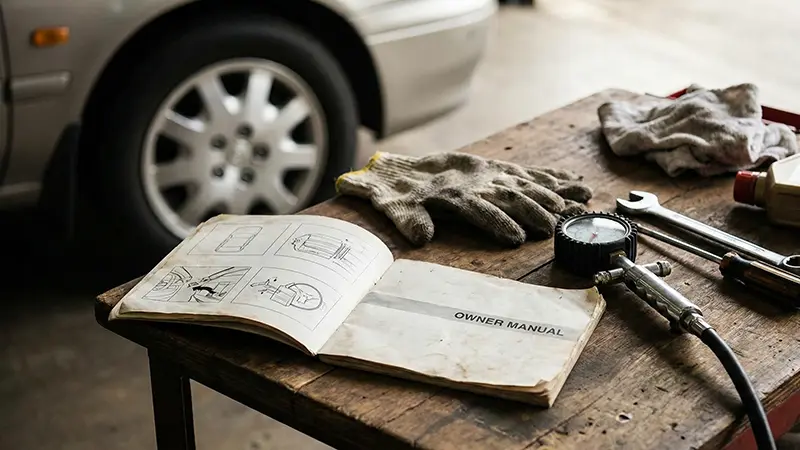
For basic maintenance, a few simple tools can be incredibly helpful. These might include a tire pressure gauge, a funnel for fluids, a basic socket set, a screwdriver set, and work gloves. Having these items on hand will enable you to perform many of the checks discussed in this guide efficiently and safely.
Beginner Car Maintenance Tips: Your First Steps
Embarking on your car maintenance journey begins with a few fundamental checks that should become routine. These initial steps are designed to be easy to perform and provide immediate insight into your vehicle’s health. Consistent application of these tips will lay a strong foundation for responsible car ownership.
Visual Inspections
Start by walking around your car. Look for anything unusual: flat tires, leaks under the vehicle, damaged lights, or loose parts. A quick visual inspection before driving can often alert you to problems before they become serious. Check your mirrors and windshield for cracks or obstructions that could impair visibility.
Checking Fluid Levels
Many vital fluids keep your car running smoothly. Regularly checking these levels is one of the most impactful beginner car maintenance tips you can adopt. This includes engine oil, coolant, brake fluid, power steering fluid, and windshield washer fluid. Always consult your owner’s manual for the correct fluid types and checking procedures, and ensure the engine is cool before checking most fluid levels.
Listening to Your Car
Pay attention to any new or unusual sounds your car makes. Squealing brakes, grinding noises, clunking over bumps, or a change in engine sound can all be indicators of an underlying issue. Addressing these sounds promptly can prevent minor problems from escalating into major repairs.
Understanding Your Car’s Vital Fluids
Fluids are the lifeblood of your vehicle, each serving a critical function. Knowing how to check and maintain them is a cornerstone of effective car care.
Engine Oil
Engine oil lubricates moving parts, reduces friction, and helps cool the engine. Check your oil level regularly, typically once a month or before a long trip. Park on a level surface, allow the engine to cool for a few minutes, then pull out the dipstick, wipe it clean, reinsert it fully, and pull it out again to read the level. If it’s low, add the recommended type of oil gradually.
Coolant (Antifreeze)
Coolant prevents your engine from overheating and freezing. Check the coolant level in the overflow reservoir when the engine is cold. The level should be between the ‘min’ and ‘max’ marks. Never open the radiator cap when the engine is hot, as pressurized hot fluid can cause severe burns.
Brake Fluid
Brake fluid transmits the force from your brake pedal to the wheels. Check the brake fluid reservoir level, usually located on the driver’s side under the hood. The level should be between the indicated lines. A low brake fluid level can indicate a leak or worn brake pads and should be investigated by a professional.
Power Steering Fluid
If your car has hydraulic power steering, check its fluid level in the reservoir. This fluid makes steering easier. Low levels can lead to stiff steering or whining noises when turning. Some modern vehicles use electric power steering and do not have this fluid.
Windshield Washer Fluid
This fluid is essential for clear visibility. Check its reservoir and refill it as needed, especially before winter or long journeys. Using a quality washer fluid can help clear bugs and road grime effectively.
Mastering Tire Maintenance: Pressure, Rotation, and Inspection
Tires are your car’s only contact with the road, making their proper maintenance paramount for safety, handling, and fuel efficiency.
Tire Pressure
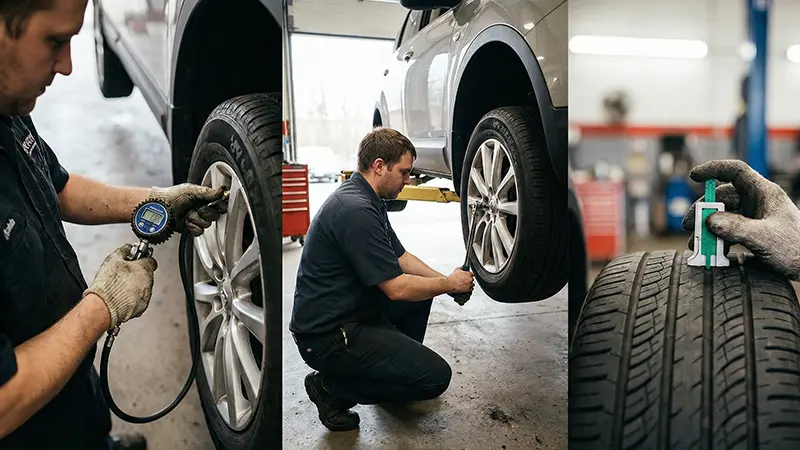
Incorrect tire pressure can lead to uneven wear, reduced fuel economy, and compromised handling. Check your tire pressure at least once a month and before long trips, using a reliable tire pressure gauge. The recommended pressure is usually found on a sticker inside the driver’s side door jamb or in your owner’s manual, not on the tire sidewall itself. Always check pressure when tires are cold.
Tire Rotation
Regular tire rotation helps ensure evenwear across all four tires, extending their lifespan. Most manufacturers recommend rotating tires every 5,000 to 8,000 miles. This service is typically performed during an oil change or other routine maintenance visits.
Tire Inspection
Visually inspect your tires for signs of wear, damage, or embedded objects. Look for cracks in the sidewall, bulges, or excessive tread wear. You can check tread depth using the ‘penny test’: insert a penny into a tread groove with Lincoln’s head upside down and facing you. If you can see the top of Lincoln’s head, your tread is too shallow, and the tires need replacing.
Brake System Essentials for Safe Driving
Your car’s brakes are its most critical safety system. Understanding their basic function and recognizing warning signs is vital.
Brake Pads and Rotors
Brake pads wear down over time, and rotors can become grooved or warped. Listen for squealing, grinding, or clicking noises when braking. A pulsating brake pedal or a car pulling to one side during braking also indicates potential issues. Have your brakes inspected regularly by a professional, especially if you notice any of these symptoms.
Brake Fluid Level
As mentioned, regularly check your brake fluid level. A sudden drop can indicate a leak in the system, which is a serious safety concern that requires immediate professional attention.
Keeping Your Car’s Battery Healthy
Your car battery provides the electrical power to start the engine and operate various electrical components. Proper battery care can prevent unexpected breakdowns.
Battery Terminals and Cables
Periodically inspect battery terminals for corrosion (a white or bluish powdery substance). Clean any corrosion with a wire brush and a battery terminal cleaner solution. Ensure the battery cables are securely attached. Always wear gloves and eye protection when working near the battery.
Battery Life
Car batteries typically last 3-5 years. If your car is slow to start, or if your headlights dim when the engine is off, it might be time for a battery test or replacement. Many auto parts stores offer free battery testing services.
Visibility and Lighting: Wipers, Headlights, and More
Clear visibility is non-negotiable for safe driving. Maintaining your car’s lighting and wiper systems is straightforward but essential.
Windshield Wipers
Wiper blades deteriorate over time due to sun exposure and use. Replace them every 6-12 months, or sooner if they leave streaks, skip, or chatter across the windshield. Good wiper blades are crucial for clear vision in rain or snow.
Headlights, Taillights, and Turn Signals
Regularly check all your exterior lights. Walk around your car and ensure headlights (high and low beams), taillights, brake lights, and turn signals are all functioning. Ask a friend to help you check the brake lights. Replace any burnt-out bulbs promptly. Cloudy or yellowed headlight lenses can be restored with a headlight restoration kit to improve light output.
The Role of Filters in Car Performance
Various filters in your car protect components and ensure clean air and fluids. Replacing them on schedule is key to performance and longevity.
Engine Air Filter
The engine air filter prevents dirt and debris from entering the engine. A clogged filter can reduce engine performanceand fuel efficiency. Check it periodically and replace it according to your owner’s manual, or more frequently if you drive in dusty conditions.
Cabin Air Filter
The cabin air filter cleans the air entering your car’s interior, improving air quality and reducing allergens. Replace it annually or as recommended by your manufacturer, especially if you notice reduced airflow from your vents or unusual odors.
Fuel Filter
The fuel filter prevents contaminants from reaching the engine’s fuel injectors. While some fuel filters are designed to last the life of the vehicle, others require periodic replacement. Consult your owner’s manual for specific recommendations.
Decoding Dashboard Warning Lights
Your dashboard warning lights are designed to alert you to potential issues. Ignoring them can lead to serious problems.
Common Warning Lights
- Check Engine Light:This can indicate a wide range of issues, from a loose gas cap to a serious engine problem. It’s best to have it diagnosed by a professional.
- Oil Pressure Warning:Indicates low oil pressure. Stop driving immediately and check your oil level. Driving with low oil pressure can cause severe engine damage.
- Battery/Charging System Warning:Suggests a problem with your battery or alternator. Your car might run on battery power for a short time, but it will eventually die.
- Brake System Warning:Can indicate low brake fluid, a problem with the ABS system, or the parking brake being engaged. Investigate immediately.
- Tire Pressure Monitoring System (TPMS) Light:Indicates one or more tires are significantly underinflated. Check your tire pressure as soon as safely possible.
When a warning light illuminates, consult your owner’s manual to understand its meaning and recommended action. Prompt attention can prevent minor issues from becoming major repairs.
Developing a Simple Car Maintenance Schedule
A consistent maintenance schedule is the best way to keep your car in top condition. Here’s a basic framework:
- Monthly:Check tire pressure, engine oil, coolant, and windshield washer fluid levels. Inspect lights and wipers.
- Every 3-6 Months or 3,000-5,000 Miles:Change engine oil and filter. Inspect all other fluids, belts, hoses, and tires.
- Every 12 Months or 10,000-15,000 Miles:Rotate tires. Inspect brakes. Replace cabin air filter. Check battery.
- Annually or as Recommended by Manufacturer:Replace engine air filter, spark plugs, and other specific components as per your owner’s manual.
Always refer to your car’s owner’s manual for the most accurate and specific maintenance intervals for your particular make and model.
When to DIY and When to See a Mechanic
Knowing your limits is crucial in car maintenance. Many basic checks and simple replacements can be done at home, but some tasks require professional expertise and specialized tools.
DIY Tasks
Tasks like checking fluid levels, tire pressure, replacing wiper blades, and topping off washer fluid are generally safe and easy for beginners. Changing an engine air filter or cabin air filter can also be straightforward for many.
When to Call a Professional
Any task involving the brake system, transmission, complex engine components, electrical diagnostics, or anything that requires lifting the vehicle and working underneath it should typically be left to a certified mechanic. If you are unsure about a task, or if a warning light indicates a serious issue, it is always safer to seek professional help. Never compromise safety for the sake of a DIY attempt.
Troubleshooting Common Car Issues
Even with regular maintenance, issues can arise. Knowing how to approach common problems can save time and stress.
Car Won’t Start
If your car won’t start, first check the battery terminals for corrosion and ensure they are tight. Listen for a clicking sound (often a dead battery or starter issue) or no sound at all. If the lights work but the engine doesn’t crank, it could be the starter. If nothing works, the battery is likely dead. Jump-starting might be an option, but ensure you know the correct procedure.
Overheating Engine
If your temperature gauge rises into the red, pull over safely and turn off the engine immediately. Do NOT open the radiator cap when the engine is hot. Wait for the engine to cool completely before checking coolant levels. An overheating engine can indicate a low coolant level, a leak, or a faulty thermostat.
Flat Tire
Learn how to change a flat tire. Ensure you have a spare tire, jack, and lug wrench in good working order. Always perform this task on a safe, level surface away from traffic, and use wheel chocks if available.
Long-Term Benefits of Consistent Car Care
Embracing a routine of consistent car care offersnumerous long-term advantages. Beyond the immediate safety benefits, it significantly extends the operational life of your vehicle, allowing you to enjoy it for many more years. Regular maintenance helps maintain your car’s performance, ensuring it runs efficiently and reliably, which can lead to better fuel economy and a smoother driving experience.
Furthermore, a well-documented service history can enhance your car’s resale value, making it a more attractive option for future buyers. Ultimately, consistent car care translates into greater peace of mind, knowing your vehicle is dependable and ready for the road ahead.
Frequently Asked Questions
What are the absolute essential beginner car maintenance tips?
The absolute essential beginner car maintenance tips include regularly checking your engine oil and other fluid levels, maintaining correct tire pressure, inspecting your tires for wear, and understanding the meaning of your dashboard warning lights. These fundamental checks are easy to perform and provide crucial insights into your vehicle’s health, preventing minor issues from escalating.
How often should new drivers perform basic car maintenance checks?
New drivers should aim to perform basic car maintenance checks at least once a month, or before any long road trips. This includes checking tire pressure, fluid levels, and inspecting lights and wipers. More in-depth tasks like oil changes and tire rotations typically follow a schedule outlined in your owner’s manual, often every 3-6 months or 3,000-5,000 miles.
Can following beginner car maintenance tips really save money in the long run?
Yes, following beginner car maintenance tips can significantly save money in the long run. Preventative maintenance helps identify and address small issues before they become major, costly repairs. It also improves fuel efficiency, extends the lifespan of components like tires and the engine, and helps maintain the vehicle’s overall value, reducing the need for premature replacements or extensive overhauls.
What’s the easiest car maintenance task for a complete beginner?
For a complete beginner, the easiest car maintenance task is checking your tire pressure. It requires only a simple gauge and can be done quickly. Another very easy task is checking and refilling your windshield washer fluid, which is crucial for maintaining clear visibility.
Are there any specific beginner car maintenance tips for older vehicles?
For older vehicles, beginner car maintenance tips become even more critical. Pay extra attention to fluid leaks, the condition of belts and hoses, and the battery, as these components are more prone to wear with age. Regular oil changes with the correct oil type and frequent inspections for rust or corrosion are also vital for preserving an older car’s reliability and safety.
Where can I learn more about practical beginner car maintenance tips?
To learn more about practical beginner car maintenance tips, your car’s owner’s manual is the best starting point for specific information about your vehicle. Reputable automotive websites, local community college courses, and trusted certified mechanics can also provide valuable guidance and hands-on learning opportunities.
Conclusion
Mastering essential beginner car maintenance tips is a vital skill for any new driver, offering a clear path to safer driving and prolonged vehicle life. By consistently performing basic checks like monitoring fluid levels, maintaining tire pressure, and understanding dashboard warnings, you can proactively address potential issues. This proactive approach not only enhances your car’s reliability and performance but also provides significant peace of mind on every journey. Embrace these simple practices to ensure your vehicle remains a dependable companion on the road.