
A beginner car maintenance tools list should include fundamental items like a wrench and socket set, screwdriver set, tire pressure gauge, jumper cables, a flashlight, and safety gear such as gloves and safety glasses. These tools enable basic tasks like checking fluids, changing a tire, and performing minor repairs, empowering new car owners to handle common issues.
- Empower yourself with basic vehicle knowledge.
- Save time and potential inconvenience with simple repairs.
- Ensure vehicle safety through regular checks.
- Build confidence in handling automotive tasks.
- Understand your car’s needs better.
Introduction to DIY Car Maintenance for Beginners
Embarking on the journey of do-it-yourself (DIY) car maintenance can seem daunting at first, but it is a rewarding endeavor. For many car owners, understanding the basics of their vehicle’s operation and having the right tools on hand provides a sense of independence and preparedness. This guide is designed to demystify the process, offering a clear path for beginners to start building their automotive toolkit and confidence.
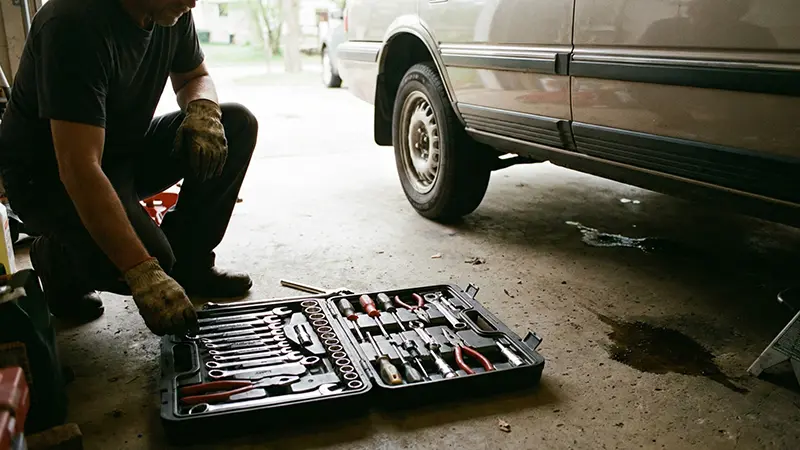
Basic car maintenance involves routine checks and minor repairs that do not require specialized diagnostic equipment or extensive mechanical expertise. These tasks include inspecting fluid levels, checking tire pressure, replacing wiper blades, and performing simple battery checks. By learning these fundamentals, car owners can maintain their vehicle’s health, potentially prevent larger issues, and gain a deeper appreciation for their automobile.
Why Every Beginner Needs a Basic Car Tool Kit
Having a basic car tool kit is more than just a convenience; it is an investment in your vehicle’s longevity and your peace of mind. For beginners, a well-equipped toolkit means being ready for common roadside emergencies and routine upkeep. It fosters a proactive approach to car ownership, moving beyond simply driving to understanding and caring for your vehicle.
A personal tool kit allows for immediate action when a minor issue arises, avoiding delays or the need to rely solely on professional assistance for every small task. It also provides an opportunity to learn about the different components of your car in a hands-on manner. This practical knowledge can be invaluable, helping you communicate more effectively with mechanics when professional help is truly needed.
The Essential Beginner Car Maintenance Tools List
Starting your DIY car maintenance journey requires a foundational set of tools. This beginner car maintenance tools list focuses on versatility, safety, and the ability to perform the most common maintenance tasks. Acquiring these items will lay a strong groundwork for any aspiring home mechanic.
Wrench and Socket Set
A comprehensive wrench and socket set is arguably the most crucial component of any car maintenance toolkit. It allows for tightening and loosening various fasteners found throughout a vehicle. Look for a set that includes both metric and SAE (standard) sizes, as cars can have a mix of both. A ratchet handle with extensions and universal joints will significantly increase accessibility to hard-to-reach bolts.
Screwdriver Set
A good screwdriver set, featuring both Phillips and flathead types in various lengths and tip sizes, is indispensable. Many components inside and outside your car are secured with screws, from interior panels to hose clamps. Magnetic tips can be particularly helpful for preventing dropped screws in tight engine bays.
Pliers
A selection of pliers offers versatility for gripping, bending, and cutting. Slip-joint pliers are general-purpose, while needle-nose pliers are excellent for reaching into confined spaces or manipulating small wires. Locking pliers, often called Vise-Grips, provide a strong, temporary clamp for holding parts securely.
Tire Pressure Gauge
Maintaining correct tire pressure is vital for safety, fuel efficiency, and tire longevity. A reliable tire pressure gauge, either digitalor analog, is a must-have. Regular checks can prevent uneven tire wear and blowouts.
Jumper Cables
A dead battery is a common and frustrating occurrence. Quality jumper cables are essential for getting your vehicle, or someone else’s, back on the road. Ensure they are long enough and have a sufficient gauge (thickness) to handle the electrical current safely.
Flashlight or Headlamp
Automotive work often involves peering into dark corners of the engine bay or under the vehicle. A bright, durable flashlight or, even better, a headlamp, frees up both hands for working. LED options are preferred for their brightness and long battery life.
Funnel
When adding or topping off fluids like engine oil, coolant, or windshield washer fluid, a funnel prevents spills and mess. A set of different-sized funnels can be useful for various fluid reservoirs.
Shop Rags or Paper Towels
Cleaning up spills, wiping down components, or simply keeping your hands clean requires absorbent shop rags or heavy-duty paper towels. Keeping a supply on hand is always a good practice.
Drain Pan
For tasks like oil changes, a dedicated drain pan is necessary to collect used fluids without making a mess. Look for one with a good capacity and a pour spout for easy disposal.
Jack and Jack Stands
For any work that requires lifting the vehicle off the ground, a sturdy jack and, crucially, a pair of jack stands are non-negotiable safety items. Never work under a vehicle supported only by a jack. Jack stands provide stable, secure support.
Lug Wrench
While many cars come with a basic lug wrench, an aftermarket cross-style or telescopic lug wrench can provide better leverage and make tire changes easier and safer.
Safety First: Essential Protective Gear for Auto Work
Safety should always be the top priority when performing any car maintenance. Accidents can happen quickly, and proper protective gear can prevent serious injury. Never skip these items, regardless of how simple the task may seem.
- Safety Glasses:Protect your eyes from flying debris, splashes of fluids, or unexpected bursts.
- Work Gloves:Shield your hands from cuts, scrapes, grease, and harsh chemicals. Various types exist, from thin disposable nitrile gloves for fluid checks to thicker mechanic’s gloves for heavier work.
- Hearing Protection:If using power tools or working near loud machinery, earplugs or earmuffs are important to prevent hearing damage.
- Proper Clothing:Wear long sleeves and pants to protect your skin. Avoid loose clothing or jewelry that could get caught in moving parts.
- Fire Extinguisher:Keep a small, automotive-rated fire extinguisher nearby.
- Wheel Chocks:Use these to secure wheels when the vehicle is jacked up or parked on an incline, preventing accidental rolling.
Tools for Basic Fluid Checks and Changes
Regular fluid checks and changes are fundamental to vehicle health. Having the right tools makes these tasks straightforward and efficient.
- Oil Filter Wrench:Essential for removing and installing oil filters during an oil change. Various styles exist, so ensure you have one that fits your vehicle’s filter.
- Drain Plug Wrench/Socket:A specific socket or wrench size is usually required for your oil pan’s drain plug. Having the correct one prevents rounding off the bolt.
- Fluid Transfer Pump:Useful for extracting or adding fluids in hard-to-reach reservoirs, such as transmission fluid or differential fluid.
- Coolant Hydrometer:For checking the freeze protection and boiling point of your engine’s coolant, ensuring it’s effective in all seasons.
Tools for Tire Care and Emergency Repairs
Tires are your car’s only contact with the road, making their maintenance critical. These tools help ensure your tires are in good condition and prepare you for roadside emergencies.
- Tire Inflator/Air Compressor:A portable unit allows you to maintain correct tire pressure at home or on the go. Some models plug into your car’s 12V outlet.
- Tire Repair Kit:For minor punctures, a basic plug kit can provide a temporary roadside fix, allowing you to drive to a repair shop safely.
- Torque Wrench:Crucial for tightening lug nuts to the manufacturer’s specified torque. This prevents overtightening, which can damage studs, or undertightening, which can lead to a wheel coming loose.
Electrical System Basics: Simple Tools You’ll Need
While complex electrical diagnostics are best left to professionals, some basic tools can help with simple checks and minor repairs.
- Multimeter:A basic digital multimeter can measure voltage, current, and resistance. It’s useful for checking battery voltage, testing fuses, and diagnosing simple electrical issues.
- Wire Strippers/Crimpers:For minor wiring repairs, these tools allow you to strip insulation from wires and crimp on new connectors securely.
- Test Light:A simple tool that illuminates when it detects electrical current, useful for quickly checking for power in circuits or at fuses.
Beyond the Basics: Next Steps for Your Tool Collection
Once you are comfortable with your beginner car maintenance tools list, you might consider expanding your collection to tackle more advanced tasks. This progression allows you to take on a wider range of DIY projects and further your automotive knowledge.
Specialized tools like an OBD-II scanner can read diagnostic trouble codes (DTCs) from your car’s computer, providing insights into potential issues. A more extensive set of torque wrenches, including smaller foot-pound or inch-pound models, offers precision for various fasteners. Additionally, specialty pliers, such as hose clamp pliers or snap ring pliers, can simplify specific tasks.
Consider investing in a good quality creeper for comfortable work under the vehicle, or a magnetic parts tray to keep small fasteners organized and prevent them from getting lost. As your skills grow, so too will your need for more specific and efficient tools.
Organizing Your Car Maintenance Tools for Efficiency
A well-organized toolkit is crucial for efficient and enjoyable car maintenance. Spending less time searching for tools means moretime working on your vehicle and less frustration. Proper organization also helps protect your tools from damage and ensures they are always ready for use.
Toolboxes with multiple drawers and compartments are excellent for keeping wrenches, sockets, and smaller items neatly arranged. Wall-mounted pegboards with hooks allow for easy access and visibility of frequently used tools. For larger items, rolling tool carts or cabinets provide ample storage and mobility. Labeling drawers or sections can further enhance organization, making it easy to find what you need quickly.
Tips for Buying Quality Tools on a Budget
Building a comprehensive tool collection does not require a significant initial outlay. Strategic purchasing can help you acquire quality tools without overspending. Focus on acquiring essential items first, prioritizing durability and functionality over brand names.
Look for tool sets that offer a good variety of common sizes and types, as these often provide better overall value than buying individual pieces. Keep an eye out for sales and promotions from reputable manufacturers. While it may be tempting to opt for the least expensive options, investing in moderately priced, well-reviewed tools often results in better performance and longevity, saving you from having to replace them frequently.
When to Call a Professional Mechanic: Knowing Your Limits
While DIY car maintenance is empowering, it is equally important to recognize when a task exceeds your skill level, available tools, or comfort zone. Attempting complex repairs without proper knowledge or equipment can lead to further damage, compromise vehicle safety, or result in personal injury.
Always consult a professional mechanic for issues involving critical safety systems like brakes, steering, or airbags, unless you have specific training and specialized tools. Complex engine or transmission diagnostics, internal engine repairs, or advanced electrical system troubleshooting are also best left to experienced technicians. Knowing your limits ensures your safety and the reliable operation of your vehicle.
Frequently Asked Questions
What is the most important item on a beginner car maintenance tools list?
The most important item on a beginner car maintenance tools list is a versatile wrench and socket set. This fundamental collection allows for the tightening and loosening of a vast majority of fasteners found on a vehicle, making it indispensable for almost any maintenance task.
How much should a beginner expect to spend on a basic car tool kit?
The initial investment for a basic car tool kit can vary widely depending on the quality and brand of tools chosen. Beginners can assemble a functional starter kit by prioritizing essential items and looking for value-oriented sets, gradually expanding their collection over time.
Can I perform all basic car maintenance with a beginner car maintenance tools list?
A beginner car maintenance tools list is designed to cover most routine checks and minor repairs, such as fluid level inspections, tire pressure adjustments, and simple component replacements. However, some basic tasks might require slightly more specialized tools, and complex repairs will always necessitate professional equipment and expertise.
Are there any specific brands recommended for a beginner car maintenance tools list?
For a beginner car maintenance tools list, many reputable brands offer durable and reliable tools suitable for home use. Focusing on brands known for good quality and customer support, rather than just the lowest cost, will ensure your tools last longer and perform better.
What are some common mistakes beginners make when using car maintenance tools?
Common mistakes beginners make include not using proper safety gear, using the wrong size tool for a fastener (leading to stripping), overtightening bolts, and failing to secure the vehicle properly with jack stands when working underneath. Always prioritize safety and use tools correctly.
How often should I check my beginner car maintenance tools list to ensure I have everything?
It is advisable to review your beginner car maintenance tools list periodically, perhaps once or twice a year, or before undertaking a new maintenance project. This ensures all tools are present, in good working order, and helps you identify any missing items or new tools that might be beneficial for upcoming tasks.
Conclusion
Building a beginner car maintenance tools list is a foundational step towards becoming a more informed and capable car owner. Equipping yourself with essential wrenches, sockets, safety gear, and tire care items empowers you to perform routine checks and minor repairs, fostering a deeper connection with your vehicle. Remember to prioritize safety in all tasks and understand when a job requires the expertise of a professional mechanic. Embrace the journey of learning and maintaining your vehicle with confidence.