Mixing Wrong Coolant vs Warranty Issues: Guide

mixing wrong coolant vs warranty issues

Mixing incompatible coolants can lead to severe engine damage, including corrosion, clogs, and overheating, which often voids your vehicle’s warranty. Manufacturers specify coolant types to ensure proper engine protection and performance, and deviating from these guidelines can result in costly repairs not covered by your warranty. Incompatible coolants can cause chemical reactions leading to sludge …

Read more

Signs of Low Brake Fluid: What Drivers Must Know

signs of low brake fluid symptoms

Low brake fluid often manifests as a spongy or soft brake pedal, increased stopping distance, a dashboard warning light, and sometimes visible leaks. Addressing these signs promptly is vital for maintaining safe braking performance and preventing system damage. A soft or spongy brake pedal is a primary indicator. The brake warning light on your dashboard …

Read more

Signs of Low Coolant Symptoms DIY: What to Know

signs of low coolant symptoms diy

Low coolant symptoms often include an overheating engine, a dashboard temperature warning light, a sweet smell, or visible leaks. Addressing these signs yourself promptly can prevent serious engine damage and maintain your vehicle’s health. Engine overheating is a primary indicator. A dashboard warning light signals low coolant. A sweet, maple syrup-like smell can indicate a …

Read more

Beginner Guide to Car Fluids: Essential Checks

beginner guide to car fluids

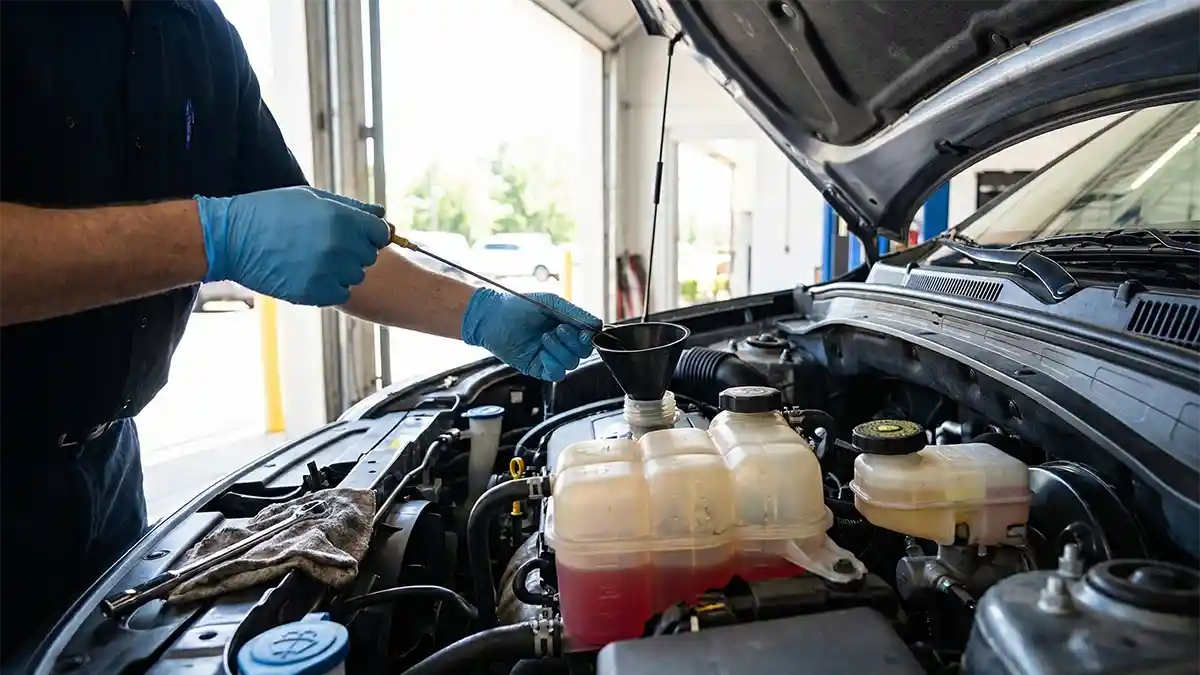
Car fluids are the lifeblood of your vehicle, performing critical functions like lubrication, cooling, cleaning, and power transmission. Regularly checking and maintaining these essential liquids is paramount for ensuring your car operates safely, efficiently, and reliably for years to come. Understanding their purpose and proper levels can prevent costly repairs and extend your vehicle’s lifespan. …

Read more

Mastering Windshield Washer Fluid Refill DIY: A Complete Guide

windshield washer fluid refill diy

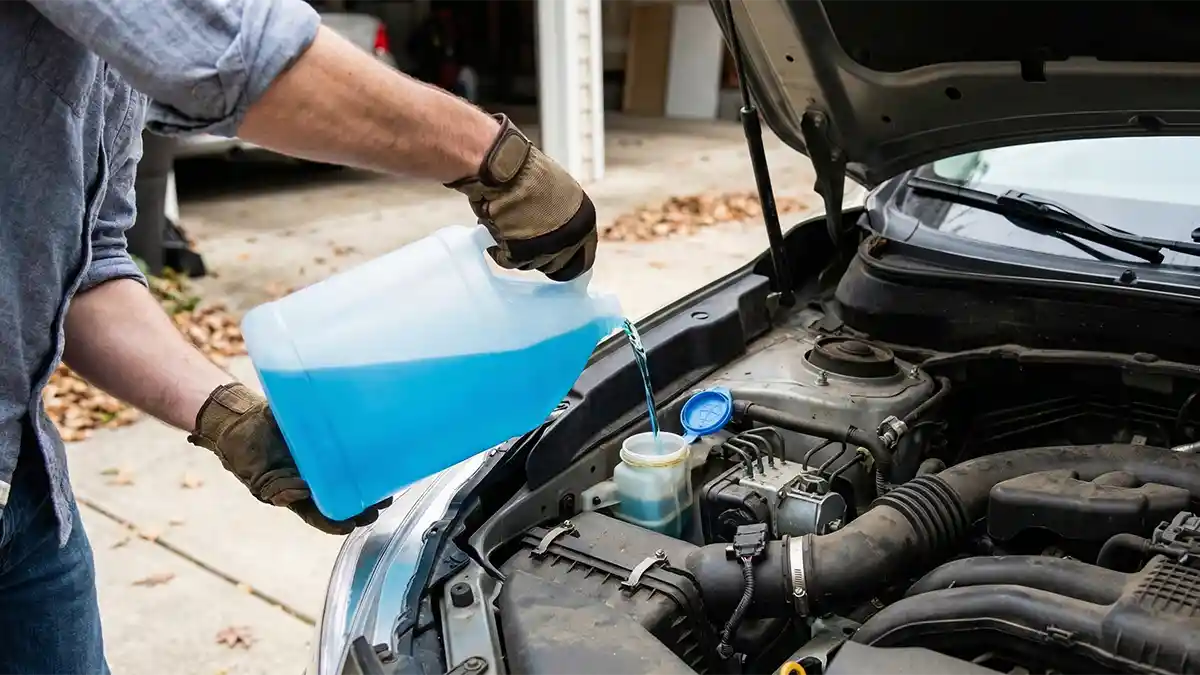
Refilling your windshield washer fluid is a straightforward maintenance task that every car owner can perform. It involves locating the designated reservoir under the hood, typically identified by a windshield symbol, opening its cap, and carefully pouring in the appropriate automotive washer fluid until it reaches the full mark. This simple DIY ensures clear visibility …

Read more

How to Top Up Coolant Safely: A Comprehensive DIY Guide

how to top up coolant safely

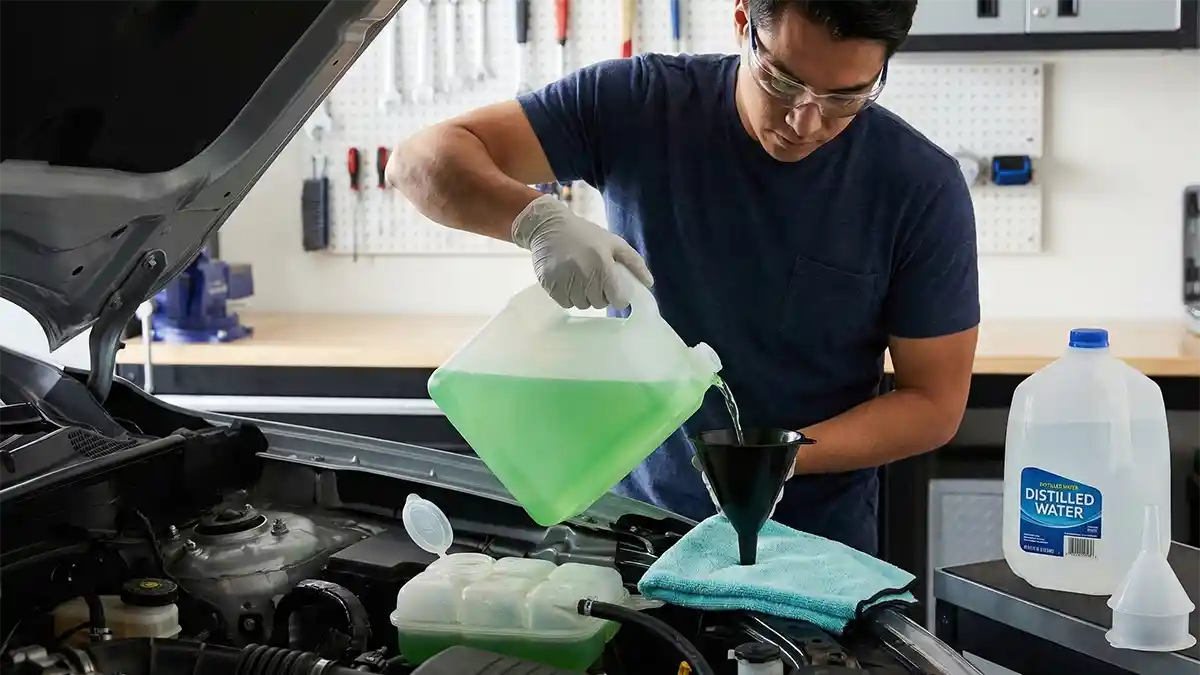
To safely top up coolant, ensure your engine is completely cool to prevent serious burns from hot fluid and steam. Always wear appropriate protective gear, identify the specific coolant type recommended for your vehicle, and locate the coolant reservoir. Carefully add the correct coolant up to the ‘MAX’ line, being cautious not to overfill, and …

Read more

How to Check Coolant Level at Home: A Complete DIY Guide

how to check coolant level at home

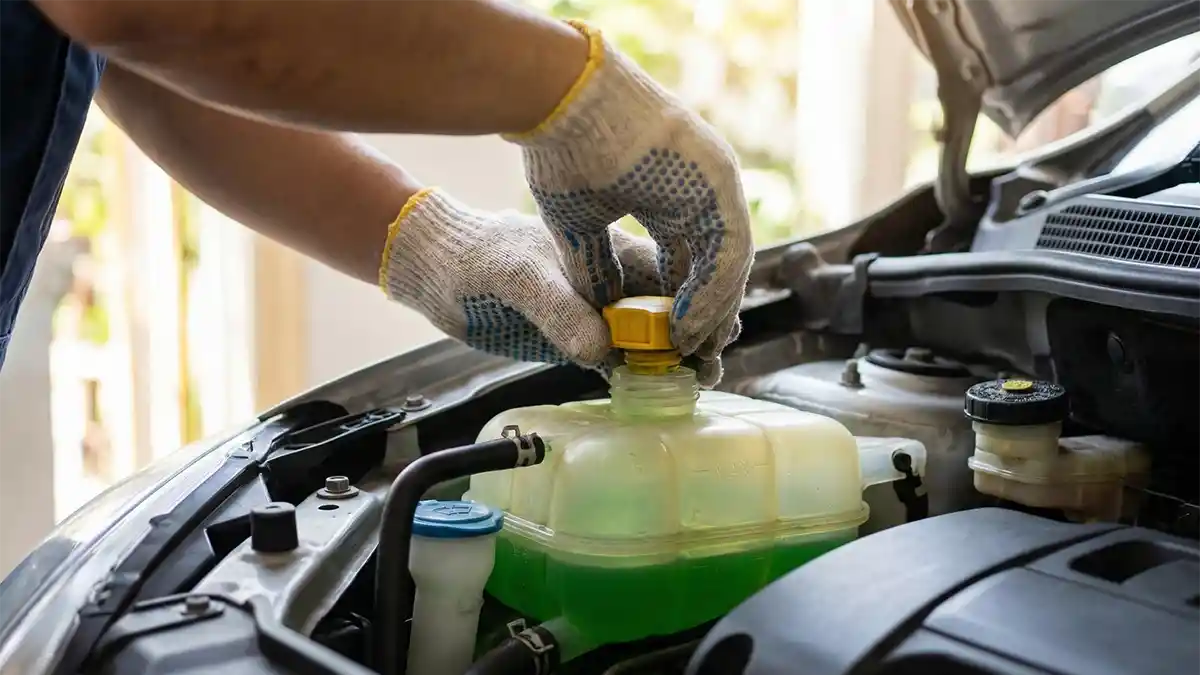
Checking your car’s coolant level at home is a straightforward maintenance task that can prevent serious engine damage. To perform this check, ensure your engine is completely cool, then locate the translucent coolant reservoir under the hood. The fluid level should visibly rest between the ‘MIN’ and ‘MAX’ indicators on the side of the reservoir. …

Read more

How Often to Change Engine Oil DIY: Full Guide

how often to change engine oil diy

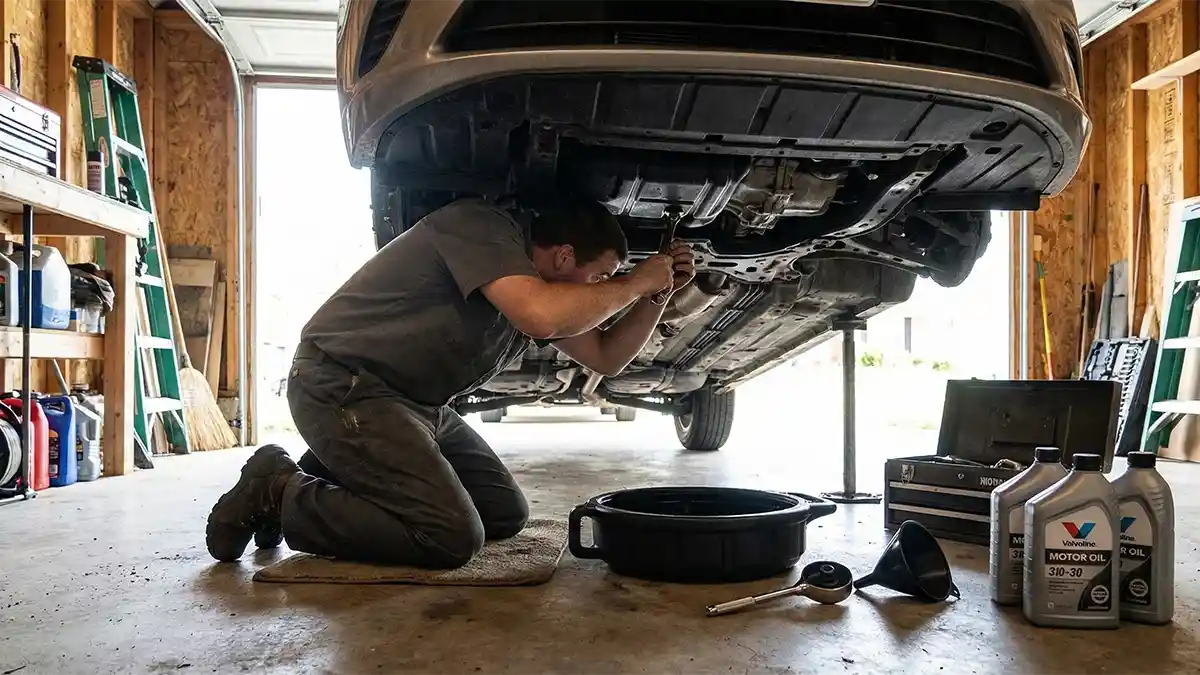
For home mechanics, understanding how often to change engine oil is crucial for vehicle longevity and performance. Generally, conventional engine oil should be changed every 5,000 to 7,500 miles or every 6 months, while synthetic oil typically allows for intervals of 7,500 to 10,000 miles or 12 months. These are general guidelines, and specific intervals …

Read more

How to Check Power Steering Fluid Level DIY

What Happens If You Overfill Engine Oil DIY

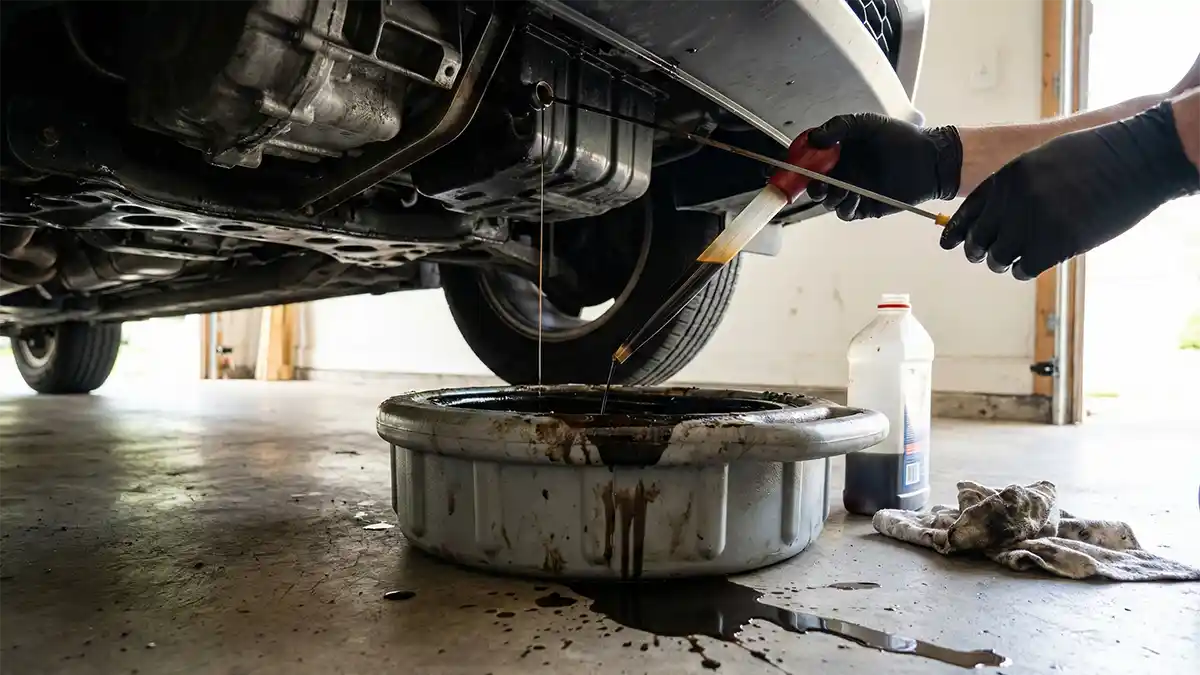
Overfilling engine oil can lead to a cascade of serious problems for your vehicle’s engine, ranging from reduced performance to catastrophic component failure. When the oil level exceeds the manufacturer’s recommended maximum, it can introduce air into the lubrication system, increase internal pressure, and damage critical seals and components. Addressing an overfill situation promptly is …

Read more

How to Clean Battery Terminals DIY: Simple Steps

How to Change Transmission Fluid at Home Basic

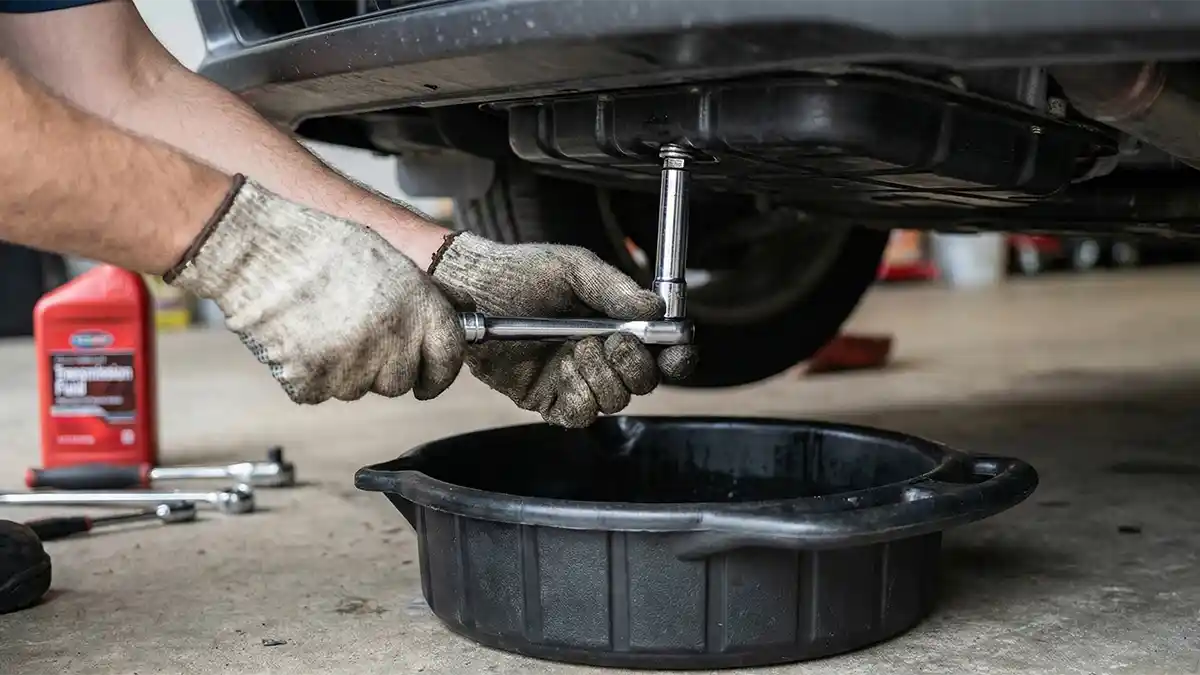
Changing transmission fluid at home involves safely lifting your vehicle, draining the old fluid from the transmission pan, replacing the filter and pan gasket, and then refilling with the manufacturer-specified new fluid. This essential maintenance task helps ensure the longevity and smooth operation of your vehicle’s transmission system. Always consult your vehicle’s owner’s manual for …

Read more