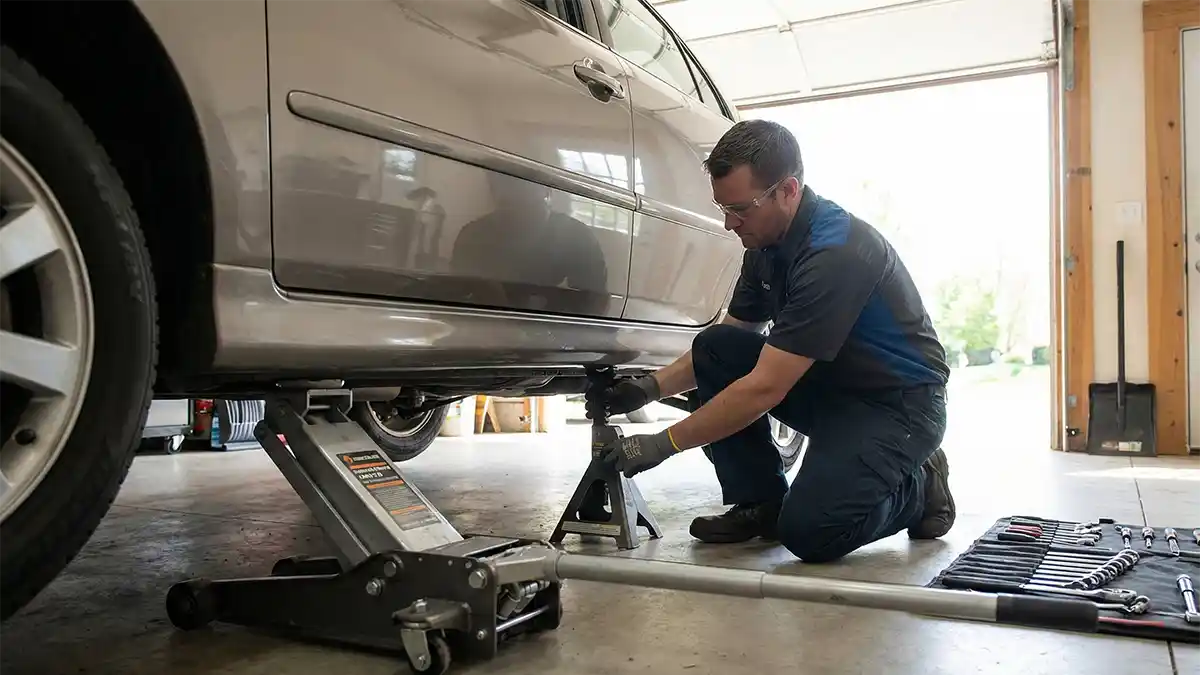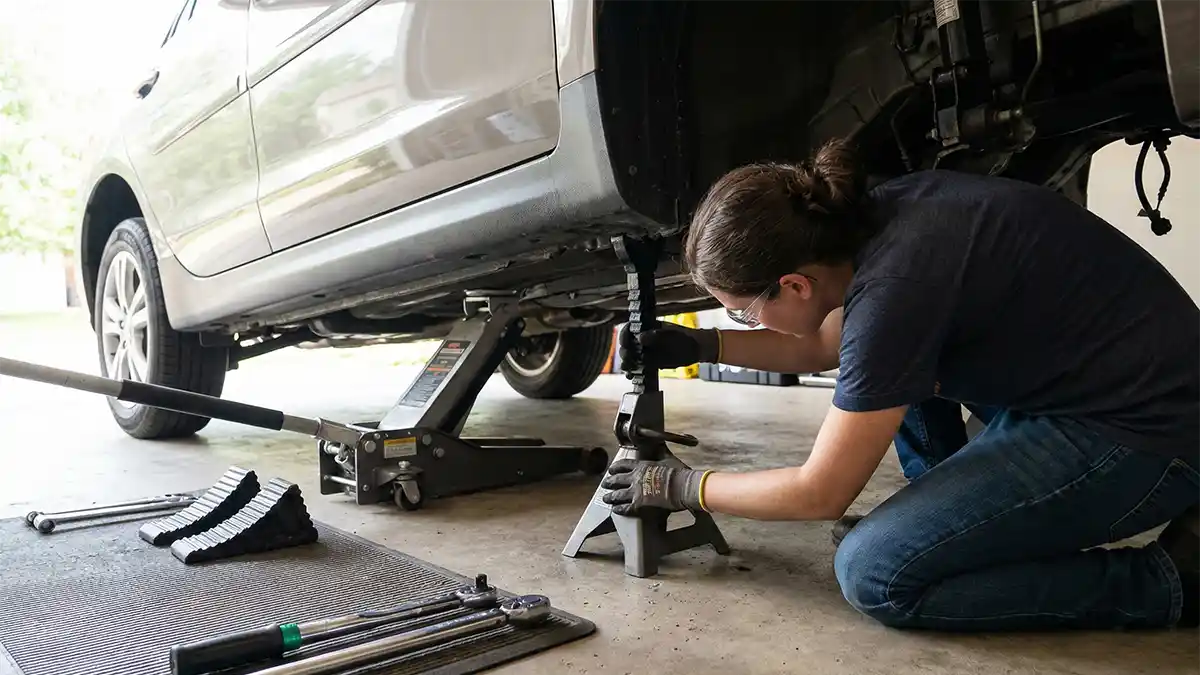
Emergency Plan When Working Under Car: Guide
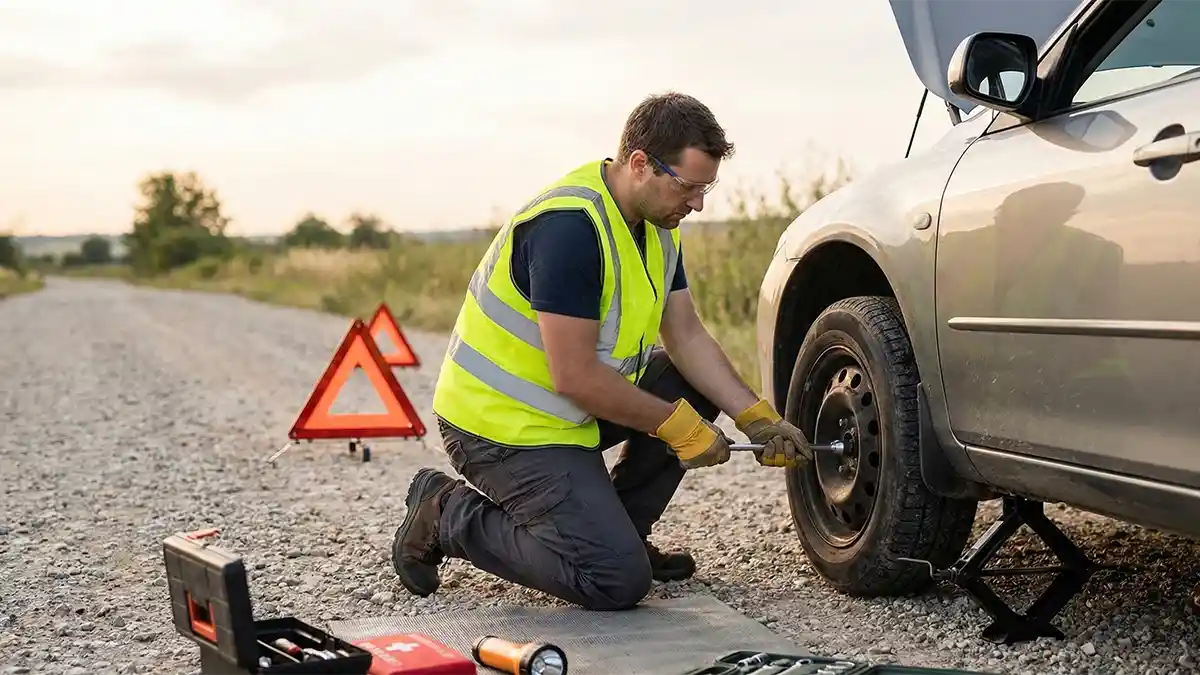
emergency plan when working under car

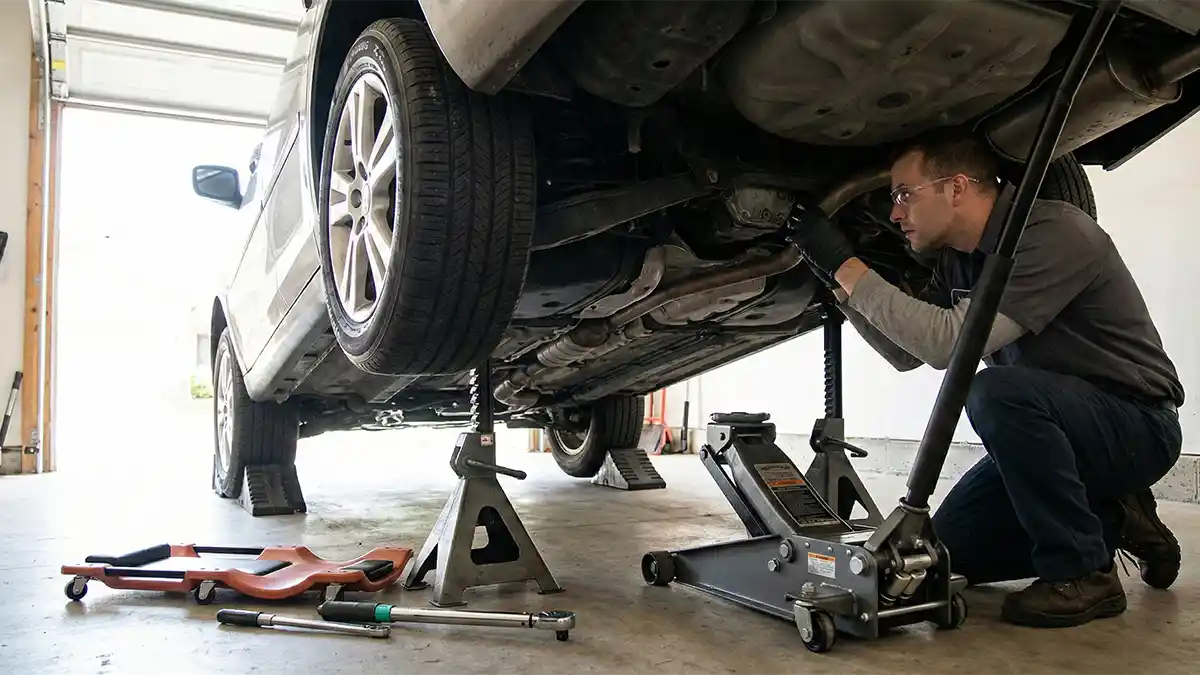
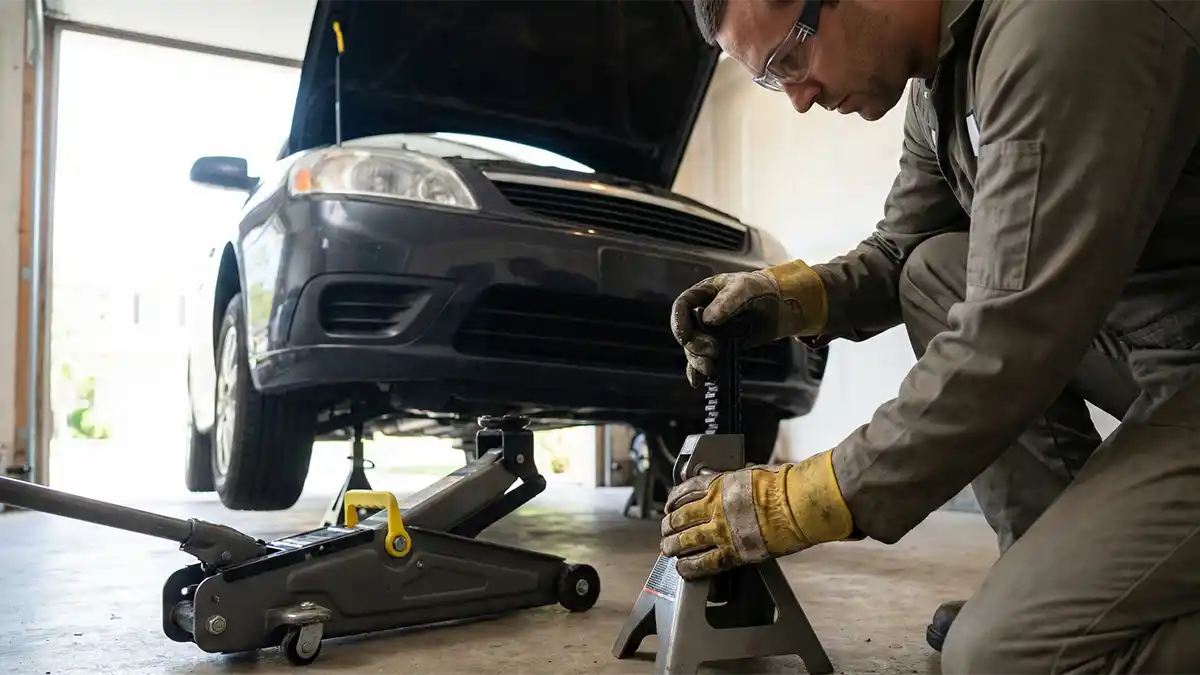
Working under a car can be inherently dangerous, but a well-structured emergency plan significantly mitigates risks. An effective plan involves comprehensive preparation, utilizing proper safety equipment like jack stands and wheel chocks, establishing clear communication, understanding basic first aid, and knowing how to safely exit or call for help in an unexpected situation. Always use …
Read more

Essential Garage Floor Safety Tips for Car DIY Enthusiasts

garage floor safety tips for car diy

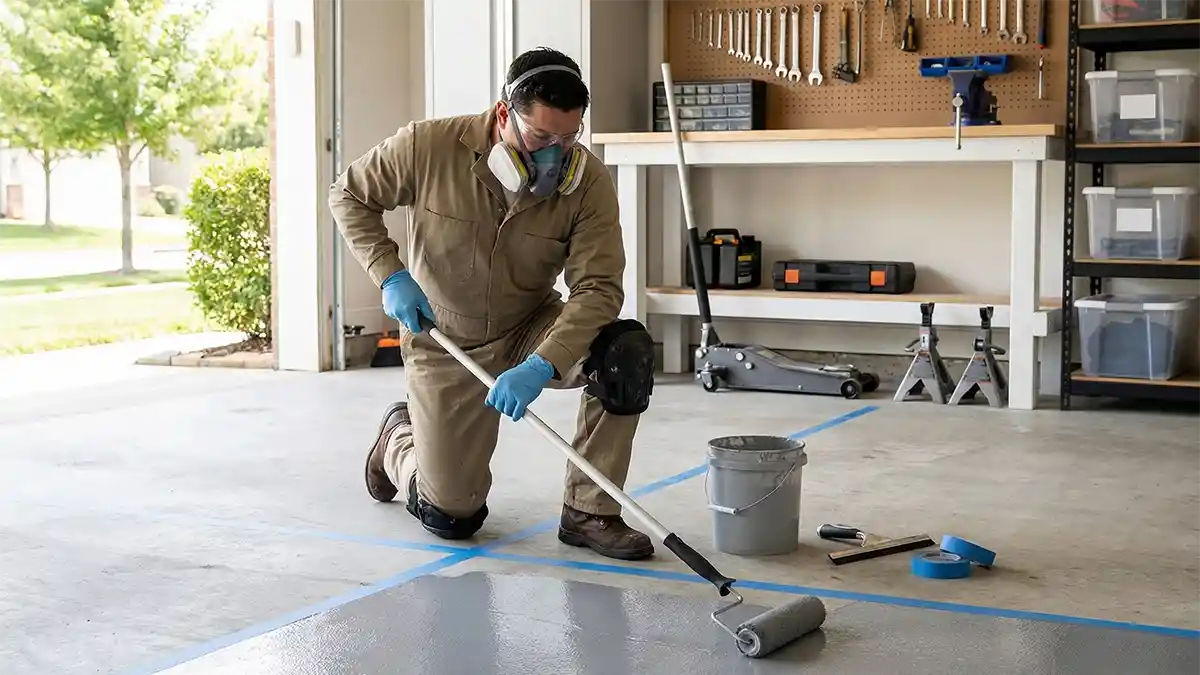
Prioritizing garage floor safety for car DIY involves maintaining a clean, dry surface, using proper lifting equipment, ensuring adequate ventilation, and organizing tools to prevent trip hazards. Always address spills immediately and wear appropriate personal protective equipment to safeguard against common workshop dangers. Keep your garage floor clean and dry. Use appropriate vehicle lifting equipment …

Read more

What to Do if Car Slips Off Jack: Safety Guide

What to Do if Car Slips Off Jack DIY

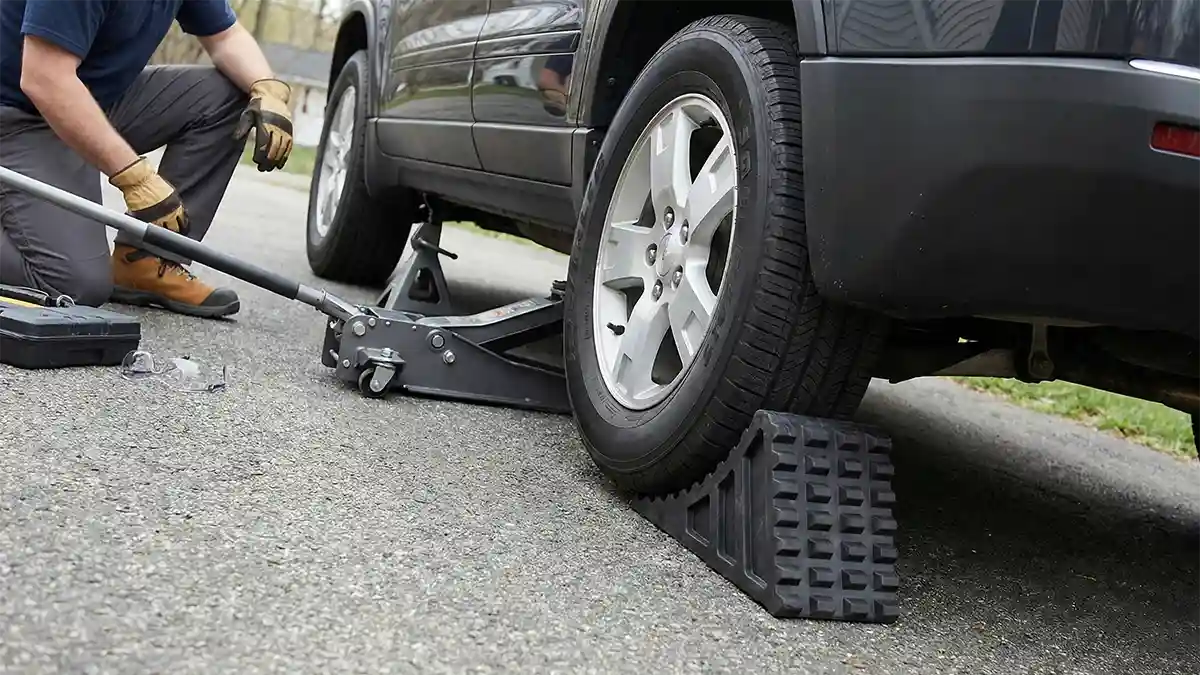
If your car slips off a jack while you are working on it, the immediate priority is personal safety. Move away from the vehicle quickly and assess the situation from a safe distance before attempting any further action. Never try to catch or stabilize a falling vehicle, as this can lead to severe injury. The …

Read more

How to Secure Car on Ramps Safely: A Comprehensive Guide

how to secure car on ramps safely

To secure a car on ramps safely, always begin by placing the ramps on a level, firm, and non-slip surface. Drive your vehicle slowly and precisely onto the ramps until the tires are fully seated in the designated cradles. Once positioned, engage the parking brake firmly, place robust wheel chocks behind the rear wheels, and …

Read more

How to Change Cabin Air Filter DIY: Easy Guide

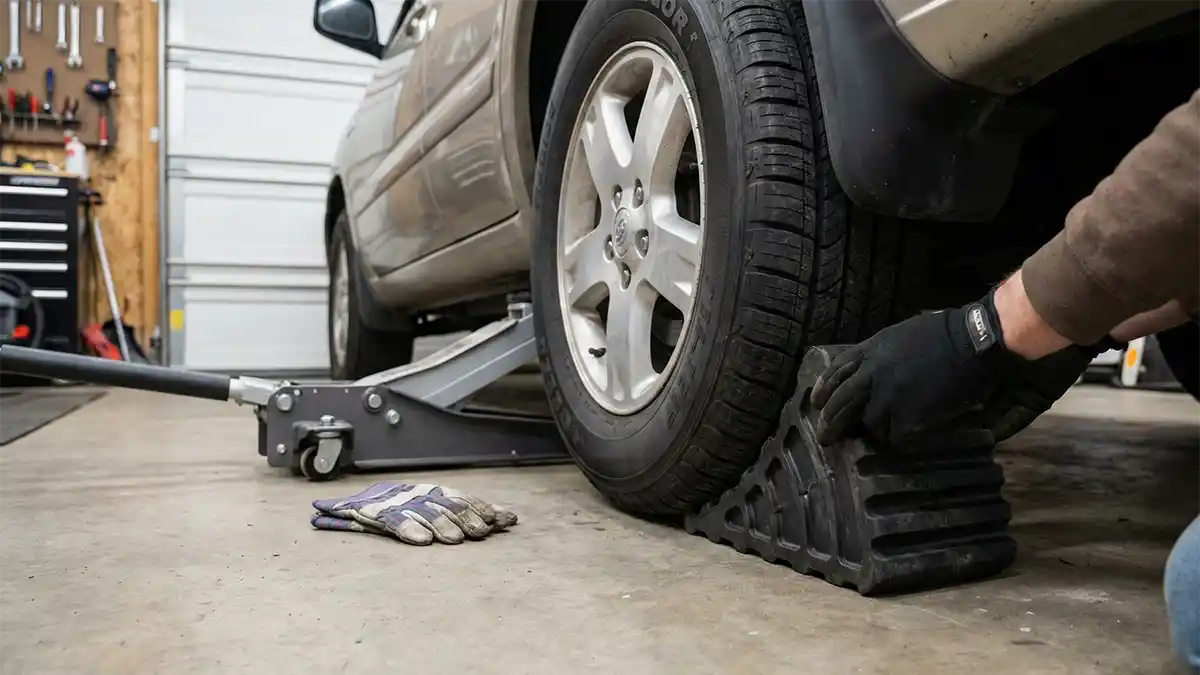
why you should always use wheel chocks

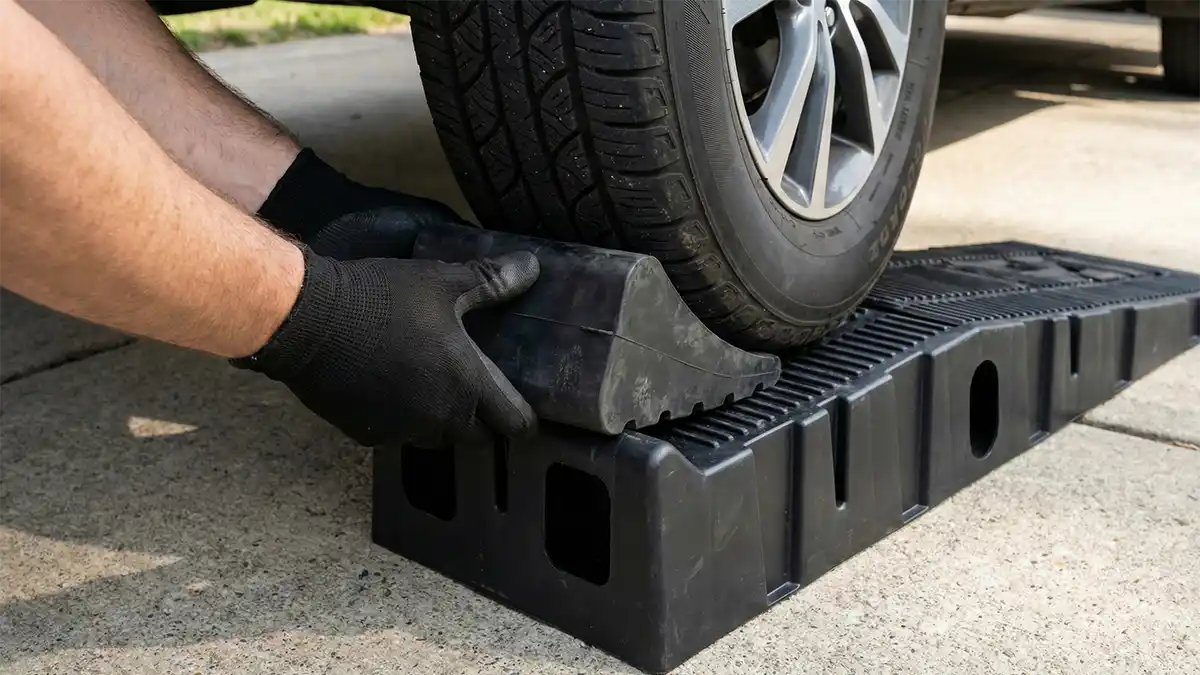
You should always use wheel chocks to prevent unintended vehicle movement, ensuring safety during parking, maintenance, loading, and when operating heavy equipment. They provide a critical physical barrier against rolling, especially on inclines or uneven surfaces, safeguarding people and property from potential accidents. This simple yet vital safety device is indispensable for anyone working with …

Read more

How to Change Wiper Blades DIY: Step-by-Step

Can You Work Under Car With Only Jack

No, it is extremely dangerous and strongly advised against. A hydraulic jack is designed for lifting a vehicle, not for supporting it for extended periods or while you are working underneath. Always use sturdy jack stands to secure a car after lifting it with a jack before performing any work. Jacks are for lifting, not …

Read more

Avoiding Common Jacking Mistakes: Safety Guide

Avoiding Common Jacking Mistakes Beginners Make

Lifting a vehicle for maintenance or repair is a fundamental skill for any car owner, but it comes with significant risks if not performed correctly. Common jacking mistakes beginners make often involve improper equipment use, incorrect placement, and overlooking crucial safety protocols, which can lead to severe injury or vehicle damage. Understanding and preventing these …

Read more

How to Check Transmission Fluid Level DIY

Where to Place Jack Stands on Car Frame

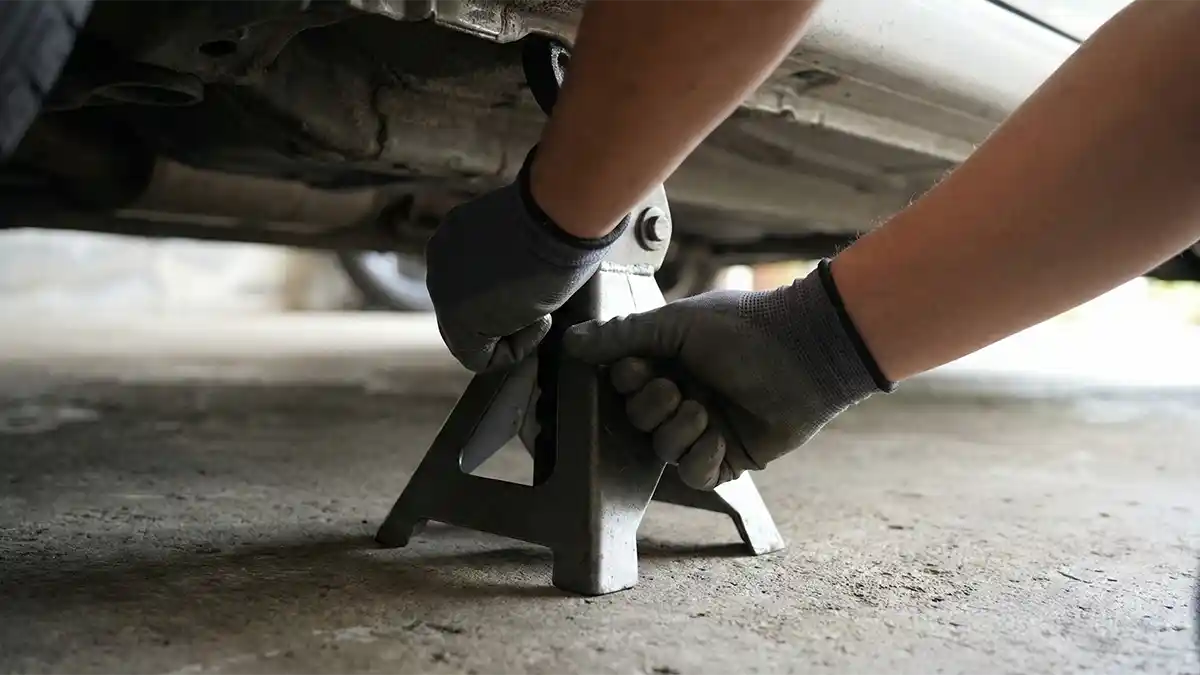
Properly placing jack stands on your car’s frame is paramount for safety when working underneath a vehicle. Jack stands should always be positioned on strong, structural points of your car, such as reinforced pinch welds, designated jack points, sturdy subframe mounting points, or solid axle tubes. Always consult your vehicle’s owner’s manual for specific recommendations …

Read more

Why You Should Use Wheel Chocks: Safety Guide

Why You Should Use Wheel Chocks

You should use wheel chocks to prevent unintended movement of vehicles and equipment, ensuring safety during maintenance, loading, unloading, or parking on inclines. They provide a critical physical barrier against rolling, protecting people and property from potential accidents and damage. Prevent accidental rolling of vehicles and equipment. Enhance safety during maintenance and repairs. Comply with …

Read more