
Replacing a car exhaust is not just about removing old pipes and bolting on new ones. Many car owners and even some new mechanics believe it’s a simple, straightforward task. In reality, it involves careful planning, the right tools, and attention to detail.
Missing small steps can cost you time, money, and even your safety. Let’s explore the most common mistakes people make when replacing a car exhaust, and how you can avoid them. By the end, you’ll know what to watch for and how to do the job right, whether you’re a DIY enthusiast or just want to make sure your mechanic does things properly.
Not Checking Compatibility
One of the biggest and most costly mistakes is buying an exhaust system that doesn’t fit your car. Exhaust systems are designed for specific makes, models, and even engine types. Even a small difference in the year or trim can make a big impact.
Car manufacturers often make changes to exhaust routing, mounting points, or the shape of the muffler between model years. If you guess or buy a “universal” part, there’s a high risk it won’t fit well. A mismatched exhaust can lead to poor performance, leaks, and even damage to your vehicle.
Always check your car’s exact year, make, model, and engine size before purchasing. Compare part numbers, and if possible, measure your old exhaust to confirm. It’s smart to consult your car’s manual or a trusted parts supplier.
Skipping Safety Precautions
Working under a car is dangerous if you don’t use the right safety equipment. Some people think jacks or makeshift supports are enough, but this is extremely risky.
Proper safety means:
- Using jack stands rated for your car’s weight
- Parking on a flat, solid surface
- Wearing gloves and eye protection
- Making sure the engine and exhaust are cool
Many injuries happen because people rush or ignore these steps. Take a few extra minutes to set up safely. Don’t trust a single jack to hold your car. Always use at least two jack stands and double-check they’re stable.
Not Soaking Bolts And Connections
Exhaust bolts and clamps are exposed to heat, water, and road salt. Over time, they get rusty and seize up. Trying to loosen them dry often leads to broken bolts or stripped threads, turning a quick job into a long one.
Before starting, spray all bolts, nuts, and joints with a penetrating oil like WD-40 or PB Blaster. Let it soak for at least 20–30 minutes (longer is better). This simple step can save you hours of work and lots of frustration.
Forgetting To Disconnect The Battery
Many exhaust systems have oxygen sensors or electronic valves. If you don’t disconnect the battery, you risk shorting out these parts or triggering warning lights.
Removing the negative battery terminal is a quick and safe way to protect your car’s electronics. It also helps prevent accidental sparks, which can be very dangerous when working under the car.
Damaging Sensors Or Wiring
Modern cars use several sensors in the exhaust system—especially oxygen sensors. These are delicate and expensive to replace. Pulling, twisting, or hitting them can break the wiring or the sensor itself.
Always use the correct sensor socket or wrench. Unplug the wiring harnesses before trying to remove a sensor. Never let the weight of the exhaust hang on a sensor wire.
Here’s a quick look at some common exhaust sensors:
| Sensor Type | Location | Function |
|---|---|---|
| Oxygen Sensor (O2) | Exhaust manifold, before and after catalytic converter | Measures oxygen for fuel adjustment |
| NOx Sensor | After catalytic converter | Monitors nitrogen oxide emissions |
| Exhaust Gas Temperature Sensor (EGT) | Near turbo or catalytic converter | Monitors exhaust temp for safety |
Poor Gasket Installation
Gaskets seal the joints between exhaust parts. If you reuse old gaskets, install new ones backwards, or use the wrong type, you will get exhaust leaks. These leaks can cause noise, performance loss, and even let dangerous fumes enter the cabin.
Always use new gaskets and check the orientation. Some gaskets have a metal side or a specific direction. Tighten bolts evenly in a cross pattern to get a good seal.

Credit: www.thesilverlining.com
Over-tightening Or Under-tightening Bolts
It’s easy to think tighter is always better, but over-tightening can crush gaskets, snap bolts, or damage flanges. Under-tightening lets joints leak and parts rattle loose.
Use a torque wrench and follow the manufacturer’s specs. If you don’t have the specs, most exhaust bolts are tightened to about 20–30 ft-lbs, but always check for your car.
Not Aligning The Exhaust Properly
A misaligned exhaust can hit the car’s underbody, hang too low, or put stress on joints. This not only causes annoying noises but can also break hangers or crack pipes over time.
Before tightening all bolts, check the fit and clearance. Make sure the exhaust is centered and has enough space from the ground, heat shields, and suspension parts.
Here is a quick comparison of what can go wrong with poor vs. proper alignment:
| Poor Alignment | Proper Alignment |
|---|---|
| Rattling noises | Quiet operation |
| Exhaust hits body/suspension | Safe clearance everywhere |
| Stress on joints and hangers | Even support and long life |

Credit: crawfordperformance.com
Ignoring Exhaust Hangers And Mounts
Rubber exhaust hangers keep your exhaust suspended and absorb vibrations. Over time, these hangers dry out or crack. If you reuse old, worn hangers, your new exhaust may sag or move around.
Inspect all mounts and hangers. Replace any that are cracked, soft, or stretched. New hangers are cheap and can prevent big problems later.
Not Checking For Exhaust Leaks
After installing the new exhaust, some people forget to check for leaks. Even a small leak can affect performance and let harmful gases like carbon monoxide escape. These gases are very dangerous if they enter the car.
Start the engine and listen for hissing or popping sounds around the joints. You can also hold a rag over the tailpipe for a second—if you hear air escaping from joints, there’s a leak. Some people use soapy water to look for bubbles, but be careful around hot parts.
Rushing The Job
Many mistakes happen because people hurry. They skip steps, forget tools, or don’t double-check their work. It’s better to take your time, read instructions, and plan each step.
Some exhaust systems need to be assembled in a certain order. If you rush, you might find yourself taking things apart again to fix something missed.
Not Reusing Or Replacing Heat Shields
Exhaust heat shields protect your car from heat damage. Some people remove them and don’t bother putting them back, thinking they’re not important. However, missing heat shields can lead to melted wires, burned carpets, or even fires.
Always reinstall heat shields after replacing the exhaust. If any are damaged or missing, replace them.
Using The Wrong Tools
Trying to use pliers or adjustable wrenches instead of the right size sockets is a common mistake. This leads to stripped nuts and bolts, making the job much harder.
Some exhaust parts need special tools, like an O2 sensor socket or exhaust pipe expander. If you don’t have the right tool, borrow or rent one. It will save you time and trouble.
Not Cleaning The Mating Surfaces
When connecting new exhaust parts, the surfaces where they join must be clean and free of old gasket material or rust. If you skip this, the new gaskets may not seal properly, causing leaks.
Use a wire brush or scraper to clean all mating surfaces before assembly. Wipe them down with a clean rag to remove any debris.
Neglecting To Test Drive And Recheck
Even after everything looks good, it’s important to test drive the car and recheck your work. Sometimes, vibrations or movement during driving can loosen bolts or reveal leaks that didn’t show up at first.
After a short drive, check all bolts, hangers, and joints. Tighten or adjust anything that has come loose.
Overlooking Local Regulations
Every area has its own rules about exhaust noise and emissions. Installing a loud or non-compliant system can get you a ticket or fail an inspection.
Check your local laws before buying or installing an aftermarket exhaust. Many places require the catalytic converter and certain sensors to remain in place.
Missing Out On Proper Documentation
If you ever sell your car, or need to prove repairs for warranty or insurance, having receipts and documentation helps. Keep all parts receipts and make a note of the installation date and mileage.
Not Considering Professional Help
Some exhaust jobs are simple, but others are complex—especially on modern cars with welded parts or tight spaces. If you’re unsure, it’s cheaper and safer to let a professional handle it.
According to Consumer Reports, complex exhaust jobs are best left to experienced mechanics to avoid mistakes and extra costs.
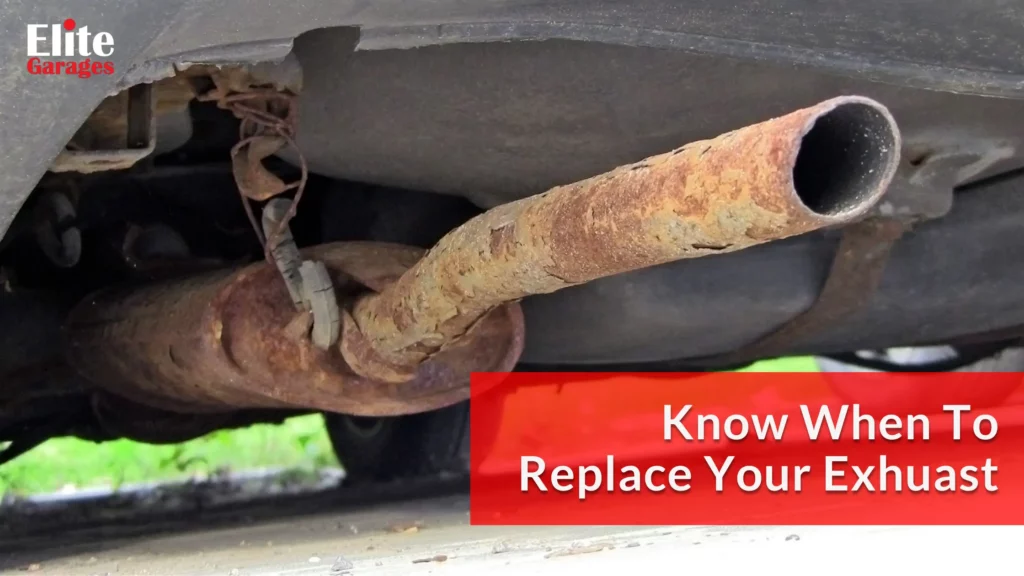
Credit: www.elitegarages.co.uk
Underestimating The Cost
People often forget to budget for extra parts, tools, or unexpected issues. Sometimes you’ll need new clamps, hangers, or even extra piping to get the fit right.
Plan for some extra expenses and time. It’s better to be prepared than surprised.
Failing To Dispose Of Old Parts Properly
Exhaust parts, especially the catalytic converter, should be disposed of safely. Catalytic converters contain precious metals and are valuable for recycling. Never throw old parts in the trash or leave them lying around.
Check local recycling centers or ask your mechanic to handle disposal.
Frequently Asked Questions
What Are The Signs Of A Bad Exhaust Installation?
Look for rattling noises, exhaust leaks, or the smell of fumes inside the car. Also, check if the exhaust hangs too low or touches any part of the car’s body.
Can I Drive With An Exhaust Leak?
It’s not safe. Exhaust leaks can let harmful gases like carbon monoxide into the cabin. They can also reduce your engine’s performance and efficiency.
How Long Does It Take To Replace A Car Exhaust?
For most cars, a simple exhaust replacement takes 2–4 hours. More complex systems, or those with rusted bolts, may take longer.
Should I Replace The Catalytic Converter With The Exhaust?
Only replace the catalytic converter if it’s damaged or clogged. They are expensive and often last longer than the rest of the exhaust system.
Do Aftermarket Exhausts Affect Fuel Economy?
Some aftermarket exhausts can improve fuel economy by reducing backpressure, but others may have no effect or even reduce efficiency if not properly matched to your car.
Replacing your car’s exhaust can be a rewarding project, but it’s easy to make mistakes that can cost you time and money. By knowing what to watch for and following best practices, you’ll get a safer, quieter, and better-performing result.
Take your time, use the right tools, and never skip the small steps. Your car—and your wallet—will thank you.