
Prioritizing safety in DIY car maintenance is paramount to prevent injuries and damage. Always wear personal protective equipment, use the correct tools and sturdy jack stands, and work in a well-ventilated area. Understanding your vehicle’s specific requirements and never working under a car supported only by a jack are fundamental principles.
- Always wear appropriate Personal Protective Equipment (PPE).
- Securely support your vehicle with jack stands, never just a jack.
- Work in a well-lit and well-ventilated environment.
- Use the right tools for the job and keep them in good condition.
- Understand your vehicle’s systems before starting any work.
- Know when a task exceeds your skill level and seek professional help.
The Importance of Safe DIY Car Maintenance Practices
Engaging in do-it-yourself (DIY) car maintenance can be a rewarding experience, offering a deeper understanding of your vehicle and potentially saving money. However, the automotive environment presents numerous hazards, from heavy components and hot fluids to electrical systems and movingparts. Neglecting safety precautions can lead to severe injuries, including burns, cuts, crushing injuries, and even electrocution. Adopting a safety-first mindset is not merely a recommendation; it is a critical requirement for anyone working on their vehicle.
A commitment to safety ensures not only your well-being but also the longevity and proper functioning of your vehicle. Improper procedures or inadequate safety measures can result in damage to vehicle components, leading to more extensive and costly repairs down the line. By adhering to established safety protocols, DIY enthusiasts can confidently tackle maintenance tasks, knowing they are minimizing risks to themselves and their automobiles.
Essential Pre-Work Safety Checks and Preparations
Before any wrench is turned, thorough preparation is key to a safe DIY car maintenance session. This initial phase sets the foundation for a secure working environment and helps anticipate potential issues. A few moments spent on preparation can prevent hours of regret.
Workspace Assessment and Setup
Begin by selecting an appropriate workspace. A flat, level, and solid surface is crucial for vehicle stability, especially when lifting. Avoid working on sloped driveways or soft ground. Ensure the area is well-lit, either with natural light or portable work lights, to clearly see components and potential hazards. Good ventilation is also vital, particularly when dealing with fumes from gasoline, exhaust, or cleaning solvents.
Clear the workspace of clutter, tools not in use, and any tripping hazards. Having a clean, organized area reduces the risk of accidents and improves efficiency. Keep a fire extinguisher rated for electrical and flammable liquid fires (Class B and C) readily accessible. A first-aid kit should also be within easy reach for minor cuts or scrapes.
Vehicle-Specific Information and Manuals
Every vehicle is unique, and its owner’s manual is an invaluable resource. Before starting any task, consult your car’s manual for specific instructions regarding maintenance procedures, fluid types, torque specifications, and safety warnings. Pay close attention to jacking points, fluid capacities, and any special tools required. Understanding these details prevents errors and ensures proper vehicle care.
diy car maintenance safety tips: Your Ultimate Checklist
A comprehensive approach to safety involves a checklist of practices that should become second nature for any DIY mechanic. These tips cover a broad range of scenarios and are designed to protect you from common automotive hazards.
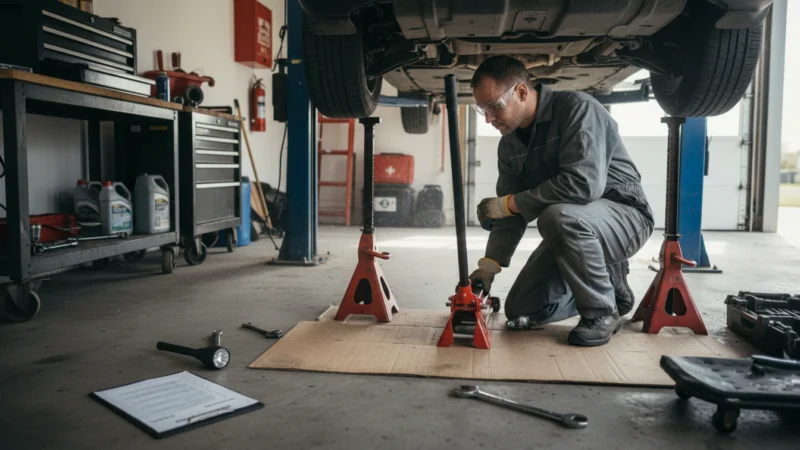
- Always Use Jack Stands:Never rely solely on a hydraulic jack to support a vehicle. Once the car is lifted, immediately place sturdy jack stands under the designated support points and lower the vehicle onto them. Gently shake the car to confirm stability before working underneath.
- Disconnect the Battery:When working on electrical components or near airbags, always disconnect the negative terminal of the battery first. This prevents accidental shorts, electrical shocks, and unintended airbag deployment.
- Allow Engine to Cool:Hot engine components, exhaust systems, and fluids can cause severe burns. Always allow the engine to cool completely before attempting any work that involves touching these parts or draining fluids.
- Chock Wheels:Before lifting the vehicle or working on brakes, place wheel chocks on the wheels that remain on the ground. This prevents the car from rolling unexpectedly.
- Proper Ventilation:If the engine must be run, ensure you are in a well-ventilated area or use an exhaust extraction system to prevent carbon monoxide poisoning. Never run an engine in an enclosed garage without proper ventilation.
- Secure Loose Clothing and Hair:Loose clothing, jewelry, or long hair can get caught in moving engine parts, leading to serious injury. Tie back long hair, remove jewelry, and wear fitted clothing.
- Read Chemical Labels:Automotive fluids and chemicals can be hazardous. Always read product labels for proper handling, storage, and disposal instructions. Use them in well-ventilated areas and wear appropriate PPE.
- Avoid Open Flames and Sparks:Fuel and other automotive fluids are highly flammable. Keep open flames, sparks, and smoking materials away from the work area, especially when working with fuel lines or tanks.
- Stay Hydrated and Take Breaks:DIY car maintenance can be physically demanding. Stay hydrated and take regular breaks to avoid fatigue, which can lead to mistakes and accidents.
Personal Protective Equipment (PPE) for Auto Work
Personal Protective Equipment (PPE) acts as your first line of defense against the many hazards present in automotive repair. Investing in quality PPE is a small price to pay for your safety and well-being.
Essential PPE Items
A basic PPE kit for DIY car maintenance should include several key items:
- Safety Glasses or Goggles:Protect your eyes from flying debris, splashes of fluids, and chemical fumes. Always wear them, even for seemingly simple tasks.
- Work Gloves:Heavy-duty gloves protect your hands from cuts, abrasions, hot surfaces, and chemicals. Different tasks may require different types of gloves, such as nitrile for chemical resistance or leather for heavy lifting.
- Hearing Protection:Air tools, impact wrenches, and running engines can produce noise levels that damage hearing over time. Earplugs or earmuffs are essential for prolonged exposure.
- Respirator or Dust Mask:When working with brake dust, sanding, or using strong solvents, a respirator or dust mask protects your lungs from harmful particles and fumes.
- Work Overalls or Durable Clothing:Protect your skin from grease, oil, and chemicals, and prevent your everyday clothes from getting damaged. Avoid loose-fitting garments that could get caught in machinery.
- Steel-Toe Boots:Protect your feet from falling tools, heavy parts, and crushing injuries. Non-slip soles also provide better traction on oily or wet surfaces.
Safe Handling of Tools and Equipment
The effectiveness of your tools is directly linked to their condition and how they are used. Proper tool handling and maintenance are crucial for both safety and successful repairs.
Tool Selection and Inspection
Always use the right tool for the job. Using an incorrect tool can damage fasteners, the vehicle, or yourself. Before each use, inspect tools for damage, such as cracks, frayed cords, or worn insulation. Never use damaged tools; repair or replace them immediately. Keep tools clean and organized to prevent loss and ensure they are ready for use.
Proper Use of Lifting Equipment
Jacks and jack stands are indispensable for working under a vehicle, but they must be used correctly. Always consult your vehicle’s owner’s manual for the correct jacking points. Lift the vehicle slowly and steadily, ensuring the jack is on a stable, level surface. Once lifted, position jack stands securely under the vehicle’s frame or designated support points, then slowly lower the vehicle onto the stands. Never work under a vehicle supported only by a jack.
Specific Safety Considerations for Common Tasks
Different maintenance tasks present unique safety challenges. Being aware of these specific considerations can help you prepare and mitigate risks.
Oil Changes and Fluid Handling
Engine oil, transmission fluid, and coolant can be hot and corrosive. Always allow the engine to cool before draining fluids. Use appropriate drain pans and funnels to prevent spills, which can create slip hazards. Wear chemical-resistant gloves and eye protection. Dispose of used fluids responsibly at designated recycling centers; never pour them down drains or onto the ground.
Brake System Work
Brake dust can contain asbestos or other harmful particles. When working on brakes, wear a respirator or dust mask and safety glasses. Avoid using compressed air to blow off brake dust, as this can aerosolize harmful particles. Use a brake cleaner or a wet rag to clean components. Ensure the vehicle is securely supported on jack stands and the wheels are chocked before removing tires or working on calipers.
Battery Maintenance
Car batteries contain sulfuric acid, which is highly corrosive, and produce hydrogen gas, which is highly flammable. Always wear safety glasses, gloves, and old clothing when working with batteries. Disconnect the negative terminal first, then the positive. When reconnecting, attach the positive first, then the negative. Avoid creating sparks near the battery, and ensure good ventilation to disperse hydrogen gas.
Recognizing and Avoiding Common Hazards
Awareness of potential dangers is a critical component of DIY safety. Many accidents can be prevented by simply recognizing a hazard before it causes harm.
Electrical Hazards
Modern vehicles contain complex electrical systems. Never work on live electrical circuits unless absolutely necessary, and always disconnect the battery first. Be cautious of frayed wires or damaged insulation, which can cause shorts or shocks. Avoid wearing metal jewelry when working near electrical components, as it can conduct electricity and cause burns.
Chemical and Flammability Risks
Gasoline, oil, brake fluid, and other automotive chemicals are often flammable, corrosive, or toxic. Store these substances in their original, labeled containers in a cool, dry, well-ventilated area, away from heat sources or open flames. Always use them in well-ventilated spaces and wear appropriate PPE. Clean up spills immediately to prevent slip hazards and fire risks.
Crushing and Impact Hazards
The most severe injuries in DIY car maintenance often involve crushing. This underscores the importance of properly supporting a vehicle with jack stands. Never place any part of your body under a vehicle supported only by a jack. Be mindful of heavy components like wheels, transmissions, or engine parts that could fall or shift during removal or installation. Use proper lifting techniques and seek assistance when handling heavy items.
What to Do in an Emergency Situation
Even with the best precautions, accidents can happen. Knowing how to react quickly and effectively in an emergency can minimize harm.
First Aid and Emergency Contacts
Keep a fully stocked first-aid kit readily available and know how to use its contents. Familiarize yourself with basic first aid for cuts, burns, and chemical exposure. Have emergency contact numbers (e.g., poison control, emergency services) posted or saved in your phone. In case of a serious injury, call for professional medical help immediately.
Fire Safety
If a fire breaks out, your first priority is personal safety. If the fire is small and contained, use your fire extinguisher. Aim at the base of the flames and sweep the nozzle. If the fire is large, spreading, or involves fuel, evacuate the area immediately and call emergency services. Never attempt to fight a fire that is beyond your control or puts you at risk.
When to Seek Professional Help for Car Maintenance
While DIY maintenance is empowering, there are clear boundaries where professional expertise becomes essential. Recognizing these limits is a crucial aspect of responsible car ownership and safety.
Complex Repairs and Specialized Tools
Some repairs require specialized diagnostic equipment, tools, or advanced technical knowledge that is beyond the scope of a typical DIY enthusiast. Tasks involving internal engine components, transmission overhauls, advanced electrical diagnostics, or airbag systems are best left to certified mechanics. Attempting these without proper training and equipment can lead to further damage or dangerous situations.
Safety-Critical Systems
Components directly related to vehicle safety, such as brakes, steering, suspension, and advanced driver-assistance systems (ADAS), demand precision and expertise. While basic brake pad replacement might be a DIY task for some, complex brake system repairs, steering rack replacement, or suspension component adjustments that affect alignment should typically be performed by professionals. Incorrect repairs to these systems can compromise vehicle safety on the road.
Beyond Your Comfort Level
If a task feels overwhelming, you lack confidence, or you’re unsure about any step, it’s always safer to consult a professional. Your safety and the integrity of your vehicle are not worth risking for the sake of a DIY attempt. A trusted mechanic can provide expert service, ensuring the job is done correctly and safely.
Frequently Asked Questions
What are the most crucial diy car maintenance safety tips for beginners?
For beginners, the most crucial safety tips include always using jack stands to support the vehicle, wearing appropriate personal protective equipment like safety glasses and gloves, and ensuring your workspace is flat, level, and well-lit. Always read your vehicle’s owner’s manual before starting any task to understand specific requirements and warnings.
How can I safely lift and support my car for maintenance?
To safely lift and support your car, park it on a flat, solid surface and chock the wheels that will remain on the ground. Use a hydraulic jack at the manufacturer-specified jacking points to lift the vehicle. Once at the desired height, place sturdy jack stands under the designated support points and slowly lower the vehicle onto the stands. Gently shake the car to confirm stability before working underneath.
What personal protective equipment (PPE) is essential for diy car maintenance?
Essential PPE for DIY car maintenance includes safety glasses or goggles to protect your eyes from debris and splashes, work gloves for hand protection against cuts and chemicals, and durable clothing or overalls. Depending on the task, hearing protection, a respirator, and steel-toe boots may also be necessary to ensure comprehensive safety.
Are there specific diy car maintenance safety tips for working with fluids?
When working with automotive fluids, always allow the engine to cool to prevent burns from hot oil or coolant. Wear chemical-resistant gloves and eye protection to guard against corrosive substances. Use appropriate drain pans and funnels to prevent spills, and ensure proper ventilation to avoid inhaling fumes. Always dispose of used fluids responsibly at designated recycling centers.
What common mistakes should I avoid during diy car maintenance?
Common mistakes to avoid include working under a vehicle supported only by a jack, neglecting to wear PPE, using damaged or incorrect tools, and not allowing the engine to cool before working on hot components. Additionally, avoid working in poorly lit or unventilated areas, and never rush a task, as haste often leads to errors and accidents.
When should I consider professional help instead of attempting diy car maintenance?
You should consider professional help when a repair requires specialized tools or diagnostic equipment you don’t possess, involves complex systems like internal engine components or advanced electronics, or affects critical safety systems such as steering or airbags. If you lack confidence, feel overwhelmed, or are unsure about any step, it is always safer to consult a certified mechanic.
Conclusion
Embracing DIY car maintenance offers numerous benefits, but it must always be approached with an unwavering commitment to safety. By diligently following essential safety tips, from wearing appropriate PPE and securely supporting your vehicle to understanding potential hazards and using tools correctly, you can protect yourself and your investment. Remember that knowing your limits and recognizing when to seek professional assistance is a sign of responsible car ownership. Prioritize safety in every step, and your DIY automotive endeavors will be both productive and secure.
Related Guides: Is It Safe to Work Under a Car? Essentia, Where to Place Jack Stands on a Car, When Not to DIY Car Repairs, How to Safely Jack Up a Car at Home, Essential Personal Protective Equipment .
Also Read: Is It Safe to Work Under a Car, How to Safely Work Under a Car at Home.