
DIY maintenance for high mileage cars involves a proactive approach to fluid management, thorough inspections of wear-and-tear components, and prompt attention to minor issues. Regular upkeep helps prevent major breakdowns, maintains vehicle safety, and significantly extends the operational life of an older automobile. By following a consistent maintenance schedule, owners can keep their high mileage vehicles running reliably.
- Regular fluid checks and timely changes are paramount.
- Inspect belts, hoses, and filters for signs of wear.
- Prioritize brake system and tire health for safety.
- Address small issues quickly to avoid larger problems.
- Utilize proper tools and always prioritize safety during tasks.
Why High Mileage Cars Demand Special Attention
Vehicles with high mileage have accumulated significant operational hours and distance, leading to natural wear and tear on various components. Engine parts, transmission gears, suspension bushings, and seals are all subjected to continuous stress and friction over time. This cumulative effect means that older cars are more susceptible to component fatigue and fluid degradation.

Ignoring these signs can lead to decreased performance, reduced fuel efficiency, and ultimately, premature failure of critical systems. Proactive maintenance helps mitigate these effects, ensuring that components are replaced or serviced before they fail catastrophically. It also helps maintain the vehicle’s overall integrity and reliability.
Essential Fluid Management for Longevity
Fluids are the lifeblood of any vehicle, and for high mileage cars, their condition is even more critical. Regular checking and timely replacement of fluids can prevent extensive damage and ensure smooth operation. Neglecting fluid maintenance is a common cause of major mechanical issues in older vehicles.

Engine Oil
Engine oil lubricates moving parts, dissipates heat, and cleans the engine. For high mileage cars, oil can break down faster due to increased engine temperatures and contaminants. Regularly check the oil level and color, and adhere to a strict oil change schedule, often opting for high-mileage specific oils that contain additives to protect seals and reduce wear.
Transmission Fluid
Transmission fluid lubricates gears, cools the transmission, and helps transfer power. Old or contaminated transmission fluid can lead to rough shifting, overheating, and eventual transmission failure. Check the fluid level and condition, and consider a fluid and filter change according to the manufacturer’s recommendations or when the fluid appears dark or smells burnt.
Coolant
Coolant prevents the engine from overheating and freezing. Over time, coolant can lose its protective properties, leading to corrosion and reduced cooling efficiency. Inspect the coolant level and condition, and flush and replace it as recommended. This prevents damage to the radiator, water pump, and engine block.
Brake Fluid and Power Steering Fluid
Brake fluid is crucial for safe stopping, while power steering fluidensures smooth steering. Both can absorb moisture over time, reducing their effectiveness and potentially damaging components. Check their levels and consider periodic flushes and replacements to maintain optimal performance and safety.
Brake System and Tire Care: Prioritizing Safety
The brake system and tires are paramount for vehicle safety. For high mileage cars, these components experience significant wear and require diligent attention to prevent accidents and ensure reliable stopping power.

Brake System Inspection
Regularly inspect brake pads, rotors, calipers, and brake lines. Look for signs of excessive wear on pads and rotors, such as thin pads or deep grooves. Check brake lines for leaks or cracks. Ensure the brake fluid reservoir is at the correct level. Any unusual noises or changes in braking feel should be investigated immediately.
Tire Health and Maintenance
Tires are the only contact point between your car and the road. Check tire pressure weekly, as incorrect pressure affects handling, fuel efficiency, and tire lifespan. Inspect tread depth for adequate grip and look for uneven wear patterns, which can indicate alignment or suspension issues. Rotate tires every 5,000-7,500 miles to promote even wear and extend their life.
Belts, Hoses, and Filters: Preventing Unexpected Breakdowns
These often-overlooked components play vital roles in your car’s operation. Their failure can lead to immediate breakdowns or significant engine damage. Regular inspection and timely replacement are key to preventing unexpected issues in high mileage vehicles.
Belts
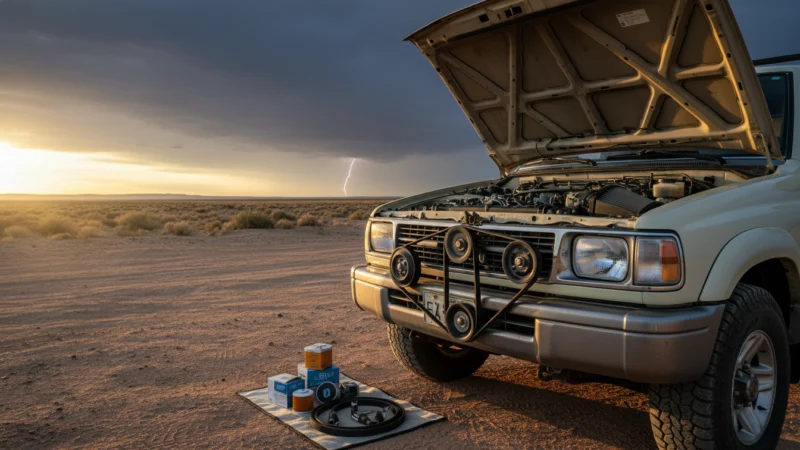
The serpentine belt drives accessories like the alternator, power steering pump, and air conditioning compressor. Inspect it for cracks, fraying, or glazing. A squealing sound often indicates a worn or loose belt. If your car has a timing belt, adhere strictly to its replacement schedule, as its failure can cause severe engine damage.
Hoses
Radiator hoses, heater hoses, and vacuum lines can become brittle, cracked, or soft over time. Inspect them for swelling, leaks, or hardening. A burst hose can lead to rapid coolant loss and engine overheating. Replace any hose showing signs of degradation promptly.
Filters
Air filters, fuel filters, and cabin filters all contribute to your car’s performance and your comfort. A clogged air filter restricts airflow to the engine, reducing power and fuel efficiency. A dirty fuel filter can starve the engine of fuel. A soiled cabin filter reduces air quality inside the vehicle. Replace these filters according to your car’s maintenance schedule or more frequently in dusty conditions.
DIY Maintenance for High Mileage Cars: A Step-by-Step Approach
Taking a systematic approach to maintaining your high mileage vehicle can make the process manageable and effective. Always refer to your vehicle’s owner’s manual for specific recommendations and specifications.
- Gather Your Tools and Supplies:Ensure you have the necessary wrenches, sockets, jack stands, oil filter wrench, drain pan, and appropriate fluids and parts before starting.
- Perform a Visual Inspection:With the car safely on jack stands, visually inspect the engine bay, undercarriage, tires, and lights. Look for leaks, loose components, or damaged parts.
- Check Fluid Levels and Condition:Inspect engine oil, transmission fluid, coolant, brake fluid, and power steering fluid. Top off or change as needed, observing color and consistency.
- Inspect Belts and Hoses:Examine all belts for cracks, fraying, or excessive wear. Squeeze hoses to check for softness or hardness, and look for any bulges or leaks.
- Examine Brakes and Tires:Check brake pad thickness and rotor condition. Measure tire tread depth and check for even wear. Adjust tire pressure to recommended levels.
- Replace Filters:Change the engine air filter, cabin air filter, and fuel filter (if accessible and part of your maintenance plan) as per schedule.
- Lubricate Components:Grease chassis components with zerk fittings, if applicable, to reduce friction and wear.
- Test Lights and Wipers:Ensure all exterior and interior lights are functioning. Check windshield wiper blades for effectiveness and replace if streaking or chattering.
- Address Minor Issues Promptly:Fix small problems like a loose battery terminal, a squeaky belt, or a minor fluid leak before they escalate.
- Keep Records:Document all maintenance performed, including dates and mileage. This helps track future service needs and can be valuable for resale.
Addressing Common Wear and Tear Issues in Older Vehicles
High mileage cars often develop specific issues due to prolonged use. Being aware of these common problems allows for proactive diagnosis and repair, preventing more significant damage.
Suspension Components
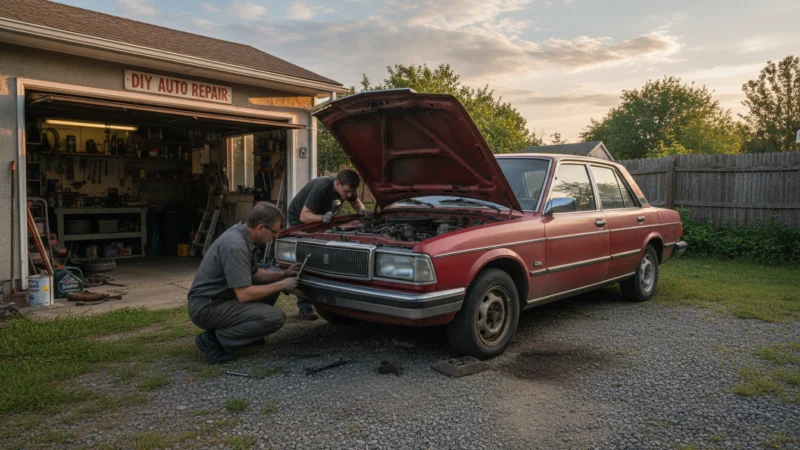
Shocks, struts, and bushings wear out, leading to a rougher ride, poor handling, and increased tire wear. Listen for clunking noises over bumps and check for fluid leaks from shocks or struts. Inspect bushings for cracks or excessive play.
Exhaust System
Mufflers, pipes, and catalytic converters can rust and develop leaks over time. Listen for unusual exhaust noises, which can indicate a leak. Address these to maintain proper emissions and avoid potential safety hazards from exhaust fumes entering the cabin.
Battery Health
Batteries typically last 3-5 years. For high mileage cars, regular battery testingis crucial, especially in extreme temperatures. Check terminals for corrosion and ensure connections are tight. Replace the battery before it fails completely, leaving you stranded.
Spark Plugs and Ignition System
Worn spark plugs can lead to misfires, reduced fuel efficiency, and poor engine performance. Replace them according to the manufacturer’s schedule. Also, inspect ignition coils and wires for cracks or damage, as these can also cause ignition problems.
Tools, Supplies, and Safety for the Home Mechanic
Having the right tools and prioritizing safety are fundamental for successful DIY car maintenance. Investing in quality equipment makes tasks easier and safer.
Essential Tools
A basic toolkit should include a socket set, wrench set, screwdrivers, pliers, a torque wrench, a floor jack, and sturdy jack stands. For fluid changes, you’ll need a drain pan, funnel, and oil filter wrench. A multimeter is useful for electrical checks.
Safety First
Always work on a level surface. Use jack stands to support the vehicle securely after lifting it with a jack; never rely solely on the jack. Wear appropriate personal protective equipment, including safety glasses and gloves. Ensure the engine is cool before working on hot components. Disconnect the battery’s negative terminal when working on electrical systems to prevent accidental shorts.
Maximizing Your High Mileage Car’s Lifespan and Resale Value
Consistent DIY maintenance not only keeps your high mileage car reliable but also significantly contributes to its overall lifespan and potential resale value. A well-maintained vehicle, even with many miles, demonstrates care and attention to prospective buyers.
By preventing major issues through regular checks and addressing minor problems promptly, you avoid the cumulative damage that can render a car uneconomical to repair. Documenting your maintenance efforts with receipts and a service log further enhances the car’s appeal and verifies its condition. This proactive approach ensures your investment continues to serve you well for many years.
Frequently Asked Questions
How often should I perform DIY maintenance on my high mileage car?
A general rule is to perform basic checks monthly, such as fluid levels and tire pressure. More comprehensive inspections, including belts, hoses, and brakes, should occur every 3-6 months or with every oil change. Always refer to your vehicle’s owner’s manual for specific service intervals tailored to your car’s make and model.
What are the most critical DIY maintenance tasks for high mileage cars?
The most critical tasks include regular engine oil and filter changes, checking and topping off all other fluids (transmission, coolant, brake, power steering), inspecting tire pressure and tread, and examining belts and hoses for wear. These tasks directly impact the car’s core operational systems and safety.
Can regular DIY maintenance truly extend the life of a high mileage car?
Yes, absolutely. Regular DIY maintenance can significantly extend the life of a high mileage car by preventing component failures, reducing wear and tear, and ensuring all systems operate efficiently. Proactive care addresses small issues before they become major, costly problems, preserving the vehicle’s integrity.
What specific fluids should I prioritize in DIY maintenance for high mileage cars?
Prioritize engine oil, transmission fluid, and coolant. These fluids are vital for engine and transmission health and temperature regulation. Also, regularly check brake fluid and power steering fluid, as their degradation can impact safety and steering performance.
Are there any common mistakes to avoid during DIY maintenance for high mileage cars?
Common mistakes include neglecting safety precautions like using jack stands, over-tightening fasteners, using incorrect fluids or parts, and ignoring unusual noises or warning lights. Always consult your owner’s manual for specifications and never attempt repairs beyond your skill level.
When should I consider professional help over DIY maintenance for my high mileage vehicle?
Consider professional help for complex repairs involving specialized tools, diagnostic equipment, or safety-critical systems like advanced braking or airbag systems. If you’re unsure about a repair, lack the proper knowledge, or encounter issues beyond basic maintenance, a certified mechanic can ensure the job is done correctly and safely.
Conclusion
DIY maintenance for high mileage cars is a rewarding and effective way to ensure your vehicle remains reliable and safe for years to come. By consistently checking fluids, inspecting wear components, and addressing minor issues promptly, you can significantly extend your car’s lifespan and maintain its performance. Remember to prioritize safety in all your endeavors and consult your owner’s manual for specific guidelines. Empower yourself with knowledge and tools to keep your trusted high mileage companion running strong, or consult a trusted mechanic when professional expertise is required.