
The exact amount of oil your car needs for a DIY change varies significantly by make, model, and engine size, typically ranging from 3.5 to 7 liters. To determine the precise capacity for your specific vehicle, always consult your owner’s manual or a reliable online automotive resource.
- Always check your vehicle’s owner’s manual for the exact oil capacity.
- Engine size and design are primary factors influencing oil volume.
- Using the correct oil type and viscosity is as important as the quantity.
- Safety gear and proper tools are essential for a successful DIY oil change.
- Responsible disposal of used engine oil protects the environment.
Understanding Your Engine Oil: Why It Matters
Engine oil is the lifeblood of your vehicle, performing several critical functions that ensure smooth operation and longevity. It lubricates moving parts, reducing friction and wear that can lead to costly damage. Beyond lubrication, engine oil also helps to cool the engine by dissipating heat generated during combustion.

Furthermore, oil cleans the engine by carrying away dirt, sludge, and microscopic metal particles, preventing them from accumulating and causing blockages. It also provides a protective seal between the pistons, rings, and cylinder walls, maintaining compression. Regular oil changes with the correct amount and type of oil are paramount for maintaining engine health and performance.
How Many Liters of Oil My Car Needs DIY: Finding the Right Capacity
Determining the precise oil capacity for your vehicle is the first and most crucial step before undertaking a DIY oil change. Overfilling or underfilling your engine with oil can lead to significant problems, ranging from reduced performance to severe engine damage. The amount of oil required is not universal; it is specifically engineered for each engine.

Factors influencing oil capacity include the engine’s physical size, the number of cylinders, and its overall design. For instance, a compact four-cylinder engine will naturally require less oil than a large V8 engine. Turbocharged engines or those with specific cooling systems might also have different requirements. Always aim for accuracy to ensure your engine operates as intended.
Locating Your Vehicle’s Oil Capacity and Specifications
The most accurate and reliable source for your car’s oil capacity is its owner’s manual. This comprehensive guide, provided by the manufacturer, contains all the essential information about your vehicle’s maintenance requirements. Look for a section on ‘Specifications’ or ‘Maintenance’ that details fluid capacities, includingengine oil.

If your owner’s manual is unavailable, several reputable online resources can provide this information. Automotive manufacturer websites often have digital versions of manuals. Additionally, trusted automotive parts store websites or independent automotive information sites frequently offer vehicle-specific oil capacity charts. When using online sources, always cross-reference information from at least two different reputable sites to confirm accuracy.
Choosing the Correct Engine Oil Type and Viscosity
Beyond knowing how many liters of oil your car needs, selecting the correct oil type and viscosity is equally vital. Your owner’s manual will specify the recommended oil type, such as conventional, synthetic blend, full synthetic, or high-mileage oil. Each type offers different performance characteristics and is suited for various engine designs and driving conditions.
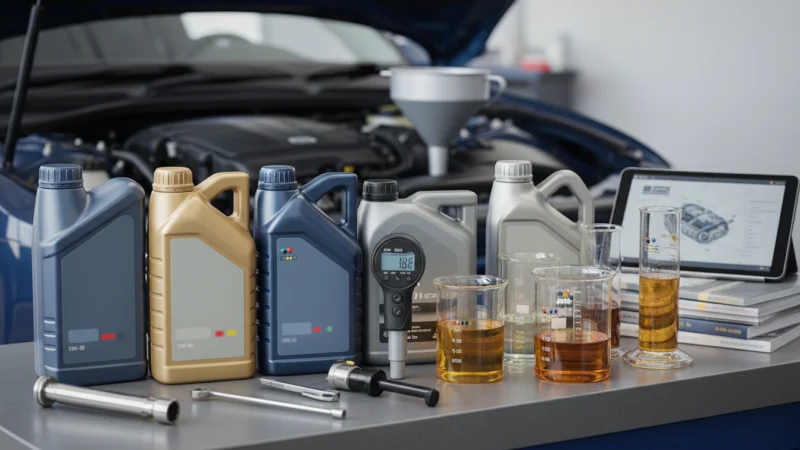
Viscosity, indicated by numbers like ‘5W-30’ or ‘0W-20’, refers to the oil’s resistance to flow at different temperatures. The ‘W’ stands for winter, indicating the oil’s performance in cold conditions, while the second number represents its viscosity at operating temperature. Using the wrong viscosity can affect lubrication efficiency, fuel economy, and engine wear. Always adhere strictly to the manufacturer’s recommendations for both oil type and viscosity.
Essential Tools and Safety Gear for a DIY Oil Change
Performing a DIY oil change requires a few essential tools and, more importantly, appropriate safety gear. Prioritizing safety will help prevent injuries and ensure a smooth process.
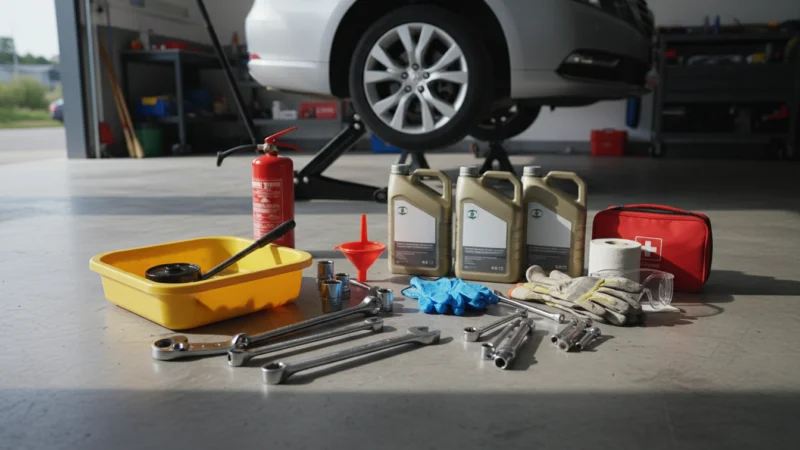
Required Tools:
- Wrench or Socket Set:To remove the drain plug.
- Oil Filter Wrench:Specifically designed to remove the oil filter.
- Drain Pan:To collect the used oil.
- Funnel:To pour new oil without spills.
- Jack and Jack Stands:To safely lift and support the vehicle. Never rely solely on a jack.
- Torque Wrench:To tighten the drain plug and oil filter to manufacturer specifications.
Safety Gear:
- Safety Glasses:To protect your eyes from splashes.
- Gloves:To protect your hands from hot oil and chemicals.
- Creeper or Cardboard:For comfort and to keep clean while working under the car.
Always ensure your vehicle is on a level surface and the engine has cooled down sufficiently before starting. Hot oil can cause severe burns.
Step-by-Step Guide to Performing Your Own Oil Change
Once you have gathered your tools, safety gear, and the correct amount and type of oil, you can proceed with the oil change. Follow these steps carefully:
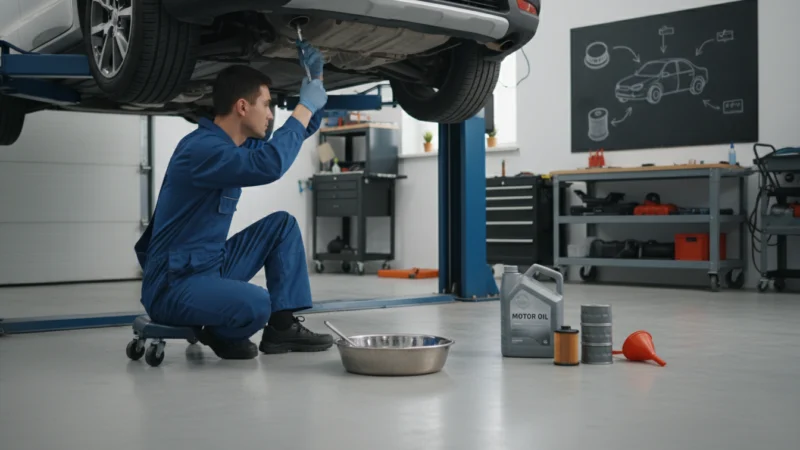
- Prepare the Vehicle:Park your car on a level surface. Engage the parking brake. If necessary, use a jack to raise the front of the vehicle and secure it firmly with jack stands.
- Locate and Position Drain Pan:Find the oil drain plug, usually at the lowest point of the oil pan. Place your drain pan directly underneath it.
- Drain the Old Oil:Using the appropriate wrench, carefully loosen and remove the drain plug. Be prepared for hot oil to flow out. Allow all the old oil to drain completely, which may take several minutes.
- Replace the Drain Plug:Once the oil has drained, clean the drain plug and its washer. Replace the washer if recommended by the manufacturer. Reinstall the drain plug and tighten it to the manufacturer’s specified torque using a torque wrench.
- Remove and Replace Oil Filter:Locate the oil filter. Place the drain pan underneath it, as some oil will spill. Use an oil filter wrench to loosen and remove the old filter. Apply a thin film of new oil to the rubber gasket of the new filter. Hand-tighten the new filter until snug, then give it an additional quarter to half turn, or follow manufacturer instructions.
- Add New Engine Oil:Using a funnel, slowly pour the specified amount of new engine oil into the oil filler cap opening on the engine.
- Check Oil Level:After adding the oil, wait a few minutes for it to settle. Remove the dipstick, wipe it clean, reinsert it fully, then remove it again to check the oil level. It should be between the ‘min’ and ‘max’ marks. Add more oil in small increments if needed.
- Start Engine and Check for Leaks:Start the engine and let it run for a minute or two. Check for any leaks around the drain plug and oil filter. Turn off the engine, wait a few minutes, and recheck the oil level, adding more if necessary.
- Lower Vehicle and Dispose of Oil:Carefully lower your vehicle from the jack stands. Ensure proper disposal of the used oil.
Checking and Maintaining Proper Oil Levels After the Change
Performing a DIY oil change is a significant step, but the job isn’t truly complete without ongoing monitoring. After your oil change, it’s crucial to regularly check your oil level, ideally every few weeks or before a long trip. This practice helps ensure your engine always has sufficient lubrication and can alert you to any potential oil consumption issues or leaks.

To check the oil level, park your car on a level surface and ensure the engine has been off for at least 10-15 minutes to allow oil to drain back into the pan. Pull out the dipstick, wipe it clean, reinsert it fully, then pull it out again. The oil level should be between the ‘full’ and ‘add’ marks. If it’s low, add a small amount of the same type of oil you used for the change, then recheck.
Troubleshooting Common DIY Oil Change Issues
While a DIY oil change is generally straightforward, issues can sometimes arise. One common problem is a stripped drain plug or oil pan threads, often caused by overtightening. If this occurs, you may need to use an oversized drain plug or, in severe cases, replace the oil pan.
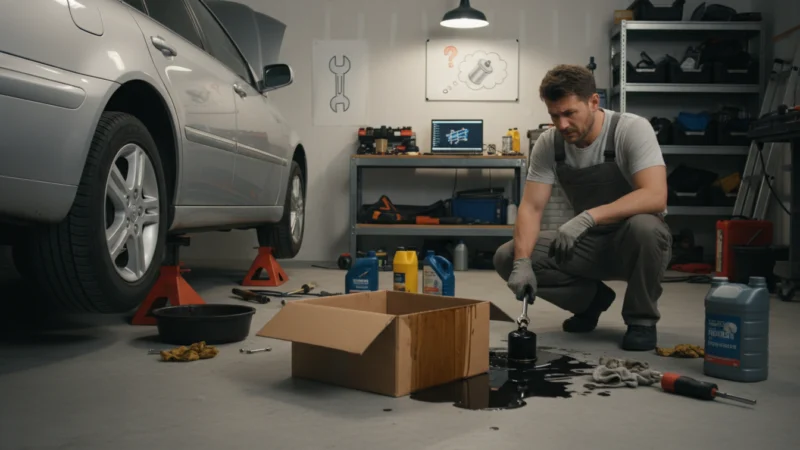
Another issue is oil leaks after the change. These usually stem from an improperly tightened drain plug or oil filter, a damaged drain plug washer, or a faulty oil filter gasket. Always double-check these components for proper seating and torque. If you encounter persistent leaks or other unusual symptoms after an oil change, it’s best to consult a professional mechanic to diagnose and resolve the problem safely.
Responsible Disposal of Used Engine Oil
Used engine oil is a hazardous waste and must never be poured down drains or onto the ground. Proper disposal is not only environmentally responsible but often legally mandated. Most automotive parts stores, service stations, and municipal recycling centers accept used engine oil for recycling, usually free of charge.

Collect the used oil in a clean, sealable container, such as the original new oil container or a dedicated used oil container. Ensure the container is clearly labeled. Contact your local recycling facility or automotive service center to inquire about their specific drop-off procedures. Recycling used oil prevents pollution and allows the oil to be re-refined into new lubricants or used as fuel for industrial furnaces.
Frequently Asked Questions
How do I find out how many liters of oil my car needs DIY?
The most reliable way to find out how many liters of oil your car needs for a DIY change is to consult your vehicle’s owner’s manual. It contains precise specifications for your engine’s oil capacity. If the manual is unavailable, reputable automotive manufacturer websites or trusted online parts retailers can also provide this information.
What happens if I put too much or too little oil in my car during a DIY change?
Putting too much oil can cause aeration, leading to reduced lubrication and potential damage to seals and gaskets. Too little oil can result in insufficient lubrication, causing increased friction, overheating, and severe engine wear. Both scenarios can significantly harm your engine’s performance and lifespan.
Is it always in liters when determining how many liters of oil my car needs?
While this guide focuses on liters, oil capacity can also be expressed in quarts, especially in the United States. One liter is approximately 1.057 quarts. Always pay attention to the unit of measurement specified in your owner’s manual or chosen resource to ensure you add the correct volume.
Can the amount of oil my car needs change over time?
The fundamental oil capacity of your engine, as specified by the manufacturer, does not change over time. However, older engines might consume oil between changes, meaning you might need to add small amounts periodically to maintain the proper level. Always refer to the original manufacturer specifications for the full capacity during a complete oil change.
What tools do I need to accurately measure how many liters of oil my car needs for a DIY change?
You don’t need special tools to measure how many liters of oil your car needs; this information is found in your owner’s manual. However, you will need a funnel and a container with clear volume markings (like the new oil bottles) to accurately add the specified amount of new oil to your engine during the change.
How often should I check how many liters of oil my car needs after a DIY oil change?
It is recommended to check your engine’s oil level regularly after a DIY oil change, ideally every few weeks or before any long road trips. This practice helps monitor for any oil consumption or leaks and ensures the oil level remains within the safe operating range between the ‘min’ and ‘max’ marks on the dipstick.
Conclusion
Successfully performing a DIY oil change, including knowing how many liters of oil your car needs, is a rewarding and cost-effective maintenance task. By consulting your owner’s manual for precise oil capacity and type, gathering the right tools, and following safety protocols, you can ensure your engine receives the care it deserves. Regular oil changes and diligent level checks are fundamental to extending your vehicle’s life and maintaining optimal performance. Always prioritize safety and responsible disposal of used oil, and do not hesitate to consult a professional mechanic if you encounter any unexpected issues.