
Using a torque wrench might seem simple, but many beginners struggle with it. Whether you are tightening car wheels, bicycle bolts, or machinery parts, using this tool properly is key for both safety and performance. If you want to avoid stripped threads, over-tightened bolts, or loose connections, learning to use a torque wrench the right way is essential.
This guide will walk you through everything you need to know, from choosing the right type to mastering the technique, so you can work confidently and avoid common mistakes.
What Is A Torque Wrench And Why Does It Matter?
A torque wrench is a specialized tool used to apply a specific force to a bolt or nut. Unlike a regular wrench, it lets you control exactly how tight a fastener gets. This is crucial for mechanical work where too much or too little force can cause damage or failure.
For example, car manufacturers specify exact torque values for wheel bolts. Overtightening can stretch or break the bolt, while undertightening can make the wheel come loose. In the construction and machinery industries, improper torque can lead to dangerous results.
Two non-obvious facts beginners often miss:
- Material matters: Different metals need different torque. Aluminum bolts, for example, can strip much more easily than steel.
- Temperature changes torque: As metal heats or cools, the clamping force can change, so always check torque when the item is at the right temperature (often room temperature unless your manual says otherwise).
Types Of Torque Wrenches
Choosing the right tool makes all the difference. Here are the most common torque wrenches and where they work best:
| Type | How It Works | Best For |
|---|---|---|
| Beam Torque Wrench | Uses a pointer and scale to show torque as you turn | Simple, affordable, basic automotive work |
| Click Torque Wrench | Clicks when set torque is reached | Automotive, bikes, general use |
| Digital Torque Wrench | Shows torque on a digital screen, often beeps/vibrates | Professional, precise work |
| Dial Torque Wrench | Has a dial gauge for direct reading | Lab work, high accuracy jobs |
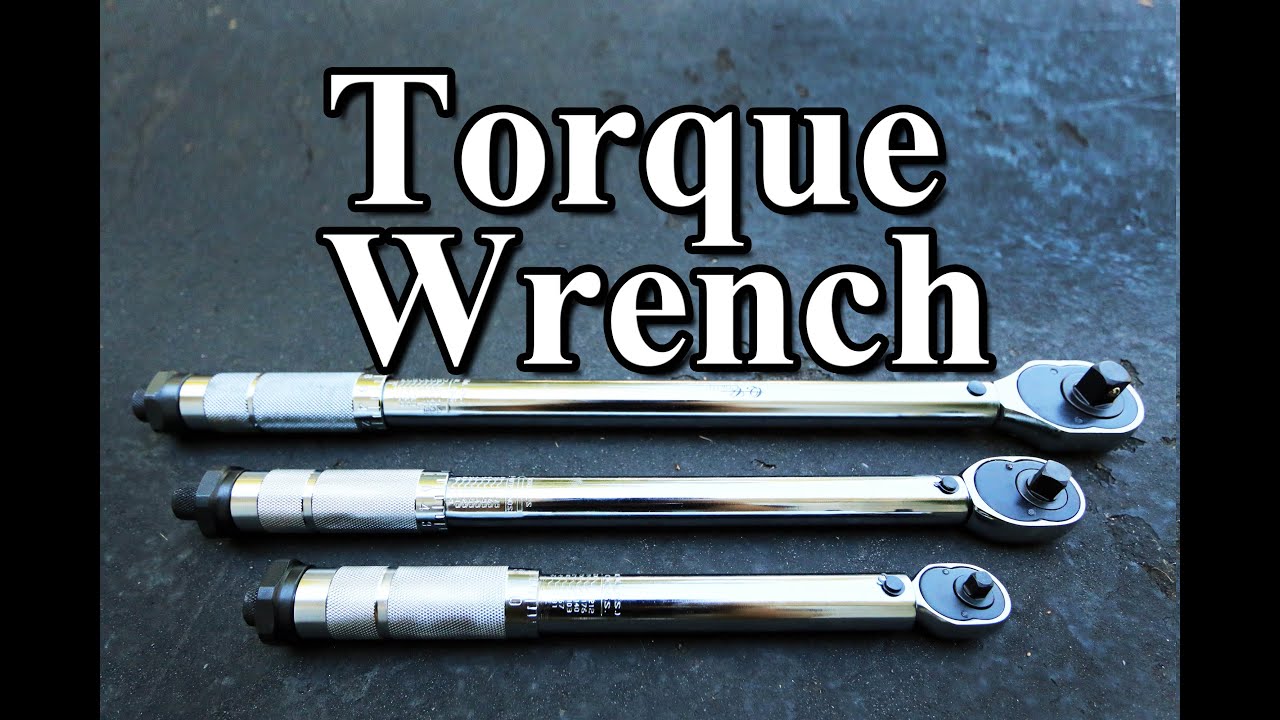
Most beginners start with a click torque wrench because it’s easy to use and offers good accuracy.
How To Choose The Right Torque Wrench
Not all torque wrenches are the same. Here’s what to look for:
- Torque Range: Check the torque range in Newton-meters (Nm) or foot-pounds (ft-lb). Choose a wrench where your target torque is in the middle of its range.
- Drive Size: Common sizes are 1/4”, 3/8”, and 1/2”. For car wheels, 1/2” is standard, for bikes, 1/4” or 3/8”.
- Accuracy: Good wrenches offer ±4% accuracy or better. For very sensitive jobs, use a digital or dial model.
- Length: Longer wrenches provide more leverage for higher torque values.
- Build Quality: Metal construction and a solid ratchet feel are signs of a durable wrench.
A useful tip: Avoid buying the cheapest model. Low-cost wrenches can be unreliable and may lose accuracy quickly.
Preparing To Use A Torque Wrench
Before you start, make sure you’re set up for success:
- Check the manual for the correct torque value. Never guess!
- Clean the threads of both bolt and nut. Dirt or oil can change how torque is applied.
- Lubricate if required. Some bolts need a drop of oil, others must be dry. The manual will say.
- Inspect the wrench. Make sure it’s calibrated and not damaged.
- Select the right socket. Use a snug-fitting socket to avoid rounding the bolt.
Here’s a quick comparison of torque settings for common tasks:
| Application | Torque Value | Notes |
|---|---|---|
| Car wheel lug nuts | 80–100 ft-lb (108–135 Nm) | Check vehicle manual |
| Bicycle stem bolts | 5–7 Nm | Critical for safety |
| Engine head bolts | 60–90 ft-lb (81–122 Nm) | Follow sequence exactly |
Step-by-step: How To Use A Torque Wrench
Follow these steps for safe and accurate results:
1. Set The Desired Torque
For a click-type wrench, twist the handle to the required torque value, then lock it. For a beam or dial type, you watch the scale as you turn.
2. Attach The Right Socket
Make sure it fits snugly on the bolt or nut. Loose sockets can slip, causing injury or damage.
3. Position The Wrench
Place the wrench at a 90-degree angle to the fastener. Keep your hand centered on the handle for the best accuracy.
4. Apply Steady Force
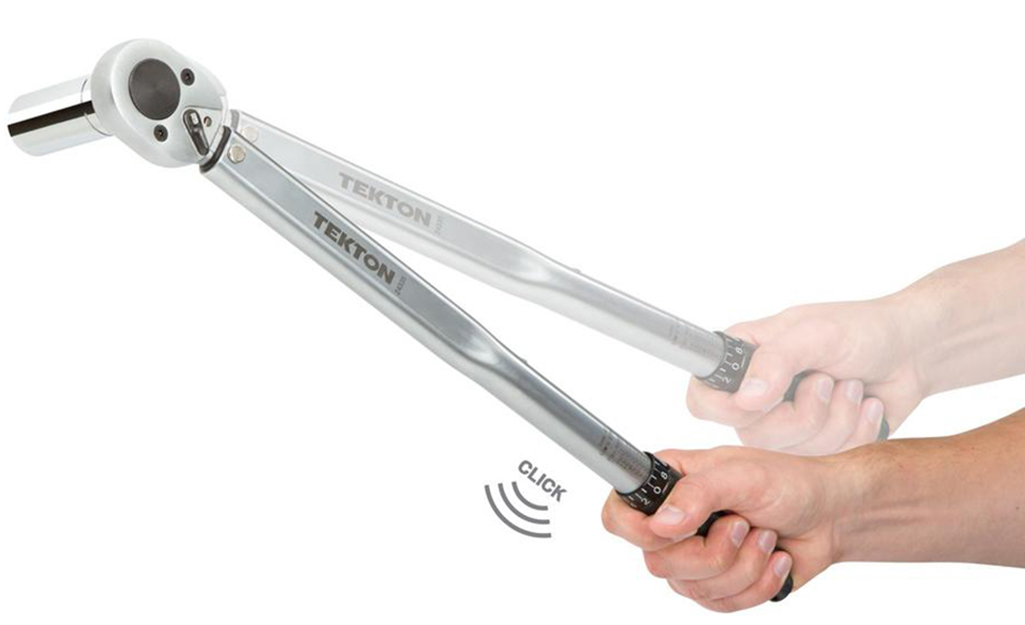
Pull smoothly, not jerkily. Stop as soon as you feel or hear the click (for click wrenches), or when the pointer or dial hits the set value.
5. Double-check
After tightening, recheck the torque on each fastener. Sometimes, after a few minutes, metal settles and needs a tiny retightening.
6. Release Tension Before Storage
Turn the wrench back to its lowest setting before storing. This keeps the internal spring accurate for next time.
Common Mistakes Beginners Make
Even with the right tool, many people slip up. Here’s what to watch for:
- Using the wrong torque setting: Always double-check the manual and units (Nm vs ft-lb).
- Pulling too fast: A slow, steady pull is needed for accuracy.
- Not resetting after use: Storing under tension ruins calibration.
- Ignoring calibration: Professional tools should be checked yearly.
- Using as a breaker bar: Never use your torque wrench to loosen tight bolts.
A surprising tip: The angle you pull at matters. Pulling at anything other than a straight 90 degrees can lower the actual torque, leading to undertightening.

Credit: www.wikihow.com
How To Care For And Calibrate Your Torque Wrench
Proper care extends your tool’s life and keeps readings accurate.
- Clean after each use. Wipe down to remove grease or dirt.
- Store in a case. Protects from dust and knocks.
- Never drop it. Even a short drop can knock it out of calibration.
- Get it calibrated. At least once a year, or if it’s dropped. Many hardware stores offer this service.
A little-known fact: Even unused, the calibration can drift over time. If you use your wrench for critical work, calibration is a must.
Real-world Examples: Why Torque Matters
Incorrect torque can cause problems you may not expect:
- Car wheels: Too loose, and a wheel could fall off at speed. Too tight, and you can warp the brake rotors or strip the studs.
- Bicycle parts: Over-tightening carbon fiber parts can cause cracks worth hundreds of dollars to fix.
- Engine assembly: Even a few Nm too much or too little can lead to oil leaks, blown gaskets, or engine failure.
An experienced mechanic will tell you: “The most expensive repairs are often caused by simple tools used the wrong way.”
Credit: www.youtube.com
Tips For Improving Your Technique
Want to get better? Try these tips:
- Practice on scrap metal. Get the feel for the click or dial before working on your project.
- Use a torque chart. Keep a printed chart of common torque values in your toolbox.
- Mark bolts after tightening. Use a paint pen to show which bolts are done.
- Work in a quiet area. You need to hear or feel the click clearly.
- Don’t rush. Taking your time saves you from costly mistakes.
Frequently Asked Questions
What Happens If I Overtighten A Bolt With A Torque Wrench?
Overtightening can stretch, weaken, or break the bolt. It can also damage the threads or the part you’re working on. Always stop when the wrench clicks or the dial reaches the set value.
Can I Use A Torque Wrench To Loosen Bolts?
No. A torque wrench is designed for tightening only. Using it to loosen bolts can damage its calibration and internal parts.
How Often Should I Calibrate My Torque Wrench?
For regular use, calibrate it once a year. If you drop it or use it for very precise work, calibrate more often. Some professionals calibrate every six months.
What’s The Difference Between Nm And Ft-lb?
Nm (Newton-meters) and ft-lb (foot-pounds) are both units of torque. 1 ft-lb = 1.35582 Nm. Always use the unit your manual specifies. Mixing them up can cause mistakes.
Where Can I Find Official Torque Specifications For My Project?
Check the owner’s manual, repair guide, or manufacturer’s website. For cars, websites like Wikipedia also explain how torque specs are set.
Getting comfortable with a torque wrench takes practice, but it’s one of the most valuable skills for any DIYer or mechanic. With the right technique and a careful approach, you’ll achieve results that are safe, accurate, and professional every time.
Taking these steps seriously will help you protect your equipment—and yourself—while giving you the confidence to tackle new projects.
Credit: www.homedepot.com