
A weekend car maintenance routine typically involves a series of straightforward checks and tasks designed to ensure your vehicle’s safety, performance, and longevity. These include inspecting fluid levels, checking tire pressure and tread, testing lights and wipers, and performing basic cleaning inside and out. Regular attention to these areas can prevent minor issues from escalating into costly repairs and contribute to a more reliable driving experience.
- Enhances vehicle safety and reliability.
- Extends the lifespan of your car’s components.
- Improves fuel efficiency and overall performance.
- Helps identify potential problems early.
- Maintains the aesthetic appeal and interior comfort.
Understanding the Importance of Regular Car Care
Consistent vehicle maintenance is not merely about keeping your car running; it is fundamentally about ensuring safety and preserving your investment. Neglecting routine checks can lead to unexpected breakdowns, compromise critical safety systems, and significantly reduce your vehicle’s operational life. Regular care provides peace of mind, knowing that your car is in optimal condition for daily commutes and longer journeys.
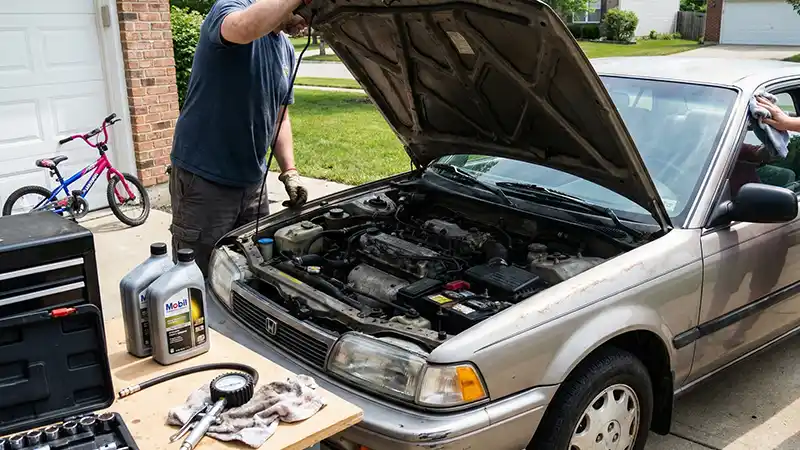
Proactive maintenance allows car owners to catch minor issues before they develop into major problems. This approach can prevent premature wear on components, maintain peak performance, and contribute to better fuel economy. Ultimately, a well-maintained vehicle is a safer, more dependable, and more enjoyable asset.
Gathering Your Essential Tools and Supplies
Before embarking on your weekend car maintenance routine, it is beneficial to gather a few basic tools and supplies. Having these items readily available will streamline the process and ensure you can complete most tasks efficiently. Many of these are inexpensive and can be found at any automotive supply store.
- Owner’s Manual:Always refer to your vehicle’s specific recommendations.
- Gloves:Protect your hands from grease and chemicals.
- Rags or Microfiber Cloths:For cleaning and wiping spills.
- Flashlight:Essential for inspecting dark areas under the hood or chassis.
- Tire Pressure Gauge:For accurate tire pressure readings.
- Fluid Funnel:To prevent spills when topping up fluids.
- Basic Wrench Set and Screwdrivers:For minor adjustments or battery terminal cleaning.
- Glass Cleaner and Interior Wipes:For cleaning windows and surfaces.
- Car Wash Soap and Buckets:For exterior cleaning.
- Vacuum Cleaner:For interior tidiness.
- Approved Fluids:Engine oil, coolant, windshield washer fluid, if topping up is anticipated.
Your Step-by-Step Weekend Car Maintenance Routine
Implementing a structured weekend car maintenance routine can transform a potentially overwhelming task into a manageable and even rewarding activity. This systematic approach ensures that no critical area is overlooked, contributing to the overall health and reliability of your vehicle. Dedicating a few hours each weekend or bi-weekly can make a significant difference in your car’s performance and longevity.
The routine typically begins with checks under the hood, moving to the exterior and tires, and concluding with interior care. Following a consistent order helps establish a habit and ensures thoroughness. Always perform these checks on a level surface with the engine off and cool, unless otherwise specified by your owner’s manual.
Under the Hood: Key Checks and Fluid Levels
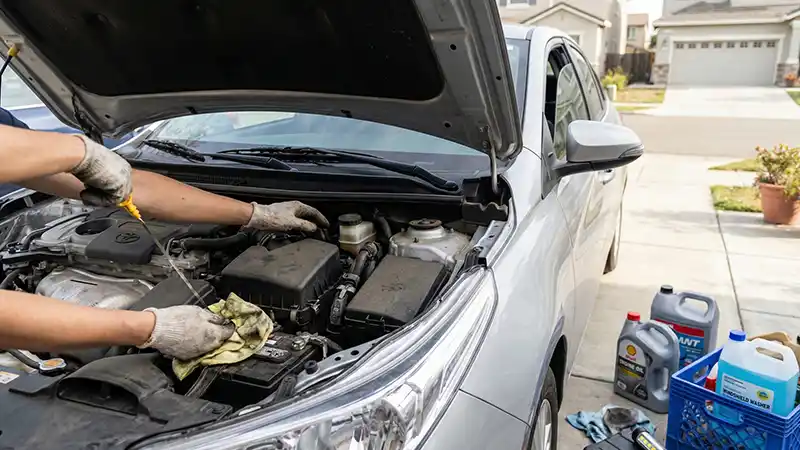
The engine bay houses many vital components and fluids that require regular attention. These checks are fundamental to preventing mechanical issues and ensuring the engine operates smoothly and efficiently. Always exercise caution when working around engine components, especially if the engine has been recently running.
Engine Oil
Check your engine oil level using the dipstick. Ensure the vehicle is on a level surface and the engine has been off for at least 10-15 minutes to allow oil to settle. The oil should be between the ‘min’ and ‘max’ marks. Note the oil’s color; very dark or gritty oil might indicate it’s time for an oil change, even if not due by mileage.
Coolant
Inspect the coolant level in the overflow reservoir, ensuring it is between the designated marks. Never open the radiator cap when the engine is hot, as pressurized hot fluid can cause severe burns. The coolant should appear clean and free of debris. A low level could indicate a leak or an issue with the cooling system.
Brake Fluid
Locate the brake fluid reservoir and check the fluid level. It should be between the ‘min’ and ‘max’ lines. A consistently low brake fluid level can signal worn brake pads or a leak in the brake system, both of which require immediate professional attention for safety reasons. Do not top off brake fluid without understanding the cause of the low level.
Power Steering Fluid (if applicable)
For vehicles with hydraulic power steering, check the fluid level in its reservoir. The level should be within the specified range, typically marked on the reservoir itself. Low power steering fluid can lead to difficulty steering and unusual noises.
Windshield Washer Fluid
This is a simple but important check. Ensure the windshield washer fluid reservoir is full. Clear visibility is crucial for safe driving, especially in adverse weather conditions. Use a washer fluid designed for automotive use, often containing de-icing or bug-removing agents.
Battery Terminals
Visually inspect the battery terminals for any signs of corrosion, which appears as a white or bluish powdery substance. Corrosion can impede the battery’s ability to deliver power effectively. If present, it can often be cleaned with a wire brush and a baking soda solution, but always disconnect the battery terminals (negative first) before cleaning.
Belts and Hoses
Perform a visual inspection of all accessible belts and hoses. Look for cracks, fraying, bulges, or signs of leaks. Belts should feel taut, and hoses should be firm but pliable. Any signs of wear or damage could indicate an impending failure and should be addressed promptly by a professional.
Tires, Brakes, and Exterior: Ensuring Road Safety
The components that connect your vehicle to the road are paramount for safety. Regular inspection of tires and brakes, along with maintaining clear visibility, are non-negotiable aspects of responsible car ownership. These checks are relatively quick but yield significant safety benefits.
Tire Pressure and Tread
Check the pressure in all four tires, plus the spare if applicable, using a reliable tire pressure gauge. Always refer to your vehicle’s recommended tire pressure, usually found on a sticker inside the driver’s door jamb or in the owner’s manual, not the maximum pressure listed on the tire sidewall. Inspect the tire tread for adequate depth using the ‘penny test’ (insert a penny head-first into a tread groove; if you can see the top of Lincoln’s head, your tread is too shallow). Also, look for uneven wear patterns, bulges, or cuts, which could indicate alignment issues or tire damage.
Brake Inspection
While a full brake inspection requires lifting the vehicle, you can perform some basic checks. Listen for any squealing, grinding, or clicking noises when braking. Visually inspect the brake rotors through the wheel spokes for deep grooves or scoring. If you notice any unusual sounds or changes in braking performance, it is crucial to have your brakes professionally inspected immediately.
Lights and Signals
Test all exterior lights: headlights (high and low beams), tail lights, brake lights, turn signals, and hazard lights. Have someone assist you or use a reflective surface to check brake lights. Ensure all lights are functioning correctly and are free of cracks or condensation. Properly working lights are essential for visibility and communicating your intentions to other drivers.
Wiper Blades
Inspect your wiper blades for cracks, tears, or hardening of the rubber. Test them by spraying washer fluid on the windshield; they should clear the glass smoothly and quietly without streaking. Worn wiper blades significantly reduce visibility during rain or snow and should be replaced as needed.
Exterior Wash and Wax
Regularly washing your car removes dirt, grime, road salt, and other contaminants that can damage the paint finish. A thorough wash helps preserve the vehicle’s appearance and can prevent rust. Applying a coat of wax periodically adds an extra layer of protection against environmental elements and keeps the paint looking vibrant.
Interior Detailing: Comfort and Longevity
While often overlooked in favor of mechanical checks, maintaining a clean and organized interior contributes significantly to your driving experience and the vehicle’s overall condition. A well-kept interior can also help preserve the resale value of your car.
Start by removing any trash and clutter. Vacuum the carpets, floor mats, and upholstery to remove dirt and debris. Wipe down all hard surfaces, such as the dashboard, door panels, and center console, with an appropriate interior cleaner. Clean the interior windows and mirrors for optimal visibility. Periodically, consider checking or replacing your cabin air filter, which improves air quality insidethe vehicle.
Seasonal Considerations for Your Maintenance Plan
Your weekend car maintenance routine should adapt to the changing seasons to address specific challenges. In preparation for winter, focus on battery health, tire condition (considering winter tires), and ensuring your heating and defrost systems are working. Check antifreeze levels and ensure your washer fluid is rated for freezing temperatures.
For summer, pay attention to your cooling system, air conditioning performance, and tire pressure, as heat can affect it. Ensure your tires are in good condition for potential long-distance travel. Adapting your routine seasonally helps your vehicle perform reliably year-round.
Recognizing When Professional Help is Needed
While a weekend car maintenance routine empowers you to handle many basic checks, it is crucial to recognize the limits of DIY maintenance. Certain issues require the expertise, specialized tools, and diagnostic equipment of a certified mechanic. If you encounter any of the following, it is time to seek professional assistance:
- Illuminated warning lights on your dashboard (e.g., Check Engine, ABS, Airbag).
- Unusual noises such as grinding, clunking, or persistent squealing.
- Fluid leaks that you cannot identify or resolve.
- Changes in braking performance, steering feel, or acceleration.
- Complex repairs involving engine components, transmission, or electrical systems.
- Any situation where you feel uncomfortable or lack the necessary knowledge or tools.
Attempting repairs beyond your skill level can lead to further damage or compromise your safety. A trusted mechanic can accurately diagnose problems and perform necessary repairs, ensuring your vehicle remains safe and reliable.
Long-Term Benefits of Consistent Car Maintenance
Adopting a consistent weekend car maintenance routine offers numerous long-term advantages that extend far beyond immediate safety and performance. Over time, these small, regular efforts accumulate to provide substantial benefits for both your vehicle and your peace of mind.
Firstly, consistent maintenance significantly prolongs your vehicle’s lifespan. By addressing minor wear and tear promptly, you prevent components from failing prematurely, thereby delaying the need for major repairs or vehicle replacement. This proactive approach helps maintain the structural integrity and operational efficiency of your car for many years.
Secondly, a well-maintained vehicle typically retains a higher resale value. When it comes time to sell or trade in your car, a documented history of regular maintenance and a vehicle in excellent condition will appeal more to potential buyers. This can translate into a better return on your initial investment.
Finally, consistent care contributes to greater reliability. You are less likely to experience unexpected breakdowns or costly emergency repairs, which can be both inconvenient and stressful. Knowing your vehicle is in top condition provides confidence and peace of mind on every journey.
Frequently Asked Questions
How frequently should I follow a weekend car maintenance routine?
Ideally, a basic weekend car maintenance routine should be performed every two to four weeks, or at least once a month. More in-depth checks, such as oil changes or tire rotations, follow your manufacturer’s recommended service intervals, which are typically based on mileage or time.
What are the most crucial tasks in a weekend car maintenance routine for beginners?
For beginners, the most crucial tasks include checking tire pressure and tread, inspecting all fluid levels (engine oil, coolant, windshield washer fluid), and testing all exterior lights. These simple checks significantly impact safety and can be easily performed with minimal tools.
Can performing a regular weekend car maintenance routine really save me money?
Yes, absolutely. Regular maintenance helps identify and address minor issues before they escalate into major, expensive problems. It also improves fuel efficiency, extends the lifespan of components, and can help your vehicle maintain a higher resale value, all contributing to long-term savings.
What basic tools are necessary for a DIY weekend car maintenance routine?
Essential tools include a tire pressure gauge, a flashlight, gloves, rags, and your vehicle’s owner’s manual. A funnel for fluids, a basic wrench set for battery terminals, and car cleaning supplies are also highly recommended for a comprehensive routine.
How much time should I allocate for a thorough weekend car maintenance routine?
For a thorough weekend car maintenance routine, you should typically allocate between one to two hours. This allows enough time to perform all checks, top up fluids, and complete a basic interior and exterior cleaning without feeling rushed.
Is a weekend car maintenance routine suitable for electric vehicles (EVs) too?
Yes, while EVs have fewer fluids and no engine oil, a weekend maintenance routine is still highly suitable. EV owners should focus on tire pressure and tread, brake inspection, checking all lights and wipers, and maintaining the interior and exterior. Battery health monitoring is often done through the vehicle’s onboard system.
Conclusion
Adopting a regular weekend car maintenance routine is a proactive and responsible approach to vehicle ownership. By consistently performing simple checks on fluids, tires, lights, and maintaining cleanliness, you significantly contribute to your car’s safety, reliability, and overall longevity. These routine efforts not only prevent minor issues from becoming major concerns but also enhance your driving experience and preserve your vehicle’s value.
Empower yourself by integrating these essential checks into your schedule. If you ever encounter an issue beyond your comfort level or expertise, do not hesitate to consult a trusted professional mechanic. Your vehicle will thank you for the consistent care and attention.
Related Guides: Avoiding Common DIY Car Maintenance Mist, Avoiding Common Jacking Mistakes Beginne, Proper Clothing for DIY Car Maintenance, The Ultimate Beginner Guide to Car Fluid.