
Performing your own car maintenance does not automatically void your vehicle’s warranty. Federal law, specifically the Magnuson-Moss Warranty Act, protects consumers’ rights to perform their own maintenance or have it done by an independent shop without invalidating the warranty, provided the work is done correctly and with appropriate parts.
- DIY maintenance is generally protected by federal law.
- Improper work or faulty parts can lead to specific warranty claim denials.
- Thorough record-keeping is crucial for all DIY tasks.
- Using quality parts, whether OEM or aftermarket, is essential.
- Complex repairs are best left to certified professionals.
The DIY Dilemma: Balancing Savings with Warranty Protection
Many car owners consider performing their own maintenance to save money and gain a deeper understanding of their vehicle. From oil changes to brake pad replacements, the appeal of DIY is strong. However, a common concern that often arises is whether these self-performed tasks could jeopardize the car’s factory warranty.
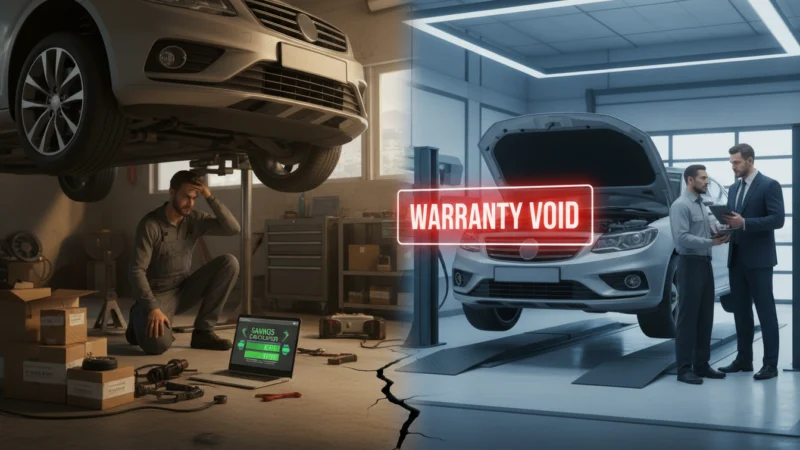
This concern is valid, as a vehicle warranty represents a significant investment and protection against unexpected repairs. Understanding the interplay between DIY maintenance and warranty coverage is crucial for any car owner looking to take a hands-on approach to vehicle care.
Understanding Your Car Warranty: What It Covers (and Doesn’t)
A car warranty is a manufacturer’s promise to repair or replace certain components of your vehicle for a specified period or mileage. Most new cars come with a bumper-to-bumper warranty, covering most parts, and a powertrain warranty, which focuses on the engine, transmission, and drivetrain components.
Warranties typically cover defects in materials or workmanship. They do not cover normal wear and tear items, damage from accidents, misuse, or lack of proper maintenance. It’s important to review your specific warranty booklet to understand its exact terms, conditions, and exclusions.
Can DIY Car Maintenance Void Warranty? The Magnuson-Moss Act Explained
The answer to whether DIY car maintenance can void your warranty is generally no, thanks to the Magnuson-Moss Warranty Act of 1975. This federal law was enacted to protect consumers from deceptive warranty practices and ensures that manufacturers cannot require consumers to use only authorized service facilities or brand-specific parts to maintain their warranty.
Under this Act, a manufacturer can only deny a warranty claim if they can prove that the specific failure was directly caused by improper DIY maintenance or the use of faulty aftermarket parts. The burden of proof lies with the manufacturer, not the consumer. This means you have the right to perform your own maintenance without fear of automatically voiding your warranty.
What DIY Tasks Are Generally Safe for Your Warranty?
Many routine maintenance tasks are perfectly safe for DIYers to perform without risking their warranty, provided they are done correctly and documented. These tasks typically involve basic fluid checks and replacements, filter changes, and minor component inspections.
- Oil and Filter Changes:One of the most common DIY tasks. Ensure you use the correct type and viscosity of oil and a quality filter.
- Air Filter Replacement:Both engine and cabin air filters are straightforward to change.
- Tire Rotations and Pressure Checks:Regular tire maintenance is simple and important.
- Fluid Checks and Top-Offs:Checking brake fluid, power steering fluid, coolant, and windshield washer fluid.
- Wiper Blade Replacement:A quick and easy task that improves visibility.
- Light Bulb Replacement:Replacing exterior and interior light bulbs.
- Battery Terminal Cleaning:Keeping battery terminals free of corrosion.
Always consult your vehicle’s owner’s manual for specific maintenance schedules and procedures before attempting any DIY work.
When DIY Maintenance Might Lead to Warranty Issues
While the Magnuson-Moss Act protects consumers, there are specific scenarios where DIY maintenance could legitimately lead to a denied warranty claim. These situations typically involve direct causation between the DIY work and a subsequent vehicle failure.
- Improper Installation or Procedure:If a component fails because it was installed incorrectly (e.g., an oil filter not tightened properly leading to oil loss and engine damage), the manufacturer may deny a claim for the engine damage.
- Using Incorrect or Substandard Parts:Installing parts that do not meet the manufacturer’s specifications or are of poor quality can cause issues. For example, using the wrong type of brake fluid coulddamage the braking system.
- Causing Accidental Damage:While performing DIY work, if you accidentally damage another component (e.g., stripping a bolt, breaking a sensor), the repair for that damage would not be covered under warranty.
- Neglecting Required Maintenance:Failing to perform scheduled maintenance, whether DIY or professional, can lead to warranty denial for issues directly resulting from that neglect.
It is crucial to follow manufacturer guidelines precisely and use appropriate tools and parts to avoid these pitfalls.
Essential Record-Keeping for DIY Car Maintenance
Documentation is your strongest ally if a warranty issue arises after DIY maintenance. Meticulous record-keeping provides proof that maintenance was performed correctly and on schedule, shifting the burden of proof back to the manufacturer if they attempt to deny a claim.
- Keep All Receipts:Save receipts for all parts and fluids purchased, noting the date and where they were bought.
- Log Dates and Mileage:Record the date and odometer reading when each maintenance task was performed.
- Detail the Work Done:Keep a logbook or digital record detailing exactly what maintenance was performed, including specific procedures followed.
- Note Part Numbers:If possible, record the part numbers of components used.
- Take Photos:For more significant tasks, consider taking photos of the work in progress, especially if it involves complex steps or specific torque settings.
These records demonstrate diligence and adherence to maintenance schedules, which can be invaluable in a warranty dispute.
Choosing the Right Parts: OEM vs. Aftermarket and Your Warranty
The choice between Original Equipment Manufacturer (OEM) parts and aftermarket parts is a common consideration for DIYers. Both can be used without voiding your warranty, but understanding their implications is important.
OEM Parts
OEM parts are identical to the parts originally installed in your vehicle by the manufacturer. They are designed to exact specifications and often carry a manufacturer’s warranty themselves. Using OEM parts provides peace of mind regarding fit, function, and quality, making it harder for a manufacturer to claim a part failure was due to a non-compliant component.
Aftermarket Parts
Aftermarket parts are produced by companies other than the original vehicle manufacturer. They can range widely in quality and suitability. While many aftermarket parts meet or exceed OEM specifications, some may be of lower quality. When choosing aftermarket parts, ensure they are equivalent in quality and performance to the OEM part. Reputable brands that meet industry standards are generally safe to use.
The key is that the part must not be the direct cause of the failure. If an aftermarket part fails and causes damage, the manufacturer may deny a warranty claim for that specific damage, but the overall vehicle warranty remains intact.
Professional vs. DIY: Deciding When to Call a Mechanic
While many basic tasks are suitable for DIY, there are times when professional expertise is indispensable. Knowing your limits is crucial for both your safety and the longevity of your vehicle.
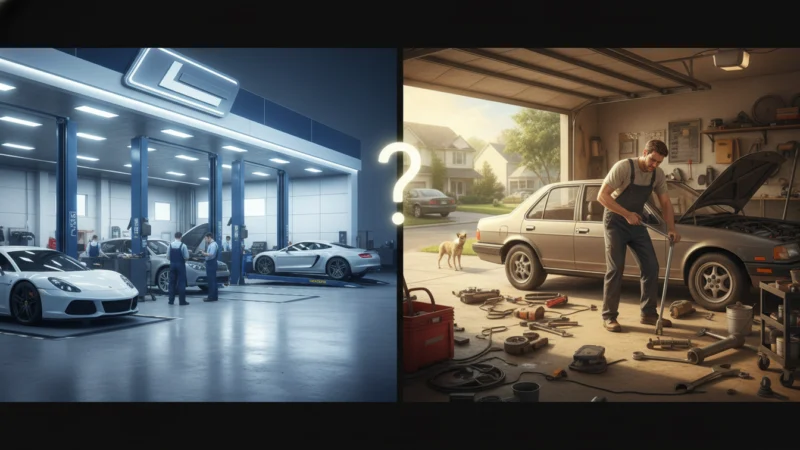
- Complex Systems:Modern vehicles are equipped with intricate electronic, braking, and engine management systems. Repairs involving these often require specialized diagnostic toolsand training.
- Safety-Critical Components:Work on brakes, steering, suspension, or airbags should be approached with extreme caution. Incorrect repairs can compromise vehicle safety.
- Specialized Tools:Some repairs require specific tools that are expensive or difficult to obtain for a one-time use.
- Lack of Experience or Confidence:If you are unsure about a procedure or lack the necessary experience, it’s always safer to consult a certified mechanic.
- Recalls and Technical Service Bulletins (TSBs):These issues are best handled by dealerships, as they are often covered by the manufacturer and require specific procedures.
A professional mechanic has the training, tools, and experience to perform complex repairs correctly and efficiently, often providing their own warranty on parts and labor.
Common Misconceptions About Car Warranties and DIY Work
Several myths persist regarding car warranties and maintenance, often leading to unnecessary concern or expense for car owners.
- Myth 1: You must have your car serviced at the dealership to maintain the warranty.This is false. The Magnuson-Moss Act allows you to choose any qualified independent shop or perform the work yourself.
- Myth 2: Using aftermarket parts automatically voids your warranty.Also false. As long as aftermarket parts are of equivalent quality and do not directly cause a failure, your warranty remains valid.
- Myth 3: Any modification to your car voids the entire warranty.Not true. Only modifications that directly cause a failure can lead to a warranty denial for that specific issue. For example, a new stereo system won’t void your engine warranty.
- Myth 4: The dealer can refuse service if you’ve done DIY work.A dealer cannot refuse to perform warranty service simply because you’ve done DIY maintenance, unless they can prove the DIY work caused the issue.
Understanding these truths empowers car owners to make informed decisions about their vehicle’s care.
Steps to Take If a Warranty Claim is Denied Due to DIY Maintenance
If a manufacturer or dealer denies a warranty claim, alleging that your DIY maintenance caused the issue, you have recourse. Do not accept the denial without understanding your rights.
- Request a Written Explanation:Demand a clear, written explanation from the dealer or manufacturer detailing why the claim was denied and how your DIY work allegedly caused the failure.
- Present Your Records:Provide all your meticulously kept maintenance records, including receipts, dates, mileage, and details of the work performed. This is where your documentation becomes critical.
- Consult Your Owner’s Manual:Show that your DIY work adhered to the manufacturer’s recommended procedures and schedules as outlined in the owner’s manual.
- Seek a Second Opinion:Have an independent, certified mechanic inspect the vehicle and provide their professional assessment of the failure’s cause.
- Contact the Manufacturer Directly:If the dealer is uncooperative, escalate the issue to the manufacturer’s customer service department.
- Consider Legal Counsel:If all else fails, you may need to consult with an attorney specializing in consumer law. They can advise you on your rights under the Magnuson-Moss Warranty Act.
Remember, the burden of proof is on the manufacturer to demonstrate that your DIY work caused the specific defect.
Protecting Your Investment: Best Practices for DIYers
For car owners who enjoy the satisfaction and savings of DIY maintenance, following best practices is key to protecting both their vehicle and its warranty.
- Always consult your vehicle’s owner’s manual for recommended maintenance schedules and procedures.
- Use only high-quality parts and fluids that meet or exceed manufacturer specifications.
- Invest in appropriate tools and safety equipment, such as jack stands, gloves, and eye protection.
- Never rush a job; take your time and double-check your work.
- Keep detailed records of all maintenance performed, including dates, mileage, partsused, and receipts.
- Understand your limitations and know when to seek professional help for complex or safety-critical repairs.
- Properly dispose of used fluids and parts according to local regulations.
By adhering to these guidelines, you can confidently perform your own maintenance while safeguarding your vehicle’s warranty.
Frequently Asked Questions
Can an oil change I do myself void my car’s warranty?
No, performing an oil change yourself will not automatically void your car’s warranty. As long as you use the correct type and amount of oil, a quality oil filter, and perform the change according to the manufacturer’s recommended schedule and procedures, your warranty remains valid. Remember to keep detailed records and receipts for proof.
What specific DIY car maintenance tasks are generally safe regarding my warranty?
Generally safe DIY tasks include routine items like changingengine and cabin air filters, rotating tires, checking and topping off fluids (coolant, brake fluid, power steering fluid, windshield washer fluid), replacing wiper blades, and cleaning battery terminals. These tasks are typically straightforward and less likely to cause issues if done correctly.
If I use aftermarket parts for DIY repairs, can diy car maintenance void warranty?
No, using aftermarket parts for DIY repairs does not automatically void your warranty. The Magnuson-Moss Warranty Act protects your right to use aftermarket parts. However, if a specific failure is directly caused by a faulty or incorrect aftermarket part you installed, the manufacturer may deny a warranty claim for that particular issue.
How can I prove my DIY car maintenance was done correctly if a warranty issue arises?
To prove your DIY maintenance was done correctly, keep meticulous records. This includes all receipts for parts and fluids, a log of dates and odometer readings for each task, and detailed notes on the procedures followed. Photos of the work in progress can also be helpful evidence.
Does installing aftermarket accessories myself affect my car’s warranty?
Installing aftermarket accessories yourself generally does not void your entire car’s warranty. However, if an accessory you install directly causes a failure or damage to another component of your vehicle, the manufacturer may deny a warranty claim for that specific damage. The rest of your warranty coverage remains intact.
What should I do if a dealer claims my DIY car maintenance voided my warranty?
If a dealer claims your DIY maintenance voided your warranty, request a written explanation of their reasoning. Present all your maintenance records, including receipts and detailed logs. If you believe the denial is unfounded, escalate the issue to the manufacturer’s customer service department and consider seeking advice from an independent mechanic or legal counsel.
Conclusion
Performing DIY car maintenance offers numerous benefits, and thankfully, it does not automatically void your vehicle’s warranty. The Magnuson-Moss Warranty Act stands as a crucial protection for consumers, allowing you to maintain your vehicle yourself or through independent shops. By understanding your rights, meticulously documenting your work, using quality parts, and knowing when to seek professional help, you can confidently take charge of your car’s upkeep.
Empower yourself with knowledge and proper practices to keep your vehicle running smoothly and your warranty intact. Always refer to your owner’s manual for specific guidance and consider consulting a trusted mechanic for any complex repairs.
Related Guides: Can DIY Void Car Warranty? Understanding, Why You Should Keep Receipts for DIY Mai, Dealer vs DIY Service Pros and Cons, Mixing Wrong Coolant vs Warranty Issues, How to Talk to Dealer About DIY Maintena.
Also Read: Car Jobs Safe to DIY Under Warranty.