How to Check Tire Pressure at Home: PSI, Gauge & TPMS
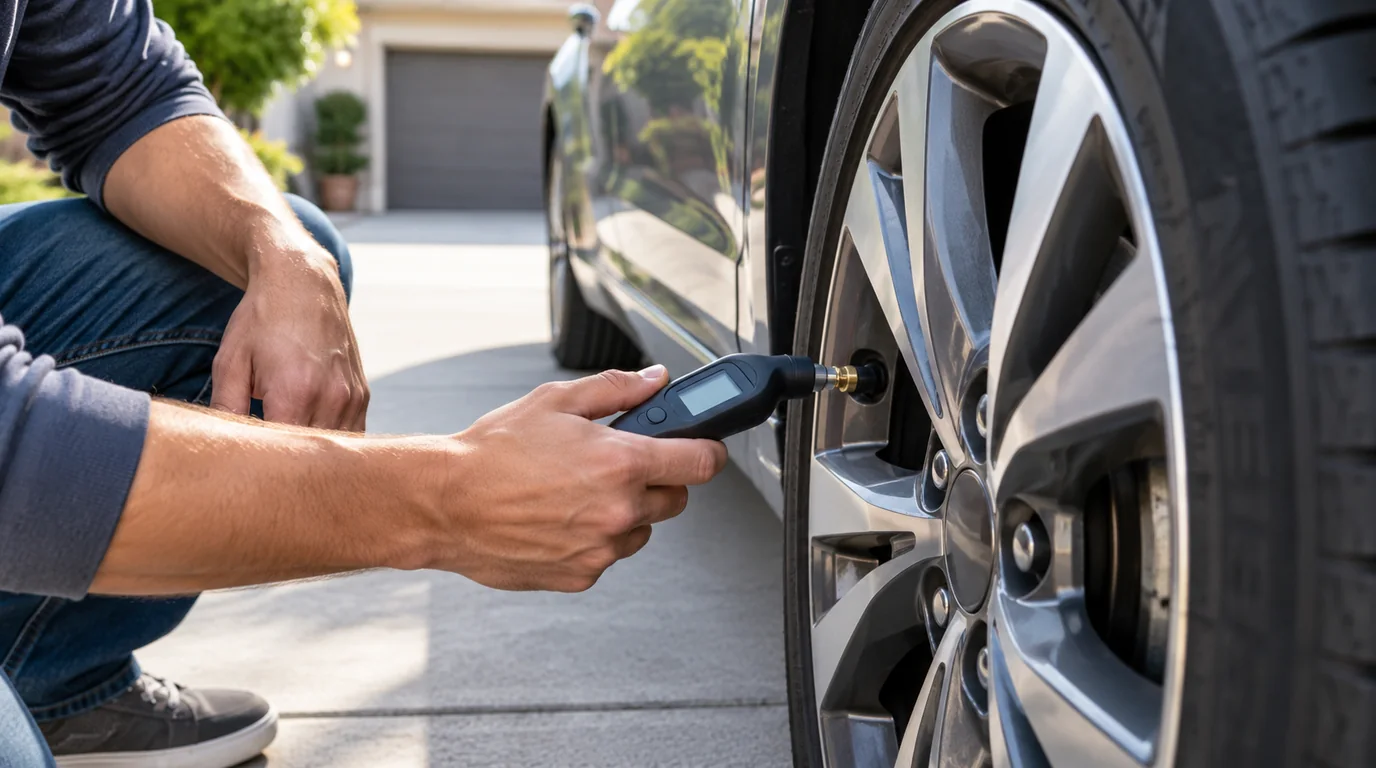
Check tire pressure at home correctly: find the vehicle’s cold PSI, use a reliable gauge, adjust pressure safely, understand TPMS warnings, and spot slow leaks.

Check tire pressure at home correctly: find the vehicle’s cold PSI, use a reliable gauge, adjust pressure safely, understand TPMS warnings, and spot slow leaks.
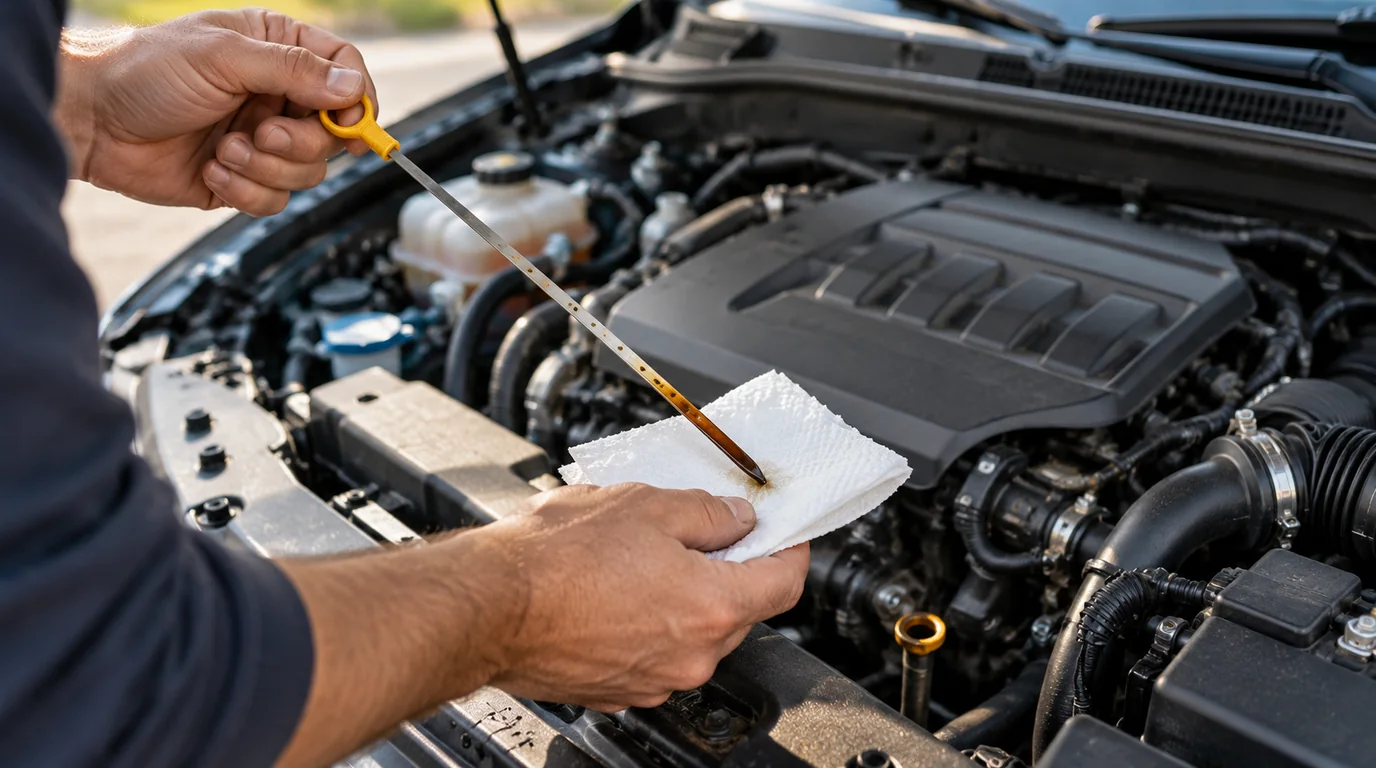
Learn how to read an oil dipstick correctly: when to check, how to read ADD and FULL marks, what low oil means, and how to top up safely.
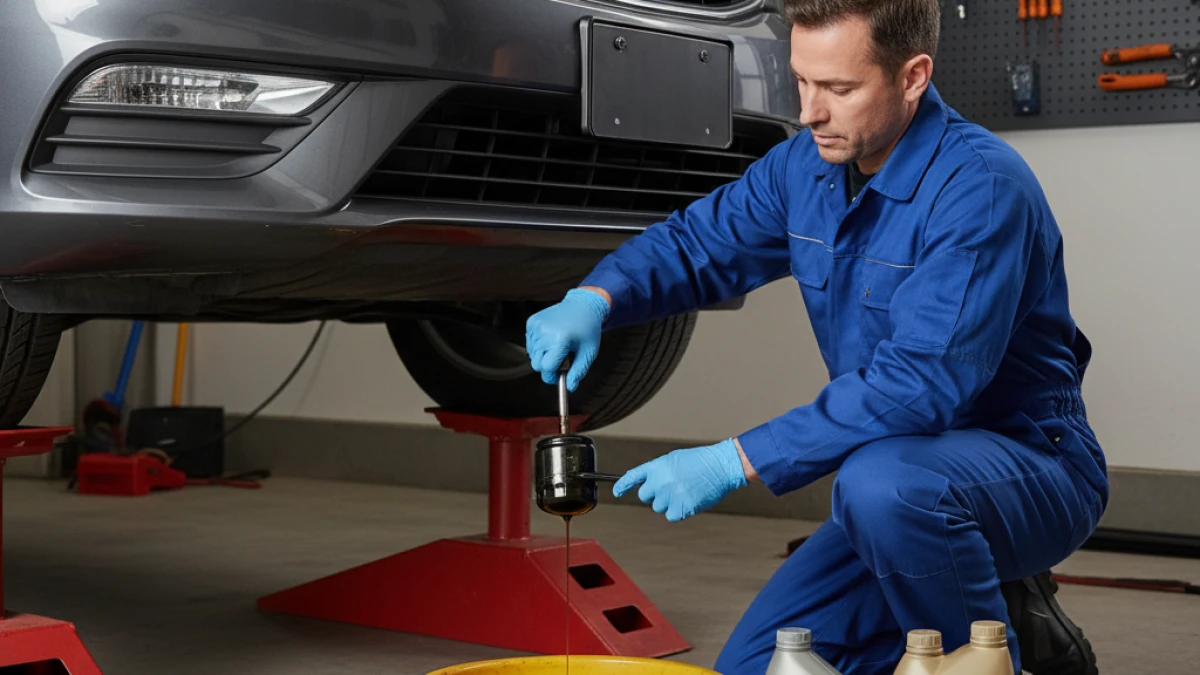
To change engine oil at home safely, verify the correct oil specification, capacity, filter, drain-plug torque and lifting points for your exact vehicle before you start. Warm the engine briefly, park on a level surface, secure the vehicle, drain the used oil into a suitable pan, replace the filter, reinstall the drain plug to the …
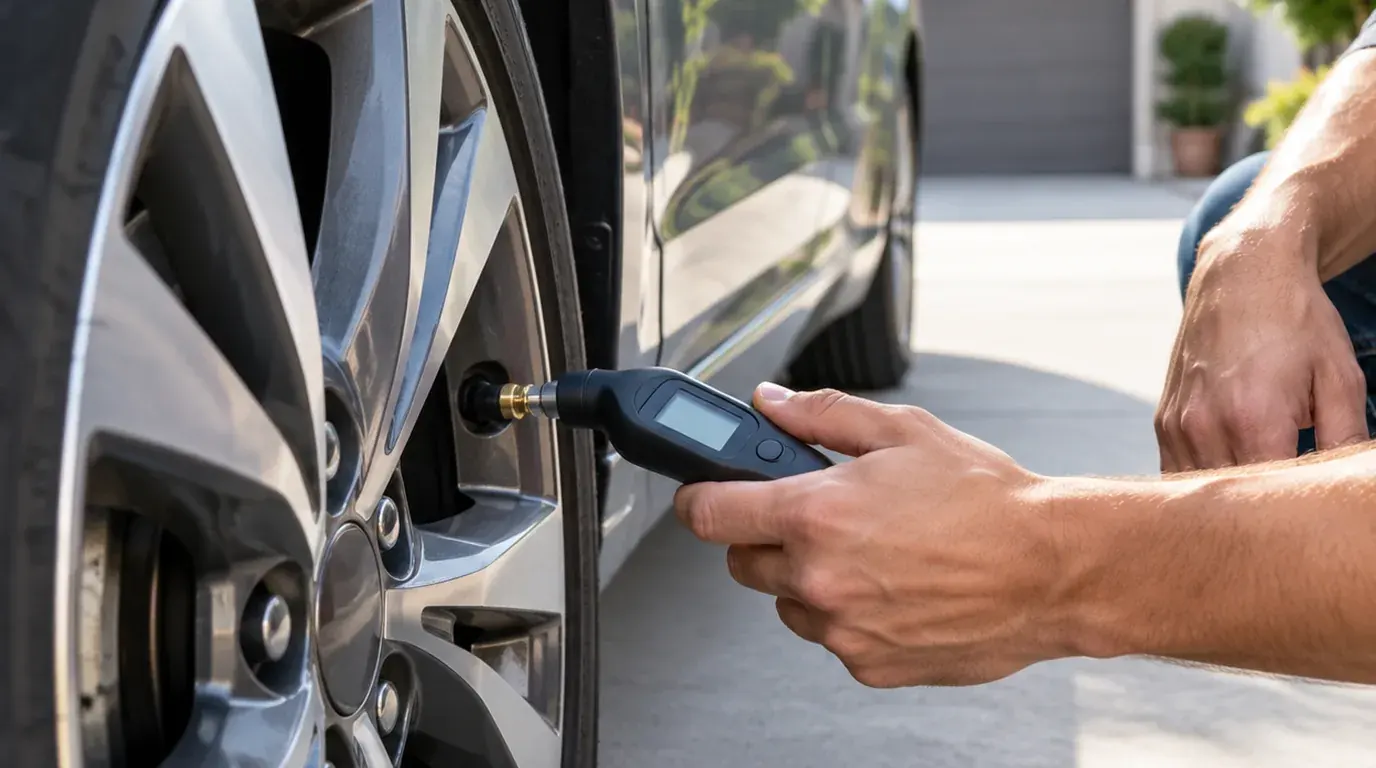
The correct tire pressure for your car is found on a specific sticker, typically located on the driver’s side door jamb, inside the glove compartment, or within your vehicle’s owner’s manual. This recommended pressure, measured in pounds per square inch (PSI), is crucial for cold tires and directly impacts your car’s safety, handling, and fuel …
See Also How To Check Tire Tread Depth With Coin
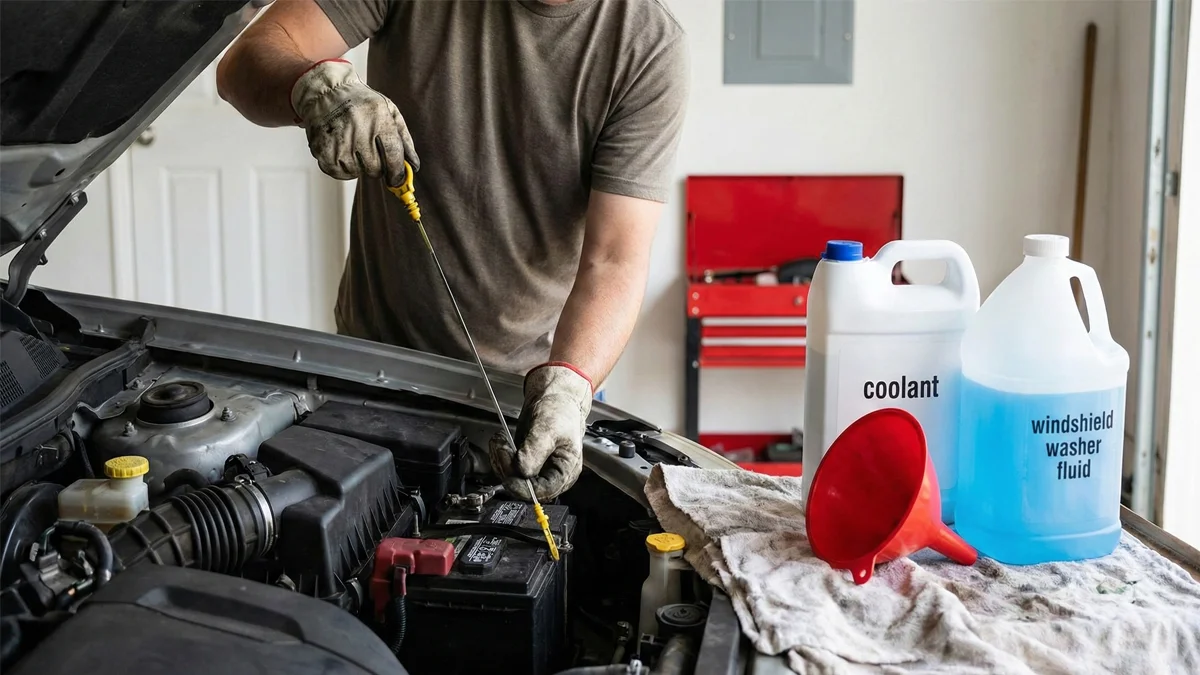
Check engine oil, coolant, brake fluid, power steering fluid, transmission fluid and washer fluid at home with safe, simple inspection steps.

Generally, most modern cars require an engine oil change every 5,000 to 7,500 miles or every 6 to 12 months, whichever comes first. However, this can vary significantly based on your vehicle’s make and model, the type of oil used, and your driving habits. Always consult your owner’s manual for the most accurate recommendation. Regular …