
Using an impact wrench on cars is a big time-saver. This powerful tool can remove stubborn lug nuts and bolts with a push of a button. But power brings risk. Many beginners, and even experienced users, make mistakes that can damage their vehicle—or worse, cause injury.
Understanding how to use an impact wrench safely is essential if you want to avoid these problems and get the job done right.
For car owners, mechanics, or DIY fans, safety should always come first. This guide covers everything you need to know about using an impact wrench on cars without risking your health or damaging your vehicle. Along the way, you’ll discover common mistakes, practical tips, and a few insights many guides skip.
Why Safety Matters With Impact Wrenches
An impact wrench delivers a strong, sudden twisting force. That’s why it can loosen or tighten fasteners that a regular wrench cannot. However, with this much force, accidents can happen fast. Unsafe use might lead to:
- Stripped bolts or threads
- Broken wheel studs
- Cracked alloy wheels
- Hand or wrist injuries
- Flying debris
These risks are not rare. In fact, a survey among auto repair shops found that improper torque is a leading cause of wheel-off accidents after tire changes. When you rush or skip safety steps, you are gambling with your car and your own well-being.
Essential Safety Gear
Before you even pick up the tool, prepare yourself with the right safety gear. Simple protection can prevent painful injuries.
| Gear | Protection | Why It’s Important |
|---|---|---|
| Safety Glasses | Eyes | Protects from metal shavings or debris |
| Mechanic Gloves | Hands | Reduces vibration and shields skin from cuts |
| Ear Protection | Hearing | Impact wrenches can be loud, especially pneumatic types |
| Steel-Toe Shoes | Feet | Prevents foot injuries if tools or parts drop |
Never skip these items, even for a “quick” job. Many injuries happen when people think, “It’ll just take a minute. ”
Preparing Your Work Area
A safe workspace is as important as safe tool use. Here’s how to set up:
- Flat, stable surface: Never use an impact wrench when your car is on a slope or soft ground. The car can shift or fall.
- Good lighting: Poor visibility increases mistakes.
- Remove tripping hazards: Clear away loose tools, cords, and fluids.
- Ventilation: If using a pneumatic (air-powered) wrench, make sure the area is well-ventilated.
- Proper jacking: If you must lift your car, always use jack stands—not just the jack.
Mistakes in setup lead to more accidents than tool errors. Take five minutes to check your area before you begin.
Choosing The Right Impact Wrench For The Job
Not all impact wrenches are the same. Picking the right one makes the task easier and safer.
| Type | Main Power Source | Common Uses | Pros | Cons |
|---|---|---|---|---|
| Electric (Corded) | Electric Outlet | Garage or home use | Consistent power | Limited mobility |
| Battery (Cordless) | Rechargeable Battery | On-the-go, roadside repairs | Portable | Battery life limit |
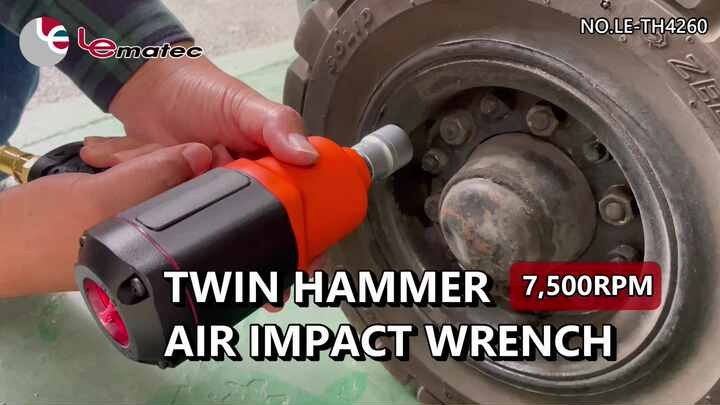
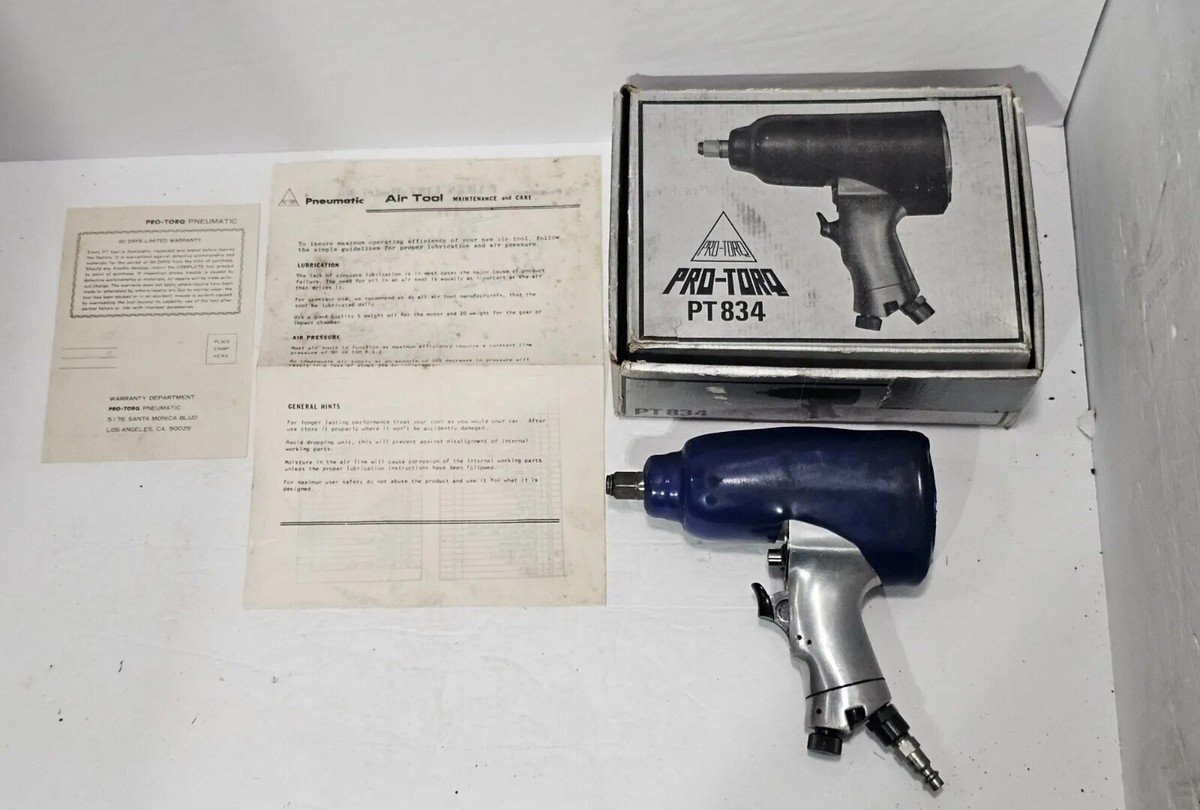
| Pneumatic (Air) | Air Compressor | Professional garages | Most powerful | Requires compressor |
For most car owners, a battery-powered impact wrench is enough. Professionals may prefer pneumatic for heavy work. Always check the tool’s torque rating matches your needs. Too much power is as risky as too little.
Credit: www.alibaba.com
Inspecting The Tool Before Use
A quick inspection avoids accidents caused by faulty equipment. Here’s what to check:
- Sockets: Only use impact-rated sockets. Regular sockets can shatter.
- Tool body: Look for cracks, loose parts, or damaged wires.
- Battery/cords: No frayed wires or loose connections.
- Trigger action: Should move smoothly and not stick.
- Anvil and drive: No excessive wear or wobble.
If you spot any damage, do not use the tool. Even a small crack can become dangerous under high torque.
Using The Correct Sockets And Accessories
Impact wrenches need impact-rated sockets. These are made from tougher steel and are thicker than regular sockets. Using the wrong socket can cause:
- Sockets to break and become flying projectiles
- Damaged nuts and bolts
- Stripped threads
Markings on impact sockets are usually etched, not just printed, and the color is often black. If you are not sure, ask a professional or check the manufacturer’s guide.
Another common mistake is using socket adapters or extensions that are not impact-rated. This can be just as risky as the wrong socket.
Setting The Right Torque
Torque means the twisting force. Too much can snap bolts; too little can make them come loose later.
Most impact wrenches have adjustable torque settings. Always check the car manufacturer’s recommended torque for each fastener, especially wheels. Over-tightening wheel nuts is a frequent cause of warped brake rotors.
Tip: For critical jobs (like wheel nuts), use the impact wrench to loosen or “snug” bolts, but finish tightening with a torque wrench for accuracy.
Safe Handling Techniques
How you hold and operate the tool makes a big difference. Follow these practical steps:
- Firm grip: Use both hands if possible, especially with larger tools.
- Keep wrists straight: Reduces strain and risk of sudden “kickback.”
- Body position: Stand with feet apart and balance your weight.
- Start slow: Begin at low speed to avoid sudden jerks.
- Stay clear of moving parts: Keep hands and loose clothing away from the socket area.
Many beginners forget to brace themselves or use one hand. When the wrench hits a stuck bolt, it can spin out of control.
Removing Lug Nuts And Bolts Safely
Impact wrenches are most often used for removing lug nuts during tire changes. Here’s how to do it safely:
- Loosen, don’t remove: Before you jack up the car, use the impact wrench to just loosen the nuts. Do not fully remove them with the car on the ground.
- One at a time: Focus on one nut or bolt at a time. Avoid jumping between fasteners.
- Short bursts: Use short trigger bursts, not long squeezes. This gives you more control and avoids over-torquing.
- Check for spinning: If the nut spins but won’t come off, stop. You may be cross-threaded, which can damage the stud.
For stuck or rusted bolts, apply a little penetrating oil and let it sit for a few minutes before retrying.
Reinstalling And Tightening: Avoiding Over-torquing
Putting bolts or nuts back is where many people make mistakes. Over-tightening with an impact wrench is a fast way to break studs or warp parts.
- Hand-start every bolt: Begin threading by hand to avoid cross-threading.
- “Snug,” not final: Use the impact wrench only to snug the bolt, not for final tightening.
- Finish with a torque wrench: For wheels, always use a torque wrench to reach the manufacturer’s setting.
- Tightening pattern: For wheels, use a star or criss-cross pattern to distribute pressure evenly.
Here’s a quick comparison of tightening methods:
| Method | Accuracy | Risk of Over-tightening | Best For |
|---|---|---|---|
| Impact Wrench Only | Low | High | Quick removal/initial snug |
| Torque Wrench Only | High | Low | Final tightening |
| Hand Tools | Medium | Medium | Light-duty jobs |
Credit: www.roadsafetyfacts.eu
Common Mistakes To Avoid
Even smart people make these errors when using an impact wrench on cars:
- Using chrome sockets instead of impact: Chrome sockets can shatter.
- Ignoring torque specs: “Tight is tight enough” is not true for cars.
- Working without eye protection: Fasteners can break or fly off.
- Not checking battery/air supply: Weak batteries or air pressure can cause the tool to stall mid-job.
- Skipping jack stands: Relying only on a jack is dangerous.
One less obvious mistake: trying to use the impact wrench for delicate or low-torque jobs, like small interior bolts. This often strips threads or breaks parts.
Maintenance Tips For Long-lasting Safety
A well-maintained tool is a safe tool. Follow these care tips:
- Clean regularly: Remove dust and debris from vents and moving parts.
- Lubricate: Use oil for pneumatic tools, as specified by the manufacturer.
- Store properly: Keep in a dry place away from moisture.
- Charge batteries fully: For cordless models, avoid letting batteries drain completely.
- Inspect often: Look for worn or broken parts before each use.
Regular maintenance means fewer surprises and safer results.
What Many Guides Forget: The Human Factor
Tools don’t make mistakes—people do. Fatigue, rushing, or distractions lead to accidents. If you feel tired, stop and take a break. Double-check your work. If you are new to impact wrenches, practice on scrap parts before using them on your car.
Another point: Don’t trust every “hack” or shortcut you see online. Many unsafe tricks get shared in car forums. Stick to manufacturer instructions and trusted sources like OSHA for safety info.
Frequently Asked Questions
Can I Use A Regular Socket With An Impact Wrench?
No, you should only use impact-rated sockets. Regular sockets are not strong enough and can crack or shatter under the force of an impact wrench. This creates a dangerous situation and can damage your car’s bolts.
How Tight Should I Make Wheel Nuts With An Impact Wrench?
Do not rely on the impact wrench for final tightening. Use it only to “snug” the nuts. Always finish tightening with a torque wrench to reach the exact torque specified by your car’s manual, usually between 80–100 ft-lbs for most cars.
Is A Cordless Impact Wrench Powerful Enough For Car Work?
For most car maintenance tasks like changing tires or brake jobs, a cordless impact wrench with 200–300 ft-lbs of torque is enough. For heavy-duty tasks, like suspension bolts, you may need a more powerful or pneumatic model.
What Happens If I Overtighten Bolts With An Impact Wrench?
Overtightening can strip threads, break wheel studs, or even crack alloy wheels. This makes your car unsafe to drive and can lead to expensive repairs. Always use a torque wrench for final tightening.
Is It Safe To Use An Impact Wrench For All Car Repairs?
No. Impact wrenches are not suitable for delicate or low-torque jobs. For small interior fasteners or sensitive parts, use hand tools to avoid damage.
Using an impact wrench on cars can make your work faster and easier, but safety is not automatic. Protect yourself with the right gear, inspect your tools, and always follow proper techniques. Mistakes are costly—both to your car and your health.
Take the time to do it right, and your impact wrench will be a valuable helper, not a hazard.
Credit: www.ebay.com