
Making your garage neat and functional doesn’t need to cost a fortune. Many people think you need custom cabinets, fancy shelves, or a big budget to get organized. The good news is, you can turn your messy garage into a tidy, useful space without spending much money.
With a smart plan, a few hours of work, and some creativity, you can see big changes—even on a small budget. This guide gives you practical steps, tips, and ideas to help you organize your garage, save money, and make the most of every inch of space.
Why Organize Your Garage?
A messy garage wastes time and space. You spend extra minutes searching for tools, sports gear, or holiday decorations. Sometimes, cluttered garages even become unsafe—tripping over items or stacking things too high can cause accidents. Organizing your garage means you use your space better, protect your things, and feel less stressed. Plus, it can even add value to your home. According to the National Association of Productivity and Organizing Professionals, over 50% of homeowners name the garage as the most disorganized part of their house.
Set Your Budget And Goals
Before you start, decide how much you can spend. Even $50–$100 can go a long way if you use the right tricks. Write down your main goals. Do you want to park your car inside? Store tools? Make space for hobbies?
Clear goals help you focus your spending on what matters most. Don’t rush to buy storage items before you sort out what you really need.
Clear Out And Sort Everything
Start by emptying your garage. Take everything out and group similar items together—tools, sports equipment, holiday decorations, and so on. This lets you see what you own and helps you spot things you can throw away, donate, or sell. As you sort, ask yourself: “When did I last use this?” If it’s been over a year, you probably don’t need it.
Many people skip this full clear-out because it takes time, but it is the most important step. You cannot organize what you don’t see. If you have lots of stuff, do this on a sunny weekend or with a friend’s help.
Clean And Repair
Once the garage is empty, sweep the floor, dust shelves, and wipe surfaces. Check for problems like leaks, mold, or broken shelves. Fix what you can using simple tools. A clean space makes it easier to keep things organized and spot problems early.
Plan Your Space
It’s easy to waste space in a garage. Plan where to store each group of items. Keep things you use often—like bikes or daily tools—near the door. Seasonal items can go higher up or further back. Measure your walls and floor space to see what storage systems fit best.
Here’s a quick comparison of common storage options for garages:
| Storage Type | Cost | Best For | DIY-Friendly |
|---|---|---|---|
| Shelves | Low to Medium | Boxes, bins, tools | Yes |
| Pegboards | Low | Hand tools, small items | Yes |
| Hooks/Racks | Very Low | Bikes, hoses, ladders | Yes |
| Cabinets | Medium to High | Hazardous materials, valuables | Sometimes |
For a small budget, focus on shelves, pegboards, and hooks.
Use What You Already Have
Before buying anything, look around your home for old shelves, bookcases, or bins. Many people have unused items in basements or closets that work great for garage storage. Repurposing saves money and keeps items out of landfills.
For example, an old dresser can become a tool organizer, or sturdy cardboard boxes can store holiday decorations. You can even reuse glass jars for nails and screws.
Buy Smart: Where To Get Cheap Or Free Supplies
If you need extra shelves or bins, shop smart. Here are some ways to save:
- Thrift stores and yard sales often have shelves, bins, or cabinets for a few dollars.
- Check online marketplaces like Craigslist or Facebook Marketplace for free or low-cost items.
- Big box stores sometimes offer large plastic bins for $5–$10 each.
- Some local hardware stores have a “free wood” pile—great for building your own shelves.
Don’t be afraid to mix and match. Uniformity looks nice, but function matters more. Always check the weight limits for shelves or racks, especially if you plan to store heavy tools.
Simple Diy Storage Solutions
Building your own garage storage is easier than you think. Here are a few ideas:
Diy Wall Shelves
Screw basic brackets and wood planks into wall studs. Even cheap pine boards can hold boxes or tools if attached securely. Paint or seal them for extra durability.
Pegboard Organizer
A sheet of pegboard (usually under $20) can turn an empty wall into a tool center. Add hooks or small baskets for hammers, screwdrivers, and tape.
Hanging Hooks
Install heavy-duty hooks directly into studs to hang bikes, extension cords, or ladders. These usually cost $1–$3 each.
Overhead Storage
If your garage has tall ceilings, you can add shelves above the garage door or along the top of walls. Use sturdy brackets and make sure they are safe for heavier items.
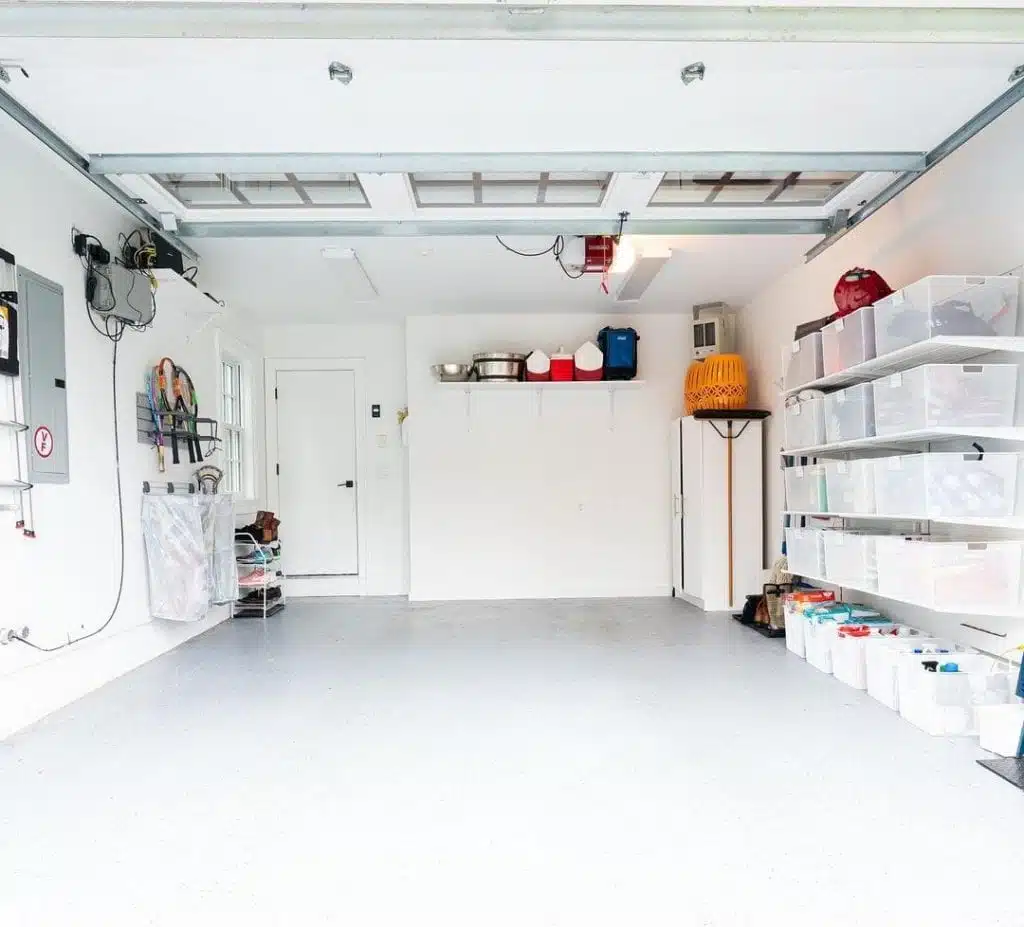
Credit: www.pods.com
Label Everything
Once you have bins or boxes, label them clearly. Use large, bold writing or print labels. This small step saves time and keeps your system working. You don’t need a fancy label maker—a permanent marker on masking tape works fine.
Use Vertical Space
Most people waste the upper half of their garage walls. Store rarely used items higher up and keep everyday things within easy reach. Hanging garden tools or ladders on the wall opens up floor space and makes cleaning easier.
Here’s an example of how using vertical space can increase storage:
| Storage Method | Floor Space Used (sq ft) | Items Stored |
|---|---|---|
| Bins stacked on floor | 12 | 6 bins |
| Bins on shelves (3 high) | 4 | 6 bins |
| Bikes on hooks (wall) | 0 | 2 bikes |
As you can see, vertical storage can cut the floor space needed by more than half.
Create Zones
Divide your garage into zones based on activities or item types. For example:
- Tools zone: Pegboard, toolboxes, workbench
- Sports zone: Bins for balls, hooks for bikes
- Seasonal zone: Shelves for decorations, camping gear
Zones make it easier for everyone in the family to find and put away things. If you share your garage, show everyone where things go.
Keep Floor Space Clear
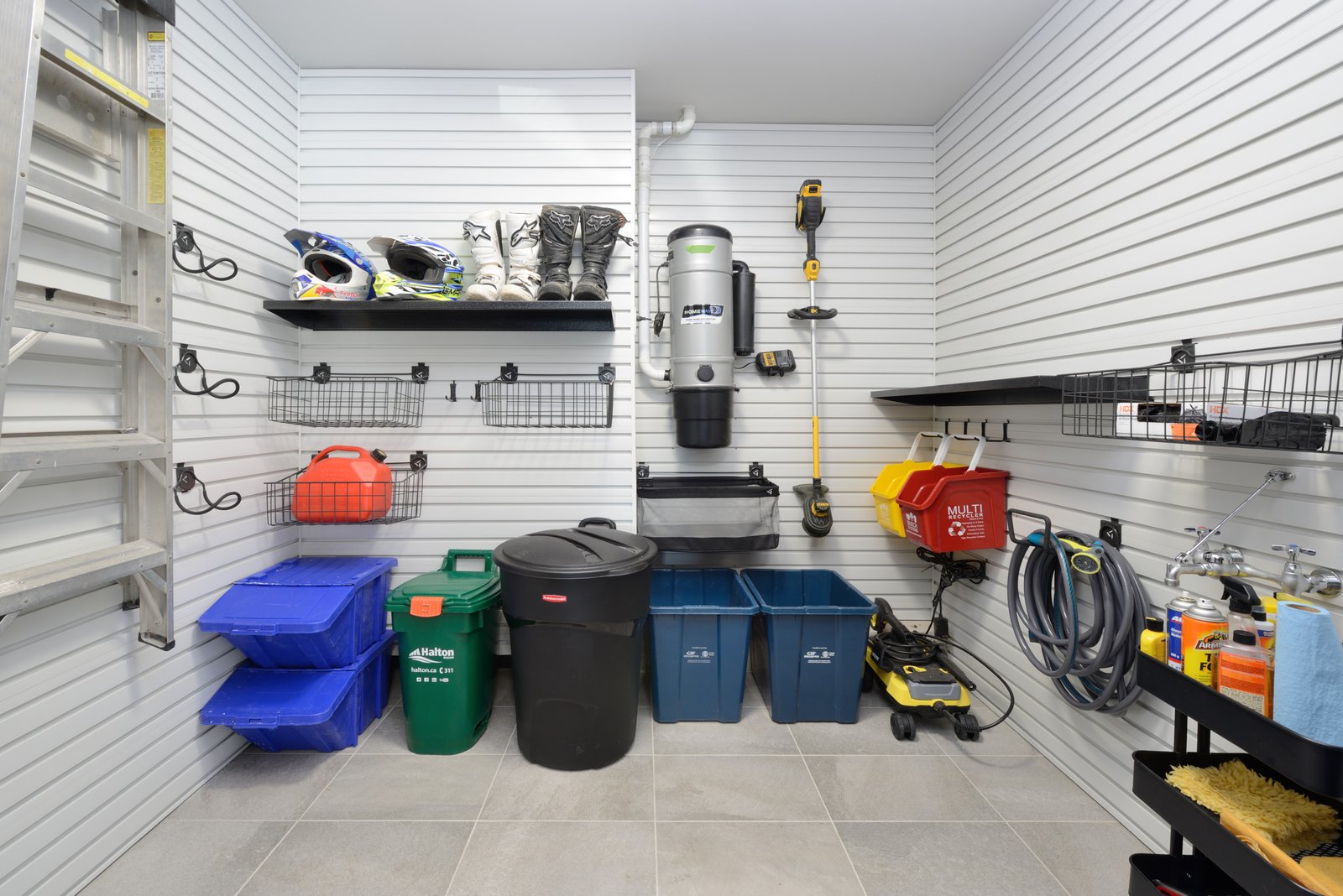
Try to keep as much off the floor as possible. This makes cleaning easier and prevents damage from water or dirt. Wall-mounted shelves, hooks, and racks are your best friends. If you must put something on the floor, use sturdy bins with lids to keep out dust and pests.

Credit: www.bhg.com
Maintain Your System
The secret to a tidy garage isn’t just organizing once—it’s keeping it that way. Schedule a quick check every few months. Tidy up, throw away what you don’t need, and make sure everything is in its place. A little effort regularly saves hours later.
Here’s a quick maintenance schedule:
| Task | How Often | Time Needed |
|---|---|---|
| Sweep floor | Monthly | 10 minutes |
| Check for clutter | Every 3 months | 20 minutes |
| Sort seasonal items | Twice a year | 30 minutes |
Two Non-obvious Insights
Most beginners overlook the value of clear bins. Being able to see inside bins saves time and avoids buying duplicates. Even if you already have solid bins, cut a “window” on one side and cover with plastic wrap for a cheap see-through panel.
Another missed idea is using the back of the garage door. Small baskets or racks can hold spray bottles, gloves, or extension cords. This space is rarely used but can handle many lightweight items.
Common Mistakes To Avoid
- Buying too many bins before sorting: You may end up with wrong sizes or too many bins you don’t use.
- Ignoring weight limits: Cheap shelves can bend or break if overloaded. Always check the load rating.
- Not anchoring tall shelves: Unsecured shelves can tip and cause accidents. Always attach tall shelves to wall studs.
- Storing chemicals near heat: Keep paints and oils away from hot water heaters or direct sun.
- Forgetting to measure: Items often don’t fit as expected. Measure your garage and new storage before buying.
How To Stay Motivated
Organizing a garage can feel overwhelming. Start small—one shelf or one corner at a time. Take before-and-after photos to see your progress. Celebrate small wins, like finding lost tools or freeing up parking space.
If you have family, involve them in the process. Kids can help sort toys or sports gear. Sharing the workload makes the job faster and keeps everyone invested in maintaining order.
When To Call For Help
If you find dangerous chemicals, mold, or pests while cleaning, it’s best to ask a professional. Don’t risk your health to save money. Sometimes, a neighbor or friend with organizing experience can also give you new ideas.
A Real-life Example
Maria, a single mother of two, organized her two-car garage with less than $75. She used old bookshelves from her office, bought six plastic bins from a discount store, and made a pegboard wall with leftover paint for a fun look.
After decluttering, she found she had three empty bins left. Now, she parks her car inside and her kids can find their sports gear quickly. Her story shows that organizing is more about effort and planning than money.
Useful Resources
For even more DIY storage ideas and free organizing plans, visit the Family Handyman website.
Frequently Asked Questions
How Much Does It Cost To Organize A Garage On A Small Budget?
Most people can organize their garage for $50–$150 by reusing items and buying only a few basic supplies like shelves, hooks, or bins. The price depends on the size of your garage and how many items you need to store.
What Are The Best Cheap Storage Options For A Garage?
Wall shelves, pegboards, and hooks are the most budget-friendly and effective options. Old bookcases or cabinets can also work well if you have them at home.
How Do I Keep My Garage Organized Long-term?
Set a routine to tidy your garage every few months. Label everything, put items back after each use, and do a big clean-up at least once a year. Involving your family helps keep the system working.
Can I Organize My Garage Without Buying Anything New?
Yes, you can repurpose old shelves, boxes, jars, or baskets from your home. Many people organize their whole garage using only what they already own.
What Should Not Be Stored In A Garage?
Avoid storing food, important papers, or electronics in the garage, since temperature and humidity changes can cause damage. Also, keep flammable chemicals away from heat sources.
Taking the time to organize your garage, even with a small budget, makes daily life easier and safer. With creativity and steady effort, you can turn your garage into a space you’re proud of—without breaking the bank.
Credit: www.houzz.com