How to Change Engine Oil at Home: A Comprehensive DIY Guide

How to Change Engine Oil at Home: A Comprehensive DIY Guide
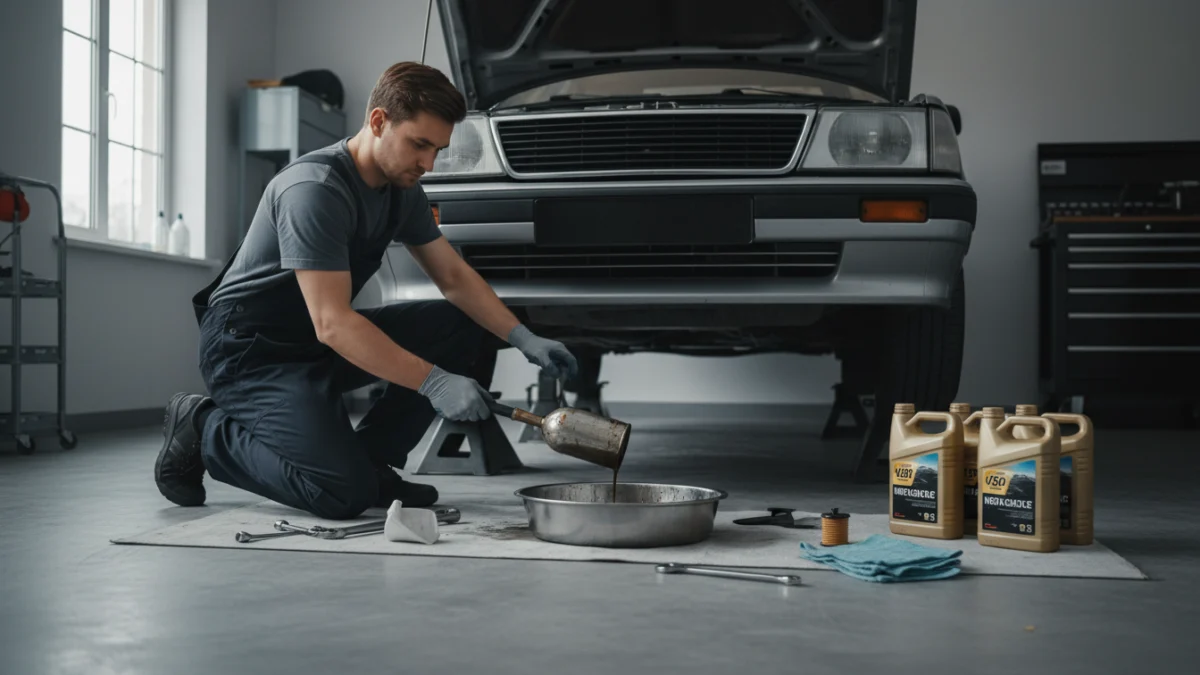
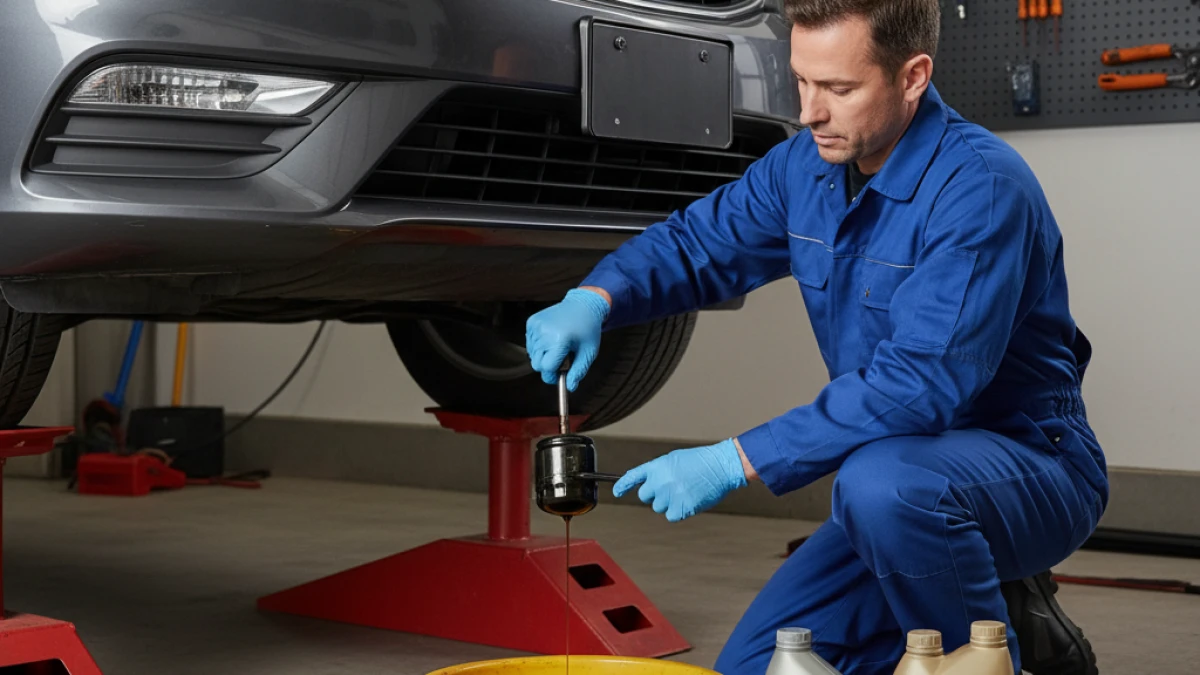
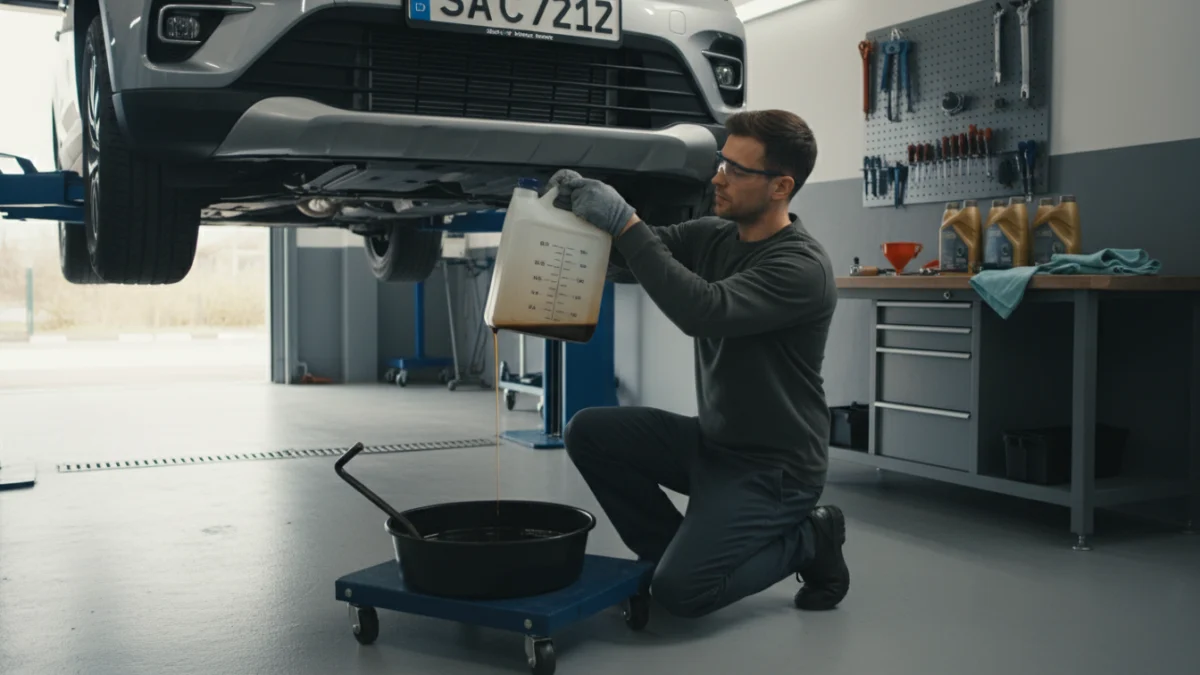
Changing engine oil at home involves draining the old, contaminated oil from your vehicle’s engine, replacing the oil filter, and then refilling the engine with fresh, new oil. This routine maintenance task is crucial for engine longevity and performance, and it can be performed by most DIY enthusiasts with the right tools and precautions. Essential …
Read more

How Often to Rotate Tires DIY: Complete Guide

How Often to Rotate Tires DIY: A Complete Guide for Home Mechanics

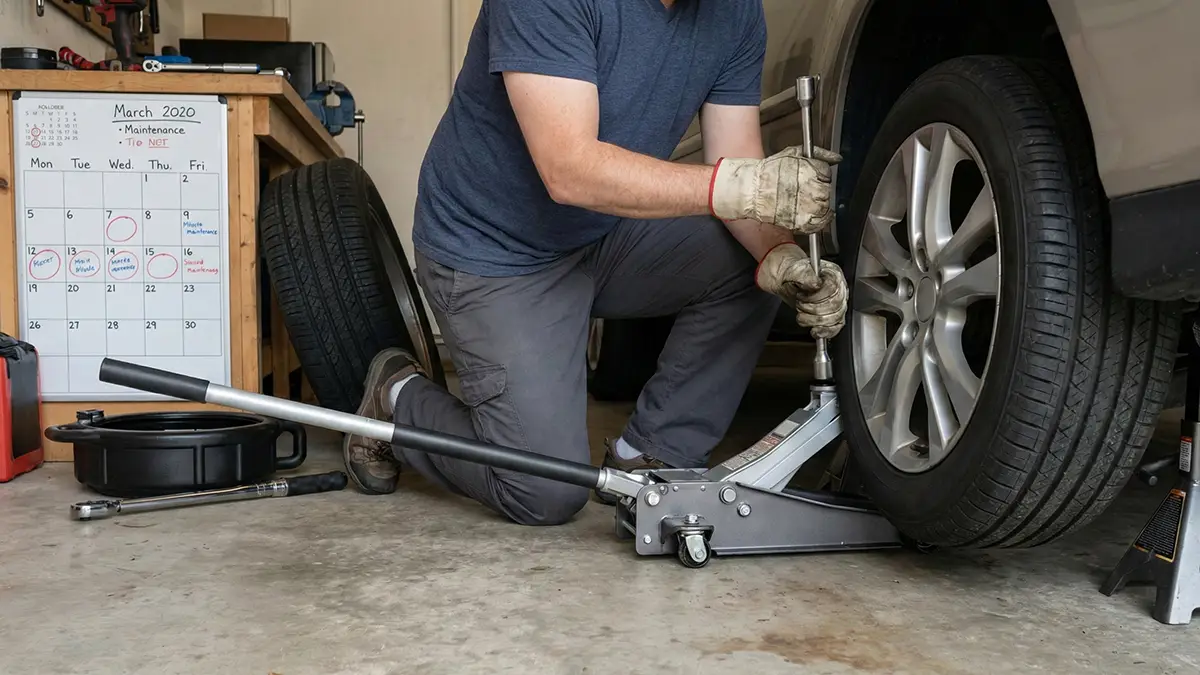
Most manufacturers recommend rotating tires every 5,000 to 7,500 miles, or roughly every six months. This practice promotes even wear, extends tire lifespan, and maintains vehicle performance. For home mechanics, aligning this task with regular oil changes offers a practical and easy-to-remember schedule. Rotate tires every 5,000-7,500 miles or 6 months for optimal performance. Even …

Read more

Tyre Pressure Check at Home: Safety & Efficiency

Guide to Tyre Pressure Check at Home: Safety, Efficiency, and Longevity

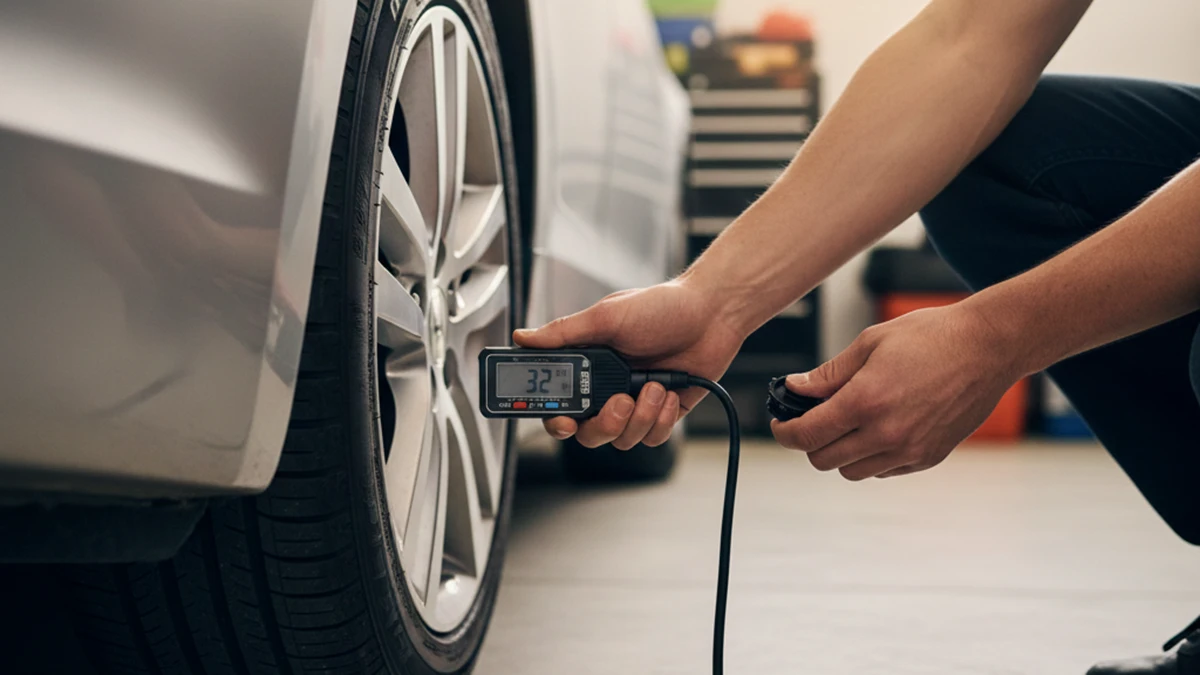
To check tyre pressure at home, ensure your tyres are cold, remove the valve cap, and firmly press a reliable tyre pressure gauge onto the valve stem. Read the displayed PSI (pounds per square inch) and compare it to your vehicle’s recommended pressure, typically found on the driver’s door jamb or in the owner’s manual. …

Read more

How to Read Oil Dipstick Correctly: Step-by-Step

How to Read Oil Dipstick Correctly: A Comprehensive Guide to Engine Oil Levels

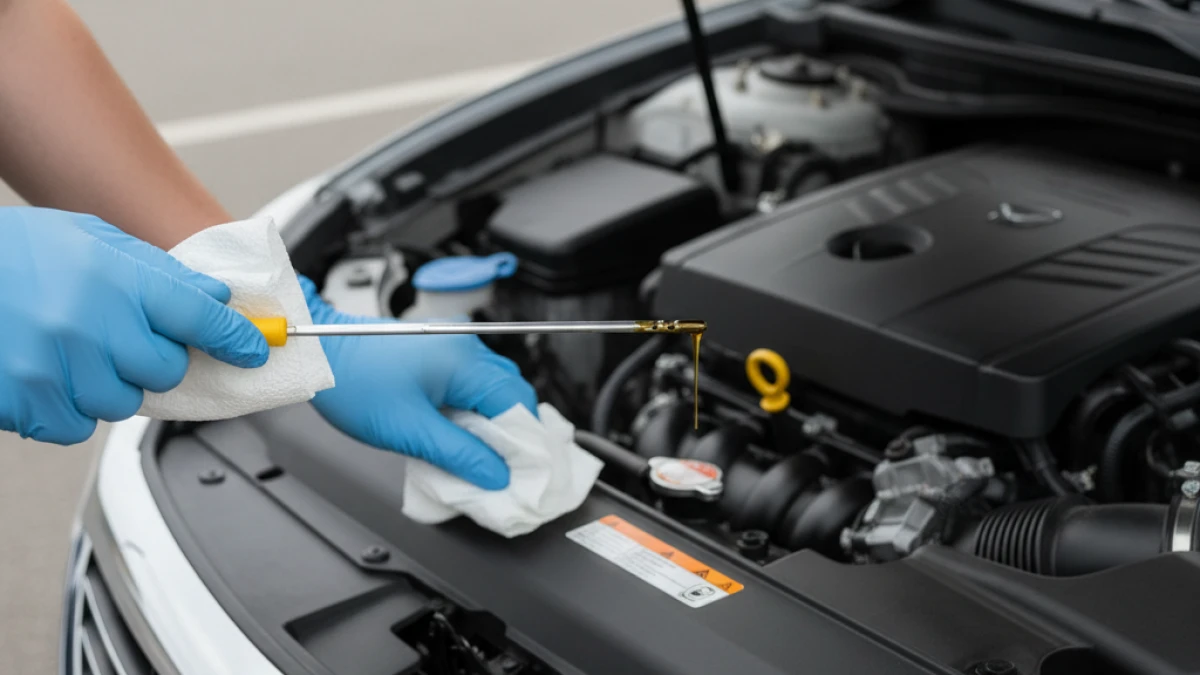
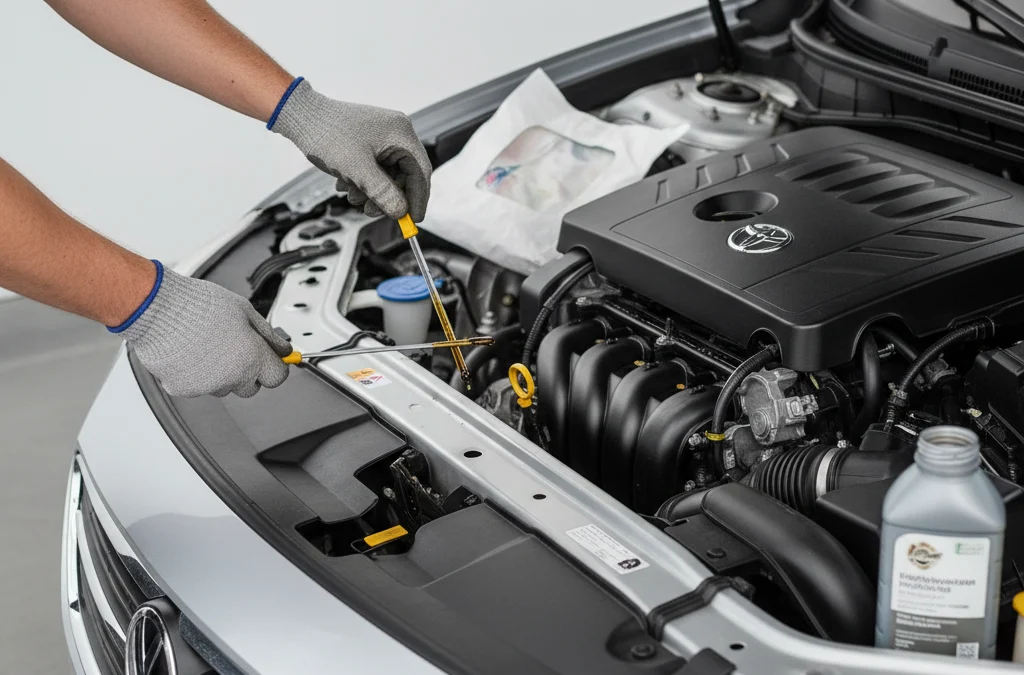
To read an oil dipstick correctly, ensure your vehicle is parked on a flat, level surface and the engine has been off for at least 10-15 minutes, allowing oil to drain back into the oil pan. Carefully remove the dipstick, wipe it completely clean with a rag, reinsert it fully until it seats properly, then …

Read more

How to Find Correct Tire Pressure for My Car DIY

Mastering Your Ride: How to Find the Correct Tire Pressure for My Car DIY

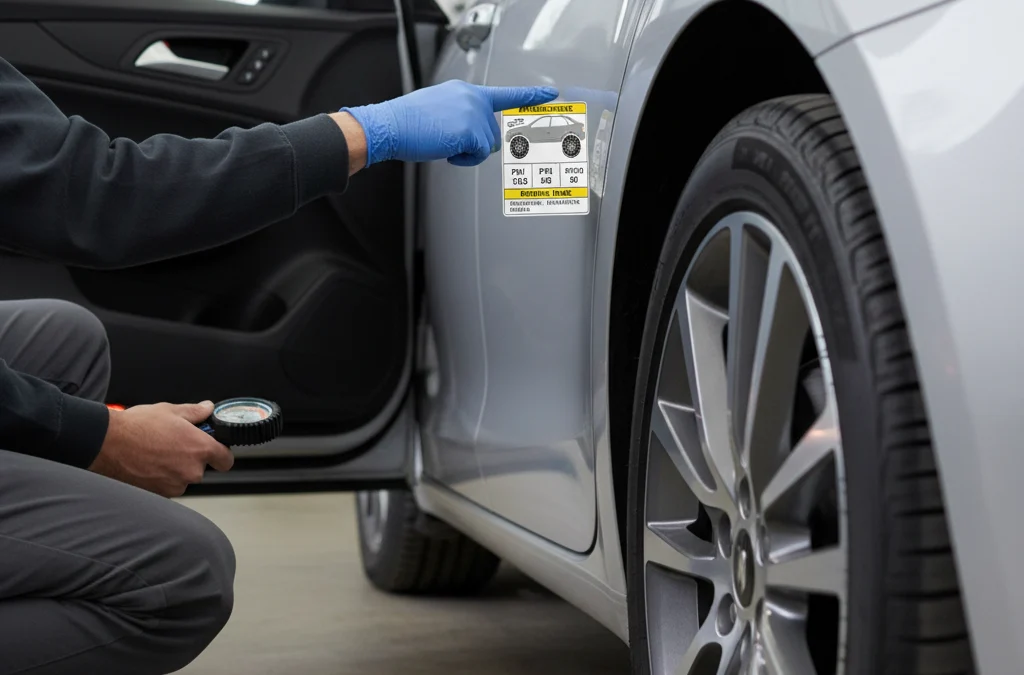
The correct tire pressure for your car is found on a specific sticker, typically located on the driver’s side door jamb, inside the glove compartment, or within your vehicle’s owner’s manual. This recommended pressure, measured in pounds per square inch (PSI), is crucial for cold tires and directly impacts your car’s safety, handling, and fuel …

Read more

How to Check Car Fluids at Home: Complete Guide

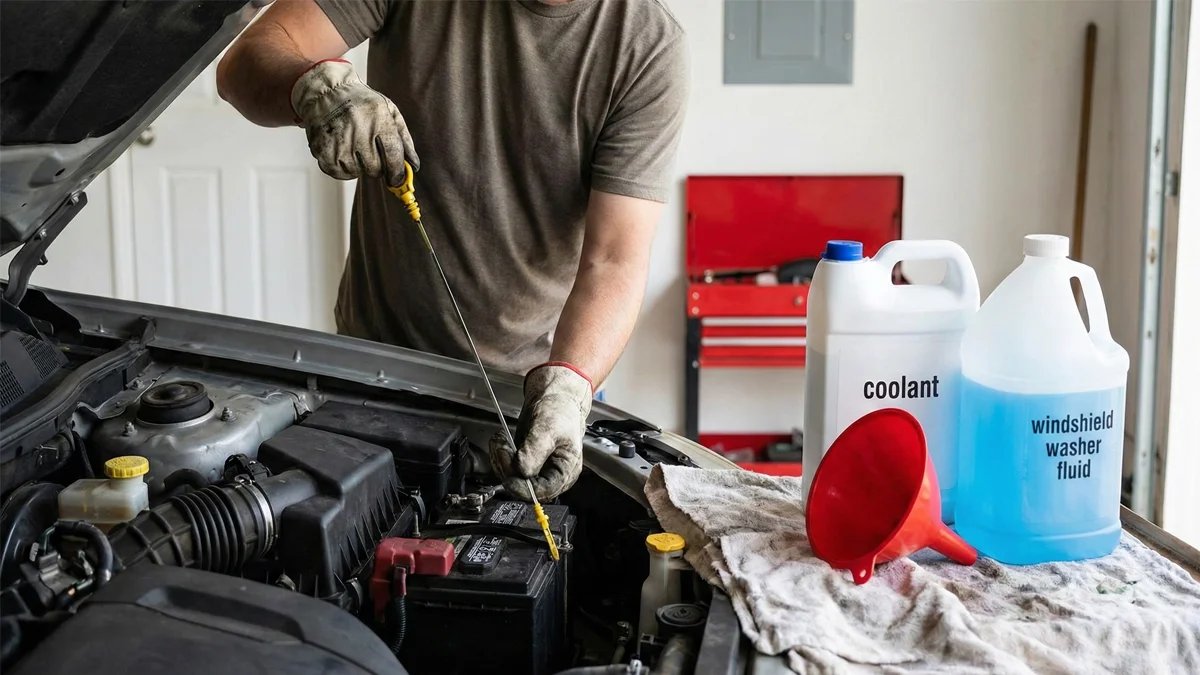
A man in a garage checks the engine oil dipstick under the hood of a car. In the foreground are containers labeled "COOLANT" and "BRAKE FLUID," a funnel, and other automotive supplies.

Regularly checking your car’s fluids at home is a fundamental aspect of vehicle maintenance, crucial for ensuring its longevity and safe operation. This process involves inspecting the levels and condition of essential liquids like engine oil, coolant, brake fluid, power steering fluid, and transmission fluid. By performing these simple checks, vehicle owners can proactively identify …

Read more