
Mastering Windshield Washer Fluid Refill DIY: A Complete Guide

windshield washer fluid refill diy

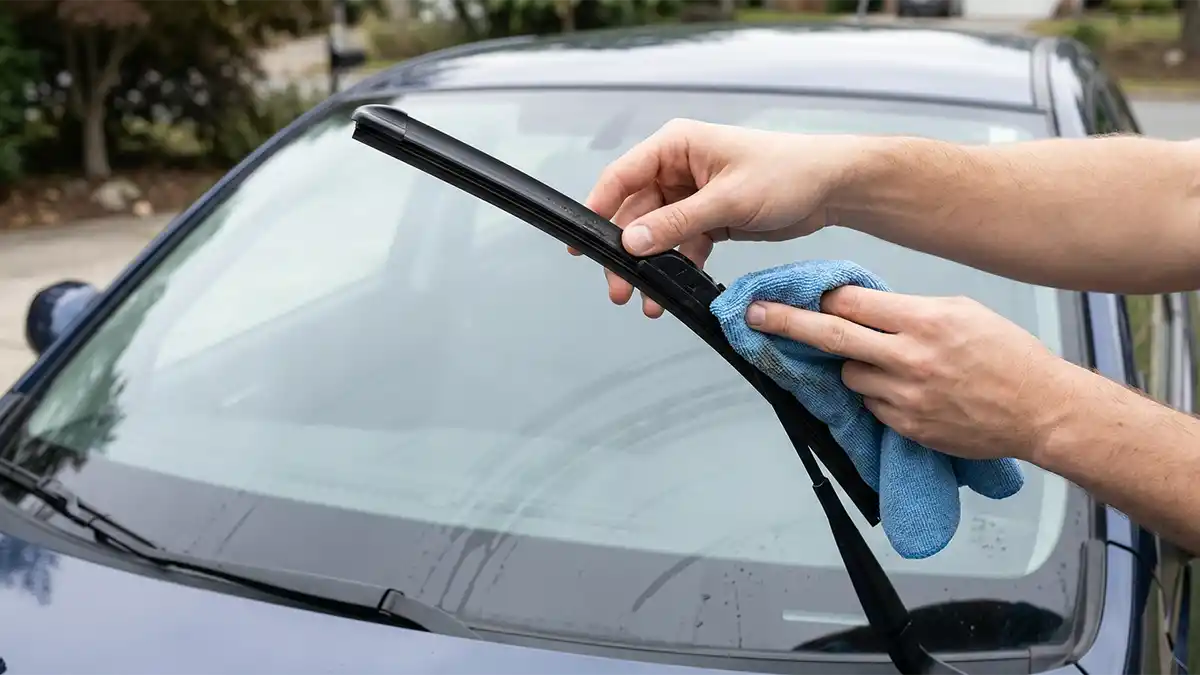
Refilling your windshield washer fluid is a straightforward maintenance task that every car owner can perform. It involves locating the designated reservoir under the hood, typically identified by a windshield symbol, opening its cap, and carefully pouring in the appropriate automotive washer fluid until it reaches the full mark. This simple DIY ensures clear visibility …

Read more

How to Top Up Coolant Safely: A Comprehensive DIY Guide

how to top up coolant safely

To safely top up coolant, ensure your engine is completely cool to prevent serious burns from hot fluid and steam. Always wear appropriate protective gear, identify the specific coolant type recommended for your vehicle, and locate the coolant reservoir. Carefully add the correct coolant up to the ‘MAX’ line, being cautious not to overfill, and …

Read more

How to Check Coolant Level at Home: A Complete DIY Guide

how to check coolant level at home

Checking your car’s coolant level at home is a straightforward maintenance task that can prevent serious engine damage. To perform this check, ensure your engine is completely cool, then locate the translucent coolant reservoir under the hood. The fluid level should visibly rest between the ‘MIN’ and ‘MAX’ indicators on the side of the reservoir. …

Read more

How Often to Change Engine Oil DIY: Full Guide

how often to change engine oil diy

For home mechanics, understanding how often to change engine oil is crucial for vehicle longevity and performance. Generally, conventional engine oil should be changed every 5,000 to 7,500 miles or every 6 months, while synthetic oil typically allows for intervals of 7,500 to 10,000 miles or 12 months. These are general guidelines, and specific intervals …

Read more

How to Safely Work Under a Car at Home: Guide

How to Safely Work Under a Car at Home

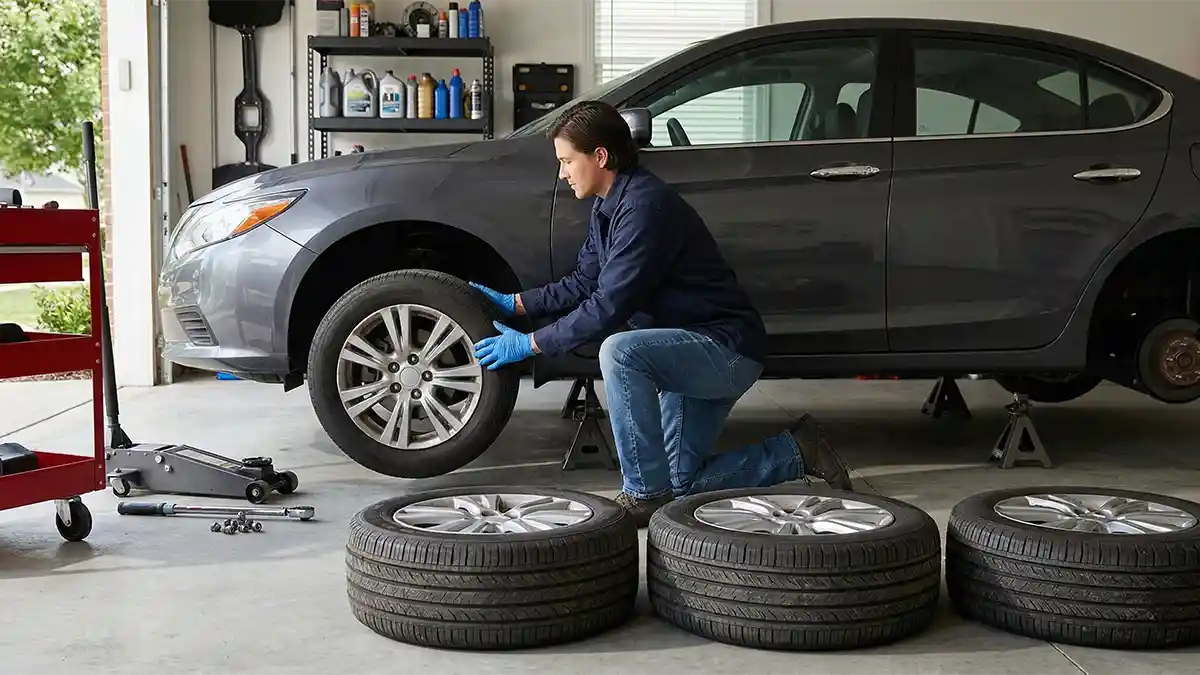
To safely work under a car at home, always prioritize stability and proper equipment. Begin by parking the vehicle on a level, firm surface. Use a high-quality hydraulic jack to lift the car, then immediately secure it with sturdy jack stands placed at the manufacturer-recommended support points. Always chock the wheels that remain on the …

Read more

What Happens If You Overfill Engine Oil: DIY Guide

What Happens If You Overfill Engine Oil DIY

Overfilling engine oil can lead to a cascade of serious problems for your vehicle’s engine, ranging from reduced performance to catastrophic component failure. When the oil level exceeds the manufacturer’s recommended maximum, it can introduce air into the lubrication system, increase internal pressure, and damage critical seals and components. Addressing an overfill situation promptly is …

Read more

How to Change Transmission Fluid at Home: Basic Guide

How to Change Transmission Fluid at Home Basic

Changing transmission fluid at home involves safely lifting your vehicle, draining the old fluid from the transmission pan, replacing the filter and pan gasket, and then refilling with the manufacturer-specified new fluid. This essential maintenance task helps ensure the longevity and smooth operation of your vehicle’s transmission system. Always consult your vehicle’s owner’s manual for …

Read more

How to Clean a Reusable Air Filter: DIY Guide

How to Clean Reusable Air Filter DIY

To clean a reusable air filter DIY, first remove it from your HVAC system or vehicle. Gently tap out loose debris, then spray it with a specialized filter cleaner or a mild detergent solution. Rinse thoroughly from the clean side out with low-pressure water until clear. Allow it to air dry completely before re-oiling (if …

Read more

How to Fix Small Oil Leak Temporarily: DIY Tips

How to Fix Small Oil Leak Temporary

how to fix small oil leak temporary is a common question. In this guide, you’ll get a clear, practical breakdown before we dive into the main sections. How to Fix Small Oil Leak Temporary: Your Guide to Quick Solutions To temporarily fix a small oil leak, you can employ specialized oil stop-leak additives, apply temporary …

Read more

How to Check for Oil Leaks DIY: Complete Guide

How to Check for Oil Leaks DIY

To check for oil leaks DIY, begin by observing your usual parking spot for any fresh oil stains or puddles. Next, perform a thorough visual inspection of your engine bay, starting from the top and working downwards, looking for any signs of wetness, drips, or accumulated grime that indicates oil seepage. Using a flashlight can …

Read more