
Upgrading your car with a performance downpipe is one of the best ways to boost power, improve exhaust flow, and unlock a sportier sound. But the installation process can be challenging, especially if you’ve never worked on exhaust parts before.
This guide will walk you through every step, from understanding the benefits to avoiding common mistakes and finally installing your new downpipe. You’ll learn what tools you need, how to prepare, the exact steps for removal and installation, and practical tips that most beginners overlook.
What Is A Performance Downpipe?
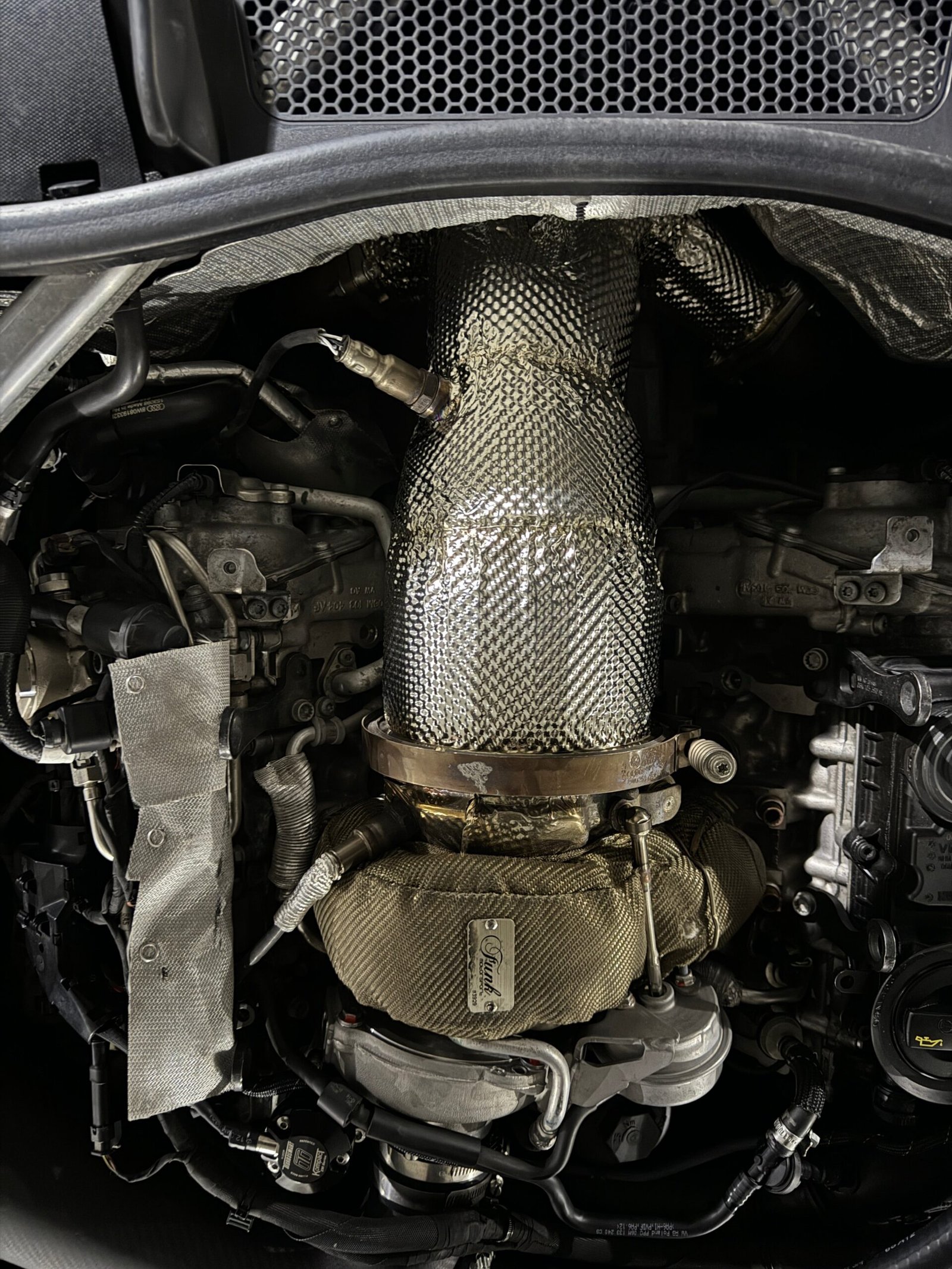
A performance downpipe is a part of your car’s exhaust system. It connects the turbocharger or exhaust manifold to the rest of the exhaust. Stock downpipes often have restrictive bends, smaller diameter, and built-in catalytic converters. Performance downpipes use larger, smoother pipes and sometimes remove or replace the catalytic converter, allowing exhaust gases to flow faster.
Benefits of a performance downpipe:
- Increased horsepower and torque
- Faster turbo spool-up
- Sportier exhaust sound
- Improved fuel efficiency (in some cases)
Typical gains range from 10–40 horsepower, depending on your car and supporting modifications.
Choosing The Right Downpipe
Not all downpipes are equal. To make the right choice, focus on these factors:
- Pipe diameter: Bigger is better for performance, but too big can cause fitment issues.
- Material: Stainless steel is durable and resists corrosion. Mild steel is cheaper but rusts easily.
- Catalytic converter: Some downpipes are “catless” (no converter) for maximum flow, others are “high-flow catted” for legal compliance.
- Fitment: Must match your car’s make, model, and year. Double-check compatibility.
- Brand reputation: Brands like COBB, HKS, and MagnaFlow are known for quality.
Here’s a quick comparison of common materials:
| Material | Durability | Cost | Corrosion Resistance |
|---|---|---|---|
| Stainless Steel | High | Expensive | Excellent |
| Mild Steel | Medium | Cheap | Poor |
| Aluminized Steel | Medium | Moderate | Good |
Non-obvious insight: The pipe diameter and shape can affect not just power, but also the sound and emissions. Some downpipes cause “check engine” lights if your car’s sensors detect missing or altered catalytic converters.
Tools And Equipment You’ll Need
Before starting, gather these tools:
- Socket set (metric and standard)
- Ratchet and extensions
- Wrenches
- Jack and jack stands or a hydraulic lift
- Penetrating oil (like WD-40)
- Torque wrench
- Oxygen sensor wrench (for O2 sensors)
- Safety gloves and goggles
- Exhaust gasket (new, if needed)
Optional but helpful:
- Breaker bar for stubborn bolts
- Exhaust hanger removal tool
- Anti-seize compound
Practical tip: Always check if your new downpipe comes with hardware (bolts, gaskets). If not, buy them separately.
Preparation And Safety Steps
Working under the car can be dangerous. Follow these steps:
- Park on a flat surface. Use parking brake.
- Let the car cool down. Exhaust parts get very hot.
- Lift the car safely. Use jack stands, not just a hydraulic jack.
- Disconnect the battery. Prevent accidental short circuits.
- Wear safety gear. Gloves and goggles protect from burns, cuts, and falling debris.
Common mistake: Not letting the car cool fully. Hot exhaust pipes can cause serious burns.
Removing The Stock Downpipe
This step is often the hardest, especially if bolts are rusted or stuck. Here’s how to do it:
- Locate the downpipe. Usually under the engine, attached to the turbo or exhaust manifold.
- Spray penetrating oil on all bolts and nuts. Wait 10–20 minutes.
- Remove O2 sensors. Use the oxygen sensor wrench. Mark their locations if there are multiple sensors.
- Loosen bolts at turbo/manifold flange. Use a ratchet, extensions, or breaker bar for tough bolts.
- Loosen bolts at exhaust flange. Support the downpipe so it doesn’t drop suddenly.
- Remove exhaust hangers. Use pliers or a hanger tool.
- Pull out the stock downpipe. Wiggle gently; avoid forcing.
Example: On a 2017 Ford Focus ST, removing the stock downpipe takes about 1–2 hours, with most time spent on stubborn bolts.
Non-obvious insight: Some cars have heat shields or covers over the downpipe. Remove these first, and keep track of their screws.
Installing The Performance Downpipe
Now for the main event. Follow these steps:
- Check fitment. Compare the new downpipe to the old one. Make sure flanges and bends match.
- Install new gasket. Place between downpipe and turbo/exhaust manifold.
- Position the new downpipe. Line up bolt holes.
- Hand-tighten bolts. Start all bolts before tightening fully to ensure proper alignment.
- Reconnect exhaust hangers. Secure the pipe.
- Tighten bolts to spec. Use a torque wrench. Typical torque: 25–35 ft-lb (check your car’s manual).
- Reinstall O2 sensors. Use anti-seize on threads if recommended.
- Reconnect exhaust flange. Use new hardware if possible.
Practical tip: Never overtighten bolts. This can warp flanges and cause leaks.
Credit: www.tintworld.com
Double-check Installation
Before starting the engine, do these checks:
- Inspect for gaps. No visible gaps between flanges.
- Check O2 sensor wires. Not pinched or stretched.
- Verify exhaust hangers. All are secure.
- Look for leftover tools. Remove everything from under the car.
Common mistake: Forgetting to reconnect O2 sensors, which can cause warning lights and poor performance.
First Start And Testing
Here’s what to do when you start the car:
- Listen for leaks. Hissing or tapping means exhaust is escaping.
- Check for rattles. Could indicate loose hardware.
- Watch for warning lights. “Check engine” light may come on if your car detects emissions changes.
Example: On a Volkswagen Golf GTI, a new downpipe can trigger a “check engine” light. You may need a software tune or O2 sensor spacer to fix this.
Non-obvious insight: Some performance downpipes require an ECU remap (software update) to run properly and avoid warning lights. Always check manufacturer recommendations.
Credit: www.youtube.com
Tuning After Downpipe Installation
A performance downpipe changes exhaust flow and sometimes emissions. Many cars need a software tune after installation for best results.
Benefits of tuning:
- Maximizes horsepower gain
- Prevents “check engine” lights
- Optimizes air/fuel ratio
Popular tuning solutions include COBB Accessport, ECU flash, or custom dyno tuning. Prices range from $400–$1,000, but gains can be dramatic: up to 20–40 horsepower extra.
| Tuning Method | Cost | Power Gain | Difficulty |
|---|---|---|---|
| COBB Accessport | $550 | +20 hp | Easy |
| ECU Flash | $400 | +15 hp | Medium |
| Dyno Tune | $1000 | +40 hp | Hard |
Legal And Emissions Considerations
Installing a performance downpipe can affect emissions and legality. Some regions have strict laws. Here’s what you should know:
- Catless downpipes may fail emissions tests.
- “High-flow catted” downpipes are often legal, but check local rules.
- Tampering with emissions can result in fines.
Check your country or state’s emissions rules before buying. For more details, visit the official EPA emissions testing page.
Maintenance And Longevity
A new downpipe needs occasional maintenance:
- Inspect for leaks every 6 months.
- Check O2 sensors yearly.
- Clean downpipe exterior to prevent rust.
- Replace gaskets if you notice exhaust leaks.
Non-obvious insight: Stainless steel downpipes last 5–10 years, but road salt and moisture can shorten lifespan. Regular cleaning helps.
Common Mistakes To Avoid
Many beginners make these errors:
- Wrong fitment: Not checking car model and year.
- Using old gaskets: Causes leaks.
- Overtightening bolts: Can warp flanges.
- Skipping O2 sensor reinstallation: Causes engine issues.
- Ignoring tuning needs: Limits performance and can cause warning lights.
Practical tip: Always save your stock downpipe. You may need it for emissions testing or resale.
Credit: canautoperformance.com
Performance Gains: What To Expect
How much power will you get? It depends on your car and supporting mods.
| Car Model | Stock HP | Downpipe Installed HP | Percentage Gain |
|---|---|---|---|
| VW Golf GTI | 220 | 250 | +13.6% |
| Ford Focus ST | 252 | 280 | +11.1% |
| Subaru WRX | 268 | 300 | +11.9% |
Supporting mods like a cold air intake, cat-back exhaust, and ECU tune can increase gains even more.
Practical Tips For A Smooth Install
To make your install easier and safer:
- Use lots of penetrating oil for rusted bolts.
- Take photos during removal to help reinstallation.
- Have a friend help—holding parts and tools saves time.
- Buy new gaskets and hardware in advance.
- Keep your workspace organized to avoid lost bolts.
Many beginners overlook the value of photos and extra hands. These make the process smoother, especially for tricky steps.
Frequently Asked Questions
How Long Does It Take To Install A Performance Downpipe?
For most cars, installation takes 2–4 hours if you have basic tools and experience. Beginners may need up to 6 hours. The hardest part is removing the old downpipe, especially if bolts are rusted.
Will Installing A Downpipe Void My Warranty?
In many cases, yes. Modifying exhaust parts can void your car’s warranty, especially for engine or emissions coverage. Always check your manufacturer’s policy before installing.
Do I Need To Tune My Car After Installing A Downpipe?
It depends. If your downpipe changes emissions or air/fuel ratio, a software tune is recommended. Some cars will run poorly or show a “check engine” light without tuning.
Is A Performance Downpipe Legal In My Country?
Laws vary. Catless downpipes are often illegal in regions with strict emissions rules. “High-flow catted” downpipes may be legal, but always check local regulations.
Can I Install A Downpipe Myself Or Should I Hire A Mechanic?
If you have tools and mechanical experience, you can install a downpipe yourself. If you’re unsure, or if your car has complex exhaust routing, hiring a mechanic may save time and prevent mistakes.
Installing a performance downpipe is a rewarding upgrade that can transform your car’s power and sound. With careful preparation, the right tools, and attention to detail, you’ll enjoy the benefits and avoid common pitfalls. Always check local laws, consider tuning, and remember to drive responsibly after your upgrade.