
Installing a turbo timer in your car is a smart move if you want to keep your engine healthy and extend the life of your turbocharger. Many drivers know that after a hard run, turning off the engine right away can damage the turbo.
That’s because the turbo keeps spinning at high speed and can overheat if the oil stops flowing suddenly. A turbo timer solves this by keeping the engine running for a set time, letting the turbo cool down safely. If you’re considering installing a turbo timer yourself, this guide will walk you through every step with clear instructions, practical tips, and insights most beginners miss.
What Is A Turbo Timer And Why Use One?
A turbo timer is a small electronic device that keeps your car’s engine running for a short period after you remove the key from the ignition. This helps the turbocharger cool down properly by allowing oil to circulate and carry away heat.
Why is this important? Turbochargers operate at extremely high temperatures, especially after spirited driving or highway runs. If you turn off the engine too soon, oil can burn and create carbon deposits inside the turbo. Over time, this can lead to expensive repairs or even complete turbo failure.
A turbo timer is especially useful for:
- Cars with turbocharged engines
- Drivers who often drive aggressively or on highways
- Anyone who wants to protect their turbo investment
Tools And Materials Needed
Before you begin, gather all the necessary tools and materials. Having the right equipment makes the job smoother and safer.
You will need:
- A compatible turbo timer kit (check your car’s model)
- Basic hand tools (screwdrivers, pliers, wire cutters/strippers)
- Electrical tape or heat-shrink tubing
- Soldering iron (optional, for strong connections)
- Multimeter (for checking wires)
- Zip ties (for neat wiring)
- Car’s wiring diagram (from the service manual or online)
- User manual for the turbo timer
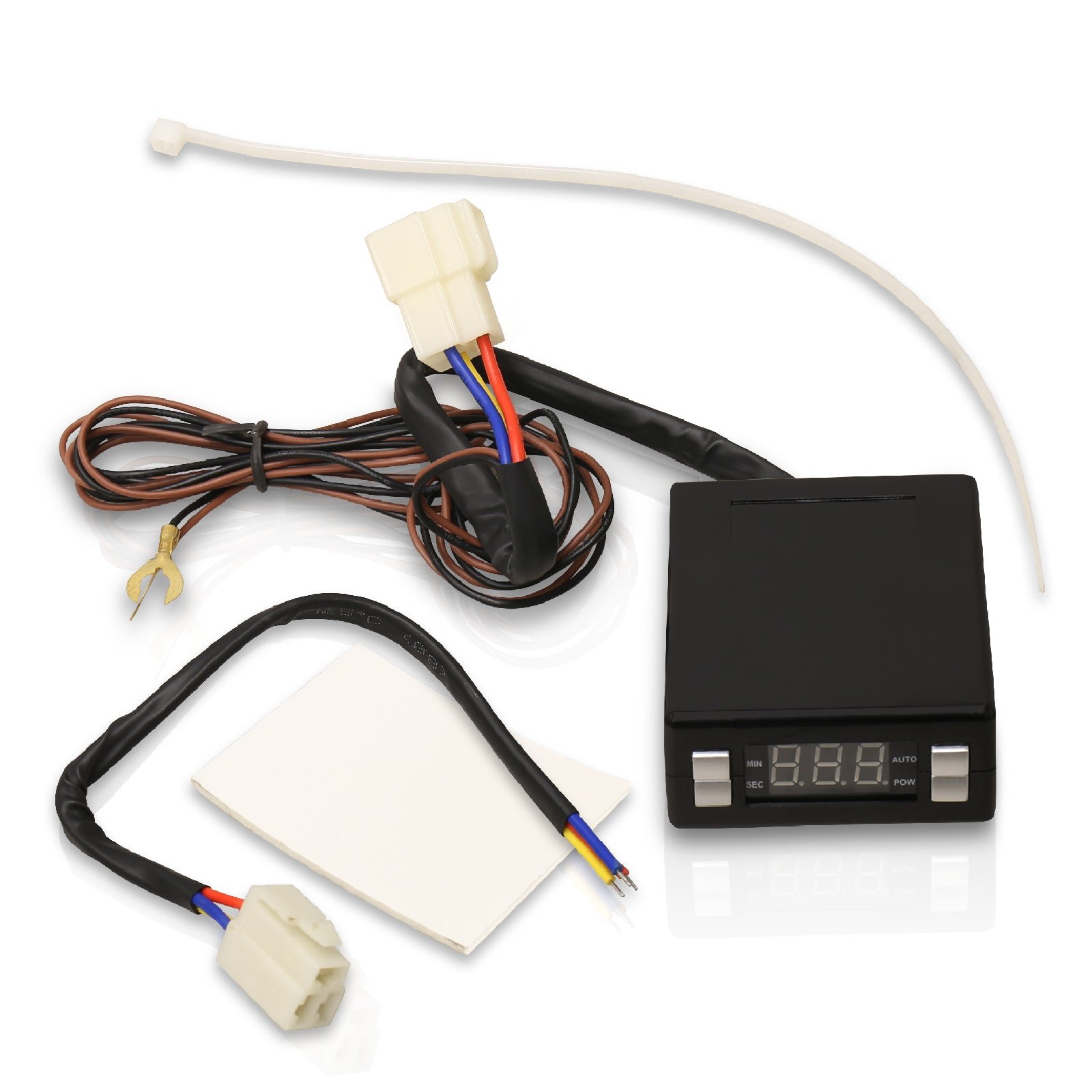
Some turbo timer kits come with plug-and-play harnesses. Others require manual wiring. Check what’s included before you start.
Credit: ajpdistributors.com
How A Turbo Timer Works
A turbo timer connects to your car’s ignition and power systems. When you remove the key, the timer keeps the engine running for a set period—usually 30 seconds to 5 minutes, depending on your setting. After that, it shuts down the engine automatically.
Here’s what happens:
- You turn off the ignition and remove the key.
- The turbo timer keeps power to the engine, letting oil continue to flow.
- After the set time, the timer cuts the engine.
Most modern turbo timers also have extra features like voltage monitoring, security lockouts, and adjustable timers.
Preparing For Installation
Before you start wiring, you need to prepare both the car and the workspace.
- Park your car on a flat surface.
- Engage the parking brake.
- Disconnect the negative terminal of the battery to avoid electrical shorts.
- Keep your turbo timer’s manual and your car’s wiring diagram nearby.
Insight: Many beginners forget to disconnect the battery. Skipping this step can cause blown fuses or damage electronic modules.
Identifying Wires And Connections
A turbo timer usually connects to three or four main wires:
- Ignition power (usually called IG1)
- Accessory power (ACC)
- Starter signal (sometimes)
- Ground
Your car’s wires may be under the steering column, near the ignition switch. Use your wiring diagram and a multimeter to confirm each wire before connecting.
Example Of Common Wire Colors
Here’s a typical layout for Japanese cars:
| Wire Function | Common Color | Location |
|---|---|---|
| Ignition (IG1) | Black/Yellow | Steering column harness |
| Accessory (ACC) | Blue | Near ignition switch |
| Starter | Black/White | Ignition harness |
| Ground | Any bare metal | Chassis |
Important: Wire colors can change by car brand and model. Always confirm with a multimeter.
Step-by-step Installation Guide
Now let’s get into the practical steps. Take your time and check each connection. Rushing can cause mistakes or even damage to your vehicle.
1. Remove Interior Panels
Start by removing the lower dash panel below your steering wheel. Most panels are held by a few screws or clips. Keep all screws in a safe place.
Tip: Use a plastic trim tool to avoid scratching your interior.
2. Locate Ignition Wires
Find the ignition harness coming from the key cylinder. You’ll see a group of wires bundled together. Refer to your wiring diagram to identify the correct wires for:
- Ignition (IG1)
- Accessory (ACC)
- Starter (if needed)
Test with a multimeter to double-check.
3. Connect Turbo Timer Wires
Most turbo timers use three main wires:
- Red (12V constant)
- Blue (Ignition)
- Green (Accessory)
- Black (Ground)
Wiring method:
- Use T-tap connectors or solder for a strong, reliable connection.
- Wrap all connections with electrical tape or cover with heat-shrink tubing.
- Attach the ground wire to a clean, unpainted metal spot on the chassis.
If your kit includes a plug-and-play harness, simply plug the connectors into the factory harness and the turbo timer.
4. Mount The Turbo Timer Unit
Choose a location that’s easy to reach but not in your way. Common spots are under the dash, in the center console, or near the driver’s knee.
- Use double-sided tape or screws (if provided).
- Keep the wires tidy using zip ties.
5. Reconnect Battery And Test
Reconnect the negative terminal of your battery. Sit in the driver’s seat and test the system:
- Start the car as normal.
- Turn off the ignition and remove the key. The engine should keep running.
- After the set time, the engine should shut off automatically.
If the engine turns off immediately or does not shut off, check your wiring.
6. Reassemble The Interior
Once you confirm everything works, reinstall the lower dash panel and any trim you removed. Make sure no wires are hanging or pinched.
7. Adjust Timer Settings
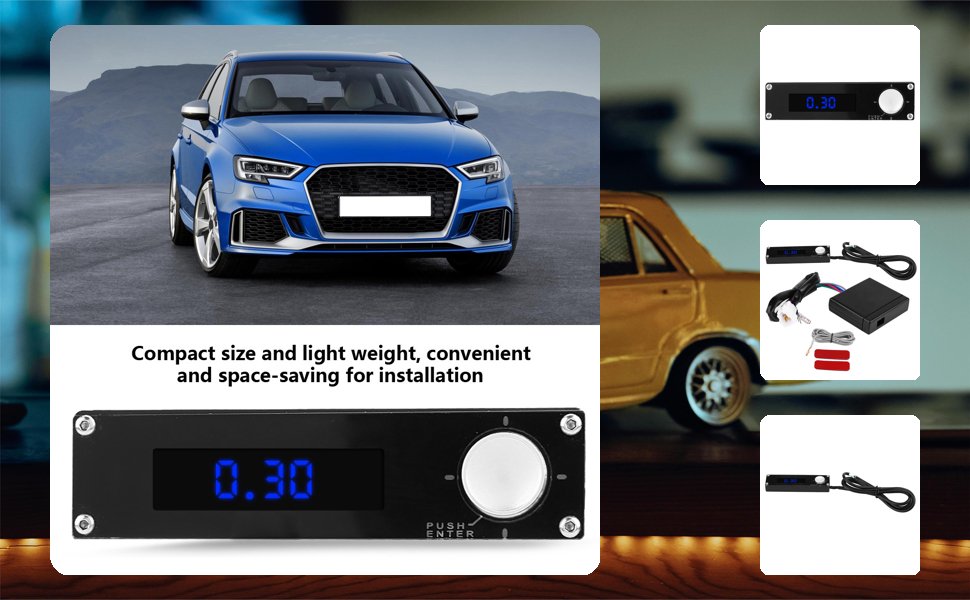
Most turbo timers have adjustable settings. Use the buttons on the device to set your preferred run time. 30 seconds to 2 minutes is enough for most situations.
Insight: Running the timer for too long wastes fuel and can drain your battery. Shorter times are usually safe unless you have just finished a very hard drive.
Credit: www.amazon.com
Example: Comparing Plug-and-play Vs. Manual Wiring
If you’re not sure whether to choose a plug-and-play turbo timer kit or a universal/manual wiring kit, here’s a quick comparison:
| Feature | Plug-and-Play | Manual Wiring |
|---|---|---|
| Installation Time | 15–30 minutes | 60–90 minutes |
| Skill Level | Beginner | Intermediate/Advanced |
| Car Compatibility | Specific models only | Most vehicles |
| Cost | Higher | Lower |
| Reliability | High | Depends on wiring quality |
Choose the method that matches your skills and car model.
Common Mistakes To Avoid
Many first-time installers make errors that can cause problems. Here’s what to watch for:
- Not disconnecting the battery – This can cause electrical shorts.
- Guessing wire colors – Always verify with a multimeter, not just color.
- Poor connections – Loose wires can cause the timer to fail or damage other electronics.
- Mounting the unit in a hard-to-reach spot – Make sure you can access the buttons easily.
- Setting too long a timer – This wastes fuel and can run the battery down.
Credit: www.hks-power.co.jp
Practical Safety Tips
- Double-check every connection before reconnecting the battery.
- Keep wires away from moving parts and pedals.
- If you’re unsure, ask a professional or someone experienced with car wiring.
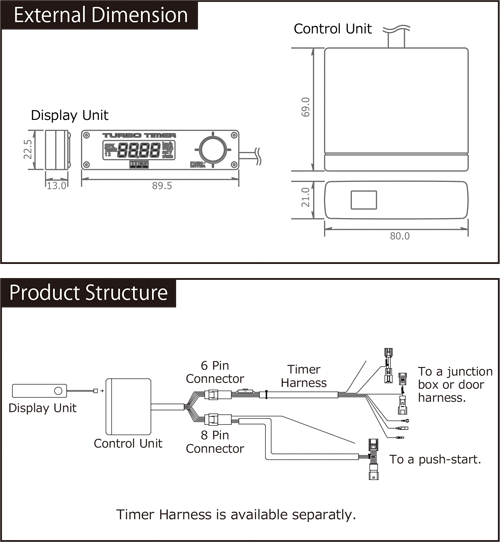
Extra tip: Some modern cars with push-button start or advanced anti-theft systems may need special turbo timer models. Always check compatibility first.
Benefits Of Installing A Turbo Timer
- Protects the turbo by preventing oil coking and heat soak
- Extends turbocharger life, saving money on repairs
- Convenience – no need to sit in the car while the turbo cools
- Peace of mind for drivers who push their cars hard
Many high-performance car owners consider a turbo timer an essential upgrade.
Are Turbo Timers Legal And Safe?
In most countries, installing a turbo timer is legal. However, some places have laws about leaving a car running unattended. Always check local rules.
Modern turbo timers are designed with safety in mind. Some even have features that shut off the car if someone tries to drive away without the key.
Quick Troubleshooting Guide
If your turbo timer doesn’t work as expected, check these points:
- Engine shuts off immediately: Check ignition and accessory connections.
- Engine won’t start: Check ground and all fuses.
- Timer doesn’t count down: Check power wire and settings.
If you still have issues, refer to your turbo timer’s manual or consult a professional installer.
Example Installation Timeline
Here’s a realistic breakdown of how long each step might take:
| Task | Estimated Time |
|---|---|
| Gathering tools & reading diagrams | 15 minutes |
| Removing panels | 10 minutes |
| Locating & testing wires | 20 minutes |
| Wiring and mounting | 30–45 minutes |
| Testing & reassembly | 15–20 minutes |
Total time: About 1.5–2 hours for first-timers. Plug-and-play kits can be much faster.
When To Seek Professional Help
If you feel unsure about any wiring, or your car has advanced electronics, don’t risk it. Some modern vehicles have sensitive security systems that can be affected by incorrect wiring. A professional installer can ensure everything works safely and reliably.
If you want deeper technical details about turbochargers or car electronics, you can check reputable sources like the Turbocharger Wikipedia page.
Frequently Asked Questions
What Does A Turbo Timer Do?
A turbo timer keeps your car’s engine running for a set time after you remove the key. This lets the turbocharger cool down safely, preventing oil from burning and reducing the risk of damage.
Is Installing A Turbo Timer Difficult?
If you have basic skills with car wiring and follow the instructions carefully, it’s not too difficult. Plug-and-play kits are easier. For manual wiring, take your time and double-check every connection.
Can A Turbo Timer Drain My Battery?
If set correctly (30 seconds to 2 minutes), a turbo timer will not drain your battery. Running for long periods can use up the battery, so set the timer to a reasonable duration.
Is A Turbo Timer Necessary For All Turbo Cars?
Not always. If you drive gently and always let the engine idle before shutting off, you may not need one. But for aggressive driving or hot climates, a turbo timer is a good safety measure.
Will A Turbo Timer Affect My Car’s Warranty?
In some cases, modifying the car’s wiring can affect warranty coverage. Check with your dealer or car manufacturer before installation.
Installing a turbo timer is a practical way to protect your turbocharged engine and extend its life. With careful planning and attention to detail, you can complete the installation yourself—even if you’re new to car electronics. Always check your work, and don’t hesitate to ask for help if you’re unsure.
Your turbo will thank you for the extra care!