
DIY car maintenance for beginners involves performing simple, essential vehicle checks and services at home with basic tools. Key tasks include checking engine oil, tire pressure, lights, and other fluids to better understand your car, improve safety, and catch potential issues early. This practice empowers car owners and can extend the life of a vehicle.
Why You Should Learn Basic Car Maintenance
Learning to perform basic maintenance on your vehicle is one of the most valuable skills a car owner can develop. It goes beyond just the practical benefits; it builds confidence and a deeper connection with your machine. Understanding the fundamentals helps you communicate more effectively with mechanics when professional service is needed.
Regularly checking your car’s core components is a proactive approach to ownership. It allows you to spot small issues, like low fluid levels or worn wiper blades, before they escalate into more significant and complex problems. This preventative care is key to ensuring reliability and safety on the road.
Furthermore, a well-maintained vehicle performs more efficiently. Simple tasks such as keeping tires properly inflated and ensuring the engine air filter is clean can contribute to better fuel economy and smoother operation. Ultimately, taking an active role in your car’s upkeep is an investment in its longevity and your peace of mind.
Essential Tools and Supplies for Your Beginner’s Toolkit
You don’t need a professional-grade workshop to start performing basic car maintenance. A small, curated collection of tools and supplies will cover the vast majority of beginner-friendly tasks. As your skills and confidence grow, you can expand your toolkit.
Core Tools
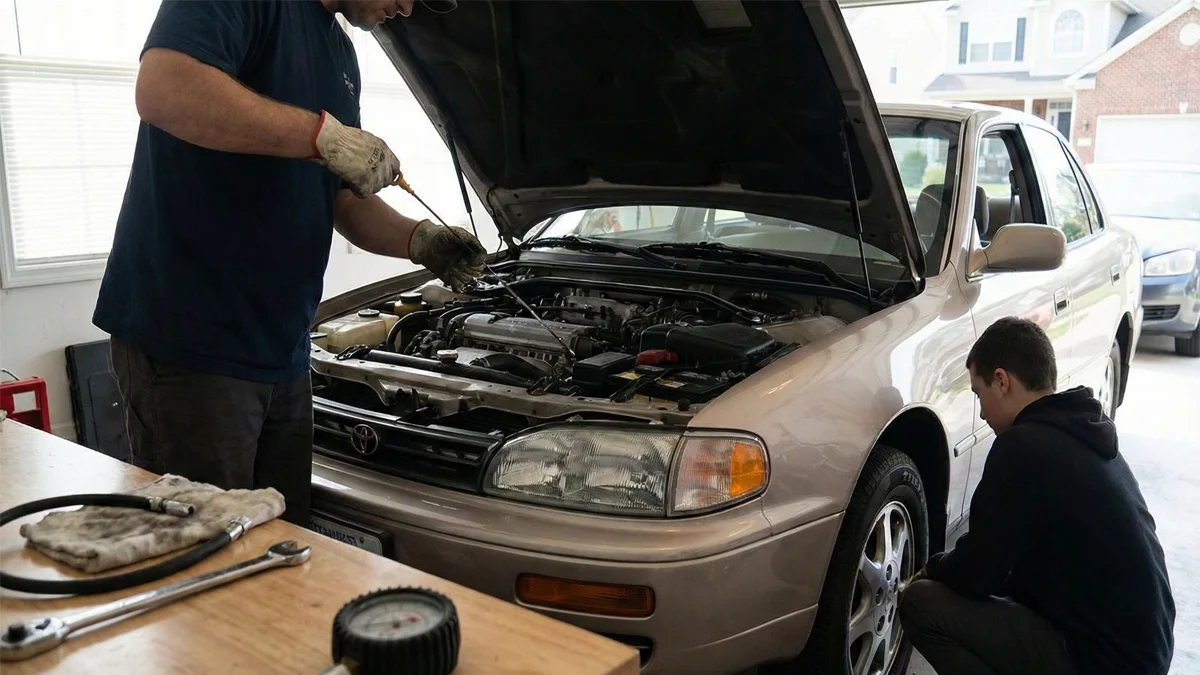
- Owner’s Manual:The most important tool for your specific vehicle. It contains crucial information on fluid types, maintenance schedules, and procedures.
- Tire Pressure Gauge:An essential tool for checking and maintaining proper tire inflation. A simple pencil-style gauge or a digital one will work perfectly.
- Socket and Wrench Set:A basic set with both metric and standard sizes will be invaluable for many tasks.
- Screwdriver Set:A collection of Phillips head and flathead screwdrivers is a must-have for any toolkit.
- Pliers:A set including needle-nose and standard pliers will come in handy for various jobs.
- Work Gloves:Protect your hands from dirt, grease, and hot components.
- Safety Glasses:Essential for protecting your eyes from splashes or debris.
- Funnel:Prevents spills when adding fluids like oil or washer fluid.
- Rags or Shop Towels:Necessary for cleaning up spills and wiping dipsticks.
Common Supplies
- Engine Oil:Always have a quart of the specific type recommended in your owner’s manual on hand.
- Windshield Washer Fluid:A simple but essential fluid to keep topped off for clear visibility.
- Coolant (Antifreeze):Check your manual for the correct type for your vehicle.
Safety First: Non-Negotiable Rules Before You Start
Safety should always be your top priority when working on a vehicle. Cars are heavy and contain hot, moving, and high-pressure parts. Following a few fundamental safety rules will protect you from injury and prevent damage to your car.
- Work on a Level Surface:Never work on a car parked on a hill or uneven ground. A flat, stable surface is critical, especially if you need to lift the vehicle.
- Let the Engine Cool Down:Many components under the hood, especially the engine and exhaust system, become extremely hot. Always allow the car to cool for at least an hour before starting work to prevent severe burns.
- Use Jack Stands:If you ever need to lift your car off the ground with a jack, you must support it with jack stands. Never rely on a jack alone to hold the weight of the vehicle while you are working underneath it.
- Wear Protective Gear:Always wear safety glasses and gloves. This protects you from fluid splashes, dirt, and sharp edges.
- Avoid Loose Clothing and Jewelry:Long sleeves, dangling jewelry, and loose hair can get caught in moving engine parts like belts and fans.
- Disconnect the Battery for Electrical Work:If you are working on any electrical components, disconnect the negative battery terminal to prevent shocks and short circuits.
Your Monthly DIY Car Maintenance Checklist
Consistency is key to effective car maintenance. Performing a quick check of your vehicle’s most important systems once a month can help you stay ahead of any potential problems. This routine takes very little time and provides a regular snapshot of your car’s health.
- Check engine oil level.
- Inspect tire pressure on all four tires and the spare.
- Check windshield washer fluid level andtop off if needed.
- Test all exterior and interior lights to ensure they are working.
- Visually inspect tires for uneven wear or damage.
- Check coolant level in the overflow reservoir.
- Inspect wiper blades for cracks or stiffness.
- Look under the car for any new fluid leaks.
Under the Hood: A Guide to Your Car’s Vital Fluids
Your car relies on a variety of fluids to operate correctly. Learning to identify and check these fluids is one of the most important parts of DIY maintenance.
Engine Oil
Engine oil lubricates moving parts, reduces friction, and helps keep the engine cool. To check it, park on level ground with the engine off and cool. Pull out the dipstick, wipe it clean with a rag, reinsert it fully, and pull it out again. The oil level should be between the ‘Full’ and ‘Add’ marks. Note the oil’s color; it should be amber. If it’s dark black, gritty, or milky, it needs to be changed.
Coolant (Antifreeze)
Coolant prevents your engine from overheating in the summer and freezing in the winter. Never open the radiator cap when the engine is hot. Instead, check the level in the translucent plastic overflow reservoir. The level should be between the ‘Min’ and ‘Max’ lines.
Brake Fluid
Brake fluid is a critical hydraulic fluid that powers your braking system. The brake fluid reservoir is usually a small, translucent container located at the back of the engine bay on the driver’s side. The fluid level should be between the marked lines. Brake fluid is typically clear or slightly yellow; if it’s dark brown, it may need to be replaced by a professional.
Power Steering Fluid
If your car has a hydraulic power steering system, it uses fluid to make turning the wheel easier. The reservoir is often labeled and may have a dipstick attached to the cap. Check the level with the engine warm, and add the correct type of fluid if it’s low.
Windshield Washer Fluid
This is the easiest fluid to check and refill. Simply locate the reservoir, which is usually marked with a windshield/wiper symbol, pop the cap, and pour in new fluid until it’s full. Keeping this topped off is essential for safe visibility in all weather conditions.
Tires and Brakes: Your Critical Connection to the Road
Your tires and brakes are arguably the most important safety features on your vehicle. Regular inspections are simple and crucial for maintaining control and stopping power.
Tire Pressure
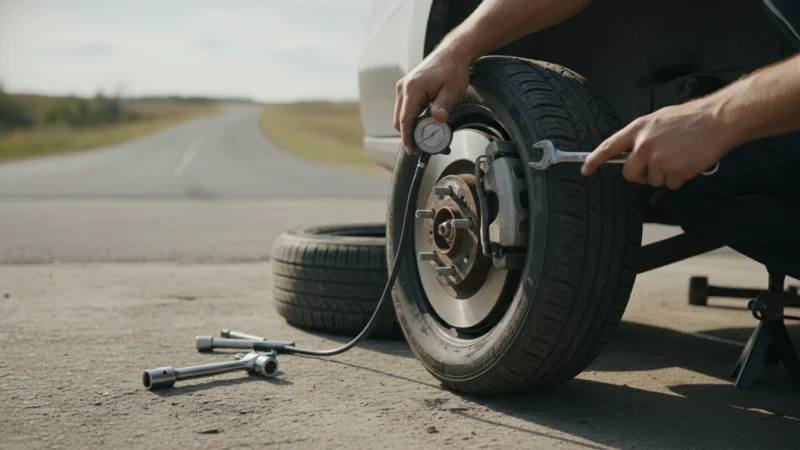
Proper tire pressure ensures optimal handling, fuel efficiency, and tire longevity. Find the recommended pressure on the sticker inside the driver’s door jamb (not on the tire itself). Use your gauge to check the pressure when the tires are cold. If the pressure is low, add air at a gas station or with a portable compressor.
Tire Tread
Adequate tread depth is necessary for traction, especially in wet conditions. A simple way to check this is with a penny. Insert the penny into the tread groove with Lincoln’s head upside down. If you can see the top of his head, your tread is low and the tires should be inspected by a professional.
Brake Inspection
While a full brake job is not a beginner’s task, you can perform basic checks. Listen for any squealing, grinding, or clicking noises when you apply the brakes. Notice if the car pulls to one side when braking or if the brake pedal feels spongy. These are signs that your brakes need professional attention.
Exterior Checks: Lights, Wipers, and Filters
Maintaining your car’s exterior components is vital for visibility and engine performance. These checks are quick and easy to incorporate into your routine.
Lights
Periodically have a friend help you check all your lights. Test the headlights (both low and high beams), taillights, brake lights, turn signals, and reverse lights. Replacing a burnt-out bulb is a common and manageable DIY task for many vehicles.
Wiper Blades
Wiper blades are made of rubber and degrade over time due to sun exposure and use. If they leave streaks, chatter across the windshield, or have cracked or torn rubber, it’s time to replace them. This is a simple task that usually requires no tools.
Air Filters
Your car has two main air filters. The engine air filter prevents dust and debris from entering the engine, while the cabin air filter cleans the air you breathe inside the car. Both are typically easy to access and inspect. If a filter is dark and clogged with dirt, it should be replaced.
A Step-by-Step Guide to DIY Car Maintenance for Beginners
Performing your first full maintenance check can feel daunting, but following a structured process makes it simple. This routine combines the most important checks into a logical flow that you can complete in under 30 minutes once a month.
- Prepare Your Vehicle:Park the car on a flat, level surface. For fluid checks, ensure the engine is off and has had time to cool down completely. Gather your essential tools: gloves, rags, tire pressure gauge, and your owner’s manual.
- Start with the Tires:Before you open the hood, walk around the car. Visually inspect each tire for obvious damage or low inflation. Use your tire pressure gauge to check the pressure in all four tires, adjusting as needed to match the recommendation on the door jamb sticker.
- Check Under the Hood – Fluids:Open the hood and secure it. Begin with the engine oil. Pull the dipstick, wipe, reinsert, and check the level and condition. Next, locate and check the coolant in its overflow reservoir. Finally, check the brake fluid and windshield washer fluid levels, topping off the washer fluid if necessary.
- Inspect Belts and Hoses:While the hood is open, perform a quick visual inspection of the rubber belts and hoses. Look for any visible cracks, fraying, or signs of leaks around the connections. You don’t need to touch them; just look for anything that appears worn or damaged.
- Check Exterior Lights and Wipers:Turn on the car’s ignition (without starting the engine) to test the lights. Check the headlights, taillights, and turn signals. Have a helper step on the brake pedal so you can confirm the brake lights are working. Inspect the condition of your wiper blades.
- Final Interior Check:Sit inside the car and check for any warning lights on the dashboard. Make a note of any that are illuminated.
- Keep a Log:Use a small notebook or a phone app to log the date, your car’s mileage, and any maintenance you performed or issues you noticed. This record is valuable for tracking your car’s health over time.
Know Your Limits: When to Call a Professional Mechanic
DIY maintenance is empowering, but it’s equally important to recognize when a job is beyond a beginner’s scope. Attempting complex repairs without proper training or toolscan be dangerous and may cause more damage. Always consult a professional for the following:
- Major Brake Work:While you can inspect your brakes, tasks like replacing pads, rotors, or calipers should be left to a certified mechanic.
- Engine and Transmission Issues:Any internal engine or transmission work, or diagnostics for performance problems, requires specialized knowledge.
- Suspension and Steering Repairs:Working on these components can be complex and is critical to your vehicle’s safety.
- Complex Electrical Diagnostics:If you have persistent warning lights or electrical failures, a professional has the diagnostic tools to find the root cause.
- Anything Involving Fuel Lines:Working with the fuel system can be hazardous and requires specific precautions.
Frequently Asked Questions
What is the most basic DIY car maintenance for beginners?
Checking tire pressure, engine oil level, and washer fluid are the most fundamental tasks. These simple checks require minimal tools and provide crucial information about your vehicle’s health and safety.
How can I start learning DIY car maintenance?
Start by reading your car’s owner’s manual to understand its specific needs. Then, begin with simple visual inspections like checking lights and fluid levels before moving on to tasks like topping off fluids or replacing wiper blades.
Is it hard to do your own car maintenance?
Basic car maintenance is not hard for most people. Tasks like checking fluids, inspecting tires, and replacing air filters are designed to be straightforward and require only basic tools and a willingness to learn.
What are the most important maintenance tasks for a car?
The most critical tasks are regularly checking engine oil, ensuring proper tire pressure, inspecting brakes, and monitoring all essential fluids like coolant and transmission fluid. These maintain safety and engine longevity.
Can I save a lot of money with DIY car maintenance for beginners?
Performing basic DIY maintenance can lead to significant savings over time. You avoid labor charges for simple tasks and can catch small problems before they become major, expensive repairs.
What tools are essential for beginner car maintenance?
A beginner’s toolkit should include a tire pressure gauge, a set of wrenches and sockets, screwdrivers, pliers, a funnel, and a good pair of work gloves. Your car’s owner’s manual is also an indispensable tool.
Conclusion
Getting started with DIY car maintenance is a rewarding journey that puts you in control of your vehicle’s health. By mastering a few basic checks and understanding what to look for, you can ensure your car is safer, more reliable, and more efficient. Remember to always prioritize safety and know when to entrust a job to a professional mechanic.
Start with a simple monthly check-up. This small investment of time will build your confidence and help you keep your car running smoothly for years to come.