
Essential car maintenance for new drivers involves regular checks of fluids, tires, brakes, and lights, along with understanding your vehicle’s service schedule. Prioritizing these basic tasks ensures safety, extends car life, and prevents costly repairs, building confidence behind the wheel.
- Regularly check tire pressure and tread depth.
- Monitor engine oil, coolant, and other vital fluids.
- Understand your car’s warning lights and what they signify.
- Follow your vehicle’s recommended service schedule.
- Learn basic safety checks for lights and wipers.
- Familiarize yourself with your owner’s manual.
Why Essential Car Maintenance is Crucial for New Drivers
For new drivers, the open road brings excitement and independence. However, this freedom comes with the responsibility of vehicle care. Neglecting basic maintenance can lead to unexpected breakdowns, compromise safety, and result in significant repair expenses down the line. Understanding and performing essential car maintenance tasks empowersnew drivers, fostering a sense of control and confidence.

Proactive vehicle care is not just about avoiding problems; it’s about ensuring reliability. A well-maintained car performs better, offers greater fuel efficiency, and provides a safer environment for everyone on board. It also helps new drivers develop a deeper understanding of their vehicle, making them more attentive and responsible on the road.
Essential Car Maintenance for New Drivers: Your First Steps
Embarking on your journey as a new driver means taking charge of your vehicle’s well-being. The initial steps in car maintenance are straightforward and lay the groundwork for a lifetime of responsible car ownership. These fundamental actions are designed to be accessible, even for those with no prior mechanical experience.
Begin by familiarizing yourself with your car’s basic components and their locations. Knowing where to find the oil dipstick, coolant reservoir, and tire valve stems is crucial. This initial exploration will make subsequent maintenance checks much easier and less intimidating. Always ensure your vehicle is on a level surface and the engine is cool before performing any under-hood checks.
Getting Started with Basic Checks
- Read Your Owner’s Manual:This is your vehicle’s personalized guide, detailing everything from fluid types to service intervals.
- Locate Key Components:Identify the engine oil dipstick, coolant reservoir, brake fluid reservoir, power steering fluid reservoir, and windshield washer fluid reservoir.
- Understand Your Dashboard:Learn the meaning of common warning lights and gauges.
- Check Tire Pressure:Regularly inspect all four tires and the spare.
- Inspect Lights:Ensure headlights, taillights, brake lights, and turn signals are all functioning.
Decoding Your Owner’s Manual: A Beginner’s Guide
Your car’s owner’s manual is an invaluable resource, often overlooked by new drivers. It contains a wealth of information specific to your vehicle’s make and model, acting as a comprehensive guide to its operation and maintenance. Think of it as your car’s instruction book, designed to answer almost any question you might have.
The manual provides details on recommended service schedules, the correct types of fluids and lubricants to use, and explanations of dashboard warning lights. It also outlines specific procedures for basic tasks, such as checking fluid levels or changing a tire. Taking the time to read through it, even just key sections, will significantly enhance your understanding of your vehicle’s needs.
Key Sections to Review in Your Owner’s Manual
- Maintenance Schedule
- Fluid Specifications and Capacities
- Dashboard Warning Lights and Indicators
- Tire Information (pressure, rotation)
- Emergency Procedures (tire change, jump start)
Routine Checks: What Every New Driver Should Know
Regular, simple checks can prevent minor issues from escalating into major problems. These routine inspections don’t require specialized tools or expertise, making them perfect for new drivers to incorporate into their vehicle care habits. Consistency is key to catching potential issues early.
These checks should ideally be performed monthly, or before long road trips. They are quick, easy, and provide immediate insight into your car’s condition. Developing a routine for these inspections will make them second nature and contribute significantly to your vehicle’s reliability and safety.
Step-by-Step Routine Maintenance Checks
- Check Engine Oil Level:With the engine cool and the car on a level surface, pull out the dipstick, wipe it clean, reinsert it fully, then pull it out again to read the oil level. Ensure it’s between the ‘min’ and ‘max’ marks.
- Inspect Coolant Level:Locate the coolant reservoir and check if the fluid level is between the designated marks. Never open a hot radiator cap.
- Verify Brake Fluid Level:Find the brake fluid reservoir and ensure the fluid is at the appropriate level. Low fluid can indicate worn brake pads or a leak.
- Examine Power Steering Fluid:For vehicles with hydraulic power steering, check the fluid level in its reservoir.
- Top Up Windshield Washer Fluid:Keep this reservoir full for clear visibility in all weather conditions.
- Check Tire Pressure:Use a tire pressure gauge to ensure all tires match the recommended pressure found on a sticker inside your driver’s side door jamb or in the owner’s manual.
- Inspect Tire Tread:Look for even wear and sufficient tread depth. A simple ‘penny test’ can help: insert a penny head-first into a tread groove; if you can see Lincoln’s entire head, your treads are too shallow.
- Test All Lights:Turn on headlights (high and low beams), taillights, brake lights, turn signals, and hazard lights to ensure they are all working.
- Check Wipers:Ensure windshield wipers clear the glass effectively without streaking. Replace blades if they are worn or damaged.
Understanding Your Car’s Vital Systems: Beyond the Basics
While routine checks cover many immediate concerns, a deeper understanding of your car’s vital systems helps new drivers appreciate the interconnectedness of their vehicle’s components. Knowing the function of these systems allows for better communication with mechanics and a more informed approach to maintenance.
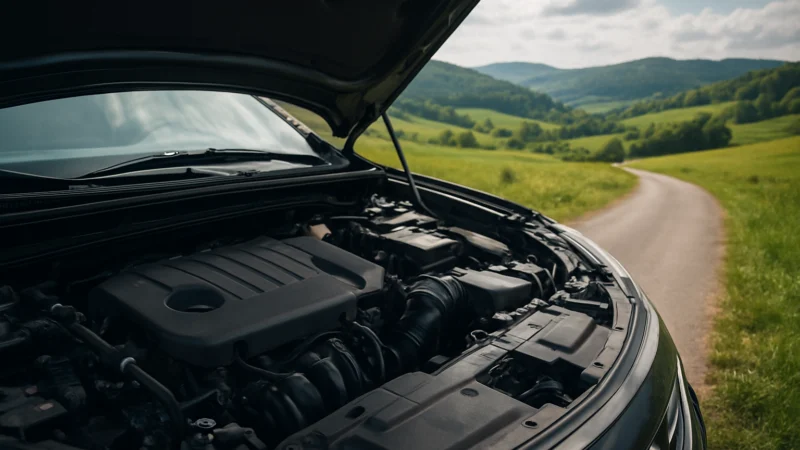
These systems are complex, but understanding their basic roles is empowering. It helps you recognize when a professional inspection is necessary and ensures you can describe symptoms accurately if a problem arises. This knowledge builds confidence and makes you a more responsible car owner.
Key Systems to Understand
- Braking System:Comprises pads, rotors, calipers, and fluid. Regular inspection of brake pads and fluid is crucial for stopping power. Listen for squealing or grinding noises, which indicate worn pads.
- Battery and Charging System:The battery provides power to start the engine and run electrical components when the engine is off. The alternator recharges the battery while driving. Look for corrosion on battery terminals and ensure connections are secure.
- Belts and Hoses:Drive belts power accessories like the alternator and power steering pump. Hoses carry fluids like coolant. Inspect them for cracks, fraying, or leaks.
- Exhaust System:Manages engine emissions and reduces noise. Listen for unusual loud noises, which could indicate a leak or damage.
- Suspension System:Includes shocks, struts, and springs, providing a smooth ride and maintaining tire contact with the road. Excessive bouncing or uneven tire wear can signal suspension issues.
Seasonal Car Care: Protecting Your Vehicle Year-Round
Your car faces different challenges depending on the season. Adapting your maintenance routine to account for varying weather conditions is essential for year-round reliability and safety. Seasonal care helps mitigate the impact of extreme temperatures and environmental factors.
Preparing your vehicle for summer heat or winter cold can prevent common seasonal breakdowns. This proactive approach ensures your car is always ready for the conditions it will encounter, reducing stress and potential inconvenience for new drivers.
Summer Car Care Tips
- Check coolant levels and condition to prevent overheating.
- Inspect tires for proper inflation, as heat can affect pressure.
- Ensure air conditioning is functioning efficiently.
- Check battery terminals for corrosion, as heat can accelerate battery degradation.
Winter Car Care Tips
- Test your battery’s charge, as cold weather reduces its efficiency.
- Ensure your antifreeze mixture is appropriate for freezing temperatures.
- Check tire pressure frequently, as cold weather causes pressure to drop.
- Inspect wiper blades and top up winter-specific washer fluid.
- Consider winter tires if you live in an area with heavy snow and ice.
Recognizing Warning Signs: When to Consult a Professional
Even with diligent routine maintenance, cars can develop issues that require professional attention. As a new driver, learning to recognize the warning signs your car gives is a critical skill. Ignoring these signals can lead to more severe damage and compromise your safety.
If you notice any unusual sounds, smells, or changes in how your car drives, it’s always best to err on the side of caution. Promptly addressing these indicators can save you from more extensive and complex repairs later. Do not hesitate to seek expert advice from a qualified mechanic.
Common Warning Signs to Watch For
- Dashboard Warning Lights:A lit ‘Check Engine’ light, oil pressure warning, or battery light indicates a problem that needs investigation.
- Unusual Noises:Squealing brakes, grinding sounds, clunking from the suspension, or a loud exhaust all warrant attention.
- Strange Smells:Burning oil, sweet coolant smell, or burning rubber odors are red flags.
- Fluid Leaks:Puddles under your car, especially if they are not clear water from the air conditioner, indicate a leak.
- Changes in Performance:Reduced braking effectiveness, difficulty starting, engine sputtering, or unusual vibrations while driving.
- Steering Issues:Difficulty turning the wheel, excessive play, or pulling to one side.
Developing Smart Maintenance Habits for Longevity
Beyond individual checks, cultivating smart maintenance habits is key to extending your vehicle’s lifespan and ensuring its long-term reliability. These habits integrate car care into your lifestyle, making it a natural and stress-free part of car ownership.
Consistency, organization, and a proactive mindset are the cornerstones of effective vehicle maintenance. By adopting these practices, new drivers can enjoy their vehicles for many years, minimizing unexpected issues and maximizing their investment.
Key Habits for Long-Term Vehicle Health
- Follow the Service Schedule:Adhere to the manufacturer’s recommended maintenance intervals for oil changes, tire rotations, and major inspections.
- Keep Records:Maintain a logbook or file of all maintenance performed, including dates, mileage, and services rendered. This helps track history and can be valuable for resale.
- Find a Trusted Mechanic:Establish a relationship with a reputable and certified automotive technician. A trusted professional can provide expert advice and reliable service.
- Regular Cleaning:Washing your car regularly, especially in areas with road salt or harsh weather, helps prevent rust and preserves the paintwork.
- Drive Responsibly:Avoid aggressive driving, sudden stops, and rapid acceleration, which can put undue stress on your vehicle’s components.
Common Car Maintenance Questions Answered
New drivers often have many questions about car care, and seeking answers is a sign of responsible ownership. Addressing these common queries helps demystify vehicle maintenance and provides practical guidance for everyday situations.
Understanding these frequently asked questions can help new drivers feel more prepared and confident in managing their vehicle’s needs. It reinforces the idea that car maintenance is an ongoing process, not a one-time event.
Budgeting for Car Maintenance: Tips for New Owners
While specific costs are not discussed, understanding the importance of planning for vehicle upkeep is crucial for new owners. Regular maintenance is an investment in your car’s future, preventing more significant issues that could arise from neglect. Allocating resources for scheduled services and potential repairs is a smart financial practice.
New drivers should consider maintenance as a non-negotiable part of car ownership. Proactive care, such as timely oil changes and tire rotations, helps preserve the vehicle’s condition and can contribute to better fuel efficiency. Being prepared for these needs ensures your vehicle remains reliable and safe for the long haul.
Conclusion: Empowering New Drivers Through Vehicle Knowledge
Essential car maintenance for new drivers is a fundamental aspect of responsible vehicle ownership, encompassing routine checks, understanding vital systems, and recognizing warning signs. By embracing these practices, new drivers can ensure their safety, extend their car’s lifespan, and gain confidence on the road.
Take the initiative to learn about your vehicle, perform basic checks regularly, and consult professionals when needed. This proactive approach will empower you to enjoy many years of reliable and safe driving. Start today by reviewing your owner’s manual and performing your first routine fluid and tire check.