
Generally, most modern cars require an engine oil change every 5,000 to 7,500 miles or every 6 to 12 months, whichever comes first. However, this can vary significantly based on your vehicle’s make and model, the type of oil used, and your driving habits. Always consult your owner’s manual for the most accurate recommendation.
- Regular oil changes are vital for engine longevity and performance.
- Your owner’s manual provides the most accurate oil change schedule.
- Synthetic oil often allows for longer intervals than conventional oil.
- Driving habits and environmental conditions significantly impact oil life.
- Ignoring oil changes can lead to severe engine damage.
Why Engine Oil is Crucial for Your Vehicle’s Health
Engine oil serves as the lifeblood of your vehicle’s engine, performing several critical functions that ensure smooth operation and longevity. Its primary role is lubrication, reducing friction between moving parts like pistons, camshafts, and valves. Without adequate lubrication, these metal components would grind against each other, generating immense heat and causing rapid wear.
Beyond lubrication, engine oil acts as a coolant, drawing heat away from combustion chambers and other hot engine components. It also cleans the engine by suspending dirt, debris, and sludge, preventing these contaminants from building up and causing blockages or abrasive damage. Furthermore, oil helps seal the gaps between the cylinder walls and piston rings, maintaining compression and maximizing engine power. Finally, modern oils contain additives that prevent corrosion and rust, protecting internal engine parts from harmful chemical reactions. Neglecting regular oil changes compromises all these vital functions, leading to decreased performance and potential engine failure.
How Often Should I Change Engine Oil? The General Rule
The question of how often should I change engine oil is one of the most common inquiries among vehicle owners. While the quick answer provides a broad guideline, it’s essential to understand the nuances. For many years, the standard recommendation was every 3,000 miles, a figure that has largely become outdated with advancements in engine technology and oil formulations. Modern engines are built with tighter tolerances and operate more efficiently, while contemporary oils are designed to last longer and perform better under various conditions.
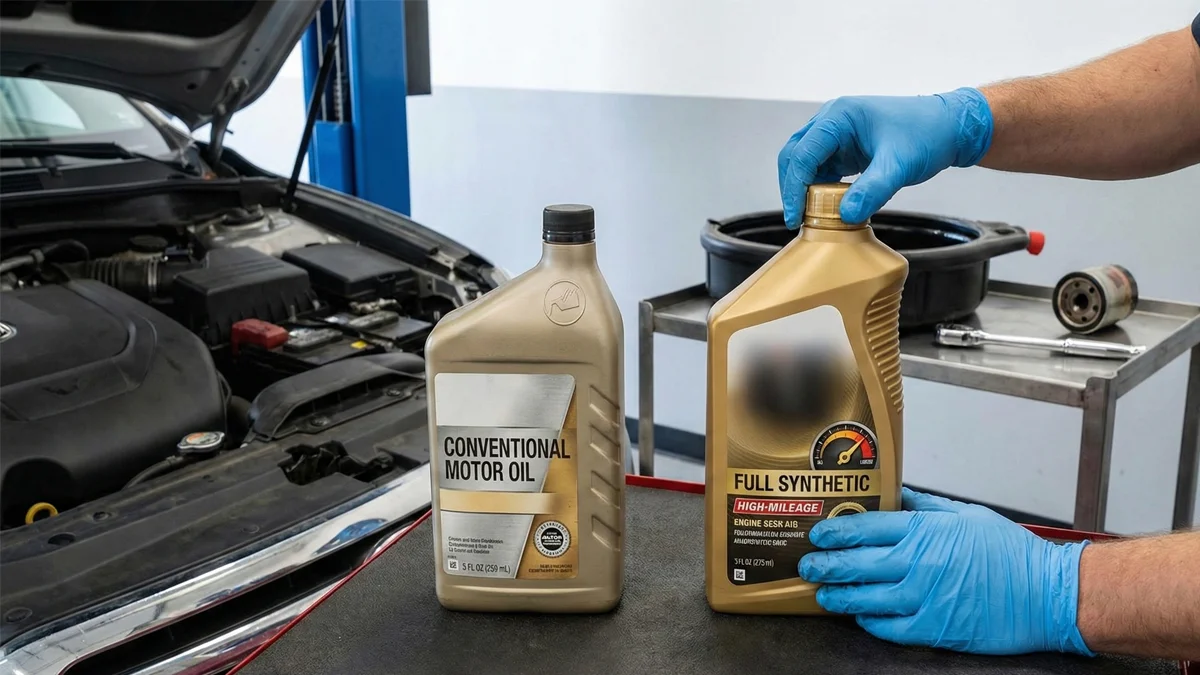
Today, the general consensus for most vehicles falls within the 5,000 to 7,500-mile range, or every 6 to 12 months, depending on which milestone is reached first. This interval applies to vehicles using conventional or semi-synthetic oils under normal driving conditions. However, this is a starting point, and several factors can either shorten or extend this period. Always prioritize the specific guidance provided by your vehicle’s manufacturer, as they have engineered the engine and oil system to work optimally within certain parameters.
Understanding Your Owner’s Manual: The Ultimate Authority
When it comes to vehicle maintenance, your owner’s manual is an invaluable resource, often overlooked by many drivers. It contains specific, detailed information tailored to your exact make and model, including the manufacturer’s recommended oil change intervals. These recommendations are based on extensive engineering, testing, and understanding of your engine’s design and operational requirements.
The manual will typically outline different service schedules for ‘normal’ and ‘severe’ driving conditions. Normal conditions might include regular highway driving with minimal idling, while severe conditions encompass frequent short trips, stop-and-go traffic, extreme temperatures, or towing. Adhering to these guidelines ensures your engine receives the proper care it needs, validating any warranty claims and promoting long-termreliability. Always consult this document first before making decisions about your oil change schedule.
Conventional vs. Synthetic Oil: Impact on Change Intervals
The type of engine oil you use plays a significant role in determining how often you should change it. There are primarily three types: conventional, synthetic blend, and full synthetic.
- Conventional Oil:Derived from crude oil, conventional oil is the most basic and typically the least expensive option. It provides adequate lubrication and protection for older engines or those operating under light conditions. However, it breaks down more quickly under heat and stress, meaning it generally requires more frequent changes, often in the 3,000 to 5,000-mile range.
- Synthetic Blend Oil:This is a mixture of conventional and synthetic base oils, offering improved performance over conventional oil at a more accessible point than full synthetic. Synthetic blends provide better protection against oxidation and thermal breakdown, allowing for slightly extended oil change intervals, typically between 5,000 and 7,000 miles.
- Full Synthetic Oil:Engineered from synthetic components, full synthetic oil offers superior lubrication, wear protection, and resistance to thermal breakdown. It maintains its viscosity and protective qualities over a wider range of temperatures and for longer periods. Vehicles using full synthetic oil can often go 7,500 to 10,000 miles, or even more in some cases, between changes. Many modern high-performance or turbocharged engines specifically require full synthetic oil.
Always ensure the oil you choose meets the specifications listed in your owner’s manual, regardless of whether it’s conventional or synthetic. Using the wrong type of oil can negatively impact engine performance and longevity.
Factors That Influence Your Oil Change Schedule
While the owner’s manual provides a baseline, several real-world factors can significantly alter your ideal oil change frequency. Understanding these influences allows you to tailor your maintenance schedule for optimal engine health.
Driving Habits: Stop-and-Go vs. Highway Cruising
Your typical driving style is a major determinant of how quickly your engine oil degrades. Frequent short trips, especially those under 10 miles, are considered ‘severe’ driving. During short drives, the engine doesn’t reach its optimal operating temperature, preventing moisture and contaminants from burning off. This leads to sludge buildup and accelerated oil breakdown. Similarly, constant stop-and-go city driving, excessive idling, and heavy traffic put more stress on the engine and oil, necessitating more frequent changes.
Conversely, regular highway driving, where the engine operates at a consistent temperature and speed, is less demanding on the oil. The sustained heat helps evaporate moisture and keeps contaminants suspended, allowing the oil to last longer. If most of your driving involves long highway stretches, you might be able to adhere to the longer end of the recommended interval.
Vehicle Age and Mileage Considerations
The age and total mileage of your vehicle also play a role. Newer vehicles, especially those with advanced engine designs and using synthetic oils, are often engineered for longer oil change intervals. Their engines typically run cleaner and more efficiently. As a vehicle ages and accumulates higher mileage, internal engine components may experience more wear, potentially leading to increased blow-by gases and contamination of the oil. Older engines might benefit from slightly more frequent oil changes, even if they originally had longer intervals, to compensate for these factors and maintain optimal lubrication.
Climate and Environmental Conditions
The climate in which you drive can impact oil life. Extreme temperatures, both hot and cold, put additional stress on engine oil. In very hot climates, oil can thin out and degrade more quickly, reducing its protective qualities. In extremely cold conditions, oil thickens, making it harder for the engine to start and circulate oil effectively, especially during initial startup. Frequent driving in dusty or dirty environments can also introduce more contaminants into the engine, accelerating oil breakdown and requiring more frequent changes to keep the engine clean.
Towing and Heavy Loads: Special Considerations
If you regularly tow trailers, carry heavy loads, or frequently drive up steep inclines, your engine is working harder than usual. This increased workload generates more heat and puts greater stress on the engine’s internal components and the oil itself. Under these ‘severe’ operating conditions, the oil will degrade faster, and its protective additives will deplete more quickly. Vehicle manufacturers almost always recommend significantly shorter oil change intervals for vehicles used for towing or heavy-duty applications. Consulting your owner’s manual for specific severe-duty schedules is crucial in these scenarios.
Signs It’s Time for an Oil Change
Even if you’re diligent about following a schedule, your vehicle might give you subtle hints that an oil change is due sooner than expected. Recognizing these signs can prevent potential engine damage.
- Check Engine or Oil Change Light:Modern vehicles are equipped with sensors that monitor oil life and pressure. If your ‘Check Engine’ light illuminates or a dedicated ‘Oil Change’ or ‘Maintenance Required’ light comes on, it’s a clear indicator that attention is needed.
- Dark and Dirty Oil:Fresh engine oil is typically amber or light brown and translucent. As it circulates, it picks up dirt, carbon, and other contaminants, gradually turning darker and becoming opaque. While dark oil isn’t always a definitive sign of bad oil (it means it’s doing its job cleaning), extremely dark, thick, or gritty oil indicates it’s past its prime and needs replacement.
- Loud Engine Noises:Oil lubricates engine components, reducing friction and noise. If your engine sounds louder than usual, with knocking, grinding, or ticking sounds, it could be a sign of insufficient lubrication. This is a serious symptom that requires immediate attention.
- Oil Smell Inside the Cabin:A burning oil smell inside your car can indicate an oil leak, where oil is dripping onto hot engine parts, or that your engine is burning oil internally. Both scenarios warrant immediate inspection.
- Reduced Performance or Fuel Economy:Old, degraded oil can lead to increased friction within the engine, making it work harder. This can manifest as sluggish acceleration, reduced power, or a noticeable drop in fuel efficiency.
- Excessive Exhaust Smoke:Blue-tinted smoke from the exhaust pipe often indicates that the engine is burning oil. This can be due to worn engine components or oil that has become too thin to properly seal around piston rings.
If you notice any of these signs, it’s advisable to have your oil and engine checked by a professional without delay.
The Undeniable Benefits of Regular Engine Oil Changes
Adhering to a consistent oil change schedule offers a multitude of benefits that extend far beyond simply keeping your engine running. These advantages contribute significantly to your vehicle’s overall health, performance, and long-term value.
- Extended Engine Life:This is the most significant benefit. Fresh oil reduces friction, prevents wear, and keeps the engine clean, directly contributing to a longer lifespan for vital components.
- Improved Engine Performance:Clean, properly lubricated parts operate more efficiently, leading to smoother acceleration, better throttle response, and consistent power delivery.
- Enhanced Fuel Efficiency:Reduced friction means the engine doesn’t have to work as hard, which translates into better fuel economy. Degraded oil increases friction, forcing the engine to consume more fuel to achieve the same output.
- Reduced Emissions:A well-maintained engine with clean oil burns fuel more completely and efficiently, leading to lower harmful exhaust emissions.
- Better Heat Dissipation:Fresh oil is more effective at absorbing and dissipating heat, preventing engine overheating and protecting components from thermal stress.
- Protection Against Sludge and Varnish:Regular changes remove contaminants before they can form harmful sludge and varnish deposits, which can clog oil passages and starve parts of lubrication.
- Maintained Vehicle Value:A vehicle with a documented history of regular maintenance, including oil changes, typically commands a higher resale value.
Ultimately, regular oil changes are a small investment that yields substantial returns in terms of reliability, performance, and the longevity of your automotive investment.
DIY Oil Change vs. Professional Service: What to Consider
Deciding whether to perform an oil change yourself or take it to a professional service center depends on several factors, including your mechanical aptitude, available tools, and time.

DIY Oil Change
Performing a DIY oil change can be a rewarding experience for those who enjoy working on their vehicles. It offers a sense of accomplishment and allows you to choose the exact oil and filter you prefer. The process typically involves draining the old oil, replacing the oil filter, and refilling with new oil. However, it requires specific tools like a wrench, oil filter wrench, drain pan, and jack stands for safety. Proper disposal of used oil is also a responsibility you must manage, as it’s an environmental hazard. Safety is paramount; always ensure the vehicle is securely supported on level ground before working underneath it. Avoid contact with hot engine parts and wear appropriate protective gear.
Professional Service
Opting for professional service offers convenience and peace of mind. Mechanics have the right tools, expertise, and facilities to perform the job quickly and efficiently. They also handle the disposal of used oil and often perform a multi-point inspection as part of the service, potentially identifying other maintenance needs. While there is a service charge, the convenience and expert assessment can be valuable. For those who lack the time, tools, or confidence to perform the task themselves, professional service is the recommended route.
Choosing the Right Engine Oil for Your Car
Selecting the correct engine oil is critical for your vehicle’s health. The ‘right’ oil isn’t just about conventional or synthetic; it involves specific viscosity grades and performance standards.
- Viscosity Grade:This is indicated by numbers like 5W-30 or 0W-20. The ‘W’ stands for winter, and the number before it indicates the oil’s viscosity at cold temperatures. The second number represents its viscosity at normal operating temperatures. Your owner’s manual will specify the recommended viscosity grade for your engine and climate.
- API and ACEA Standards:Look for certifications from organizations like the American Petroleum Institute (API) or the European Automobile Manufacturers’ Association (ACEA). These certifications ensure the oil meets certain performance and quality standards. The API ‘starburst’ symbol on the front of the oil bottle indicates it meets current engineprotection standards and fuel economy requirements.
- Manufacturer Specifications:Many vehicle manufacturers have their own specific oil standards (e.g., GM Dexos, BMW LL-01, Mercedes-Benz 229.5). Using an oil that meets these specific requirements is crucial, especially for newer or high-performance engines, as it ensures compatibility with engine design and emission systems.
Always refer to your owner’s manual for the precise oil type, viscosity, and performance specifications recommended for your vehicle. Using an incorrect oil can lead to premature wear, reduced efficiency, and potential engine damage.
Debunking Common Oil Change Myths
Several misconceptions about oil changes persist, often leading to unnecessary worry or, worse, neglected maintenance. Let’s clarify some common myths.
- Myth: You must change your oil every 3,000 miles.Reality: This is largely outdated advice. While it was true for older engines and conventional oils, modern engines and synthetic oils allow for much longer intervals, often 5,000 to 10,000 miles or more, as specified by your owner’s manual.
- Myth: Synthetic oil is only for new or high-performance cars.Reality: While synthetic oil is often required for these vehicles, it offers superior protection and benefits for almost any engine, old or new, by reducing wear and extending oil life.
- Myth: Dark oil means it’s time for a change.Reality: Engine oil naturally darkens as it picks up contaminants and carbon from the combustion process. This often indicates the oil is doing its job cleaning the engine. While extremely dark and gritty oil is a concern, color alone isn’t the sole indicator for a change; mileage and time are more reliable.
- Myth: You should change your oil based on color.Reality: As mentioned, oil darkens. A better indicator is checking the oil level and consistency, and most importantly, adhering to the manufacturer’s recommended schedule.
- Myth: If you don’t drive much, you don’t need to change your oil often.Reality: Even if you drive infrequently, oil degrades over time due to oxidation and contamination from short trips where moisture doesn’t burn off. The ‘time’ interval (e.g., every 6-12 months) is just as important as the ‘mileage’ interval.
Relying on your owner’s manual and reputable automotive advice will help you avoid these common pitfalls.
Extending Engine Life: Beyond Just Oil Changes
While regular oil changes are paramount, they are part of a broader maintenance strategy for maximizing your engine’s lifespan and performance. A holistic approach ensures all systems work in harmony.
- Regular Fluid Checks:Beyond engine oil, regularly check and maintain other vital fluids, including coolant, transmission fluid, brake fluid, and power steering fluid. Each plays a crucial role in different systems.
- Air Filter Replacement:A clean engine air filter ensures optimal airflow to the engine, improving combustion efficiency and preventing dirt and debris from entering the engine. Replace it according to your manual’s schedule or more frequently in dusty conditions.
- Fuel Filter Maintenance:The fuel filter prevents contaminants from reaching the fuel injectors and engine. A clogged fuel filter can reduce performance and potentially damage fuel system components.
- Spark Plug Inspection/Replacement:Healthy spark plugs ensure efficient ignition and combustion. Worn spark plugs can lead to misfires, reduced fuel economy, and increased emissions.
- Timing Belt/Chain Service:Adhere to the manufacturer’s recommendations for timing belt or chain inspection and replacement. Failure of these components can cause catastrophic engine damage.
- Cooling System Maintenance:Ensure your cooling system is functioning correctly by checking coolant levels and condition. Overheating can severely damage an engine.
- Drive Belt Inspection:Inspect serpentine belts for cracks or wear. These belts power essential accessories like the alternator, power steering pump, and air conditioning compressor.
By addressing these components alongside your oil changes, you create a comprehensive maintenance plan that significantly contributes to your engine’s long-term health and reliability.
Prioritizing Engine Health for Lasting Performance
Your vehicle’s engine is a complex and vital component, and its health directly impacts your driving experience, safety, and the overall value of your investment. Prioritizing engine health through diligent maintenance, especially regular oil changes, is not merely a recommendation; it’s a necessity for lasting performance and reliability. Understanding the factors that influence oil life, recognizing the signs of degradation, and choosing the right oil are all crucial steps in this process.
By following manufacturer guidelines, adapting to your driving conditions, and addressing any warning signs promptly, you can ensure your engine operates at its peak for many years and miles to come. A well-maintained engine runs smoother, more efficiently, and is less prone to unexpected breakdowns, providing you with confidence and peace of mind on every journey.
Frequently Asked Questions
How often should I change engine oil if I use synthetic oil?
If you use full synthetic oil, you can typically extend your oil change intervals to between 7,500 and 10,000 miles, or even longer in some modern vehicles, as specified by the manufacturer. Always consult your owner’s manual for the precise recommendation for your specific vehicle and driving conditions, as some engines require synthetic oil and have specific intervals.
What happens if I don’t change my engine oil often enough?
Neglecting oil changes can lead to severe engine damage. Old oil loses its lubricating properties, causing increased friction and wear between moving parts. This can result in overheating, sludge buildup, reduced engine performance, decreased fuel efficiency, and ultimately, premature engine failure, which can be very costly to repair.
Can I go longer than recommended before changing my engine oil?
It is generally not advisable to go longer than the manufacturer’s recommended oil change intervals. While modern oils are robust, exceeding the recommended mileage or time frame can compromise engine protection, accelerate wear, and potentially void your vehicle’s warranty. Adhering to the schedule is crucial for engine longevity.
How do I know what type of engine oil my car needs?
The most accurate way to determine the correct engine oil type, viscosity grade(e.g., 5W-30), and performance specifications (e.g., API, manufacturer standards) for your car is to consult your vehicle’s owner’s manual. This document provides precise information tailored to your engine’s design and requirements.
Does my driving style affect how often I should change engine oil?
Yes, your driving style significantly affects oil change frequency. Frequent short trips, stop-and-go city driving, excessive idling, or heavy towing are considered ‘severe’ conditions that accelerate oil degradation, requiring more frequent changes. Regular highway driving is less demanding and allows for longer intervals.
Is it bad to change my engine oil too often?
Changing your engine oil more frequently than recommended is generally not harmful to the engine itself. However, it can be an unnecessary expense and resource consumption. Adhering to the manufacturer’s schedule, or slightly shortening it if you drive under severe conditions, provides optimal protection without excessive maintenance.
Conclusion
Understanding how often to change your engine oil is fundamental to maintaining your vehicle’s health and ensuring its longevity. While a general guideline of 5,000 to 7,500 miles or 6 to 12 months applies to many modern cars, the definitive answer lies within your owner’s manual, tailored to your specific vehicle and driving conditions. Factors like oil type, driving habits, and environmental conditions all play a crucial role in determining the optimal schedule.
By prioritizing regular oil changes and recognizing the signs that your engine needs attention, you invest in sustained performance, improved fuel efficiency, and protection against costly repairs. Always consult your owner’s manual and consider a trusted mechanic for advice or service if you are unsure about your vehicle’s specific needs or prefer professional assistance.
Related Guides: How Many Liters of Oil My Car Needs DIY, How to Change Engine Oil at Home, How to Change Engine Air Filter Yourself, Mastering the DIY, How to Check for Oil Leaks DIY.
Also Read: How Many Liters of Oil Your Car Needs, How to Change Engine Oil Step by Step.