
Car shaking when braking is more than just an annoying feeling—it can be alarming, especially if you’re driving at high speeds or in heavy traffic. Many drivers experience this problem at some point, but not everyone knows what causes it or how to fix it.
If you notice your steering wheel vibrating or your entire car shaking every time you press the brakes, it’s a sign that something needs attention. Acting quickly can prevent further damage and keep you safe on the road.
This guide will walk you through the main reasons why cars shake when braking, how to diagnose the issue, and the best ways to fix it. By the end, you’ll know what steps to take to restore a smooth and safe driving experience.
Why Does Your Car Shake When Braking?
When you press the brake pedal, your car should slow down smoothly. If you feel vibrations, it means something in your braking system or suspension isn’t working correctly. The most common causes include:
- Warped brake rotors
- Worn brake pads
- Tire or wheel problems
- Suspension issues
- Alignment or balance faults
Each cause has its own symptoms and repair methods. Ignoring these signs can lead to more expensive repairs or even accidents.
Common Causes And How To Fix Them
Let’s break down each major cause of car shaking when braking, with practical repair solutions and tips for identifying the problem.
1. Warped Brake Rotors
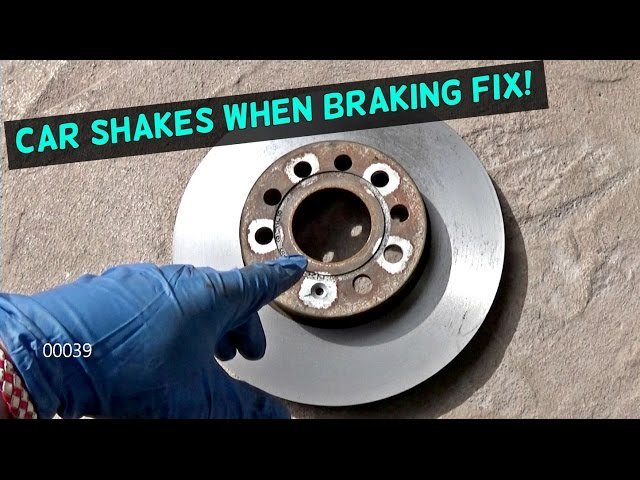
Brake rotors are metal discs attached to your wheels. When you press the brakes, the pads squeeze the rotors, creating friction to slow the car. Over time, heat and stress can cause rotors to warp or become uneven.
Symptoms
- Vibration mainly felt in the steering wheel
- Pulsating brake pedal
- Shaking gets worse at higher speeds
How To Fix
- Inspect rotors for uneven surfaces or scoring.
- If rotors are only slightly warped, a mechanic can resurface them (grinding them flat).
- If severely damaged, replace the rotors with new ones.
Important Insight
Sometimes, cheap or mismatched brake pads can cause uneven rotor wear. Always use quality parts that match your vehicle’s specifications.
2. Worn Or Damaged Brake Pads
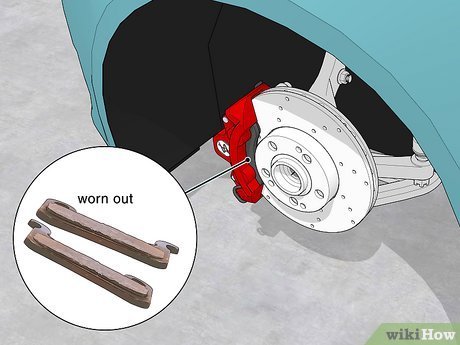
Brake pads press against the rotors to stop your car. Over time, they wear down. If the pads are too thin or damaged, they don’t grip evenly.
Symptoms
- Squealing or grinding noise when braking
- Reduced stopping power
- Shaking or vibration, especially at low speeds
How To Fix
- Check brake pad thickness. If they’re less than 3mm thick, replace them.
- Inspect for uneven wear or cracks.
- Replace both pads on the same axle at the same time for balance.
Key Tip
Don’t wait for the pads to wear out completely. Replacing them early prevents rotor damage and more expensive repairs.
3. Tire And Wheel Problems
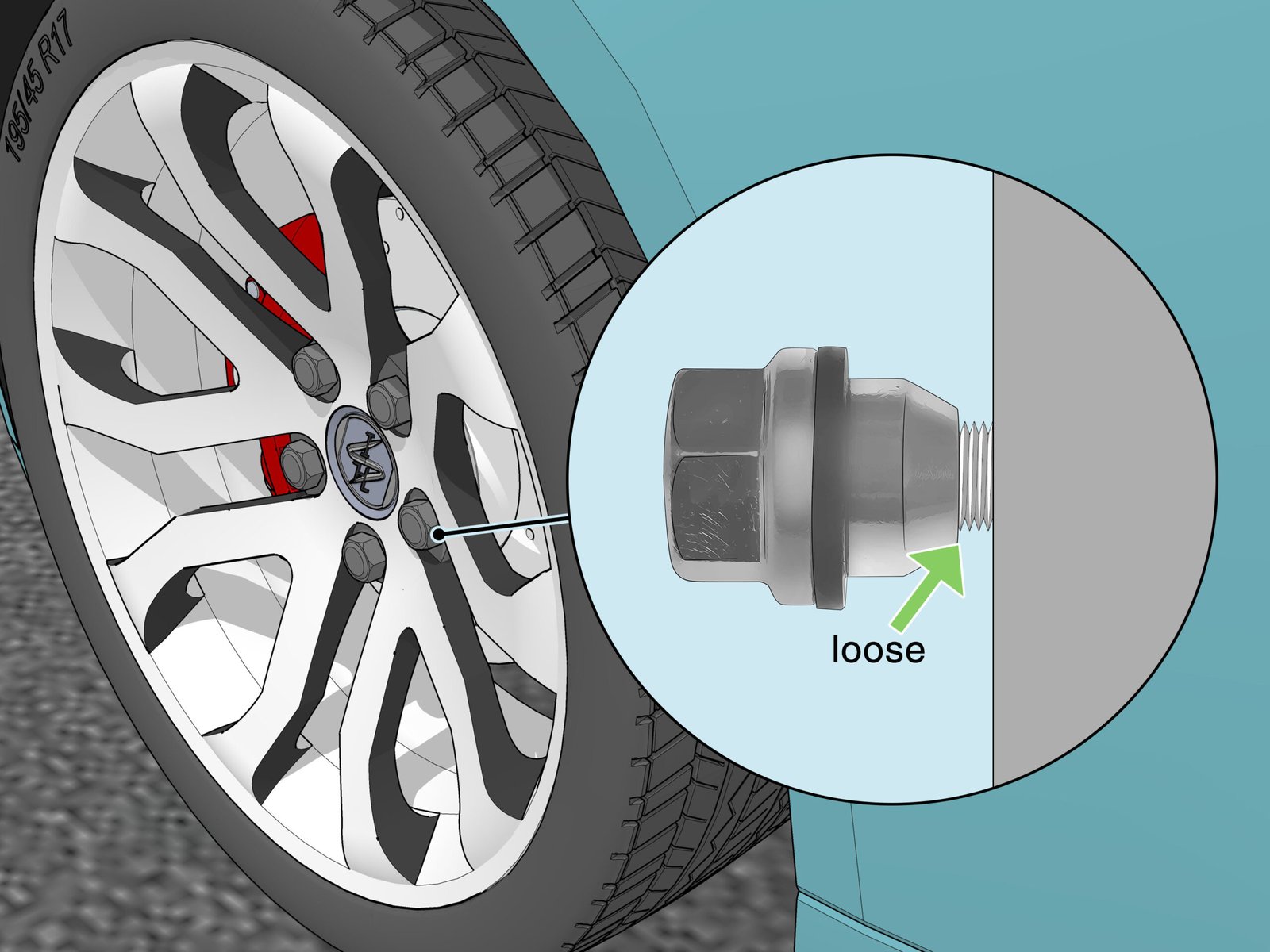
Tires and wheels play a major role in smooth braking. Problems like unbalanced wheels, bent rims, or worn tires can cause shaking.
Symptoms
- Vibration at certain speeds, even without braking
- Uneven tire wear
- Visible bulges or damage on tires
How To Fix
- Check tire pressure and inflate to recommended levels.
- Inspect for flat spots, bulges, or uneven tread wear.
- Get tires balanced and wheels aligned.
- Replace bent rims or damaged tires.
Non-obvious Insight
Sometimes, a small stone or debris stuck to a wheel can cause vibrations. Check the inside of your wheels for foreign objects.
4. Suspension System Issues
The suspension system keeps your ride smooth and stable. Worn parts like ball joints, tie rods, or control arms can transfer vibrations to the car when braking.
Symptoms
- Shaking during braking and when driving over bumps
- Clunking noises from the front end
- Uneven steering response
How To Fix
- Inspect suspension parts for play or damage.
- Replace worn ball joints, bushings, or tie rods.
- Align the wheels after any suspension repair.
Common Mistake
Ignoring early signs like noises or loose steering can make suspension problems worse and more expensive to fix.
5. Alignment And Balance Problems
Wheel alignment and balance are often overlooked. Bad alignment or unbalanced wheels put extra stress on your brakes and suspension, causing shaking.
Symptoms
- Steering pulls to one side
- Uneven tire wear
- Vibration at certain speeds, with or without braking
How To Fix
- Schedule a professional alignment and wheel balancing.
- Rotate tires regularly to spread wear evenly.
Example
If you hit a curb or pothole recently and notice shaking, alignment is a likely cause.
Credit: www.wikihow.com
How To Diagnose The Problem
Finding the exact cause of car shaking is important before starting repairs. Here’s a practical way to diagnose the issue:
- Test at Different Speeds: Notice if vibration happens only when braking or also while driving.
- Feel the Steering Wheel: If the steering wheel shakes, the problem is likely in the front brakes or wheels.
- Inspect Brake Parts: Look for thin pads, grooves on rotors, or burnt smells.
- Check Tires: Search for uneven wear, low pressure, or visible damage.
- Listen for Noises: Squealing, grinding, or clunking sounds give clues about pads, rotors, or suspension.
Using these steps, you can narrow down the problem area and decide if you can fix it yourself or need a mechanic.
Diy Vs. Professional Repair
Many brake and wheel issues can be fixed at home if you have some basic tools and mechanical skill. However, some repairs are best left to professionals.
When You Can Diy
- Changing brake pads
- Rotating or balancing tires (if you have the equipment)
- Checking for visible damage
When To See A Mechanic
- Rotor resurfacing or replacement
- Suspension repairs (ball joints, tie rods)
- Wheel alignment
Attempting complex repairs without the right tools or knowledge can make things worse. Always put safety first.
Cost Comparison: Common Repairs
Here is a helpful comparison of average repair costs for the most common causes of shaking when braking:
| Repair Type | Typical Cost (USD) | DIY Possibility |
|---|---|---|
| Brake Pad Replacement | $100 – $300 | Yes |
| Brake Rotor Resurfacing | $150 – $250 | No |
| Brake Rotor Replacement | $250 – $500 | No |
| Tire Balancing & Alignment | $50 – $150 | Partial |
| Suspension Repair | $300 – $1000+ | No |
These prices can change depending on your car’s make and model, and your location.
Real-world Example: Diagnosing A Shaking Car
Imagine you notice your car starts to shake only when braking at speeds above 50 mph. The steering wheel vibrates, but you don’t hear any noise. You check your tires—no visible damage. Next, you inspect your brake rotors and see blue spots, which mean they’ve overheated.
In this case, replacing the rotors and pads is the solution.
If, instead, the shaking happens even when not braking and you see uneven tire wear, a wheel balance or alignment issue is more likely.
Credit: www.youtube.com
How To Prevent Car Shaking When Braking
Prevention is always better than repair. Here’s how to keep your brakes and wheels in good condition:
- Regular Inspections: Check brakes and tires every 6 months or 6,000 miles.
- Rotate Tires: Every 5,000–7,500 miles, rotate your tires to avoid uneven wear.
- Brake Fluid Change: Replace brake fluid every 2 years to keep the system working smoothly.
- Use Quality Parts: Always choose recommended or OEM brake parts.
- Avoid Hard Braking: Sudden stops generate heat, which can warp rotors.
- Keep Wheels Clean: Dirt and debris can cause uneven wear.
Key Differences Between Brake, Tire, And Suspension Problems
Understanding where the problem starts can save you time and money. Here’s a quick comparison to help:
| Problem Source | Typical Symptoms | Best Initial Check |
|---|---|---|
| Brakes (Rotors/Pads) | Vibration when braking only | Inspect rotors and pads |
| Tires/Wheels | Vibration at certain speeds, with or without braking | Check tire wear and balance |
| Suspension | Shaking over bumps and when braking | Look for worn parts and listen for noises |
Credit: www.wikihow.com
Mistakes To Avoid
Even experienced drivers can make errors when dealing with car shaking. Here are mistakes to watch out for:
- Ignoring early signs: Small vibrations can become big problems if not fixed.
- Using cheap parts: Low-quality pads and rotors wear out faster and may cause more shaking.
- Skipping wheel balancing: Even new tires need balancing.
- Not checking tire pressure: Low or uneven pressure leads to vibration and faster wear.
- Delaying repairs: Waiting too long can damage other parts, increasing costs.
The Importance Of Timely Repairs
Fixing car shaking quickly is about more than comfort—it’s about safety. Shaking can reduce braking efficiency, increase stopping distance, and put extra stress on other parts like suspension and tires. In worst-case scenarios, it can lead to brake failure or tire blowouts.
According to the National Highway Traffic Safety Administration, about 22% of car crashes are related to mechanical issues, with brakes being one of the most common causes. Taking care of your brakes is a direct investment in your safety.
Frequently Asked Questions
What Causes Car Shaking Only When Braking At High Speeds?
Shaking at high speeds is often caused by warped rotors or unbalanced wheels. Heat from fast driving can warp rotors, while unbalanced wheels shake more as speed increases.
Can I Drive My Car If It Shakes When Braking?
You can, but it’s not safe. Continued driving can make the problem worse and lead to brake or tire failure. Get the issue checked and fixed as soon as possible.
How Long Do Brake Rotors And Pads Last?
Brake pads usually last 30,000–70,000 miles, while rotors can last up to 70,000 miles if not overheated or damaged. Lifespan depends on your driving style and road conditions.
Is It Expensive To Fix Car Shaking When Braking?
Costs depend on the cause. Replacing pads is usually under $300, while rotors or suspension repairs can cost more. Early diagnosis and repair help keep costs down.
Can Wheel Alignment Cause Car Shaking?
Yes. Poor wheel alignment can cause shaking, especially if combined with worn tires or suspension problems. Proper alignment prevents uneven wear and vibration.
Car shaking when braking is a common but serious issue. By understanding the causes and acting quickly, you can fix the problem, save money, and drive safely. Stay alert to changes in your car’s behavior, and don’t hesitate to seek help if you’re unsure about repairs.
Safe driving starts with a smooth stop.