
Your car communicates its needs through various indicators, signaling when it requires attention. Recognizing these signs early is paramount for preventing minor issues from escalating into significant, costly repairs, ensuring your safety on the road, and preserving your vehicle’s overall health and longevity.
- Dashboard warning lights are immediate visual cues for potential problems.
- Unusual noises like squealing, grinding, or knocking often indicate mechanical wear.
- Changes in how your car drives, including steering, braking, or acceleration, point to underlying issues.
- Fluid leaks, strange smells, and visible wear on components like tires or belts are clear indicators for inspection.
- Proactive checks and timely professional intervention are essential for maintaining vehicle reliability.
Introduction: Why Regular Car Maintenance Matters
Regular car maintenance is not merely a recommendation; it is a fundamental aspect of responsible vehicle ownership. A well-maintained vehicle operates more efficiently, offers greater reliability, and provides a safer driving experience for everyone on board. Neglecting routine service can lead todecreased fuel economy, premature component failure, and potentially dangerous situations on the road.
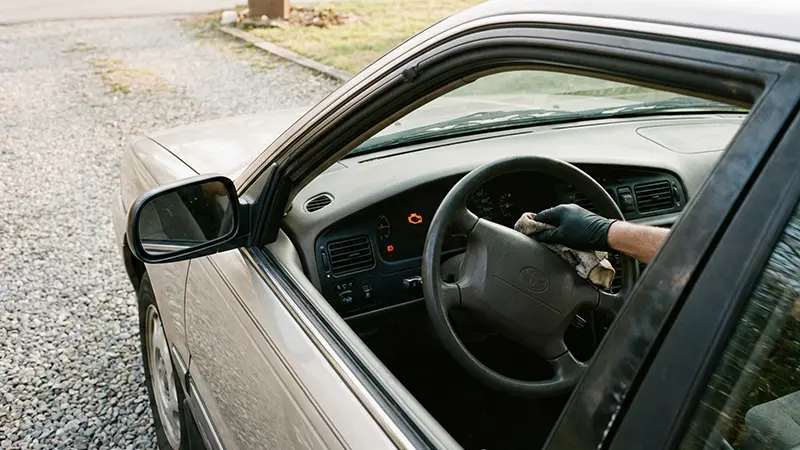
Understanding the subtle and overt signals your car sends is the first step in a proactive maintenance strategy. These signals act as an early warning system, allowing drivers to address problems before they become critical. By paying attention to these indicators, vehicle owners can significantly extend their car’s lifespan and avoid unexpected breakdowns.
Understanding Your Vehicle’s Warning System: Dashboard Lights Explained
Modern vehicles are equipped with sophisticated onboard diagnostic (OBD) systems that monitor various components and functions. When a sensor detects an anomaly, it triggers a corresponding warning light on your dashboard. These lights are designed to alert drivers to potential issues that require attention.
Common Dashboard Warning Lights and Their Meanings
- Check Engine Light:This is one of the most recognized warnings. It can indicate a wide range of issues, from a loose gas cap to a more serious engine problem. While it might not always signal an immediate emergency, it should never be ignored.
- Oil Pressure Warning Light:Illuminating this light means your engine’s oil pressure is low. Low oil pressure can lead to severe engine damage due to insufficient lubrication. If this light comes on, it is crucial to stop driving safely as soon as possible and check your oil level.
- Battery Warning Light:This light indicates a problem with your car’s charging system, not necessarily just the battery itself. It could mean a faulty alternator, a loose battery cable, or a failing battery.
- Brake System Warning Light:This light can signify low brake fluid, worn brake pads, or an issue with the anti-lock braking system (ABS). Given the critical role of brakes, this warning demands immediate attention.
- Tire Pressure Monitoring System (TPMS) Light:If this light appears, one or more of your tires are significantly underinflated. Proper tire pressure is vital for safety, fuel efficiency, and tire longevity.
- Temperature Warning Light:An illuminated temperature light indicates that your engine is overheating. Continuing to drive with an overheating engine can cause catastrophic damage.
Familiarizing yourself with your car’s specific dashboard warning lights, as detailed in your owner’s manual, is an essential part of being a prepared driver. When a light illuminates, it is a clear call to investigate the cause promptly.
Key Signs Your Car Needs Maintenance
Beyond the dashboard lights, your car provides numerous other sensory cues that indicate a need for maintenance. These signs often manifest as changes in how the vehicle looks, sounds, feels, or even smells. Paying close attention to these subtle shifts can help you catch problems early.
Unusual Noises: What They Mean
Your car typically operates with a predictable set of sounds. Any new or unusual noise should be investigated. Different sounds can pinpoint specific issues:
- Squealing Brakes:Often indicates worn brake pads that need replacement. If the squealing turns into a grinding sound, it means the pads are completely worn, and the metal backing is rubbing against the rotor, which can cause significant damage.
- Clicking or Tapping from the Engine:A light, rhythmic clicking or tapping sound, especially when cold, could indicate low oil, valve train issues, or other internal engine wear.
- Whining or Groaning from Power Steering:This usually suggests low power steering fluid or a failing power steering pump.
- Hissing Sound:A hissing sound, particularly from under the hood, often points to a vacuum leak, a leaking hose, or an overheating engine.
- Grinding When Shifting Gears:For manual transmissions, this can mean a worn clutch or transmission issues. For automatics, grinding or clunking during shifts indicates a more serious transmission problem.
- Rattling Underneath the Car:This could be a loose exhaust component, a heat shield, or suspension parts.
- Squealing from Belts:A high-pitched squeal, especially on startup or when turning the steering wheel, often indicates a loose or worn serpentine belt or accessory belt.
Never dismiss unusual noises. They are your car’s way of telling you something is wrong and requires attention.
Changes in Performance: Steering, Braking, and Acceleration
How your car performs on the road is a direct reflection of its mechanical health. Any noticeable change in its usual driving characteristics warrants investigation.
Steering Issues
- Difficulty Steering:If the steering wheel becomes harder to turn, it could be a power steering fluid issue, a failing power steering pump, or problems with the steering rack.
- Vibration in the Steering Wheel:Vibrations, especially at certain speeds, can indicate unbalanced tires, misaligned wheels, or worn suspension components.
- Car Pulling to One Side:This is a classic sign of wheel misalignment, but it could also point to uneven tire wear or a problem with the braking system.
- Loose or Sloppy Steering:Excessive play in the steering wheel suggests worn steering components like tie rod ends or ball joints.
Braking Problems
- Spongy or Soft Brake Pedal:A brake pedal that feels soft or goes too far down can indicate air in the brake lines, low brake fluid, or a master cylinder issue.
- Vibration When Braking:Pulsation or vibration felt through the brake pedal or steering wheel during braking often pointsto warped brake rotors.
- Car Pulling to One Side When Braking:This can be caused by a sticking brake caliper or uneven brake pad wear.
- Increased Stopping Distance:If your car takes longer to stop, it’s a critical safety concern, likely due to worn brake pads, low brake fluid, or a failing brake system component.
Acceleration and Engine Performance
- Sluggish Acceleration:If your car feels less responsive or struggles to accelerate, it could be due to a clogged fuel filter, worn spark plugs, a failing mass airflow sensor, or transmission issues.
- Rough Idling or Stalling:An engine that idles roughly, shakes, or stalls frequently may have issues with spark plugs, ignition coils, fuel delivery, or vacuum leaks.
- Decreased Fuel Economy:A sudden drop in miles per gallon without changes in driving habits often indicates an engine running inefficiently, possibly due to dirty air filters, faulty oxygen sensors, or other engine problems.
These performance changes not only affect your driving comfort but also compromise your safety and the car’s efficiency.
Fluid Leaks: Identifying the Source and Severity
Puddles or drips under your car are almost always a sign that something is amiss. Identifying the color and location of the fluid can help diagnose the problem.
- Red or Pink Fluid:Typically transmission fluid or power steering fluid. A sweet smell often accompanies transmission fluid.
- Green, Blue, or Yellow Fluid:Usually engine coolant. It often has a sweet odor.
- Clear or Light Brown Fluid:This could be clean engine oil or brake fluid. Brake fluid is typically clear to yellowish and has an oily consistency.
- Dark Brown or Black Fluid:Old engine oil. If it’s thick and tar-like, it’s very old.
- Water:Clear water dripping from under the car, especially after using the air conditioner, is usually normal condensation.
Any fluid leak, other than normal AC condensation, should be investigated promptly. Leaking fluids can lead to critical component failure if not addressed.
Strange Smells: Pinpointing the Problem
Unusual odors emanating from your car are strong indicators of underlying issues. Different smells point to different problems:
- Burning Rubber:Could be a slipping drive belt, a loose hose rubbing against a hot engine part, or a burning clutch.
- Sweet, Syrupy Smell:This is often the smell of burning coolant, indicating a leak in the cooling system, such as a leaky radiator or hose.
- Burning Oil Smell:If you smell burning oil, it likely means oil is leaking onto a hot engine component or exhaust manifold.
- Rotten Eggs or Sulfur Smell:This distinct odor usually points to a failing catalytic converter or an issue with the fuel system.
- Burning Plastic Smell:This could be an electrical short or a plastic component melting due to excessive heat.
- Gasoline Smell:A strong smell of gasoline, especially after filling up, could indicate a fuel leak from a fuel line, tank, or injector. This is a significant fire hazard.
Never ignore strange smells. Some, like a strong gasoline odor, pose immediate safety risks.
Visible Wear and Tear: Tires, Lights, and Belts
Sometimes, the signs your car needs maintenance are visible without even opening the hood. A quick visual inspection can reveal several problems.
- Tire Wear:Uneven tire wear (e.g., worn on one side, center, or edges) can indicate improper tire pressure, misalignment, or suspension issues. Bulges, cracks, or excessively shallow tread depth (below 2/32 inch) mean tires need immediate replacement.
- Dim or Flickering Lights:Headlights, taillights, or turn signals that are dim, flickering, or not working at all can be a simple bulb issue or a more complex electrical problem. Proper lighting is crucial for visibility and safety.
- Cracked or Frayed Belts:The serpentine belt and other accessory belts should be inspected for cracks, fraying, or excessive wear. A failing belt can lead to loss of power steering, alternator failure, or engine overheating.
- Rust or Corrosion:While some surface rust is common, excessive rust on the frame, suspension components, or brake lines is a serious structural and safety concern.
Regular visual checks can help you identify these issues before they lead to more significant problems.
The Importance of Proactive Maintenance: Beyond Warning Signs
While recognizing warning signs is crucial, a truly effective approach to vehicle health involves proactive maintenance. This means adhering to your manufacturer’s recommended service schedule, even when no obvious problems are present. Regular oil changes, fluid checks, tirerotations, and filter replacements are foundational to preventing issues before they start.
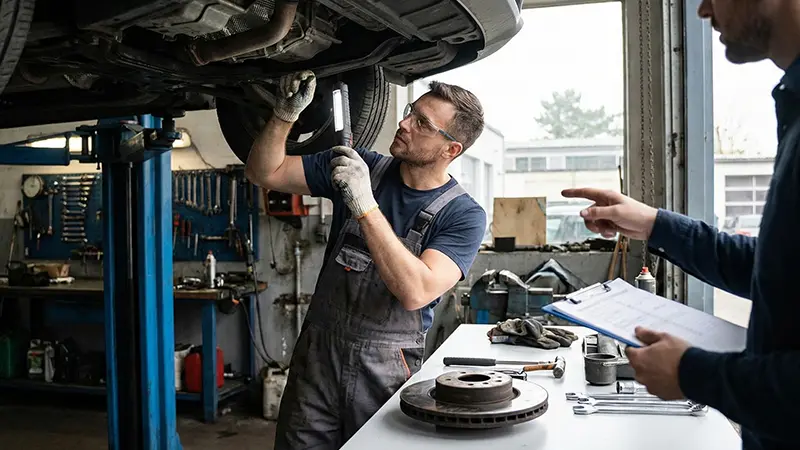
Proactive maintenance helps maintain peak performance, optimizes fuel efficiency, and significantly reduces the likelihood of unexpected breakdowns. It’s an investment that pays off in reliability, safety, and the long-term value of your vehicle.
DIY Checks You Can Perform Regularly
Many basic maintenance checks can be performed by vehicle owners, empowering them to stay informed about their car’s condition. These simple checks can help identify potential issues early and contribute to overall vehicle health.
- Check Engine Oil Level:On a cool engine, pull out the dipstick, wipe it clean, reinsert it fully, then pull it out again to check the oil level against the ‘full’ and ‘add’ marks.
- Inspect Tire Pressure:Use a reliable tire pressure gauge to check the pressure in all four tires and the spare, comparing it to the recommended pressure found on a sticker inside your driver’s side door jamb or in the owner’s manual.
- Examine Tire Tread Depth:Use a penny test (insert a penny head-first into a tread groove; if you can see Lincoln’s head, your tread is too shallow) or a tread depth gauge.
- Check All Exterior Lights:Turn on headlights (high and low beams), taillights, brake lights, and turn signals to ensure they are all functioning correctly.
- Monitor Fluid Levels:Check coolant, brake fluid, power steering fluid, and windshield washer fluid levels, ensuring they are between the minimum and maximum marks.
- Listen for Unusual Noises:Pay attention to any new or strange sounds during startup, driving, braking, or idling.
- Look for Fluid Leaks:Periodically check under your parked car for any puddles or drips.
- Inspect Wiper Blades:Check wiper blades for cracks, tears, or streaking, and replace them if they are not clearing the windshield effectively.
When to Seek Professional Help: Don’t Ignore the Red Flags
While DIY checks are valuable, many issues require the expertise and specialized tools of a professional mechanic. Knowing when to stop DIY and seek professional help is crucial for both your safety and the integrity of your vehicle.
If a dashboard warning light illuminates, especially the check engine, oil pressure, or brake warning light, it’s generally best to consult a mechanic. Any significant change in driving performance, such as persistent pulling, grinding brakes, or severe power loss, warrants immediate professional diagnosis. Similarly, if you detect a strong smell of gasoline, burning, or notice a significant fluid leak, it’s safer to have a professional assess the situation. Attempting to fix complex issues without proper knowledge or tools can lead to further damage or unsafe conditions.
Extending Your Car’s Lifespan Through Timely Maintenance
The lifespan of a vehicle is not solely determined by its make or model; it is heavily influenced by the care it receives. Timely maintenance, driven by an awareness of your car’s warning signs, is the most effective strategy for maximizing its operational years.
Addressing small problems promptly prevents them from cascading into larger, more expensive failures. For example, replacing worn brake pads before they damage the rotors saves significant repair expenses. Similarly, regular oil changes protect the engine from premature wear. By consistently responding to your car’s needs, you ensure that its critical systems remain in optimal condition, leading to a more reliable vehicle that serves you well for many years to come.
Frequently Asked Questions About Car Maintenance Signs
What are the most common signs your car needs maintenance?
The most common signs include dashboard warning lights, unusual noises like squealing brakes or engine knocking, changes in how the car drives such as difficulty steering or sluggish acceleration, visible fluid leaks, and strange smells like burning oil or a sweet coolant odor. Visible wear on tires and belts also indicates a need for attention.
How often should I look for signs my car needs maintenance?
You should be vigilant for signs your car needs maintenance every time you drive. Perform quick visual checks around your car before driving, and pay attention to how it sounds, feels, and smells during operation. Regular, more thorough DIY checks can be done monthly, in addition to following your manufacturer’s recommended service schedule.
Can ignoring the early signs your car needs maintenance lead to bigger problems?
Absolutely. Ignoring early signs can lead to a domino effect of problems. For instance, neglecting worn brake pads can damage rotors and calipers, while ignoring an overheating engine can cause catastrophic engine failure. Addressing issues promptly is key to preventing minor repairs from becoming major, costly overhauls.
Are there specific signs your car needs maintenance related to tires?
Yes, tire-specific signs include uneven tread wear, which can indicate alignment or suspension issues. Low tire pressure, often signaled by the TPMS light, is another common sign. Visible damage like bulges, cracks, or excessively shallow tread depth are clear indicators that tires need immediate inspection or replacement for safety.
What kind of strange smells are signs your car needs maintenance?
Strange smells like burning rubber, a sweet syrupy odor (coolant), burning oil, a rotten egg smell (catalytic converter), or a strong gasoline scent are all signs your car needs maintenance. Each distinct smell often points to a specific problem area, from leaks to component failures, and should be investigated.
What should I do if I notice signs my car needs maintenance but I’m not sure what they mean?
If you notice signs your car needs maintenance but are unsure of their meaning or severity, the safest course of action is to consult a qualified professional mechanic. They have the expertise and diagnostic tools to accurately identify the problem and recommend the appropriate repairs, ensuring your vehicle remains safe and reliable.
Conclusion: Stay Safe, Drive Smart
Recognizing the signs your car needs maintenance is a vital skill for every vehicle owner. From the subtle flicker of a dashboard light to an unfamiliar sound or smell, your car constantly communicates its condition. By understanding and responding to these signals promptly, you can prevent minor issues from escalating, ensure your safety on the road, and significantly extend the life of your vehicle.
Embrace a proactive approach to car care, combining regular DIY checkswith adherence to your manufacturer’s service schedule. When in doubt, always consult a trusted mechanic to ensure your vehicle receives the expert attention it deserves. Drive smart, stay safe, and enjoy the reliability that comes with a well-maintained car.
Related Articles: Learn more with our guides on DIY car maintenance for beginners, avoiding common car maintenance mistakes, and cheap car maintenance tips.