
Installing fog lights on your car can make a big difference when you drive in bad weather. Fog, heavy rain, and snow reduce your visibility. Standard headlights often reflect off the mist or snow, making it even harder to see.
That’s where fog lights come in—they are designed to cut through these tough conditions and help you see the road better. Many cars do not come with fog lights, especially older or basic models. But you don’t need to spend a lot at a workshop—if you’re careful and patient, you can install them yourself.
This guide will show you how to install fog lights on your car, step by step. Whether you’re a complete beginner or someone who likes to work on cars, you’ll get all the details you need. You’ll also find tips and warnings that most guides miss, so you avoid problems and get great results.
Why Install Fog Lights?
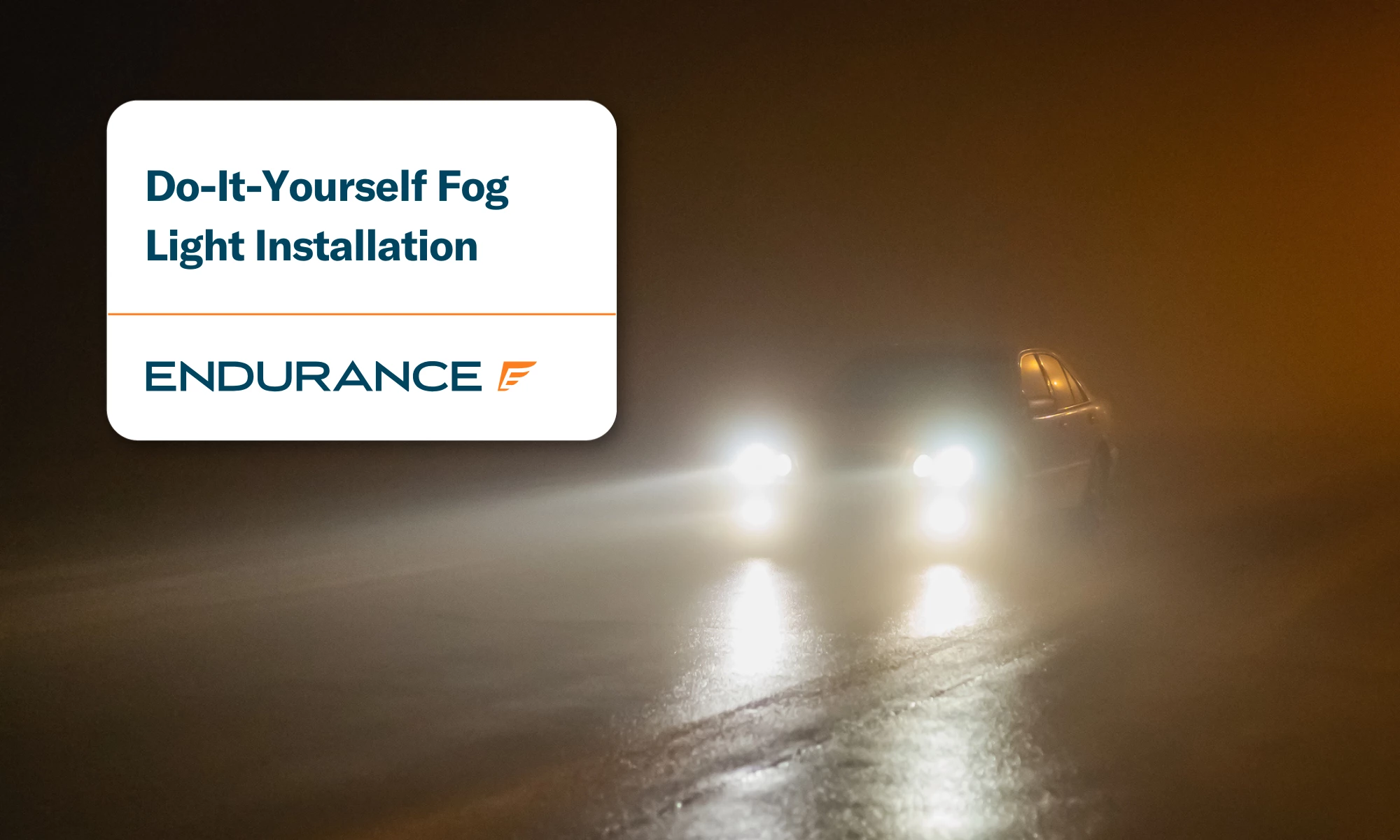
Fog lights are different from normal headlights. They are mounted lower on the front of the car and shine a wide, flat beam directly onto the road. This helps you spot road edges, lane markings, and obstacles that are hard to see with just headlights.
Fog lights improve safety, especially in areas with frequent fog or mist.
Some benefits include:
- Better visibility in fog, rain, or snow
- Safer driving during early mornings and late evenings
- Less glare reflected back at your eyes
- Modern look for your car
Many drivers do not realize that fog lights can also help other drivers see you, reducing the risk of accidents in poor weather.
What You’ll Need Before You Start
Before you begin, gather all the tools and materials. Buying a fog light kit designed for your car model makes the job easier. Generic kits work too, but you might need to adjust or drill extra holes.
Tools and materials:
- Fog light kit (with lights, brackets, wiring, and switch)
- Screwdrivers (flat and Phillips)
- Wire stripper/cutter
- Socket set and ratchet
- Electrical tape or heat-shrink tubing
- Zip ties
- Multimeter (to check voltage and ground)
- Mounting hardware (if not included)
- Vehicle owner’s manual
Non-obvious tips:
- Check if your car already has wiring for fog lights, even if the lights are not installed. Some models come pre-wired, which saves time and avoids mistakes.
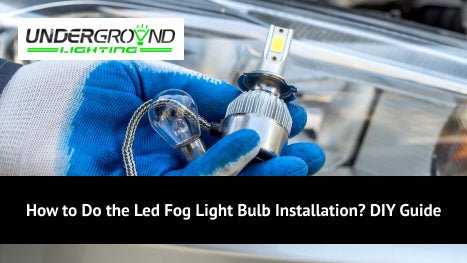
- Buy LED fog lights for better brightness and lower power use. They also last longer than halogen bulbs.
Choosing The Right Fog Lights
Selecting the correct fog lights matters for both safety and legal reasons. Here’s what to look for:
| Type | Brightness (Lumens) | Lifespan (Hours) | Energy Use | Cost Range |
|---|---|---|---|---|
| Halogen | 1,000–1,500 | 350–500 | Medium | $20–$50 |
| LED | 2,000–3,000 | 15,000–30,000 | Low | $40–$100 |
| HID | 3,500–5,000 | 2,000–3,000 | Medium | $60–$150 |
Key things to consider:
- Fit: Make sure the lights fit your car’s bumper or grille.
- Legal: Check local laws—some countries or states have rules about color and brightness.
- Beam pattern: Choose a wide, flat beam for best results.
- Switch type: Decide if you want a separate switch or to connect with your car’s headlight switch.
Preparing Your Car
Before you start the installation, park your car on a flat surface and disconnect the negative battery terminal. This step is important for your safety and to avoid electrical problems.
- Read your car’s manual to locate the bumper, fuse box, and recommended mounting spots.
- Lay out all the parts and check against the kit instructions.
- Clean the area where you’ll mount the lights for better fit.
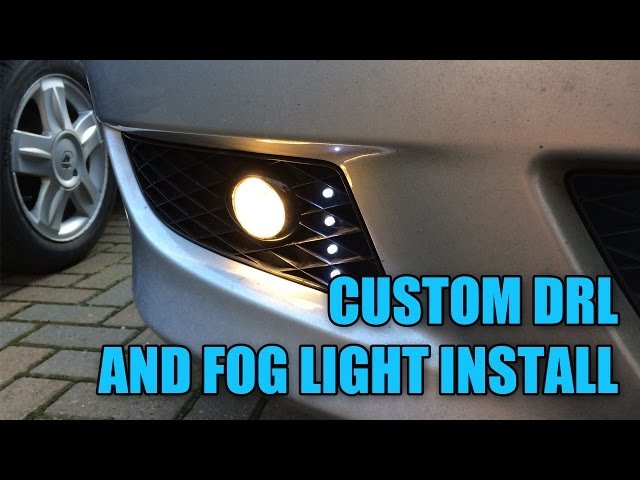
Hidden detail: Many modern cars have “knock-out” spots in the bumper for fog lights. These can be gently removed to make installation easier.
Credit: www.youtube.com
Step-by-step Guide To Installing Fog Lights
1. Mounting The Fog Lights
- Use the brackets and screws from your kit.
- Place the lights in the pre-existing holes or use the template provided.
- If your car doesn’t have holes, measure carefully and drill holes at the same height on both sides.
- Tighten all bolts, but do not over-tighten—plastic bumpers can crack.
Pro tip: Use a level to ensure both lights are aimed straight and at the same angle.
2. Wiring The Fog Lights
Most kits include a wiring harness with a relay, fuse, and switch. Here’s the typical wiring path:
- Connect the positive wire from each fog light to the harness.
- Ground the negative wire to a clean metal part of the car frame.
- Run the main power wire to the car battery, adding the fuse as close to the battery as possible.
- Install the relay—usually mounted near the battery or fuse box.
- Route the switch wire through the firewall (from engine to inside the car). Use a rubber grommet to protect the wire.
- Connect the switch to a spot on your dashboard.
3. Testing The Lights
- Reconnect the negative battery terminal.
- Turn on the ignition and press the fog light switch.
- Check both lights. If one or both do not work, use a multimeter to check for power and ground.
- Adjust the aim so the lights shine low and wide, not into the eyes of oncoming drivers.
4. Securing And Tidying Up
- Use zip ties to secure all loose wires away from moving parts or hot engine areas.
- Cover all connections with electrical tape or heat-shrink tubing to prevent rust and moisture.
- Put all panels and covers back in place.
Beginner mistake: Skipping the fuse or relay can damage your car’s electrical system or even cause a fire.
Adjusting Fog Light Aim
Proper adjustment is important. Fog lights should be aimed low—just a few inches above the ground at a distance of 25 feet from a wall.
| Distance from Wall | Recommended Height | Common Mistake |
|---|---|---|
| 25 feet | Below 18 inches | Too high, blinding others |
| 10 feet | Below 8 inches | Too low, not enough light on road |
- Park 25 feet from a wall on level ground.
- Turn on the fog lights and measure the height of the beam on the wall.
- Use the adjustment screw (if available) to set the beam below the centerline of the light.
Advanced tip: If your car has automatic headlight leveling, check the fog light position again after the car’s suspension settles.
Credit: www.endurancewarranty.com
Common Problems And How To Avoid Them
Installing fog lights is not hard, but some mistakes can cause trouble:
- Loose connections: Can cause flickering or lights not working. Always double-check every connection.
- Wrong fuse size: Can blow out or fail to protect your wiring. Use the fuse size recommended in your kit or manual.
- Wires near hot parts: Can melt and cause shorts. Keep wires away from the engine and exhaust.
- No relay: Running power directly from the switch can overheat it. Always use a relay for safety.
If you have an electrical issue after installation, start by checking the fuse and the ground connection.
Cost And Time Estimates
How much will this project cost and how long will it take? Here’s a quick breakdown:
| Item | Low Cost | High Cost | Time Estimate |
|---|---|---|---|
| Fog light kit | $20 | $150 | — |
| Tools & wires | $0 (if you have) | $30 | — |
| Labor (DIY) | $0 | $0 | 2–4 hours |
| Labor (shop) | $50 | $150 | 1–2 hours |
DIY saves you money, especially if you already have basic tools.
After Installation: Extra Tips And Safety
- Test the fog lights in a safe area before using them on public roads.
- Do not use fog lights in clear weather—they can annoy other drivers and are sometimes illegal.
- Check your fog lights every few months for burned-out bulbs or damaged wiring.
- If you plan to drive in heavy snow, clean the fog light lens often for maximum brightness.
Non-obvious insight: Some insurance companies offer small discounts for cars with working fog lights, as they can reduce accident risk. Ask your agent if this applies to you.
Useful Resources
If you want more details or need help finding local laws about fog lights, visit the Automotive lighting Wikipedia page for in-depth information.
Credit: undergroundlighting.com
Frequently Asked Questions
How Hard Is It To Install Fog Lights Myself?
Installing fog lights is a moderate DIY task. If you can change your car’s battery or stereo, you can install fog lights. The hardest part is running wires through the firewall and aiming the lights correctly. Take your time and double-check every step.
Will Installing Fog Lights Void My Car Warranty?
Most of the time, adding fog lights does not void your warranty, especially if you use a proper kit and do not cut or damage factory wires. However, always check your warranty terms or ask your dealer before starting.
Can I Use The Same Wiring As My Headlights?
It is not recommended to connect fog lights directly to headlight wiring. Fog lights draw extra current and need a relay and fuse for safety. Use the harness in your kit or add a relay if you build your own wiring.
Are Led Fog Lights Better Than Halogen?
Yes, LED fog lights are brighter, use less power, and last much longer than halogen. They also create less heat and are often easier to aim. However, they might cost more up front.
Do I Need To Align Fog Lights After Installation?
Absolutely. Proper alignment prevents glare for other drivers and gives you the best view of the road. Always test and adjust your fog lights after installation.
Installing fog lights is a smart upgrade for safety and style. By following these steps and tips, you’ll get reliable results and enjoy driving even in the worst weather. Take your time, and don’t skip safety checks—your efforts will pay off every time you face foggy roads.