
Working on your car’s electrical system can be rewarding, but it also carries risks. A single mistake might damage parts, cause injury, or even start a fire. Many people avoid electrical work for these reasons. But with the right knowledge and preparation, you can handle basic electrical tasks safely.
This article explains how to work on a car’s electrical system without danger, what tools you need, common mistakes to avoid, and how to protect both yourself and your vehicle.
Why Car Electrical Safety Matters
Modern cars rely on complex electronics. From starting the engine to charging your phone, electrical systems are everywhere. A small error—like crossing the wrong wires—can break expensive components or trigger airbags. In the worst cases, it leads to electrical shocks, burns, or vehicle fires. That’s why understanding safe practices is essential before you touch anything.
Essential Safety Gear For Car Electrical Work
Never work on electrical systems without the right protection. Here are the basics:
- Insulated gloves: Protect your hands from shocks and burns.
- Safety glasses: Prevent sparks or debris from injuring your eyes.
- Fire extinguisher: A dry chemical or CO₂ type is best for electrical fires.
- Non-conductive tools: Tools with rubber handles reduce the risk of shocks.
- Protective clothing: Avoid loose sleeves or jewelry that could catch on wires.
Never skip this safety gear, even for “quick” jobs. It only takes one accident to cause serious harm.
Credit: toytechs.com
Preparing Your Workspace
A good workspace keeps you safe and helps you work faster. Set up your area like this:
- Park your car on a flat surface and engage the handbrake.
- Work in a well-lit area so you can see wires and connections clearly.
- Keep your tools organized and within easy reach.
- Remove any liquids or flammable materials nearby.
If you’re working outdoors, avoid rainy or wet conditions. Moisture increases the risk of electrical shocks and short circuits.
Disconnecting The Battery: The First Step
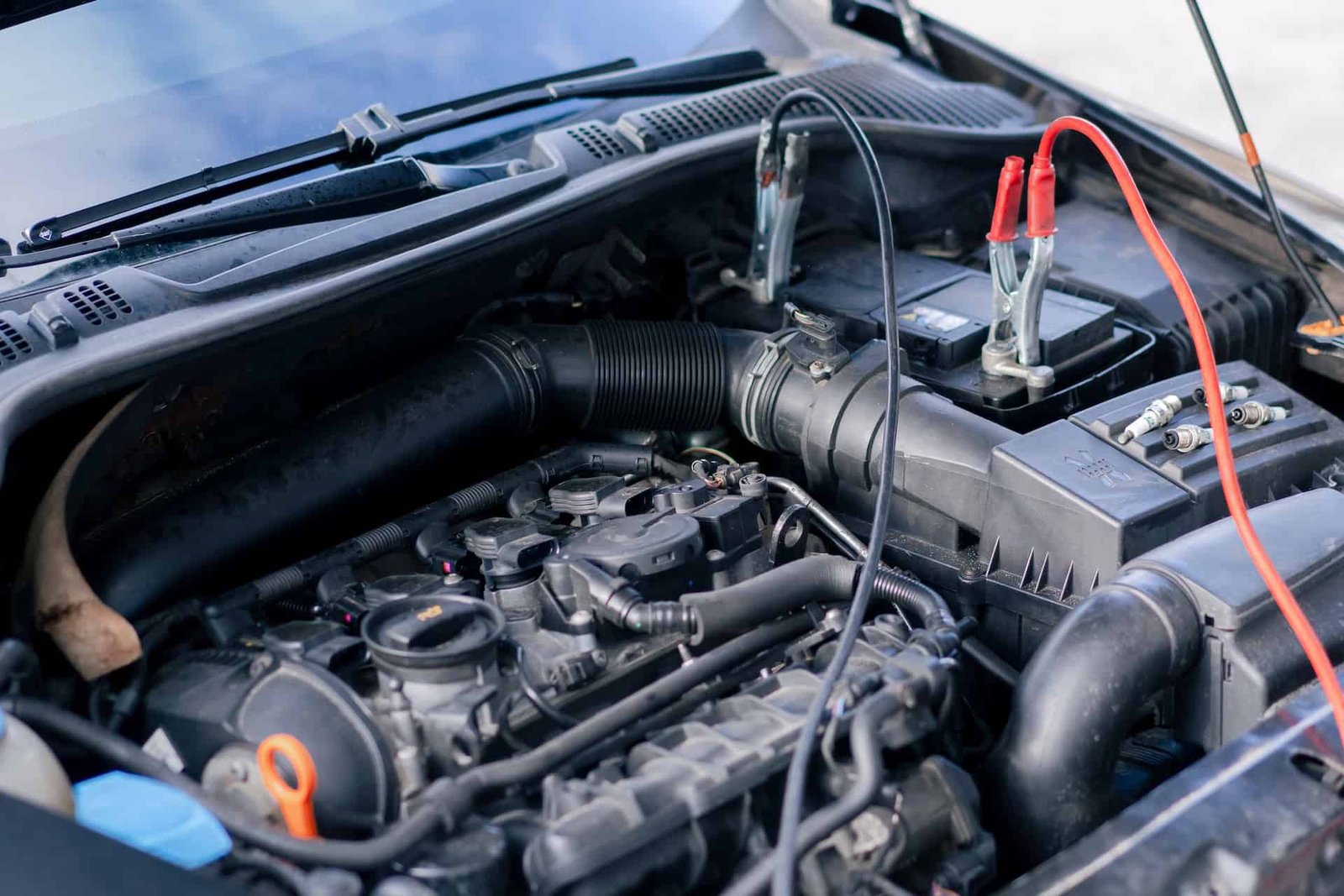
Before you touch any wires or components, always disconnect the battery. This is the most important safety rule.
How To Safely Disconnect The Battery
- Turn off the ignition and remove the key.
- Open the hood and locate the battery.
- Using a wrench, loosen the negative terminal (usually marked with “–” or black).
- Remove the negative cable and secure it away from the battery.
- Repeat for the positive terminal (“+” or red) if needed.
Always remove the negative terminal first. If you remove the positive first and your tool touches the car’s metal frame, you could cause a short circuit.
Understanding Car Electrical System Basics
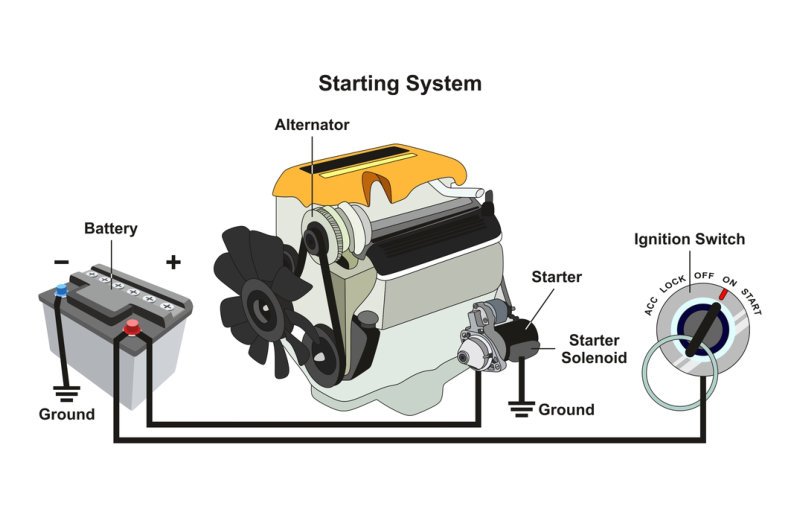
You don’t need to be an engineer, but knowing the main parts helps you avoid mistakes. Here’s a quick overview:
| Component | Main Function | Typical Voltage |
|---|---|---|
| Battery | Stores energy to start the car | 12V |
| Alternator | Charges the battery while running | 13.5–14.5V |
| Starter Motor | Turns the engine to start | 12V (high current) |
| Fuses | Protect circuits from overload | Varies |
| Relays | Switch high current with low power | 12V |
| Wiring Harness | Carries power and signals | 12V/varies |
Most common car systems run on 12 volts, which is generally safe. However, some hybrid or electric vehicles use high-voltage systems (up to 400V or more). Never attempt repairs on these unless you have special training.
Using The Right Tools
The right tools make work safer and easier. Here’s what you should have:
- Digital multimeter: Checks voltage, current, and resistance.
- Wire strippers and crimpers: For clean, safe connections.
- Insulated screwdrivers and pliers: Reduce shock risk.
- Test light: Quickly checks for power at a terminal.
- Heat shrink tubing and electrical tape: For sealing connections.
- Soldering iron: For permanent, reliable wire joins.
A digital multimeter is especially important. It helps you test circuits before and after repair, so you know if things are safe to touch.
Step-by-step: Safe Electrical Work On Your Car
Let’s go through the main steps you should follow for any electrical repair or upgrade.
1. Identify The Problem
Start with a clear diagnosis. Are you fixing a dead light, a blown fuse, or something else? Use the car’s manual to locate the right circuit and fuse box.
2. Gather Your Tools And Parts
Assemble everything you need before starting. Double-check that you have the right size fuses, connectors, or bulbs.
3. Disconnect The Battery
This step is so important, it’s worth repeating. Always disconnect the battery before touching wires.
4. Inspect And Plan
Look for signs of damage, such as:
- Melted insulation
- Corroded connectors
- Broken wires
- Burned fuses
Make a plan. Decide if you need to replace or repair, and note the colors and routing of wires.
5. Make The Repair
- Use wire strippers to remove just enough insulation.
- Twist wires together neatly or use proper crimp connectors.
- If soldering, heat the wires, not the solder—this ensures a strong bond.
- Cover all joins with heat shrink tubing or electrical tape.
Never twist wires together and leave them exposed. This causes future shorts or fires.
6. Double-check Everything
Before reconnecting the battery, check:
- All connections are tight and insulated
- No tools are left inside the engine bay
- Fuses are the correct rating
7. Test The System
Reconnect the battery’s positive terminal first, then the negative. Turn on the car and test your repair. Watch for warning lights or unusual behavior.
Common Mistakes And How To Avoid Them
Even experienced DIYers make mistakes. Here’s what to watch out for:
- Skipping the battery disconnect: This is the number one cause of accidental shorts and shocks.
- Using the wrong fuse rating: Always match the original fuse’s rating. Too high is dangerous.
- Leaving bare wires exposed: Always cover exposed copper with tape or tubing.
- Not labeling wires: If you remove several wires, label them. Mixing them up can cause bigger problems.
- Ignoring corrosion: Rust or green buildup on connectors increases resistance and can cause overheating.
- Forgetting to check for codes: Many cars store error codes when a fault occurs. Use a code reader if your dashboard shows warning lights.
Many beginners forget to check the ground connections. A loose or rusty ground will cause strange electrical problems that are hard to trace.
Advanced Safety Tips For Modern Cars
Cars with advanced electronics (like hybrids, EVs, or cars with many sensors) need extra care.
- Avoid working near airbag wiring (usually yellow connectors)—accidental deployment can cause injury.
- Some vehicles use CAN bus systems. Damaging these wires can disable the whole car.
- For hybrids and EVs, never touch orange cables. These are high voltage and can be fatal.
- If you’re unsure, consult your car’s manual or a professional.
Real-world Example: Fixing A Blown Headlight
Let’s walk through a common repair—replacing a blown headlight bulb—using safe steps:
- Turn off the car and disconnect the battery.
- Remove the headlight housing (usually held by clips or screws).
- Unplug the electrical connector from the old bulb.
- Remove the bulb, being careful not to touch the glass of the new one.
- Plug in the new bulb and reassemble the housing.
- Reconnect the battery and test the light.
This simple repair shows how disconnecting power and using insulated tools keeps you safe.
Comparing Fuse Types And Their Uses
Different cars use different types of fuses. Here’s a quick comparison:
| Fuse Type | Shape | Common Uses | Replacement Difficulty |
|---|---|---|---|
| Blade (ATO/ATC) | Flat, two-prong | Most modern cars | Easy |
| Glass Tube | Cylindrical | Older vehicles | Medium |
| Ceramic | Round, solid | European cars | Medium |
Always carry a few spare fuses in your glove box, matched to your car’s requirements.
Testing For Power Safely
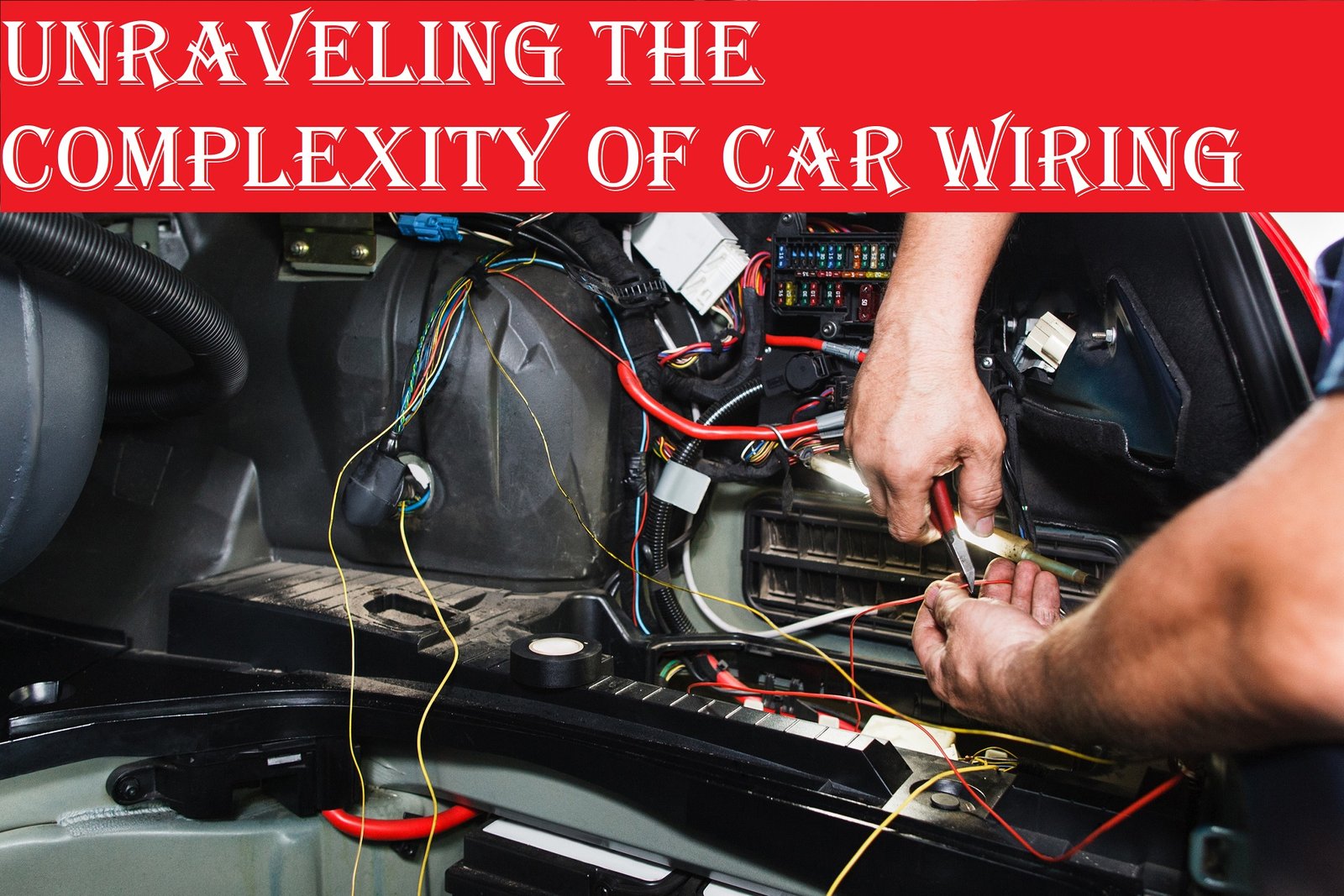
Checking for power in a circuit can be risky if you’re not careful. Here’s how to do it:
- Use a test light or multimeter. Never use random wires or poke with metal objects.
- Connect the ground lead to a solid metal part of the car.
- Probe the circuit gently with the test lead.
- Read the voltage—12V means power is present.
If you see sparks or burning smells, stop immediately. Double-check your connections before continuing.
Credit: www.vannyorktoyota.com
Tips For Soldering And Insulating Wires
Soldering gives a strong, reliable connection, but only if done correctly.
- Work in a well-ventilated area—solder fumes are harmful.
- Heat the wires, not just the solder.
- Use heat shrink tubing before soldering so you can slide it over the join.
- Don’t overheat wires; this can melt insulation.
If you’re not confident, use quality crimp connectors instead. They are safer for beginners and less likely to fail.
When To Call A Professional
Some jobs are best left to experts. Here’s when to seek help:
- Airbag, ABS, or high-voltage repairs
- Repeated blown fuses with no clear cause
- Electrical fire or melted wires
- Modern cars with advanced computer systems
Professional mechanics have the right tools and training for complex or dangerous tasks. Trying these repairs yourself can void warranties or cause expensive damage.
For more details on car electrical safety, consider checking the Automobile Electrical System page on Wikipedia.
Credit: autorepairsandrecovery.co.uk
Frequently Asked Questions
What Is The Most Important Safety Rule When Working On Car Electrical Systems?
The most important rule is to disconnect the battery before doing any work. This prevents accidental shocks, shorts, and damage to electronics.
Can I Work On Car Electrical Systems Without Any Training?
You can handle basic tasks like replacing fuses or bulbs if you follow safety steps. For complex repairs—especially in modern cars—it’s better to get professional help.
What Should I Do If I See Sparks Or Smell Burning When Working?
Stop immediately. Disconnect the battery, check all connections, and look for melted wires or burned insulation. If the problem is serious, contact a professional.
How Do I Know Which Fuse To Use?
Check your car’s manual or the fuse box cover. Always use a fuse with the same rating (e.g., 10A, 15A) as the one you remove.
Are Car Batteries Dangerous?
Normal car batteries are 12V, but they can still cause burns or explosions if handled incorrectly. Always wear safety gear, disconnect the negative terminal first, and keep sparks away from the battery.
Working safely on your car’s electrical system is about knowledge, preparation, and respect for the risks. With the tips above, you can tackle simple jobs with confidence. Remember, when in doubt, ask a professional—your safety and your car’s health are always worth it.