
If your car has a timing belt, checking its condition is one of the most important things you can do to keep your engine healthy. The timing belt controls the movement of your engine’s valves, making sure they open and close at the right time. If it breaks or slips, your car can stop suddenly, and the engine might suffer serious damage. Many drivers don’t know how to check this part, or they wait until it’s too late. Understanding how to inspect your timing belt and knowing when to replace it can save you money, stress, and even prevent accidents.
Let’s walk through everything you need to know—how to check your car’s timing belt, signs of wear, tools you’ll need, and practical advice to keep your engine running smoothly. Even if you’re not a mechanic, you can learn to do a basic check and make better decisions about maintenance.
What Is A Timing Belt And Why It Matters
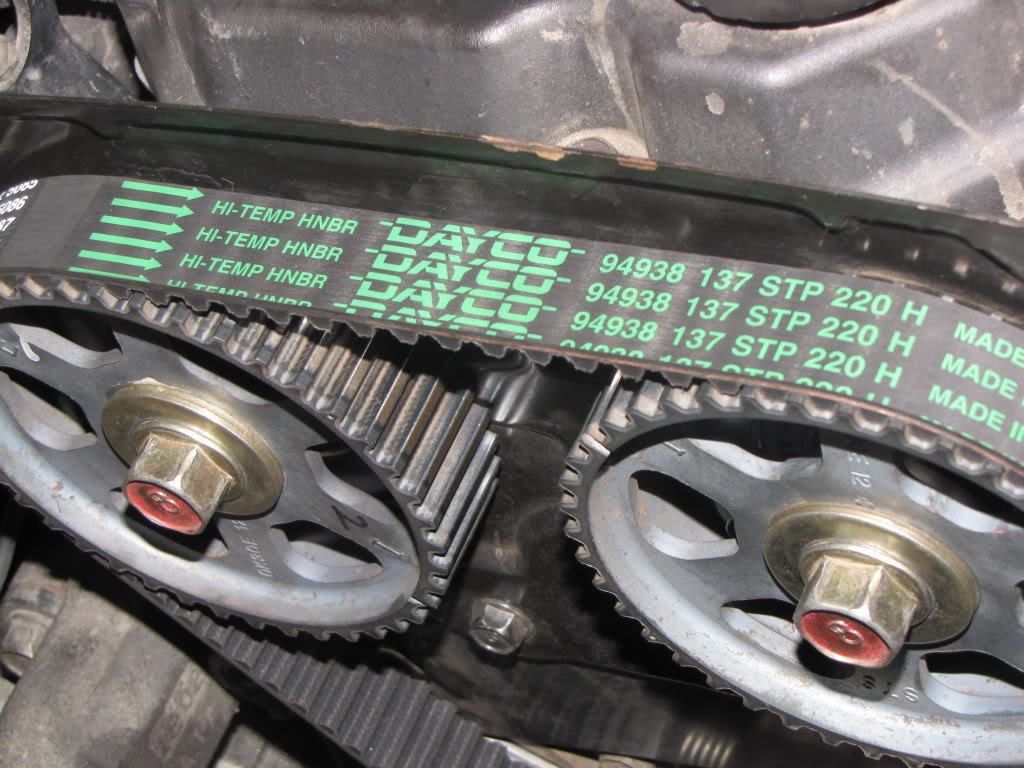
The timing belt is a strong rubber belt, often with teeth, that connects your engine’s crankshaft to its camshaft. It keeps the engine’s valves and pistons moving in harmony. If the timing belt fails, the engine’s internal parts can collide, causing expensive damage. Some engines use timing chains instead, which last longer but need their own checks.
You’ll find timing belts in many cars, especially those made before 2010. Newer cars often use chains, but plenty of vehicles still rely on belts. Most manufacturers recommend changing the belt every 60,000 to 100,000 miles, but the exact interval can vary.
Signs Your Timing Belt Might Be Worn
You don’t always need to remove the belt to spot problems. Some symptoms can warn you before the belt breaks:
- Engine misfires – If the belt slips, your engine may misfire or run unevenly.
- Ticking noises – A worn belt can make a ticking or clicking sound, especially when the engine is idling.
- Difficulty starting – If your car struggles to start, the belt may be failing.
- Oil leaks – Oil leaking from the front of the engine can mean the belt cover or nearby seals are damaged.
- Loss of power – A slipping belt can cause the engine to lose power.
- Vibration – Unusual vibration can signal timing issues.
These symptoms don’t always mean the belt is bad, but they are good reasons to check it soon.
Tools And Materials You Need
You don’t need advanced tools for a basic check, but having the right equipment makes the job safer and easier:
- Flashlight – For clear visibility inside the engine compartment.
- Socket set – To remove covers and bolts.
- Screwdrivers – For prying and removing screws.
- Gloves – Protect your hands from sharp edges and dirt.
- Owner’s manual – To find the belt location and specifications.
If you plan to replace the belt, you’ll need more specialized tools. For a simple inspection, these basics are enough.
Locating The Timing Belt
Finding the timing belt is the first step. In most cars, it sits behind a protective cover near the front of the engine. The cover is usually plastic or metal, secured with bolts or screws.
Check your owner’s manual for your car’s engine layout. Most front-wheel drive cars have the belt on the side of the engine; rear-wheel drive cars often have it at the front. Older engines may require more disassembly.
Steps To Check The Timing Belt Condition
Let’s go through a practical, step-by-step method to check the belt:
1. Turn Off The Engine And Let It Cool
Always start with a cool engine. Hot parts can burn your hands, and belts are easier to inspect when cold.
2. Remove Engine Covers
Open the hood, find the timing belt cover, and use your socket set or screwdrivers to remove it. Be gentle—plastic covers can crack.
3. Inspect The Belt Surface
Look closely at the belt’s surface. You’re checking for:
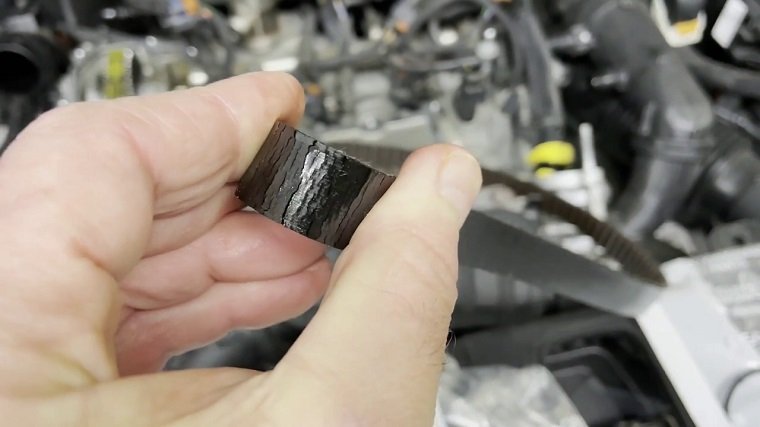
- Cracks – Small cracks are a sign of age. If you see many, the belt needs replacement.
- Missing teeth – The belt should have evenly spaced teeth. Missing teeth mean it’s unsafe.
- Shiny/glazed appearance – A belt that looks shiny or polished may be slipping.
- Fraying or splitting – The edges should be clean, not fuzzy or split.
4. Check For Oil Or Debris
If you see oil on the belt, there’s likely a leak in the engine. Oil weakens rubber and can cause the belt to fail early. Clean debris is normal, but heavy buildup means the belt is working too hard.
5. Feel The Belt Tension
Use your fingers to gently press the belt. It should feel tight, not loose. Too much slack means the belt may skip or slip. If it’s hard to press, it may be too tight. Both extremes are risky.
6. Rotate The Engine (optional)
If you want a deeper check, use a wrench to turn the crankshaft pulley. This rotates the engine and lets you inspect more of the belt. Never use the starter motor to rotate the engine during inspection.
7. Reassemble And Record Your Findings
Replace the cover and write down your observations. Record any signs of wear, so you can track them over time.
Comparing Timing Belt Vs. Timing Chain
Many drivers confuse timing belts and timing chains. Here’s a quick comparison:
| Aspect | Timing Belt | Timing Chain |
|---|---|---|
| Material | Rubber with teeth | Metal chain |
| Typical lifespan | 60,000–100,000 miles | 150,000–200,000 miles |
| Noise | Quiet | Louder |
| Replacement cost | Lower | Higher |
| Failure risk | Sudden, catastrophic | Gradual, often with warning |
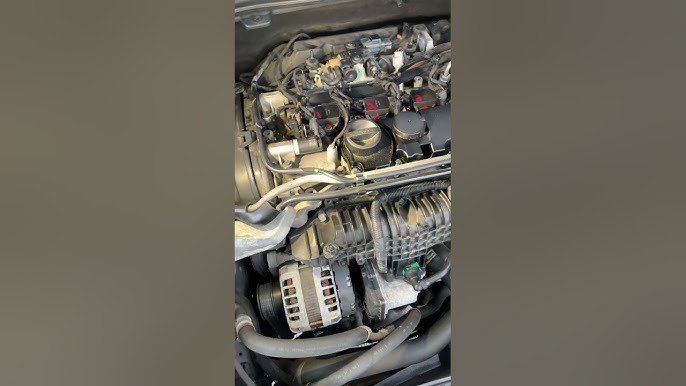
Knowing which your car uses is important. Timing belts need regular replacement, while chains usually last longer but can fail if neglected.
Credit: m.youtube.com
When Should You Replace The Timing Belt?
Even if your belt looks good, replace it at the interval recommended by your car’s manufacturer. This interval is usually:
- Every 60,000 to 100,000 miles (96,000 to 160,000 km)
- Every 5 to 7 years, even if mileage is low
Older belts can fail from age, not just use. If you buy a used car, ask for maintenance records. If the belt’s history is unknown, replace it soon.
Common Mistakes When Checking The Timing Belt
Many car owners make errors during inspection. Here are some you should avoid:
- Ignoring minor cracks – Small cracks can grow quickly. It’s better to replace early.
- Not checking tension – Loose belts can slip, but many skip this check.
- Missing oil leaks – Oil can destroy belts fast. Always check for leaks.
- Forgetting to record findings – Tracking changes over time helps you spot early problems.
- Assuming visual checks are enough – Some belts fail internally, with no visible signs. Stick to the recommended interval.
How Professional Mechanics Inspect Timing Belts
Mechanics often use more advanced tools and techniques. They may:
- Use inspection mirrors to see hard-to-reach areas
- Measure belt tension with special tools
- Inspect pulleys and tensioners for wear
- Check for noisy operation with a stethoscope
- Use diagnostic computers for engine timing checks
Their inspections are more thorough, but you can do a basic check yourself and decide when to visit a professional.
Real-world Examples
Consider this: A 2010 Honda Civic owner ignored timing belt checks, trusting the car’s smooth operation. At 85,000 miles, the belt snapped, causing valve damage and a repair bill over $1,500. In contrast, a Toyota Corolla owner checked and replaced the belt at 70,000 miles, spending only $400 on parts and labor.
According to AAA, timing belt failure is one of the leading causes of roadside breakdowns in vehicles over 5 years old. Regular checks can prevent these costly surprises.
Credit: www.ogsmechanics.com
Quick Reference: Timing Belt Inspection Checklist
Here’s a summary you can use during your next inspection:
- Turn off engine and let it cool
- Remove timing belt cover
- Look for cracks, missing teeth, glazing, fraying
- Check for oil leaks or heavy debris
- Feel belt tension
- Rotate engine for deeper check (optional)
- Record findings and reassemble
Timing Belt Replacement Cost Comparison
If you decide to replace the belt, here’s how costs compare across popular cars:
| Car Model | Timing Belt Replacement Cost | Recommended Interval |
|---|---|---|
| Honda Civic | $400–$600 | 60,000–100,000 miles |
| Toyota Corolla | $350–$500 | 70,000–90,000 miles |
| Subaru Outback | $500–$800 | 75,000–105,000 miles |
| Ford Focus | $400–$700 | 60,000–100,000 miles |
Prices depend on labor rates and parts. Some cars require more work to reach the belt, raising costs.
Two Non-obvious Insights For Beginners
- Rubber ages even without use: If you drive very little, the belt still ages. Sunlight, heat, and time weaken rubber, so change it by age as well as mileage.
- Tensioners and pulleys often fail first: When replacing the belt, always check or replace the tensioner and pulleys. A bad tensioner can cause a new belt to fail quickly.
Should You Check The Timing Belt Yourself Or Visit A Mechanic?
If you’re comfortable with basic tools and know your way around the engine bay, a simple visual check is safe. But if you see damage, leaks, or feel unsure, visit a professional. Timing belt replacement is complex and needs experience.
Mistakes can cause engine damage.
Recommended Resources For Further Learning
For more technical details and official guidance, visit this Wikipedia Timing Belt page. It covers belt design, history, and maintenance tips from experts.
Frequently Asked Questions
How Often Should I Check My Timing Belt?
Check the timing belt every 12,000 miles or once a year. Regular checks help spot problems early, but always follow your car’s maintenance schedule.
Can I Drive With A Damaged Timing Belt?
No, driving with a damaged timing belt is risky. The belt can break suddenly, causing engine damage and leaving you stranded.
What Happens If The Timing Belt Breaks?
If the timing belt breaks, engine valves and pistons can collide. This causes expensive damage, often requiring a full engine rebuild.
Is A Timing Belt Inspection Expensive?
A basic inspection costs little if you do it yourself. A mechanic may charge $50–$100 for a full inspection, depending on the car and labor rates.
What’s The Difference Between Timing Belt And Timing Chain Maintenance?
Timing belts need regular replacement, usually every 60,000–100,000 miles. Timing chains last longer but require oil changes and occasional checks for wear.
Checking your car’s timing belt is a smart habit that protects your engine and saves money. With these steps and tips, you’ll feel more confident about your car’s health and know when to take action. Don’t wait until it’s too late—regular inspection and timely replacement are the keys to a reliable vehicle.
Credit: www.onallcylinders.com