
If your car’s paint looks dull, patchy, or faded, you’re not alone. Sunlight, weather, and time can steal the shine from even the best factory finish. Repainting a car professionally can cost thousands, but you can restore faded paint yourself with the right steps. DIY car paint restoration is not only budget-friendly—it’s surprisingly satisfying, and you don’t need advanced skills to get good results. With some patience, basic products, and a bit of elbow grease, your car can look years younger.
This guide will help you understand what causes paint fading, how to assess the damage, and how to revive your car’s color and shine step by step. You’ll also learn about tools, products, common mistakes, and how to keep your paint looking fresh for longer.
Let’s bring back that showroom sparkle—without breaking the bank.
Why Car Paint Fades
Before you start fixing anything, it’s good to know why car paint fades. Most fading happens because of UV rays from sunlight, which break down the top clear coat and pigments. However, other factors also play a role:
- Oxidation: Air and moisture react with the paint, making it look chalky or cloudy.
- Pollution: Dirt, acid rain, and road salt eat away at the finish.
- Improper washing: Using harsh chemicals or rough sponges can scratch and dull the surface.
- Age: Even the best paint loses gloss after 5-10 years if not well cared for.
Understanding the cause helps you choose the right solution and prevent future fading.
Assessing The Paint Damage
Not all faded paint is the same. Some cars have only light surface oxidation, while others show deep color loss or peeling clear coat. Take a close look at your car under bright light and ask:
- Does the paint look dull but smooth? (Likely light oxidation)
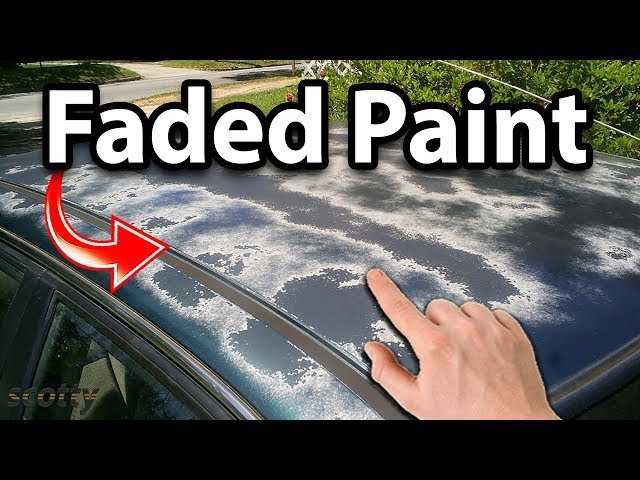
- Is it rough, chalky, or powdery to the touch? (Medium to heavy oxidation)
- Are there patches where the clear coat is flaking off? (Clear coat failure)
If the clear coat is peeling, DIY fixes can improve things, but a full repaint is the only permanent solution. For most faded paint, though, you can get great results at home.
What You Need: Tools And Products
You don’t need a garage full of pro equipment, but a few essential tools and products make all the difference:
- Car wash soap and buckets
- Microfiber towels (at least 5)
- Clay bar kit (removes surface contaminants)
- Polishing compound (for removing oxidation)
- Car polish (restores gloss)
- Dual-action orbital polisher (optional, speeds up work)
- Foam or microfiber applicator pads
- High-quality car wax or sealant
- Masking tape (protects trim)
- Latex or nitrile gloves (protects your hands)
If you’re missing an orbital polisher, you can work by hand. It just takes more effort.
Step-by-step Diy Paint Restoration
Restoring faded paint is about removing oxidation, smoothing the surface, and protecting your work. Here’s the process:
1. Thorough Wash
Start with a deep clean. Use car wash soap (never dish soap, which strips wax) and rinse off all dirt. Wash from the top down and dry with a microfiber towel. Even small bits of dirt can scratch the paint in later steps.
2. Clay Bar Treatment
A clay bar pulls embedded dirt, tree sap, and road grime from the paint. Lubricate with the spray provided in the kit, and gently rub the bar over the surface in straight lines. You’ll feel the paint become smoother as you work. Wipe dry with a clean towel.
3. Mask Off Trim
Use masking tape to cover rubber, plastic, and emblems. This keeps polish and compound from staining or damaging these areas.
4. Apply Polishing Compound
This is where the magic happens. A polishing compound gently removes the oxidized, faded layer and exposes fresher paint underneath. Apply a small amount to an applicator pad or the pad of your orbital polisher.
- Work in 2×2 foot sections.
- Rub in straight, overlapping lines. If using a polisher, use low to medium speed.
- Wipe off residue with a clean microfiber towel.
- Repeat if necessary, but don’t overdo it—too much pressure or repeated passes can thin the paint.
5. Polish For Gloss
After compounding, use a car polish to refine the surface and boost shine. Apply as above, but with less pressure. This step makes the paint look deep and wet.
6. Wax Or Sealant Protection
Finish with a layer of wax or sealant. This locks in shine and shields against future fading. Apply with a fresh pad, let it haze, then buff off with a microfiber towel.
7. Final Inspection
Look at the paint from different angles in sunlight. If some spots still look dull, repeat polishing lightly. Avoid overworking any area.
Credit: www.youtube.com
When To Use A Machine Polisher
A dual-action orbital polisher isn’t required, but it gives faster, more even results—especially on large, flat panels. Beginners often worry about damaging the paint, but these polishers are designed to be safe. Just keep the pad moving and don’t use heavy pressure.
Hand polishing works fine for small areas or spot repairs, but you’ll need more time and energy.
Diy Vs. Professional Restoration
Is it worth doing yourself, or should you pay for pro detailing? Consider these factors:
| Factor | DIY Restoration | Professional Service |
|---|---|---|
| Cost | $50-$150 for products | $200-$600 or more |
| Time Required | 4-8 hours | 1-2 hours (for you) |
| Results | Good to excellent (with care) | Professional, consistent |
| Learning Curve | Beginner-friendly, some practice needed | Handled by experts |
If your paint is only lightly faded, DIY restoration can give results nearly as good as a pro for a fraction of the price.
Common Mistakes To Avoid
Many beginners make errors that reduce results or even damage the paint. Here are the most frequent:
- Skipping surface prep: Not washing or claying the car first means you’ll rub dirt into the paint, causing scratches.
- Using household cleaners: Dish soap and bathroom cleaners strip wax and can dull the finish.
- Over-polishing: Too much compound or hard pressure can remove paint, especially on older cars.
- Ignoring trim: Polish and compound can stain black plastic and rubber. Always mask off these areas.
- Polishing in direct sunlight: Heat dries products too quickly and can cause streaks or spots.
Take your time, follow the steps, and you’ll avoid these pitfalls.
Choosing The Right Products
Not all compounds, polishes, and waxes are equal. Choose products suited for automotive finishes and your car’s paint type (clear coat, single stage, etc.).
| Product Type | Purpose | Recommended Use |
|---|---|---|
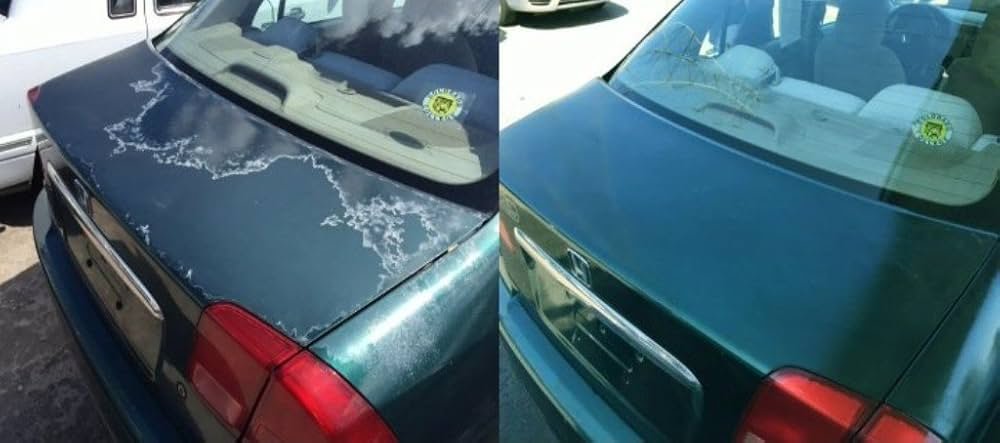
| Polishing Compound | Removes oxidation and light scratches | Faded paint, minor swirl marks |
| Car Polish | Refines and enhances gloss | After compounding, before waxing |
| Car Wax/Sealant | Protects and adds shine | Final step, every 2-3 months |
Look for trusted brands and check reviews. Many auto shops offer starter kits for beginners.
Credit: www.amazon.com
Realistic Expectations
Paint restoration can work wonders, but it has limits:
- Light to moderate fading: Most color and shine can be restored.
- Heavy oxidation or peeling clear coat: You can improve appearance, but not make it perfect.
- Deep scratches or bare metal: Only repainting can fix these.
If your car is over 15 years old or parked outside all year, some fading is normal. See this as a way to make it look its best—not as a miracle cure.
Maintenance Tips To Keep Paint Looking Good
After you’ve revived your car’s paint, protect your investment with simple habits:
- Wash regularly: Use gentle soap and soft towels.
- Wax every few months: This keeps UV rays out and prevents fading.
- Park in shade or use a cover: Reduces sun damage.
- Clean bird droppings and sap quickly: These can burn into paint if left too long.
- Avoid automatic car washes: The brushes can scratch and dull the finish.
These steps add years to your restoration and make future touch-ups easier.
Advanced Tips Most Beginners Miss
Many guides skip these, but they make a real difference:
- Work in cool, shaded conditions: Heat makes products dry too fast and can cause streaks.
- Use proper lighting: Inspect your work with a bright LED or sunlight to spot missed areas.
- Replace microfiber towels often: Old towels can pick up grit and scratch the paint.
Also, don’t be afraid to practice on a small area first—like the lower part of a door—before tackling the whole car.
How Long Does Diy Paint Restoration Last?
Results depend on your climate, storage, and maintenance. With good waxing and care, restored paint can look vibrant for 6-12 months or longer. You can repeat the process once or twice a year if needed—just avoid over-polishing the same spot.
Some enthusiasts restore their cars every spring, keeping them looking sharp for decades.
Credit: www.amazon.com
When To Call A Professional
If the clear coat is peeling, or you see rust, dents, or deep scratches, a professional body shop may be needed. They have specialized tools and paints for these repairs. Sometimes, a combination works best: fix the worst spots professionally, then DIY the rest.
For more information on paint types and car finishes, you can visit the Automotive Paint Wikipedia page.
Frequently Asked Questions
How Long Does It Take To Restore Faded Car Paint?
For most cars, a full DIY restoration takes 4 to 8 hours, depending on size and how faded the paint is. Working carefully and not rushing gives the best results.
Can I Restore Paint Without A Machine Polisher?
Yes, you can work by hand using foam or microfiber pads. It takes more time and energy, but you can still get good results, especially on smaller areas.
Will Paint Restoration Fix Scratches And Chips?
Light scratches and swirl marks can often be polished out. But deep scratches and paint chips need touch-up paint or professional repair.
Is It Safe To Use Toothpaste To Polish Car Paint?
Toothpaste is abrasive and can remove minor marks, but it’s not designed for auto paint. It’s better to use products made for cars to avoid uneven results or damage.
How Do I Know If My Clear Coat Is Beyond Repair?
If the clear coat is peeling, flaking, or bubbling, DIY restoration can’t fix it fully. These areas need sanding and repainting by a pro for a lasting repair.
Restoring faded car paint yourself is rewarding and can save you a lot of money. With patience, the right tools, and good technique, you can make your car shine again—often in a single weekend.