
Mounting a car winch on your truck bumper can change how you handle tough terrain, muddy paths, or recovery situations. A winch is more than an off-road accessory; it’s a safety tool that can pull your truck out of trouble when nothing else works.
Whether you’re a weekend adventurer or someone who drives in unpredictable environments, knowing how to install a car winch on a truck bumper is a practical skill that can give you more control over your journeys.
Many beginners think winch installation is only for mechanics or specialists. The truth is, with the right tools, careful planning, and attention to detail, most truck owners can do this themselves. But it’s not just about bolting the winch to your bumper and connecting wires.
You need to make smart choices at every step to ensure safety, performance, and reliability. Let’s walk through everything you need to know, from preparation to those final checks.
Why Install A Winch On Your Truck?
A car winch is a device that uses a strong cable or rope and an electric or hydraulic motor to pull heavy objects. Mounted on your truck bumper, a winch can help you:
- Recover your vehicle if it gets stuck in mud, snow, or sand.
- Assist other vehicles that are stuck.
- Move heavy objects like logs or rocks blocking your path.
For many off-road drivers and workers in remote areas, a winch is not just helpful—it’s essential. Statistics from the Off-Road Safety Association show that over 60% of self-recovery actions in off-road incidents rely on winches. Having one can mean the difference between a quick recovery and hours waiting for help.
Understanding Winch Types And Truck Bumpers
Choosing the right winch and bumper is the first critical step. Not all winches or bumpers are compatible. Here’s what you need to know:
Types Of Winches
- Electric Winches: Use your truck’s battery for power. These are popular for personal vehicles.
- Hydraulic Winches: Run off your truck’s power steering pump. Often used for heavy-duty, commercial vehicles.
Most truck owners use electric winches because they are easier to install and maintain.
Bumper Compatibility
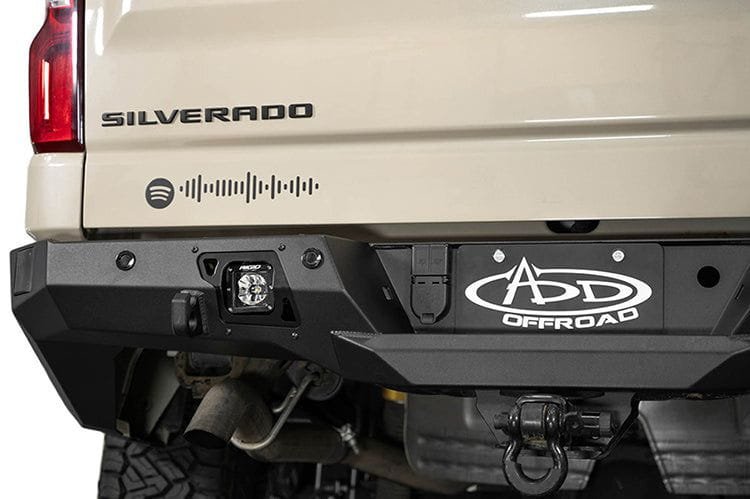
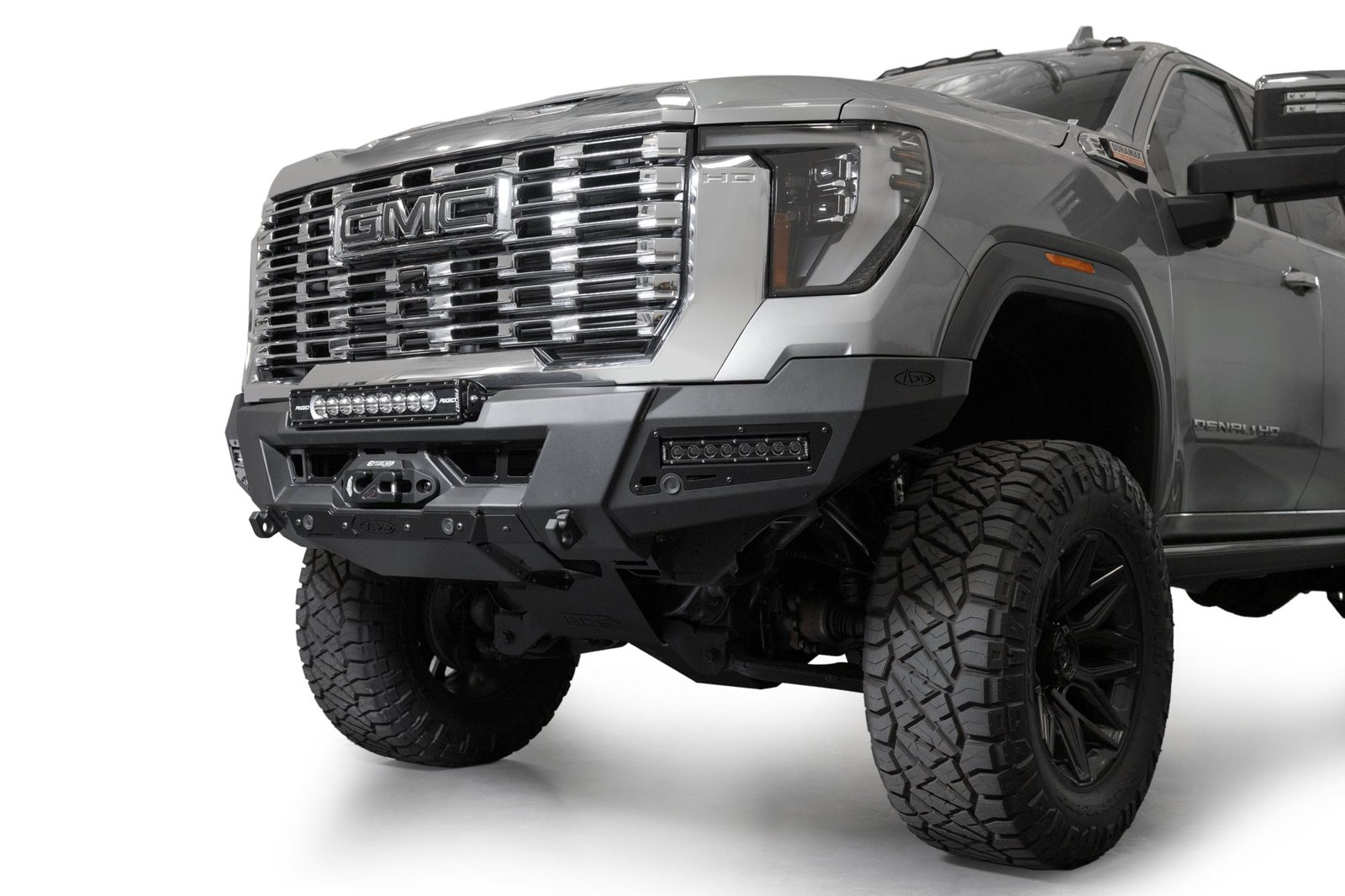
Not every bumper can hold a winch. You need a winch-ready bumper or a winch mounting plate. Standard bumpers often lack the strength or mounting holes required.
Check your bumper’s specifications. The bumper (or mounting plate) must support the rated line pull of your winch. For example, a winch rated at 12,000 lbs needs a bumper that can handle at least that much force.
Winch Capacity
How strong should your winch be? The general rule: your winch should have a pulling capacity of at least 1.5 times the Gross Vehicle Weight Rating (GVWR) of your truck.
For example, if your truck’s GVWR is 6,000 lbs:
6,000 x 1. 5 = 9,000 lbs minimum winch capacity.
Example: Compatibility Table
Here’s a quick look at how different winches might pair with truck sizes:
| Truck Type | Winch Capacity | Bumper Type |
|---|---|---|
| Mid-size Pickup | 8,000–10,000 lbs | Winch-ready steel |
| Full-size Pickup | 10,000–12,000 lbs | Heavy-duty steel or aluminum |
| Heavy-duty Truck | 12,000–16,500 lbs | Reinforced steel |
Tools And Materials You Will Need
Before you start, gather all the tools and materials. Missing items can cause delays or mistakes.
Essential Tools
- Socket set and wrenches (metric and standard)
- Screwdrivers (Phillips and flathead)
- Drill and metal drill bits (if holes need to be made)
- Torque wrench (for precise tightening)
- Wire cutters/strippers
- Pry bar (if removing old bumper)
- Measuring tape
- Safety glasses and gloves
Materials
- Winch kit (with mounting hardware and remote)
- Winch mounting plate (if not included)
- Heavy-gauge power cables
- Battery terminal connectors
- Cable ties and electrical tape
- Anti-corrosion spray or grease
Having all these ready saves time and reduces stress during installation.
Preparing Your Truck
Proper preparation makes installation safer and smoother. Many people skip these steps, leading to problems later.
- Park on a flat, stable surface. Engage the parking brake and disconnect the battery to avoid electrical shorts.
- Remove the existing bumper (if necessary). Some winch-ready bumpers replace the factory bumper.
- Check for rust or damage on the mounting points. Fix these before you begin.
- Lay out all the parts and read the winch and bumper manuals. Each manufacturer may have special instructions.
Credit: www.bumperonly.com
Step-by-step Installation Process
Let’s break down the installation into clear steps. Take your time, and don’t rush—safety first.
1. Install The Winch Mounting Plate
If your bumper is not winch-ready, install a mounting plate:
- Position the plate on the frame rails.
- Align the bolt holes with the truck’s frame.
- Use grade 8 bolts for maximum strength.
- Torque bolts to the manufacturer’s specs.
Some bumpers have pre-drilled holes. If not, you may need to drill them—always measure twice before drilling.
2. Mount The Winch
- Place the winch onto the mounting plate or bumper.
- Insert mounting bolts through the winch base into the plate.
- Hand-tighten all bolts to ensure alignment.
- Torque bolts in a cross-pattern to the recommended setting.
Non-obvious tip: Double-check that the fairlead (the guide for your cable or rope) lines up perfectly with the winch drum. Misalignment can cause cable wear or jamming.
3. Install The Fairlead
- Attach the fairlead to the front of the bumper or mounting plate.
- If using synthetic rope, use a hawse fairlead (smooth, oval shape).
- If using steel cable, use a roller fairlead (with rollers).
Always make sure the fairlead matches your cable type, or damage may occur.
4. Route And Attach The Winch Cable Or Rope
- Feed the cable or rope through the fairlead.
- Attach the cable hook or stopper.
- Wind the cable onto the drum evenly, keeping tension so it doesn’t tangle.
Practical insight: Use gloves when handling steel cable—it can have sharp burrs.
5. Wiring The Winch
Wiring is a crucial step. Poor connections are a leading cause of winch failure.
- Route the positive (red) and negative (black) cables from the winch to your truck battery.
- Keep cables away from hot or moving parts.
- Attach the cables to the battery terminals: Positive to positive, negative to negative.
- Use cable ties to secure loose wires.
- If your winch has a control box, mount it in a dry, accessible location (often behind the grille or on top of the bumper).
Advanced tip: Some users add a winch isolator switch for extra safety. This cuts power to the winch when not in use.
6. Test The System
- Reconnect the battery.
- Turn on the winch using the remote.
- Test both “in” and “out” functions without a load.
- Listen for strange noises or check for unusual heat in the cables.
If you notice anything odd, turn off the system and check all connections.
7. Reinstall The Bumper And Finalize
- If you removed the bumper, reinstall it now.
- Double-check all bolts, cables, and alignments.
- Make sure the winch and fairlead are fully accessible.
Safety Checks And Common Mistakes
Many first-time installers make preventable errors. Here’s what to watch for:
- Over-tightening bolts: This can strip threads or break bolts. Use a torque wrench.
- Improper cable routing: Wires touching exhaust parts can melt and cause shorts.
- Forgetting to secure cables: Loose wires can get caught or damaged.
- Mismatched fairlead and cable: This quickly damages synthetic rope.
- Skipping battery upgrades: Large winches may require a stronger battery or upgraded alternator.
Before heading off-road, always check:
- Winch operation (in and out)
- Cable condition
- Remote function
- Battery voltage
Maintenance Tips For Your Winch
A winch is only helpful if it works when you need it. Here’s how to keep it ready:
- Inspect the cable or rope every month for frays, kinks, or damage.
- Keep the winch clean and free of mud, dirt, and road salt.
- Lubricate moving parts as recommended in your manual.
- Check electrical connections for corrosion or looseness.
- Test the winch before every trip, not just when you get stuck.
Cost, Time, And Difficulty Comparison
Installing a winch is a moderate project for most truck owners. Here’s how it stacks up:
| Factor | DIY Installation | Professional Installation |
|---|---|---|
| Average Cost | $0–$200 (tools & materials) | $200–$400 (labor only) |
| Time Needed | 2–4 hours | 1–2 hours |
| Skill Level | Intermediate DIY | Professional |
Most people can finish the job in an afternoon, but if you’re unsure about wiring or drilling, professional help is a good idea.
Credit: www.americantrucks.com
Real-world Example
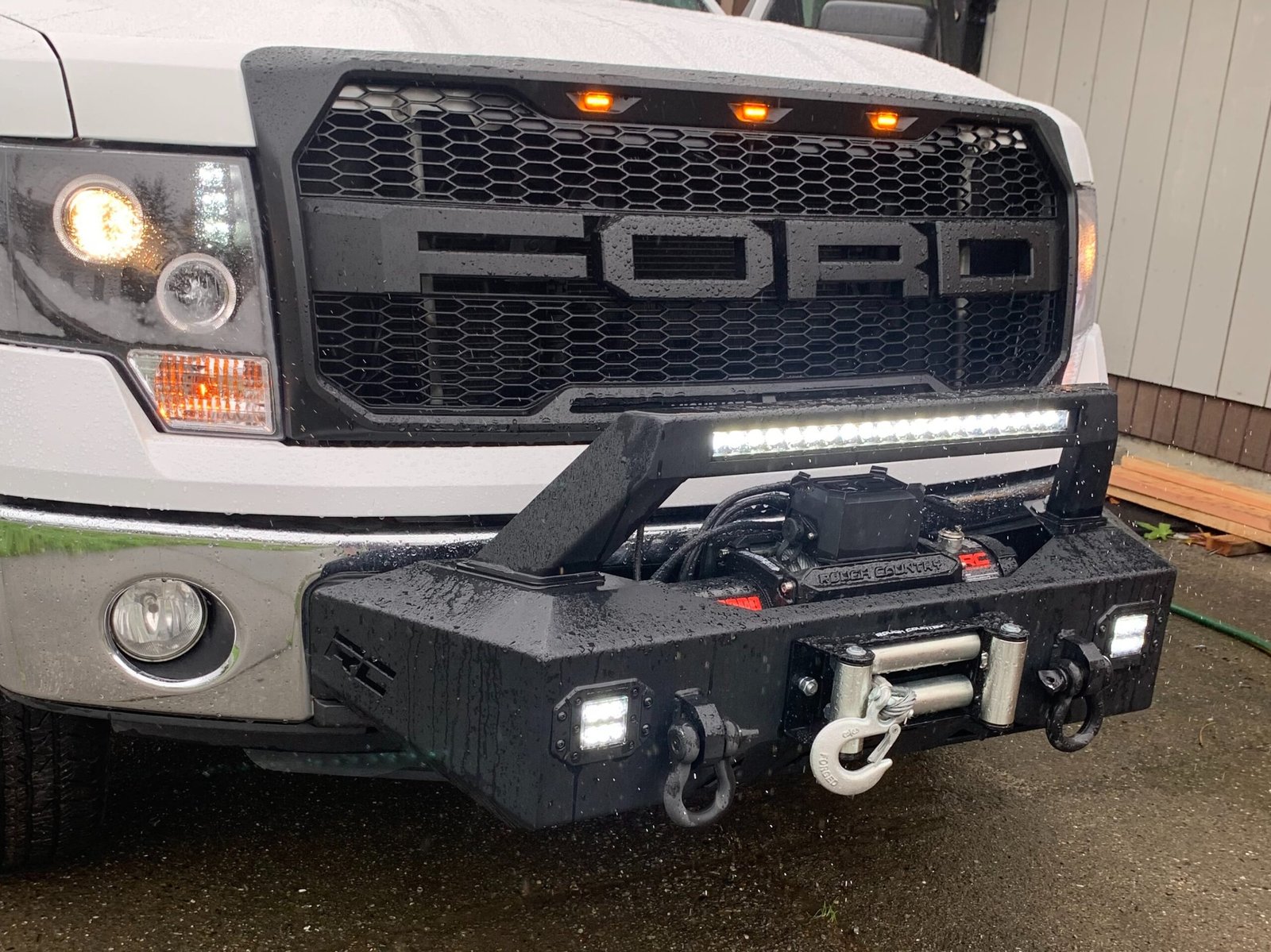
Let’s say you own a Ford F-150 (GVWR: 7,000 lbs). You choose a 10,000-lb electric winch and a winch-ready steel bumper. The process involves removing the factory bumper, mounting the plate, attaching the winch, routing cables, and testing the system. With careful preparation and the right tools, you can complete this installation in about 3 hours.
Useful Resources
For more in-depth visual guides, step-by-step videos, and safety tips, visit the Warn Industries Blog—a leading authority on winches and recovery gear.
Credit: www.addictivedesertdesigns.com
Frequently Asked Questions
How Do I Choose The Right Winch For My Truck?
Find your truck’s GVWR (Gross Vehicle Weight Rating) and multiply by 1.5. Pick a winch with at least that much pulling power. Check that your bumper is compatible and can handle the load.
Can I Install A Winch On A Stock Factory Bumper?
Most factory bumpers are not designed for winch mounting. You will usually need a winch-ready aftermarket bumper or a dedicated winch mounting plate.
Do I Need To Upgrade My Battery For A Winch?
Large winches (over 10,000 lbs) can draw a lot of power. If you use your winch often, consider a heavy-duty battery or even a dual battery setup.
Is A Synthetic Rope Or Steel Cable Better?
Synthetic rope is lighter and safer (it doesn’t store energy like steel), but it can be damaged by UV and abrasion. Steel cable is more durable but can be dangerous if it breaks. Match your choice to your needs.
How Often Should I Check Or Maintain My Winch?
Inspect your winch before every trip and at least monthly. Look for cable wear, loose bolts, and electrical problems. Regular checks keep your winch reliable.
—
Installing a car winch on your truck bumper is a rewarding project that can boost your vehicle’s capability and your confidence on and off the road. By planning carefully, using the right tools, and following every safety step, you’ll be ready for any recovery challenge ahead.