
Car stalling when you put it in gear can be both frustrating and dangerous. Imagine your car shutting off suddenly at a busy intersection or while pulling out of a parking lot. Not only does this make driving stressful, but it can also leave you stranded.
Fixing this problem is important for your safety and your car’s health. This guide will help you understand why cars stall when shifted into gear, the main causes, and practical solutions you can try—even if you’re not a car expert.
Why Cars Stall When Put In Gear
When you move the gear lever from Park or Neutral to Drive or Reverse, your engine has to work harder. It needs to keep spinning at the right speed, even with extra load from the transmission and wheels. If something is wrong, the engine might not handle this load and will stall (suddenly stop running).
This is a common issue for both manual and automatic cars, but the reasons can be different.
For example, a car might run perfectly fine in Park or Neutral but die immediately when put into gear. This is a strong signal that something is interfering with the engine’s ability to handle more stress. Common signs include the engine shaking, dashboard lights flickering, or hearing a sudden “click” or “clunk” right before the stall.
Common Causes Of Car Stalling In Gear
Understanding what causes stalling is the first step toward fixing it. Here are the most frequent reasons:
- Faulty Idle Air Control Valve (IACV): This part helps your engine adjust its idle speed. If it gets dirty or fails, your car can’t keep running when put in gear.
- Vacuum Leaks: Hoses and gaskets in your engine can crack or come loose. This lets extra air in, making the fuel mixture too lean.
- Transmission Problems: Issues like a failing torque converter or low transmission fluid can make the engine work too hard and stall.
- Clutch Issues (Manual Cars): If you release the clutch too quickly or the clutch is worn, the engine can’t keep up and stalls.
- Dirty or Failing Fuel Injectors: If injectors are clogged, your engine won’t get enough fuel when under load.
- Weak Spark Plugs or Ignition Coils: Poor sparks cause misfires, which can lead to stalling, especially when the engine is stressed.
- Sensor Failures: Modern cars use sensors to adjust fuel and air. Faulty sensors (like the Mass Air Flow or Crankshaft Position sensor) can give wrong instructions to the engine.
- Bad Engine Mounts: If mounts are broken, the engine might move too much and cause stalling by disturbing electrical or fuel lines.
- ECU (Engine Computer) Issues: Rare, but sometimes a software glitch causes poor idle control.
- Low Fuel Pressure: A failing fuel pump or clogged filter can starve the engine when it needs more fuel.
Diagnosing The Problem
Finding the exact reason for stalling often needs a step-by-step approach. Here’s how you can troubleshoot:
Listen And Observe
Pay attention to what happens right before the stall:
- Does the car shake or vibrate?
- Do warning lights come on?
- Is there a strange smell or noise?
These clues narrow down the cause.
Use An Obd-ii Scanner
Modern cars (1996 and newer) have a diagnostic port. You can buy or borrow an OBD-II scanner to check for trouble codes. These codes help you find sensor or system failures.
Visual Inspection
Look under the hood for:
- Loose or cracked hoses (vacuum leaks)
- Oil or fluid leaks
- Broken or disconnected wires
- Damaged engine mounts
Compare Idle Behavior
Test your car:
- Start the engine and let it idle in Park or Neutral.
- Shift slowly into Drive or Reverse.
- Does the engine RPM drop suddenly? Does it stall every time, or only when cold/hot?
These simple tests can point you toward the right system.
How To Fix Car Stalling When Put In Gear
Once you’ve identified the likely cause, you can try these fixes. Some are simple and safe for beginners, while others may need a mechanic.
1. Clean Or Replace The Idle Air Control Valve
The IACV is a common stalling culprit. Dirt and carbon build-up stop it from working properly.
How to clean:
- Disconnect the battery.
- Locate the IACV (check your manual).
- Remove the valve carefully.
- Spray with throttle body or carburetor cleaner.
- Let it dry and reinstall.
If cleaning doesn’t help, replace the IACV.
2. Check For Vacuum Leaks
Vacuum leaks confuse the engine’s air-fuel mix.
What to do:
- Inspect all rubber hoses for cracks or loose connections.
- Spray carburetor cleaner near suspected leaks while the engine runs—if RPM changes, there’s a leak.
- Replace bad hoses or gaskets.
3. Inspect Transmission Fluid And Components
Low or dirty transmission fluid can cause stalling, especially in automatics.
Steps:
- Check fluid level with the engine running and warm.
- Fluid should be pink/red and not smell burnt.
- Top up or replace fluid if needed (use the type in your manual).
- If problems continue, have a mechanic check the torque converter or transmission solenoid.
4. Examine The Clutch (manual Cars)
A worn or misadjusted clutch can stall the engine.
What to check:
- Clutch pedal free play—should not be too loose or tight.
- Listen for grinding or unusual noises.
- If the clutch feels “soft” or hard to engage, it may need adjustment or replacement.
5. Service Fuel Injectors And Filters
Clogged injectors reduce fuel delivery.
DIY method:
- Add a fuel injector cleaner to your gas tank.
- Replace the fuel filter if it’s old.
- For severe blockages, a mechanic can professionally clean injectors.
6. Replace Worn Spark Plugs And Ignition Coils
Weak sparks cause stalling under load.
How to replace:
- Remove and inspect spark plugs—replace if dirty or worn.
- Check ignition coils for cracks.
- Use the recommended parts for your car.
7. Test Engine Sensors
Common failing sensors:
- Mass Air Flow (MAF)
- Throttle Position Sensor (TPS)
- Crankshaft Position Sensor
Testing:
- Use an OBD-II scanner for codes.
- Clean the MAF sensor with special cleaner.
- Replace sensors if they show error codes.
8. Inspect Engine Mounts
Broken mounts can pull on wires or hoses, causing stalling.
Check for:
- Excess engine movement when shifting gears.
- Visible cracks or separation in the rubber.
Replace any broken mounts.
9. Reset Or Update The Ecu
Sometimes, The Car’s Computer Gets “confused.”
Try:
- Disconnect the battery for 10 minutes, then reconnect.
- If possible, update the ECU software at a dealership.
10. Check Fuel Pump And Pressure
Low pressure causes fuel starvation.
How to check:
- Listen for the fuel pump (a soft whine) when you turn the key.
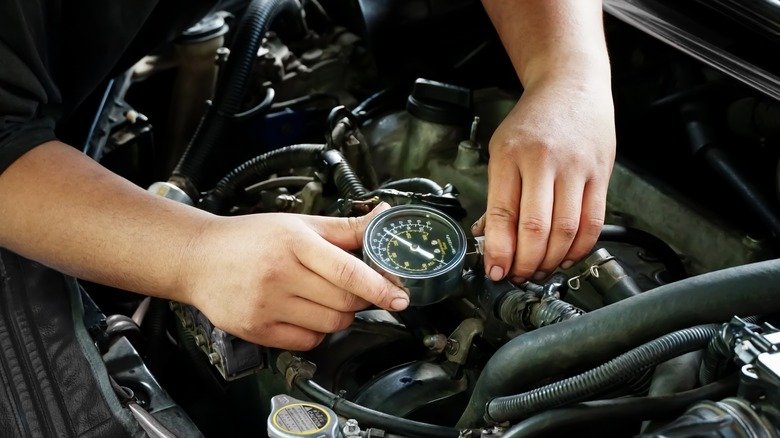
- Use a fuel pressure gauge (many auto parts stores lend these).
- Replace the pump or filter if pressure is too low.
Practical Examples: Fixing Stalls In Real Cars
Sometimes, the same symptoms mean different things in different cars. Here are a few examples:
- Honda Civic (2006, Automatic): Stalled in gear due to a clogged IACV. Cleaning the valve fixed the problem.
- Toyota Corolla (2012, Manual): Stalled only when cold. A cracked vacuum hose was letting in extra air—replacing the hose stopped the stalling.
- Ford Focus (2015, Automatic): Stalled after shifting into Drive. Transmission fluid was low and dirty; a flush and refill solved it.
Comparing Simple Vs. Complex Fixes
Here’s how some solutions compare in terms of skill, cost, and time:
| Fix | Skill Level | Typical Cost | Time Needed |
|---|---|---|---|
| Clean IACV | Beginner | $0–$15 | 30–60 minutes |
| Replace Fuel Filter | Intermediate | $20–$50 | 1–2 hours |
| Transmission Fluid Change | Beginner | $30–$120 | 1–2 hours |
| Fuel Pump Replacement | Expert | $300–$900 | 2–4 hours |
Credit: www.reddit.com
Common Mistakes To Avoid
Many drivers and DIYers make similar errors when fixing car stalls. Avoid these to save time and money:
- Guessing without checking: Don’t replace parts randomly. Always diagnose first.
- Ignoring regular maintenance: Old spark plugs, dirty air filters, and old fluids can all lead to stalling.
- Using the wrong fluids or parts: Always use the type recommended in your owner’s manual.
- Skipping safety steps: Disconnect the battery when working on engine electronics.
- Not resetting error codes: After repairs, clear codes with an OBD-II tool so you know if the issue is fixed.
When To See A Mechanic
Some issues are best left to professionals, especially if:
- The transmission has internal problems.
- The car stalls while driving at speed, not just in gear.
- You see smoke, hear loud noises, or smell fuel.
- You’re unsure or uncomfortable with DIY repairs.
Trying to fix major issues without proper tools can be dangerous and expensive. A trusted mechanic can quickly diagnose and repair complex problems.
Credit: www.reddit.com
Preventing Future Stalls
Prevention is often cheaper than repair. Here are some habits to help your car run smoothly:
- Follow the maintenance schedule in your owner’s manual.
- Use quality fuel and change filters regularly.
- Keep an eye (and ear) out for changes in your car’s behavior.
- Warm up your engine for a minute before driving in cold weather.
- Address warning lights and strange noises early.
Key Data: What Parts Cause Stalling Most Often?
Based on mechanic surveys and repair statistics, here’s a breakdown of the most common parts linked to stalling in gear:
| Part/Area | % of Cases | Typical Solution |
|---|---|---|
| Idle Air Control Valve | 35% | Cleaning or replacement |
| Vacuum Leaks | 25% | Replace hoses/gaskets |
| Transmission Fluid/Parts | 15% | Fluid change/repair |
| Fuel System Issues | 10% | Cleaner/replacement |
| Sensors/Electronics | 10% | Diagnostics/replace |
| Clutch/Manual Issues | 5% | Adjust/replace |
Credit: www.slashgear.com
Non-obvious Tips Most People Miss
Many drivers overlook these:
- Battery voltage matters: If your battery or alternator is weak, idle control systems may not work well. Always check battery health.
- Engine grounds: Corroded or loose ground wires can cause unpredictable stalling, especially when the engine moves in gear.
- Aftermarket parts: Sometimes, non-original sensors or parts don’t communicate well with your car’s computer, causing stalling.
If you’ve tried everything and the problem continues, have a mechanic check these less obvious areas.
Helpful Resources
For more in-depth repair guides and diagrams, you can visit Haynes Manuals, a trusted source for car repair information.
Frequently Asked Questions
Why Does My Car Stall Only When Cold?
Cold engines need more fuel to run smoothly. If sensors are dirty or fuel delivery is weak, the engine might not adjust well during cold starts, leading to stalling.
Can Bad Fuel Cause My Car To Stall In Gear?
Yes. Contaminated or very old fuel can reduce engine power, especially under load. If you suspect bad fuel, try filling up with fresh, high-quality gas and adding a cleaner.
Is Stalling In Gear Dangerous For My Car?
Frequent stalling can stress engine and transmission parts. It’s also risky in traffic. Fix the problem quickly to avoid bigger (and more expensive) repairs.
Do Automatic And Manual Cars Stall For The Same Reasons?
Not always. Automatics often stall due to idle or transmission issues, while manuals usually stall from clutch or driver mistakes. However, fuel and air problems can affect both.
Can I Drive My Car If It Stalls Sometimes When Put In Gear?
It’s not safe to drive a car that stalls in gear. You could lose power at a bad moment, causing an accident. Fix the problem before regular driving.
Solving a stalling problem can take some patience, but with a careful approach, you can restore your car’s reliability. Remember: start with the basics, follow your observations, and don’t hesitate to ask for expert help if needed.