
A squealing car belt can make even the shortest drive uncomfortable and stressful. This high-pitched noise often gets worse when you start your car, turn the steering wheel, or use the air conditioner. While many drivers think the fix is simple, belt squealing can be caused by several different problems.
Ignoring the sound can lead to bigger issues, like a dead battery, overheating, or even engine damage. If you want to fix the noise yourself, you need to know exactly what causes the squeal and how to solve it safely.
This guide will walk you through the steps to silence that belt, explain what parts to check, and share practical tips you won’t find in most manuals.
Why Car Belts Squeal
Most modern cars use serpentine belts or V-belts to drive important parts like the alternator, power steering pump, air conditioning compressor, and water pump. These belts are made from rubber and are designed to last for years, but they can start to squeal for several reasons:
- Worn out belt: Rubber dries, cracks, or stretches over time.
- Loose belt tension: The belt isn’t tight enough, so it slips on the pulleys.
- Contamination: Oil, coolant, or dirt on the belt surface.
- Misaligned pulleys: The pulleys are not lined up properly.
- Faulty pulleys or tensioners: These parts can wear out and fail.
A squealing belt is more than just a noise problem. It’s often a warning sign. For example, a slipping belt can cause your battery not to charge, or your engine to overheat if the water pump isn’t spinning fast enough.
Quick Diagnosis: Find The Cause
Before you grab your tools, it’s smart to quickly diagnose what’s causing the squeal. Here’s how you can do that:
- Listen carefully: Does the squeal happen only when starting, when turning the wheel, or all the time?
- Open the hood: With the engine off, look at the belt. Are there cracks, shiny spots, or missing pieces?
- Check for contamination: Is there oil or coolant on the belt or pulleys?
- Test belt tension: Press on the longest part of the belt. It should only move about half an inch.
- Look at the pulleys: Are any pulleys wobbly or do they spin roughly by hand?
Here’s a quick comparison of possible causes and where the noise usually happens:
| Cause | When Squeal Occurs | What to Check |
|---|---|---|
| Loose belt | At start-up, heavy load | Belt tension |
| Worn belt | Always | Belt surface |
| Contaminated belt | Randomly | Oil/coolant on belt |
| Faulty pulley/tensioner | Intermittent or always | Pulley alignment, movement |
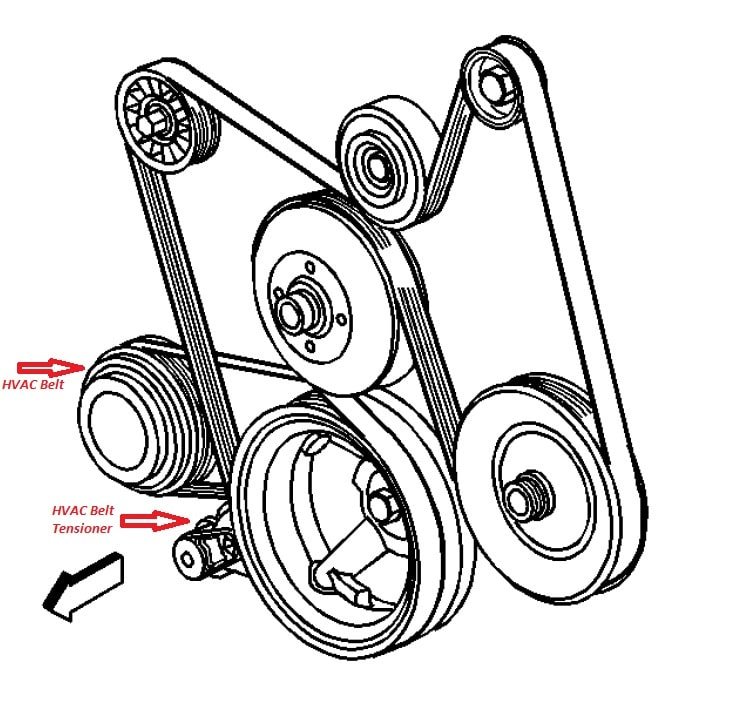
Credit: www.hollenshades.com
Step-by-step: How To Fix A Squealing Car Belt
Fixing a squealing belt is often simple if you follow the right steps. Here’s a practical approach that works for most cars.
1. Safety First
Before you start, make sure the car is off, the engine is cool, and the keys are removed. Always keep hands and tools away from moving parts.
2. Inspect The Belt
Look for cracks, missing chunks, shiny (glazed) surfaces, or fraying edges. If you see any of these, the belt must be replaced. A simple visual check can save you hours of trouble.
3. Check Belt Tension
Most modern cars use an automatic belt tensioner. For older cars, you may need to check and adjust the tension manually. A belt that’s too loose will slip and squeal.
- For serpentine belts, press down on the longest run. It should deflect about ½ inch.
- For V-belts, check your owner’s manual. Most should have about ½ to ¾ inch of play.
If the belt is too loose, you’ll need to adjust the tensioner or replace the belt.
4. Clean The Belt And Pulleys
Dirt, oil, or coolant can make the belt slip and squeal. Clean the belt and all pulleys with a rag and a little rubbing alcohol. Never spray water or use harsh chemicals, as they can damage the rubber.
5. Check For Misalignment
Use a straight edge or a long ruler to check if all pulleys are lined up. Even a small misalignment can cause noise.
- Look for pulleys that are tilted or have moved out of line.
- Misalignment is often caused by a bent bracket or a worn bearing.
6. Inspect Pulleys And Tensioners
Spin each pulley by hand (with the belt off if possible). They should turn smoothly and quietly. If you hear grinding or feel resistance, the bearing may be bad.
Here’s a table to help you compare symptoms and solutions:
| Symptom | Likely Problem | Solution |
|---|---|---|
| Squeal at start-up | Loose or worn belt | Tighten or replace belt |
| Squeal when turning | Power steering belt issue | Check belt and fluid |
| Squeal always | Bad pulley/tensioner | Replace pulley/tensioner |
7. Replace The Belt (if Needed)
If the belt is old, cracked, or glazed, replacement is the only long-term fix. Bring your car’s make, model, and year to the parts store to get the correct belt.
How To Replace A Serpentine Belt
- Draw a diagram of the belt path before removing it.
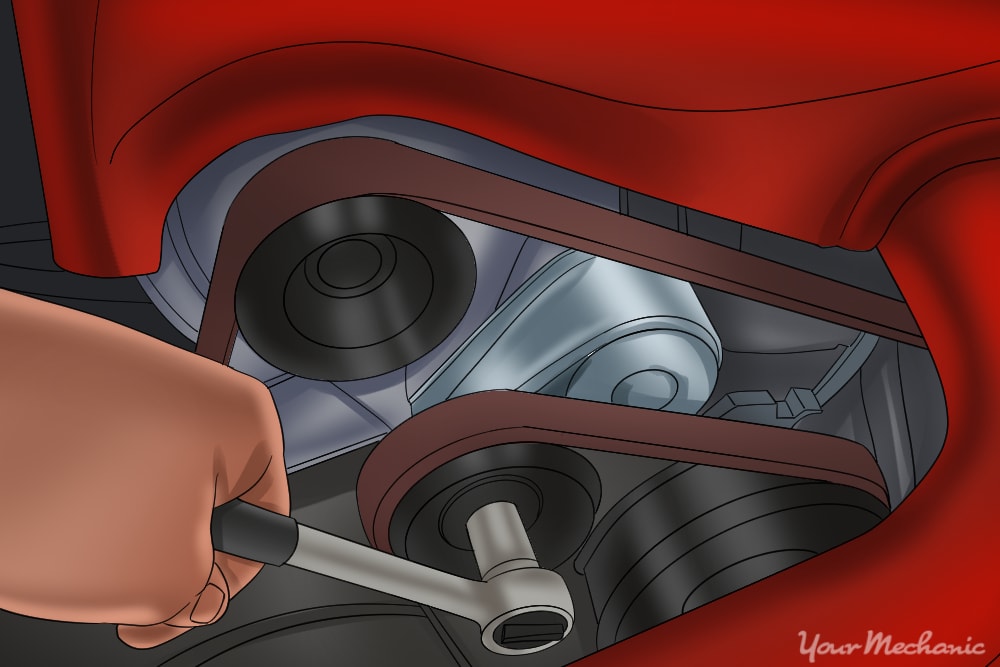
- Use a wrench to relieve tension on the automatic tensioner.
- Slip the belt off the pulleys.
- Install the new belt, following the diagram.
- Release the tensioner slowly to apply tension to the new belt.
- Double-check that the belt sits in all pulley grooves.
Replacing a V-belt is similar but may require loosening bolts on the alternator or other parts.
8. Adjust Manual Tensioners
Some cars use a manual tensioner. After installing the belt, use the tensioner bolt to set the correct tightness. Don’t overtighten—the belt should move a little when pressed.
9. Start The Engine And Listen
Start the car and let it idle. The squeal should be gone. If not, double-check your work. If the noise returns, the issue may be a bad pulley or another component.
10. When To See A Mechanic
If you’ve replaced the belt, checked alignment, and the squeal remains, it’s time to see a professional. Persistent squealing can mean a failing alternator, water pump, or power steering pump.
Non-obvious Insights For Lasting Results
Many drivers try to fix a squealing belt with a spray lubricant or “belt dressing.” This might stop the noise for a few days, but it often makes things worse. Lubricants can cause the belt to slip more and attract dust, which leads to faster wear. The real solution is to fix the root cause: tension, alignment, or replacement.
Another detail beginners miss is pulley condition. Even a new belt will squeal if a pulley is rough, rusty, or sticky. Always check that every pulley spins smoothly and freely.
Common Mistakes To Avoid
- Using belt dressing as a cure-all: It’s a temporary fix and can hide bigger problems.
- Ignoring small cracks: Tiny cracks mean the belt is drying out and will fail soon.
- Overtightening the belt: Too much tension can damage bearings and shorten belt life.
- Not cleaning contamination: Oil and coolant destroy rubber. Fix leaks before installing a new belt.
How To Prevent Belt Squeal In The Future
- Check your belt every 12,000 miles or once a year.
- Replace belts every 60,000 to 100,000 miles (check your manual).
- Fix oil or coolant leaks quickly.
- Listen for new noises and act early.
- Keep the engine bay clean.
Here’s a comparison of typical belt lifespans and replacement costs:
| Type | Average Lifespan | Typical Replacement Cost |
|---|---|---|
| Serpentine Belt | 60,000–100,000 miles | $25–$75 (parts only) |
| V-Belt | 40,000–60,000 miles | $15–$50 (parts only) |
Credit: www.ilhafm.com.br
When A Squeal Means Serious Trouble
While most belt squeals are annoying but harmless, some are urgent warnings:
- Sudden, loud squeal with battery light: The alternator isn’t charging.
- Squeal with engine overheating: The water pump isn’t turning.
- Burning rubber smell: The belt is slipping badly or seized.
In these cases, stop driving and get help immediately. A snapped belt can leave you stranded or damage your engine.
Real-world Example
Emma noticed her Honda Civic started squealing every cold morning. She checked the belt and found no cracks, but it was a bit loose. She tightened the tensioner, cleaned the pulleys, and the noise disappeared. Months later, the squeal returned, and this time she found tiny cracks.
She replaced the belt, and the car has been quiet since. Emma’s story highlights that sometimes the fix is simple, but you need to check again after a few months.
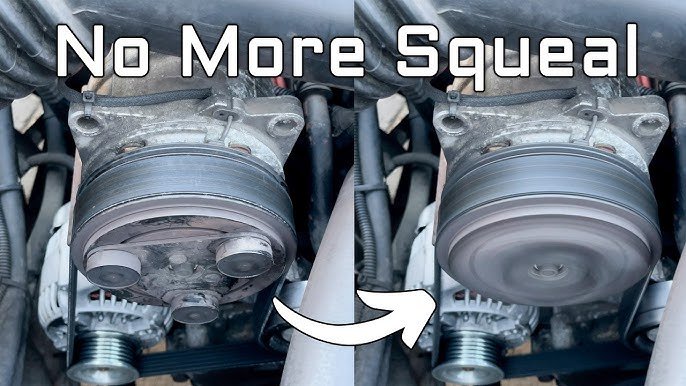
Credit: www.youtube.com
External Resource
For more about car belt systems and common problems, visit the Wikipedia Serpentine Belt page.
Frequently Asked Questions
Why Does My Car Belt Squeal Only When I Start The Engine?
A squeal at start-up usually means the belt is loose or the tensioner is weak. When the engine is cold, rubber is stiffer, and pulleys need more force to turn. Tightening or replacing the belt often solves the problem.
Is It Safe To Drive With A Squealing Belt?
It depends on the cause. If the belt is just a little loose or needs cleaning, you can drive for a short time. But if there are cracks, missing pieces, or if warning lights come on, stop and fix the problem.
A broken belt can leave you stranded.
How Do I Know If A Pulley Is Bad?
Spin the pulley by hand (engine off). If you hear grinding, feel roughness, or see wobbling, the bearing is likely bad. Replace the pulley or the entire component.
Can I Spray Something To Stop The Squeal?
Sprays like “belt dressing” may stop the noise for a short time, but they don’t fix the cause. In fact, they can make the problem worse by attracting dirt or breaking down the rubber. It’s better to clean, adjust, or replace the belt.
How Often Should I Replace My Car’s Belt?
Most serpentine belts last 60,000 to 100,000 miles. V-belts may need replacement sooner, around 40,000 to 60,000 miles. Check your owner’s manual for your car’s schedule, and replace the belt if you see cracks or hear persistent squealing.
With the right approach, a squealing belt can be fixed quickly and safely. Listen to your car, check all parts carefully, and you’ll save money and keep your car running smoothly.