Clean Battery Terminals: Corrosion, Safety & Steps
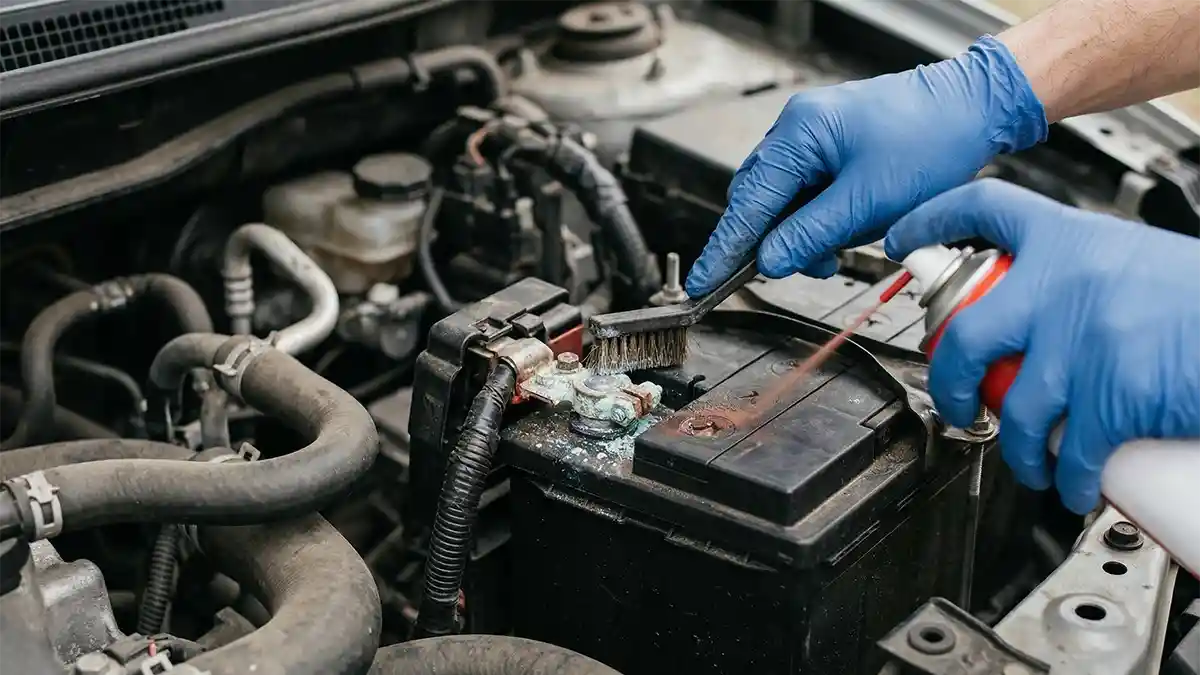
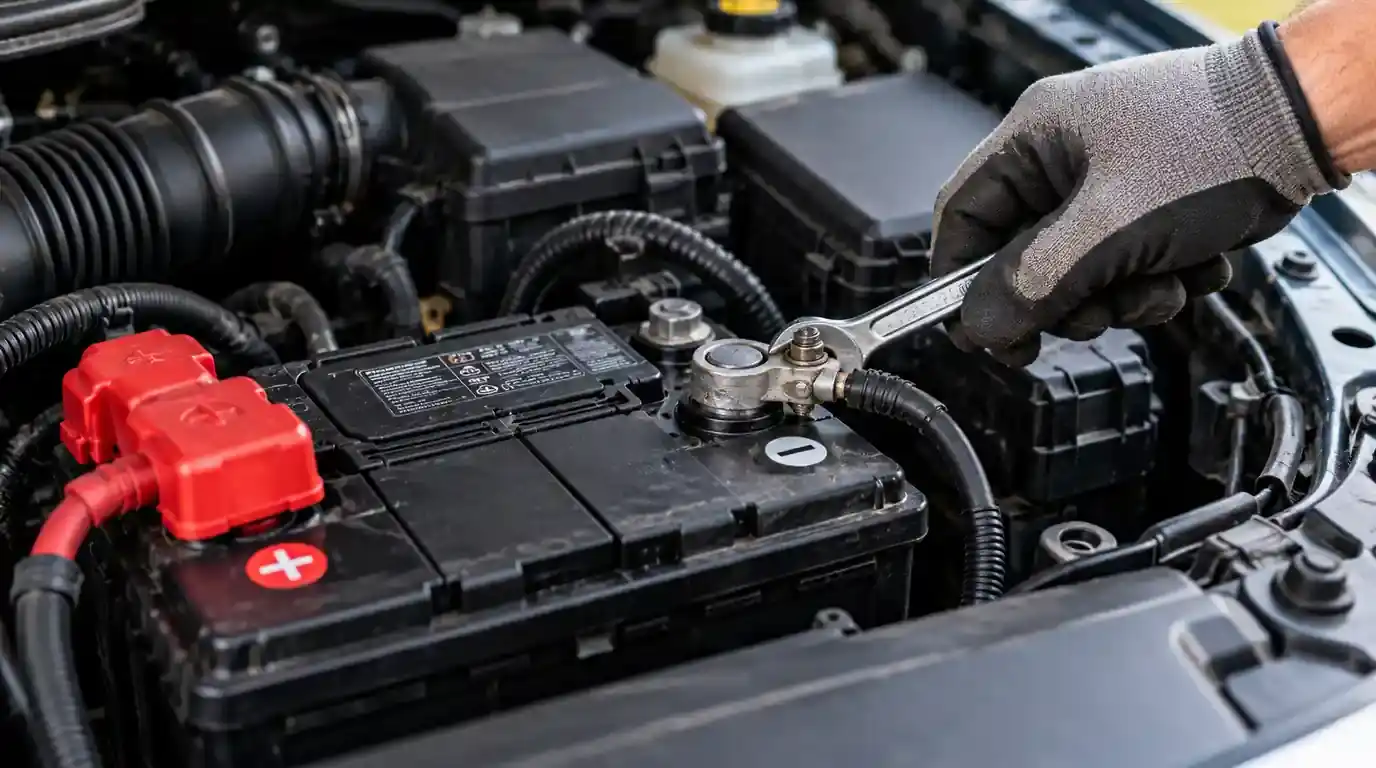
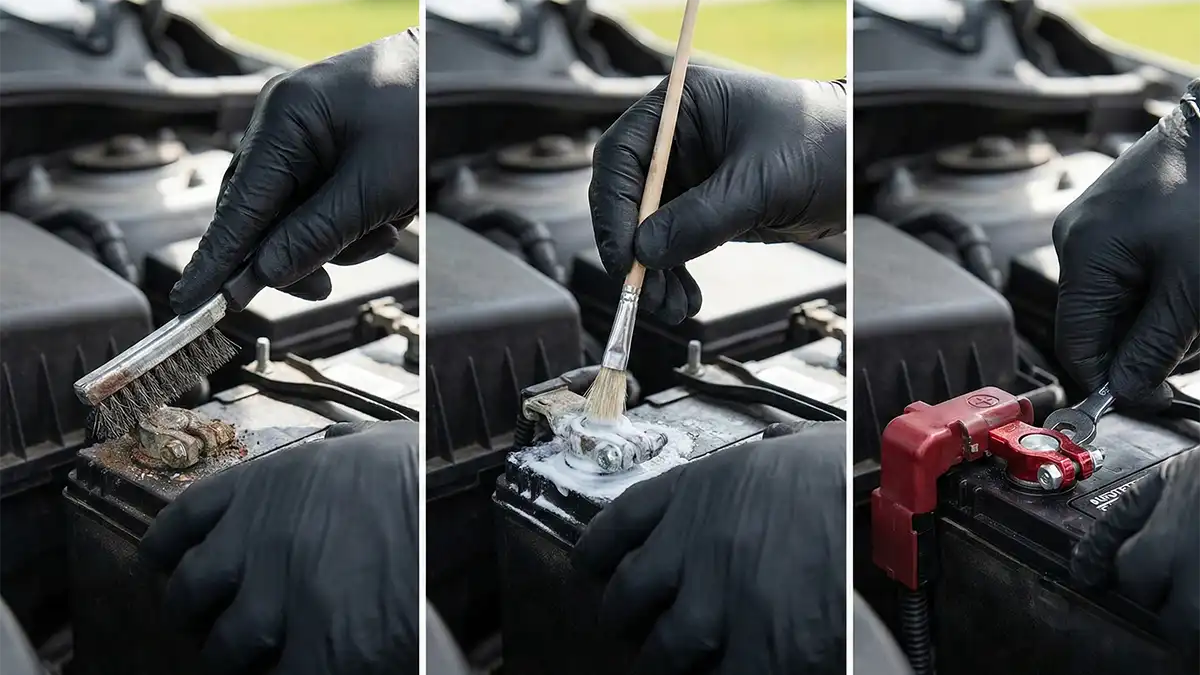
Clean car battery terminals by disconnecting negative first, neutralizing corrosion, scrubbing posts and clamps, drying fully and protecting the terminals.
Automotive electrical systems, battery drain, ABS sensors, traction control, and more.
Clean car battery terminals by disconnecting negative first, neutralizing corrosion, scrubbing posts and clamps, drying fully and protecting the terminals.
A weak car battery can lead to frustrating breakdowns and unexpected delays. Recognizing the early indicators of a failing battery allows car owners to take proactive steps, preventing more significant issues and ensuring their vehicle remains dependable. Many common symptoms can be identified and even confirmed through simple do-it-yourself methods. Slow engine cranking is a …
Safely disconnecting a car battery is a fundamental skill for any vehicle owner, crucial for various maintenance tasks, repairs, or long-term storage. The process involves a specific sequence to prevent electrical shorts, damage to the vehicle’s electronics, or personal injury. Always prioritize safety by wearing appropriate protective gear and following each step carefully to ensure …
Replacing a car battery yourself is a manageable task for many car owners, involving a few essential tools and careful adherence to safety protocols. The process typically includes disconnecting the old battery (negative terminal first), removing it, cleaning the battery tray and terminals, installing the new battery (positive terminal first), and ensuring all connections are …
Cleaning car battery terminals is a crucial maintenance task that ensures optimal vehicle performance and extends battery life. Corrosion on battery terminals can impede electrical flow, leading to starting issues and reduced battery efficiency. This guide provides a detailed, step-by-step process for safely and effectively cleaning your car’s battery terminals, along with essential tips for …
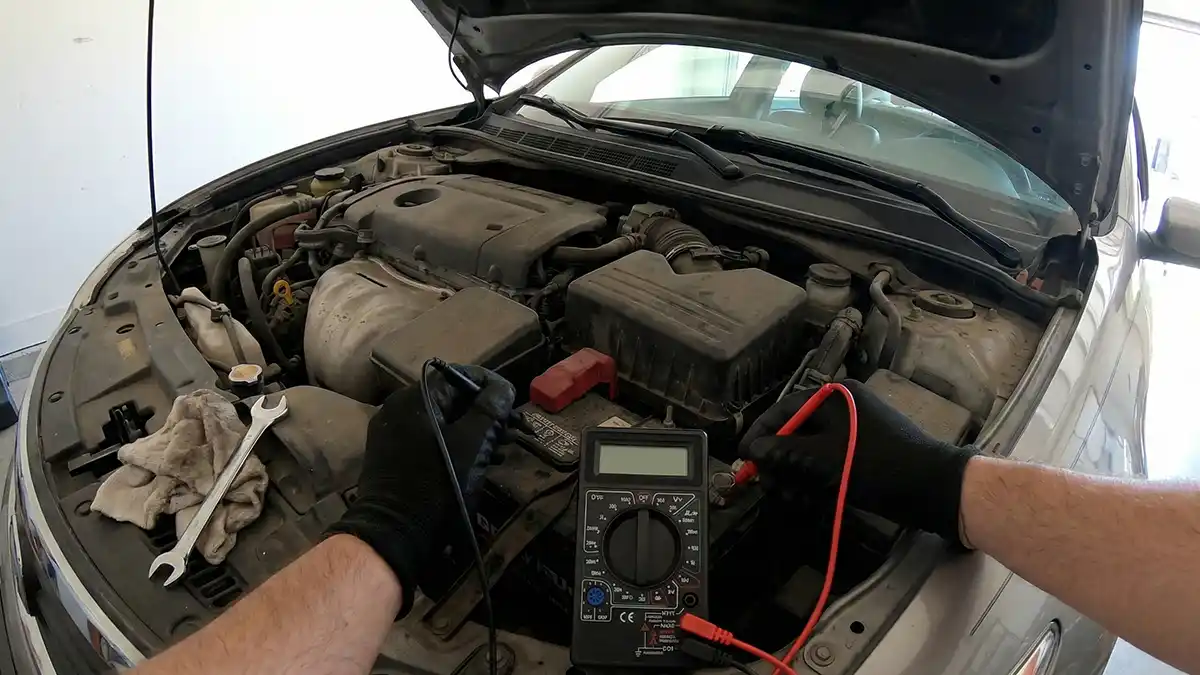
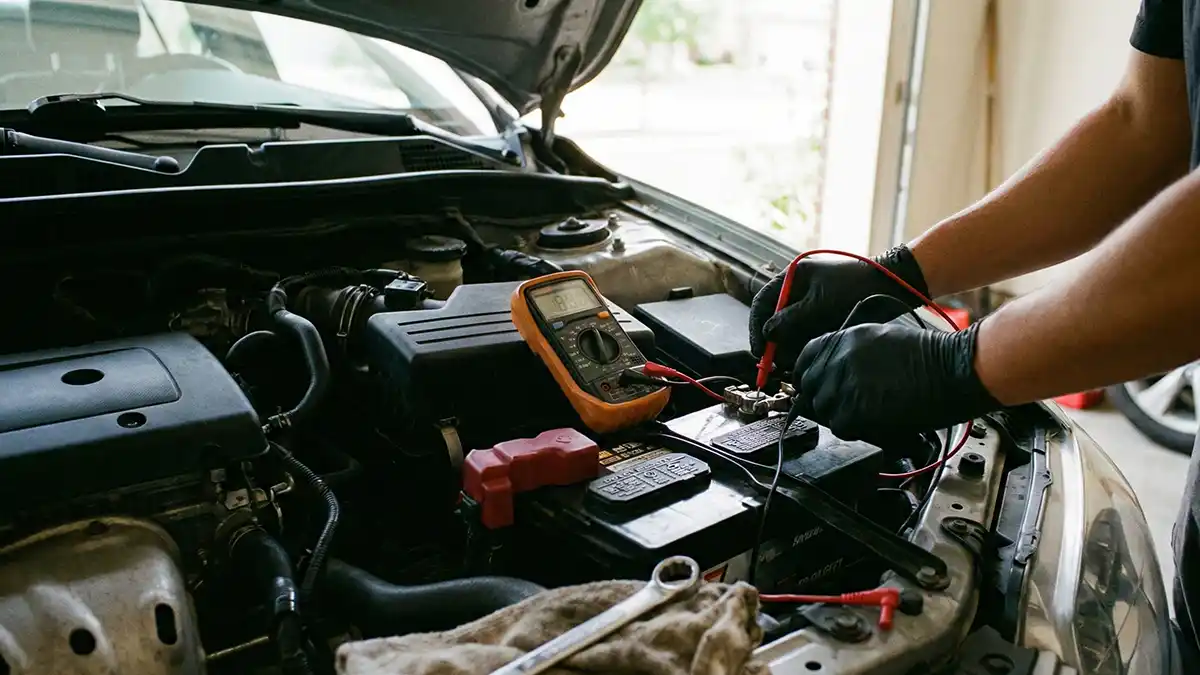
Testing a car battery with a multimeter involves setting the device to DC voltage, then connecting the red probe to the positive terminal and the black probe to the negative terminal. A fully charged, healthy battery at rest should display approximately 12.6 volts. Readings below 12.4 volts often indicate a need for charging or potential …
To check car battery health at home, begin with a visual inspection for damage or corrosion. Then, use a multimeter to measure the battery’s voltage; a reading of 12.6 volts or higher typically indicates a healthy charge. For a more thorough assessment, a dedicated load tester can simulate starting conditions and reveal the battery’s ability …