
To fix squeaky brakes yourself, first decide whether the noise is harmless surface rust, brake dust, pad vibration, worn pads, or a more serious grinding/scraping problem. Park safely, let the brakes cool, chock the wheels, inspect the pads and rotors, clean dust from the brake assembly, lubricate only the proper metal contact points, then reassemble and test at low speed. Do not drive normally if you hear grinding, feel a soft pedal, see a brake-fluid leak, or find pads worn to the wear indicator.
Before trying to quiet the noise, do a visual check first. This guide on how to visually inspect brakes at home helps you confirm whether the pads, rotors, calipers, and hardware look safe enough for a simple cleaning and lubrication job.
Why Do Car Brakes Squeak?
Brake squeal is usually vibration somewhere in the pad, rotor, caliper, or hardware, but the cause matters because the correct response ranges from “monitor it” to “stop driving and inspect.” Common causes include:
- Moisture or light surface rust: a brief squeak after rain, washing, or an overnight park can disappear after a few normal brake applications.
- Pad material or new-pad bedding: some friction compounds are naturally noisier, and newly installed pads can make noise while the pad and rotor surfaces mate. Follow the pad or vehicle manufacturer’s bedding procedure rather than a universal mileage rule.
- Worn pads: many pads use a wear indicator that creates a high-pitched warning sound when friction material is near its service limit.
- Dust, debris, glazed surfaces, or uneven rotor condition: these can change the contact between the pad and rotor and create noise.
- Dry, corroded, loose, or incorrectly installed hardware: pad clips, shims, abutment points, and caliper slide components can allow vibration or uneven pad movement.
- Caliper problems: a sticking slide or piston can keep a pad dragging against the rotor and may also cause heat, pulling, or uneven wear.
A squeak by itself does not prove the pads are worn out. Diagnose the pattern, inspect both inner and outer pads, and look for related symptoms before choosing a fix.
Safety First: Preparing To Work On Your Brakes
Before you start, remember that brakes are a critical safety part of your car. If you feel unsure at any point or suspect a serious problem, it’s always better to ask a professional. Here’s how to prepare:
- Park on a level surface and set the parking brake.
- Wear safety gloves and goggles to protect your hands and eyes.
- Let the brakes cool down before working on them; hot brakes can burn you.
- Chock the wheels—use wheel blocks on the wheels you’re not working on.
These steps keep you safe and make the job easier.
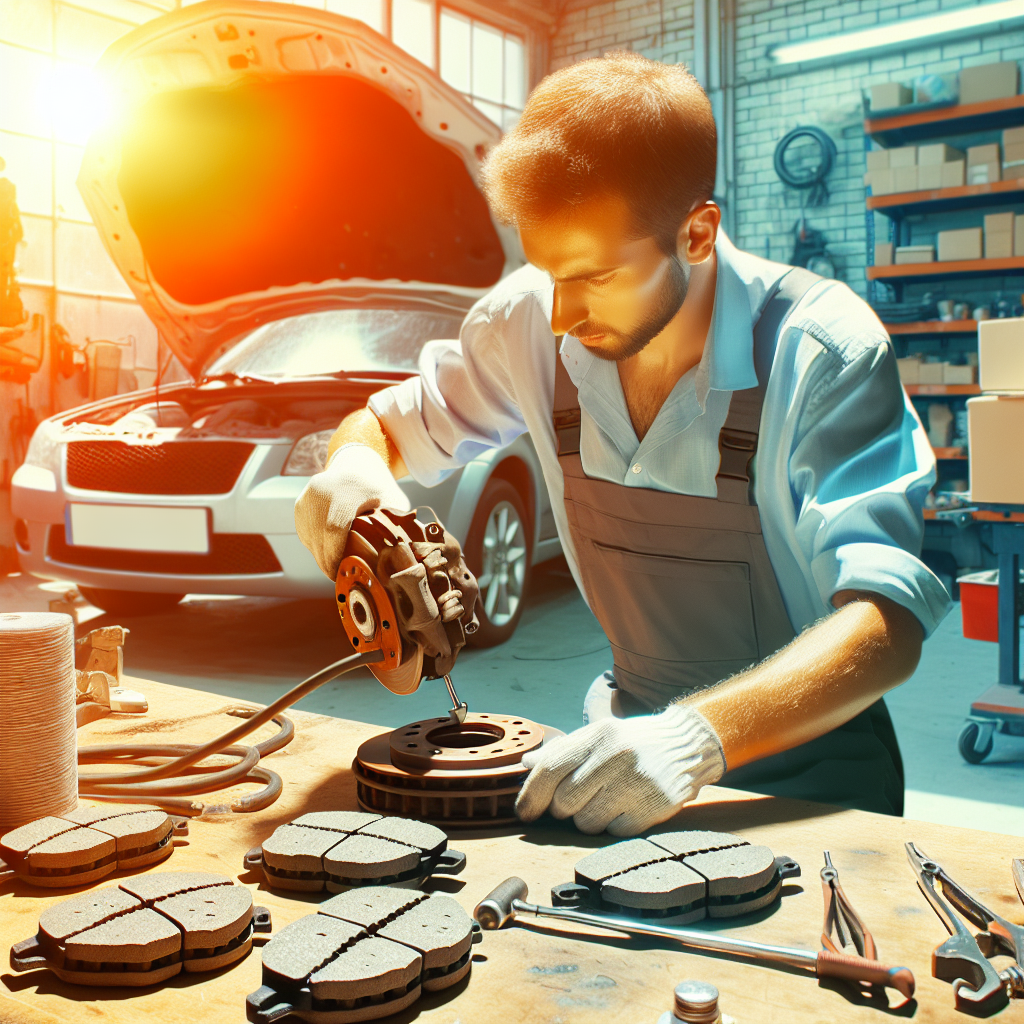
Tools And Materials You’ll Need
Having the right tools makes fixing squeaky brakes much easier. Here’s a list of what you may need:
- Car jack and jack stands
- Lug wrench
- Socket set
- Flat-head screwdriver
- Brake cleaner spray
- Brake grease or anti-squeal lubricant
- Replacement brake pads (if needed)
- Wire brush or sandpaper
- Shop rags or old towels
Most of these are available at auto parts stores. For some cars, you may need special tools—always check your car’s manual.
How to Fix Squeaky Brakes: Step-by-Step
Let’s go through the process to stop those annoying squeaks. Not every step will be needed for every car, but following them in order helps you find and fix the problem.
1. Remove The Wheel
- Loosen the lug nuts before lifting the car.
- Use a jack to lift the car and place it securely on jack stands.
- Remove the lug nuts and take the wheel off.
This gives you access to the brake assembly.
2. Inspect The Brake Pads
Inspect both the inboard and outboard pads, not just the easiest one to see. If the friction material is near the wear indicator or manufacturer service limit, unevenly worn, cracked, oil/grease contaminated, or separating from the backing plate, replace the affected parts instead of trying to silence them with lubricant. Our brake-pad inspection guide explains thickness and wear checks in more detail.
Also inspect the rotor for cracks, heavy scoring, severe heat spots, obvious runout symptoms, or a thickness below the minimum specification. Rotor limits are vehicle- and part-specific, so use the service information for your exact vehicle.
3. Clean The Brake Assembly
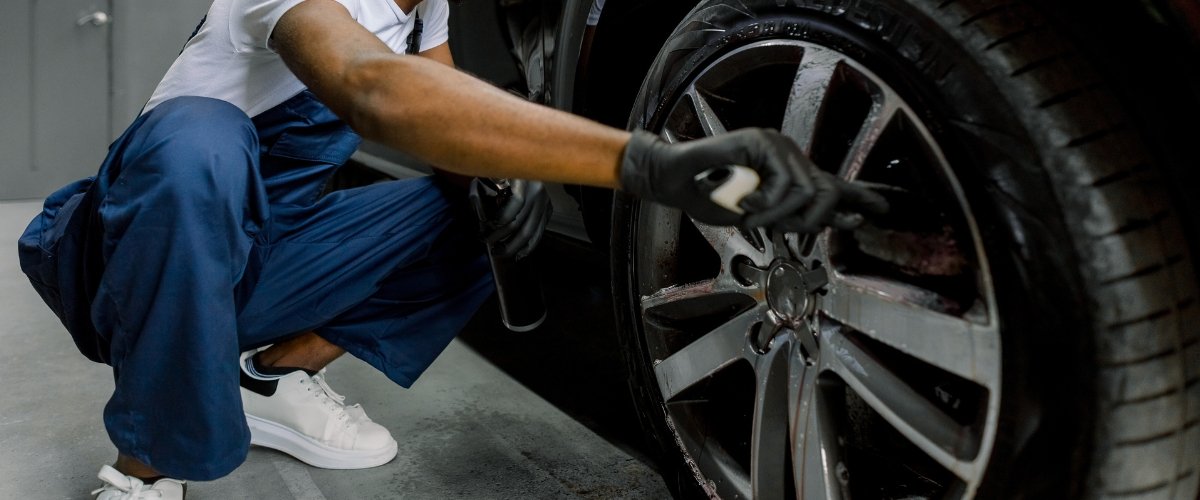
With the brakes cool, remove loose dust and debris using a brake-cleaning method and product approved for automotive friction systems. Avoid blowing brake dust around with compressed air. Clean the rotor and the metal pad-support/abutment areas that the service procedure calls for.
Do not try to “wash away” oil, grease, or brake-fluid contamination from a friction pad and assume it is safe. If a pad is contaminated, follow the pad or vehicle manufacturer’s replacement guidance and correct the source of the leak or contamination first.
4. Apply Brake Lubricant
Use only brake-specific lubricant that is compatible with the temperatures and materials at the location being serviced, and apply it only where the vehicle or brake-component manufacturer specifies. Typical service points may include certain pad abutments, backing-plate contact points, or caliper slide pins.
Never put lubricant on the rotor face or the pad’s friction surface. Keep lubricant away from friction material, and do not coat rubber boots or bushings unless the lubricant is explicitly compatible with them. Excess lubricant can migrate onto braking surfaces and reduce braking performance.
5. Check The Brake Rotors
Inspect the rotor rather than automatically sanding it. Light surface rust after rain may clear during normal braking, but deep scoring, cracks, heavy heat damage, severe glazing, or a rotor at/below minimum thickness requires service based on the manufacturer’s specifications.
Do not use a wire brush or sandpaper on the braking surface as a universal cure. If resurfacing is permitted for that rotor, it must remain above the specified minimum thickness and be performed correctly; many modern rotors are replaced rather than casually resurfaced.
6. Reassemble And Test
- Reinstall the pads, hardware, and caliper exactly as specified for the vehicle, including any required fastener torque values.
- Mount the wheel and snug the lug nuts in the recommended pattern.
- Lower the vehicle enough to prevent the wheel from turning, then torque the lug nuts to the vehicle manufacturer’s specification with a torque wrench.
- Before moving the vehicle, pump the brake pedal until it feels firm. If the pedal stays soft, sinks, or feels abnormal, do not drive.
- Perform a cautious low-speed function check in a safe area. Stop the test if you hear grinding, feel pulling or vibration, see a warning light, or notice reduced braking response.
Common Mistakes To Avoid
Even careful DIYers make mistakes with brakes. Here are some to watch out for:
- Using the wrong grease. Only use high-temperature brake-specific grease; other greases can melt or damage parts.
- Not cleaning parts fully. Even small bits of dirt can cause noise.
- Over-lubricating. Too much grease can squeeze onto the rotor, reducing braking and causing new noises.
- Ignoring hardware. Old or rusty clips and shims should be replaced.
When To Replace, Not Repair
Sometimes, cleaning and lubricating aren’t enough. Replace brake parts if:
- Pads are very thin, uneven, cracked, contaminated, or at the wear indicator.
- Rotors are deeply grooved, cracked, heavily scored, pulsing under braking, or at/below the minimum thickness marked by the manufacturer.
- The caliper is sticking or leaking.
- Squeaking continues after cleaning and lubrication.
Replacing worn parts is safer and usually stops the noise for good.
Comparing Brake Pad Types: Which Are Most Likely To Squeak?
Pad material can influence noise, but there is no universal “quietest” choice for every vehicle. Ceramic, semi-metallic, and non-asbestos organic formulations trade off noise, dust, temperature capability, pedal feel, wear, and rotor compatibility differently. Noise also depends on pad design, shims, hardware condition, rotor finish, bedding, driving pattern, and temperature.
Choose a pad formulation approved for your exact vehicle and use the hardware and bedding procedure specified by the pad or vehicle manufacturer. Replacing a correctly functioning pad only because another material is marketed as quieter can create new fitment or performance problems.
How To Tell If Squeaks Are Serious
Not all squeaks mean danger, but some do. Here’s how to tell the difference:
| Noise Pattern | Possible Cause | Action Needed |
|---|---|---|
| Squeaks only in the morning | Moisture or light rust | Usually harmless |
| Constant squealing | Worn pads or dirty brakes | Inspect and fix soon |
| Squeal + grinding noise | Pads worn out, metal-to-metal | Replace immediately |
| Squeak when braking hard | Glazed pads or rotors | Clean or replace parts |
If you hear grinding, scraping, feel the pedal sink, see fluid near a wheel, or notice longer stopping distance, stop normal driving and get the brake system inspected before using the car again.
Extra Tips For Long-lasting, Quiet Brakes
- Follow the brake-pad manufacturer’s bedding/burnishing procedure after pad or rotor replacement; there is no single “100-mile” rule that applies to every friction material.
- Keep wheel and brake areas free of heavy dirt buildup, but avoid directing high-pressure water or chemicals where the manufacturer warns against it.
- Investigate a new persistent squeal instead of repeatedly adding lubricant.
- Replace damaged, corroded, or incorrectly fitting clips/shims/hardware when the service procedure calls for it.
- If one wheel runs noticeably hotter than the others, the vehicle pulls while braking, or pad wear is uneven, check for a sticking caliper or other mechanical fault.
What Does a Squeaky-Brake Fix Usually Involve?
There is no reliable universal savings figure because a squeak can come from harmless moisture, worn pads, hardware, a sticking caliper, or damaged rotors. Parts prices and labor rates also vary widely by vehicle and location.
A DIY cleaning or hardware service can cost less than professional diagnosis when the cause is simple and you already have the correct tools, but guessing can become more expensive if the actual problem is worn or unsafe brake hardware. Diagnose first, then compare the exact parts, tools, and labor required for your vehicle.
When Should You See A Mechanic?
If you’re not sure what’s causing the squeak, or if you notice:
- Brake warning light
- Soft or spongy pedal
- Fluid leaking near the wheels
- Grinding or scraping noises
It’s best to get a professional check. Safety should always come first.
Frequently Asked Questions
Why Do My Brakes Squeak Only When Backing Up?
This usually happens when the brake pads shift slightly in their holders or if there’s dust and moisture on the pads. It’s often not serious, but cleaning and lubricating the pads can help reduce the noise.
Can Cheap Brake Pads Cause Squeaking?
Yes. Low-quality pads often use harder, noisy materials and may not include shims or anti-squeal layers. Investing in higher-quality pads, like ceramic, usually gives quieter and longer-lasting results.
How Long Does It Take To Fix Squeaky Brakes Yourself?
For most people, cleaning and lubricating a set of brakes takes 1–2 hours. If you need to replace the pads, plan for 2–3 hours the first time, as you’ll work more slowly.
Is It Safe To Drive With Squeaky Brakes?
If the squeak is only occasional and there are no other symptoms, it’s usually safe for a short time. However, if you hear grinding, feel vibration, or notice weaker braking, stop driving and fix the problem immediately.
Where Can I Find More Detailed Brake Repair Guides?
You can find step-by-step guides and videos on trusted automotive sites like Firestone’s brake-noise guide and your vehicle manufacturer’s service information. Always match instructions to your specific vehicle model.
Taking care of your brakes not only stops the noise, but keeps your car safer and smoother to drive. With some basic tools and careful steps, most squeaky brake problems can be fixed at home. If in doubt, though, don’t risk your safety—get professional help.