
Dents on a car door are more than just a cosmetic problem. They can reduce your car’s resale value and make you feel embarrassed about the vehicle’s appearance. Many people think fixing a dent always means repainting or a trip to the body shop. But in reality, there are ways to fix a dent in a car door without paint—and often, you can do it yourself at home. This guide explains simple, effective methods, shares the pros and cons, and helps you avoid common mistakes. Whether your car is new or old, you’ll learn how to restore your door’s look and save money at the same time.
Understanding Car Door Dents
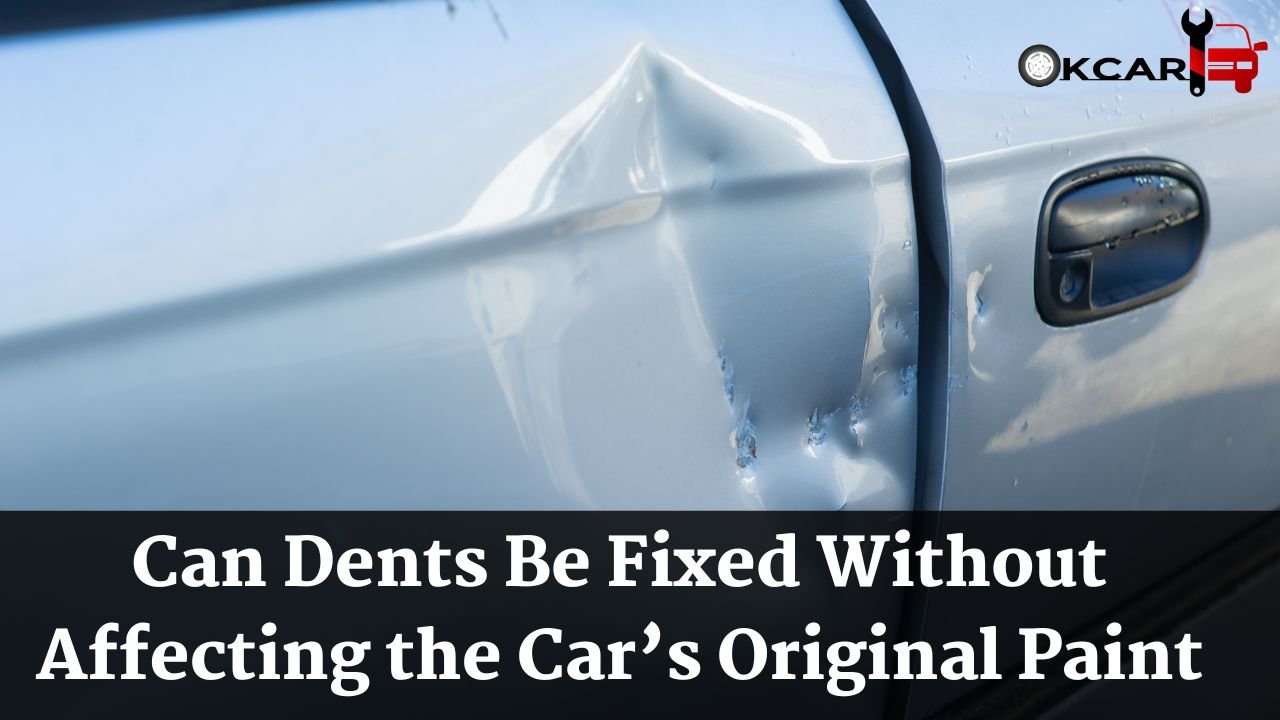
Before you start repairs, it helps to know what you’re dealing with. Most car door dents are caused by shopping carts, other car doors, hail, or even careless handling. The good news? If the paint isn’t cracked or chipped, you can often fix these dents without paint.
There are two main types of dents:
- Shallow dents: These are usually easier to repair. The metal is bent, but the paint remains intact.
- Deep dents: These may have sharper edges or creases. They’re harder to fix without specialized tools.
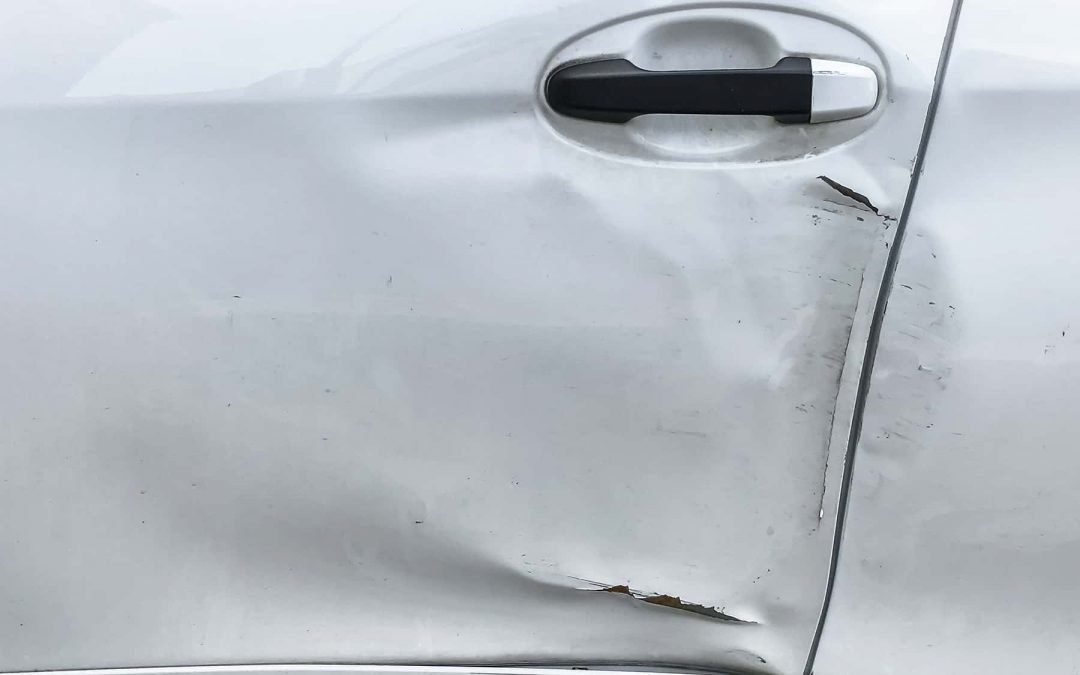
If the paint is broken, fixing the dent without paint won’t prevent rust or further damage. In that case, it’s best to see a professional.
Why Fix Dents Without Painting?
Many car owners want a solution that’s fast and affordable. Paintless dent repair (PDR) is popular because:
- It’s cheaper than body shop repairs.
- No repainting means less color mismatch.
- It’s faster, sometimes taking just an hour.
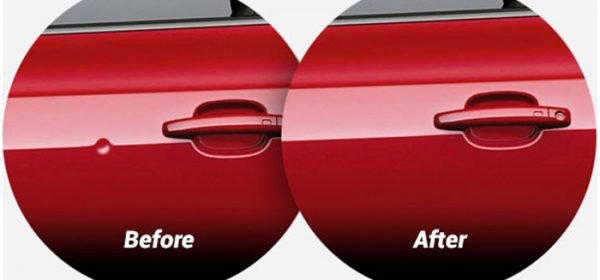
- You keep your car’s original paint.
For small dents where the paint is undamaged, fixing without paint makes sense. You avoid the risk of mismatched paint, and the process is usually less invasive.
Credit: okcarhub.com
What You Need Before You Start
You don’t need a garage full of tools, but a few items will make the job safer and easier. Gather these before you start:
- Protective gloves: To avoid cuts or burns.
- Clean microfiber cloth: For cleaning the area.
- Hair dryer or heat gun: To make the metal flexible.
- Compressed air can: For the “hot and cold” method.
- Plunger or suction cup: For pulling out shallow dents.
- Dent removal kit: These are sold online or at auto stores.
- Rubbing alcohol: To clean the area before and after.
Not all methods require every tool, but having these on hand gives you options.
Step-by-step Methods To Fix A Dent Without Paint
There are several proven methods to remove dents without repainting. The best method depends on the size and location of the dent, as well as your comfort level with DIY repairs.
Method 1: Using A Hair Dryer And Compressed Air
This is one of the most popular DIY tricks. It uses changes in temperature to pop the dent out.
Steps:
- Clean the dented area with a microfiber cloth and rubbing alcohol.
- Heat the dent with a hair dryer or heat gun for about 30 seconds. Hold it a few inches away to avoid damaging the paint.
- Quickly spray the area with compressed air, holding the can upside down. The sudden cold contracts the metal, causing the dent to pop out.
Best for: Small to medium dents with no paint damage.
Tip: Do not overheat the area. Too much heat can harm the paint.
Method 2: The Plunger Technique
A simple plunger can sometimes remove shallow dents, especially those with a smooth, rounded shape.
Steps:
- Wet the plunger and the dented area to create a good seal.
- Place the plunger over the dent and push and pull gently.
- Repeat several times. With luck, you’ll hear a pop as the dent releases.
Best for: Larger, shallow dents on flat surfaces.
Common Mistake: Using a dirty plunger can scratch your car. Use a clean, new plunger for best results.
Method 3: Dent Puller Or Suction Cup Tool
Auto stores sell suction-based dent pullers designed for cars. These are more effective than a household plunger.
Steps:
- Clean the area thoroughly.
- Place the suction cup over the dent and press down firmly.
- Pull the tool’s handle to try to pop the dent out.
Best for: Medium-sized dents.
Insight: Suction tools work best if the dent is not on a curved edge.
Method 4: Using A Dent Removal Kit
These kits come with glue, pulling tabs, and a pulling tool. They’re designed for more stubborn dents.
Steps:
- Clean the area with rubbing alcohol.
- Apply the glue to the pulling tab.
- Stick the tab to the center of the dent and let it set for a few minutes.
- Attach the pulling tool and gently pull until the dent pops out.
- Remove the tab with alcohol and clean off any glue residue.
Best for: Dents that don’t respond to suction methods.
Warning: Follow the instructions carefully. Too much force can stretch the metal.
Method 5: Boiling Water For Plastic Car Doors
If your car door is made from plastic (common in some models), boiling water can help.
Steps:
- Boil a pot of water and carefully pour it over the dent.
- Reach behind the door (if possible) and push the dent out.
- Pour cold water on the spot to set the shape.
Best for: Plastic car doors or bumpers.
Caution: Wear gloves to avoid burns. This does not work on metal doors.
Comparing Diy Dent Removal Methods
To help you decide which method is right, here’s a comparison of the most popular options:
| Method | Best For | Skill Level | Estimated Time | Risk Level |
|---|---|---|---|---|
| Hair Dryer & Air | Small/medium dents | Beginner | 15-30 min | Low |
| Plunger | Shallow, large dents | Beginner | 10-20 min | Low |
| Dent Puller | Medium dents | Beginner | 15-30 min | Medium |
| Dent Kit | Stubborn dents | Intermediate | 30-60 min | Medium |
| Boiling Water | Plastic doors | Beginner | 10-15 min | Low |
When To Avoid Diy Dent Repair
Not all dents can be fixed at home. Here’s when it’s better to see a professional:
- Paint is cracked or chipped: Exposed metal can rust quickly.
- Dent is on a sharp edge or crease: These are difficult to fix without special tools.
- Dent is very deep: The metal may be stretched.
- You are unsure or nervous: Mistakes can make the problem worse.
Professional paintless dent repair (PDR) experts use tools to massage the metal from behind, achieving results that are hard to match with DIY methods. For more details on PDR, check the Wikipedia page on Paintless Dent Repair.
How Much Money Can You Save?
Fixing a dent at a body shop often costs $150–$500 or more, depending on the size. Using a DIY method, your cost may be:
- Hair dryer method: $0 (if you already have a dryer and air can)
- Plunger: $5–$10 for a new plunger
- Dent puller kit: $20–$50
- Professional PDR: $75–$200 for most small dents
So, DIY repairs can save you up to 80% compared to professional fixes. However, the results depend on your skill and the dent’s type.
Professional Vs. Diy Dent Repair Comparison
See how the two options stack up:
| Factor | DIY Repair | Professional Repair |
|---|---|---|
| Cost | Low | High |
| Time Needed | Less than 1 hour | 1-3 hours (with waiting) |
| Risk of Damage | Medium | Very Low |
| Finish Quality | Varies | Usually perfect |
| Tools Needed | Home tools or kits | Professional equipment |
Credit: brightonpanelworks.com.au
Two Insights Beginners Often Miss
- Temperature matters: Metal moves more easily when it’s warm. That’s why many methods involve heating the area. Try repairs on a warm day or in a heated garage for better results.
- Patience is key: Pulling too hard or using too much force can stretch the metal, making the dent worse. Always use gentle, repeated attempts rather than one big effort.
Common Mistakes To Avoid
- Skipping the cleaning step: Dirt can scratch your paint during repairs.
- Using too much heat: Overheating can blister or discolor the paint.
- Not following instructions: Especially with glue-based kits, improper use can damage your car.
- Ignoring paint damage: If the dent breaks the paint, DIY methods can leave your car open to rust.
Credit: doctorofdents.com
Practical Tips For Success
- Work in good lighting: Shadows make it hard to see the dent’s true shape.
- Take your time: Rushing increases the risk of mistakes.
- Test on a small dent first: Gain confidence before tackling larger dents.
- Have realistic expectations: DIY methods may not produce a “like new” result, but can make the damage much less visible.
How To Protect Your Car From Future Dents
Fixing dents is great, but preventing them is even better. Here are some easy tips:
- Park away from other cars when possible.
- Use covered parking during hailstorms.
- Be gentle when opening your own doors.
- Install rubber door guards if you park in tight spaces.
Frequently Asked Questions
How Do I Know If My Car Dent Can Be Fixed Without Paint?
If the dent is shallow and the paint is not cracked or chipped, you can usually fix it without painting. Deep dents or those with sharp creases are harder to repair at home.
Will Diy Dent Repair Lower My Car’s Value?
Most small, well-fixed dents will not affect value. However, poor repairs or visible damage can reduce resale price. If you’re not confident, consider a professional repair.
Can I Use These Methods On Any Part Of The Car?
These methods work best on flat, accessible panels like doors and fenders. They are less effective on corners, edges, or areas with internal braces.
What If My Dent Doesn’t Pop Out?
If the dent does not come out after a few tries, stop and avoid further damage. Some dents need professional paintless dent repair tools and skills.
Are Dent Removal Kits Safe For All Cars?
Most kits are safe for cars with factory paint. If your car has been repainted, test on a small area first, as some paints may lift or peel.
Fixing a dent in your car door without paint is possible, affordable, and often easier than you think. With the right tools, patience, and careful attention to detail, you can restore your car’s look and protect its value—no expensive body shop needed.
But if you’re unsure, or the dent is too severe, there’s no shame in calling a professional. Your car—and your wallet—will thank you.