
Choosing the right garage epoxy floor paint is not just about color or price. It’s about durability, safety, and making your garage easy to clean. The right epoxy coating can turn a plain concrete floor into a strong, attractive surface that resists stains, chemicals, and heavy wear.
But with so many products on the market, making the best choice can feel overwhelming. This guide will walk you through all the critical factors—plus a few tips that most beginners miss—so you can be confident in your decision.
Why Epoxy For Garage Floors?
Epoxy floor paint is popular for garages because it creates a tough, glossy finish that protects concrete from oil, gasoline, salt, and other damaging materials. Unlike regular paint, epoxy forms a thick, plastic-like surface that bonds with concrete. This means it won’t peel or chip easily. Good epoxy also fills tiny cracks and makes cleaning spills simple. But not all epoxy paints are the same. Understanding what makes a quality product is the first step toward a long-lasting, professional-looking floor.
Types Of Garage Epoxy Floor Paint
You’ll find several types of products when you look for garage epoxy paint. Here’s a breakdown of the main options, each with its strengths and weaknesses.
| Type | Durability | Ease of Application | Typical Uses |
|---|---|---|---|
| Water-Based Epoxy | Good | Easy | DIY garages, light use |
| Solvent-Based Epoxy | Very High | Moderate | Workshops, high traffic |
| 100% Solids Epoxy | Highest | Difficult | Professional garages, industrial |
| One-Part Epoxy Paint | Lowest | Easiest | Quick refresh, low traffic |
1. Water-based Epoxy
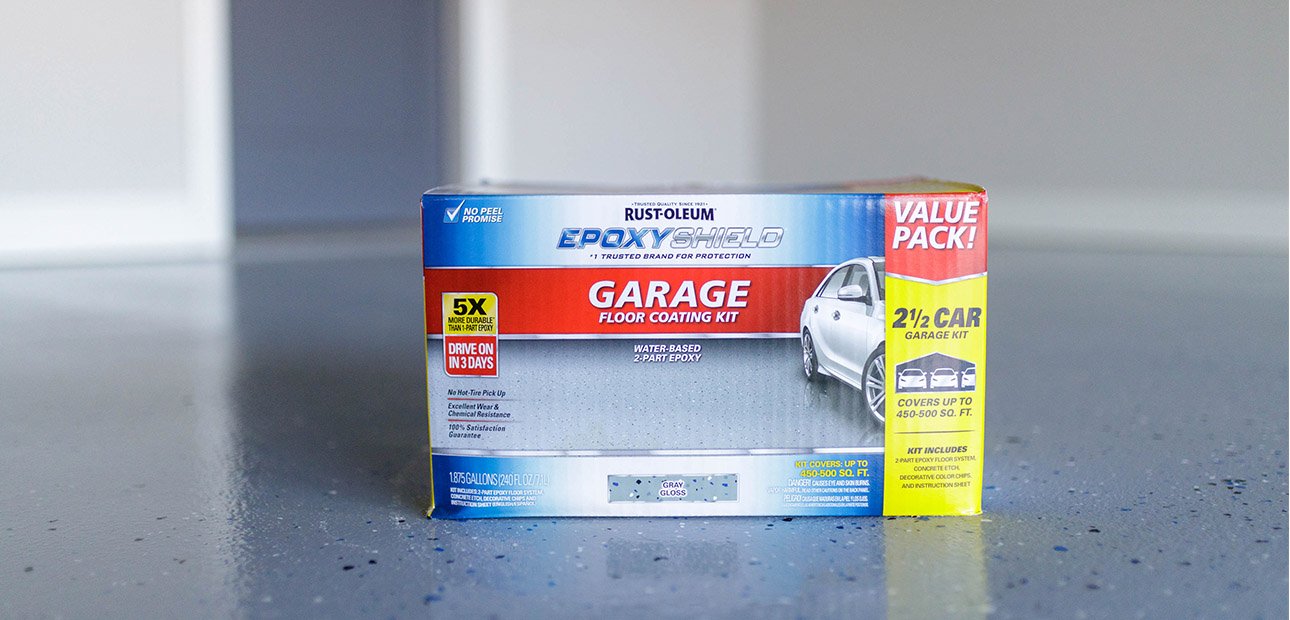
This is the most common type for homeowners. It’s safer to use, has low odor, and is easy to clean up. While water-based epoxy doesn’t offer the highest durability, it performs well for most home garages. It’s a practical choice if you plan to park cars but don’t use harsh chemicals or drag heavy equipment across the floor.
2. Solvent-based Epoxy
Solvent-based epoxy is thicker and more durable but produces strong fumes. You’ll need good ventilation and sometimes a respirator during application. This type is better for garages that see heavy use, like workshops. It resists chemicals and abrasion better than water-based options.
3. 100% Solids Epoxy
This is the professional-grade choice. It contains no water or solvents, so it cures into the thickest, hardest coating. It’s also the most challenging to apply—fast curing time means you must work quickly. For a floor that will last 20 years or more, this is the top option.
4. One-part Epoxy Paint
Often sold at big hardware stores, this is not true epoxy but a paint with some epoxy resins added. It’s easy to roll on but doesn’t offer the same strength or chemical resistance as two-part systems. Use it only if you want a quick, temporary fix.
Credit: xtremepolishingsystems.com
Key Factors When Choosing Epoxy Floor Paint
To select the best epoxy for your garage, focus on these essential factors:
Durability
The main reason to choose epoxy is its long-lasting protection. Look for products that specifically mention resistance to abrasion, chemicals, and hot tire pickup. Hot tire pickup is when the paint peels off because hot tires soften the coating. 100% solids and quality solvent-based epoxies resist this problem best.
Application Process
Some epoxies are easy to roll on, while others require mixing, quick work, and precise timing. If you’re a beginner, a water-based system with a longer working time is safer. Consider kits that include clear instructions and all necessary tools.
Surface Preparation
Proper preparation is key. Epoxy will not bond well to dirty or damp concrete. The floor must be etched or ground to remove old paint, oil, and sealers. If you skip this step, even the best epoxy will fail. Some kits include etching solutions, making it easier for beginners.
Voc Content And Safety
Volatile Organic Compounds (VOCs) are chemicals that can be harmful if inhaled. Water-based epoxies have low VOCs, making them safer for DIY use. Solvent-based and 100% solids epoxies may require masks and excellent ventilation. Always check the safety instructions before starting.
Appearance And Finish
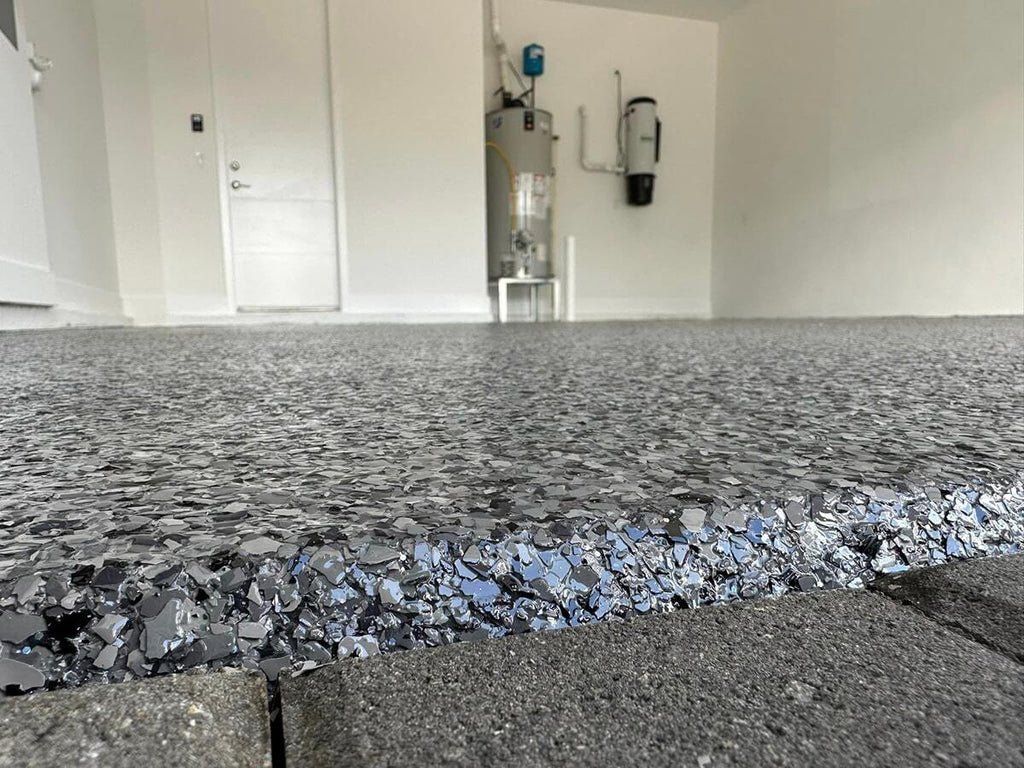
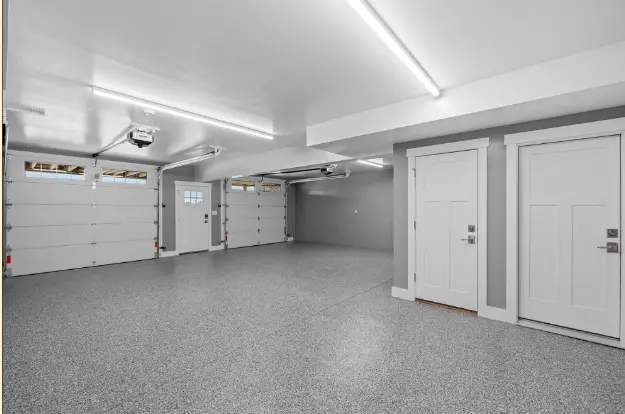
Epoxy paints come in many colors and finishes, including high-gloss, matte, and even metallic effects. You can add decorative color flakes for a speckled look that hides dirt and gives traction. Some products allow a clear topcoat for extra shine and protection.
Cost And Coverage
More expensive does not always mean better, but the cheapest options often lack durability. Calculate the total cost, including primer and topcoat if needed. Coverage rates (usually in square feet per gallon) vary between products. Measure your garage and buy a bit extra to cover mistakes or touch-ups.
Warranty And Support
Look for products with a solid warranty and customer support. A good warranty shows the company believes in its product. Some brands offer hotlines or online guides to help with installation.
Comparing Popular Epoxy Floor Paint Brands
Choosing a brand can make a big difference. Here’s a quick comparison of some leading options:
| Brand | Type | Durability | Finish Options | Approx. Price (per kit) |
|---|---|---|---|---|
| Rust-Oleum RockSolid | Polycuramine (Epoxy blend) | Very High | Gloss, color flakes | $115 |
| Quikrete Epoxy Garage Floor Kit | Water-Based Epoxy | Good | Gloss, color flakes | $65 |
| Epoxy-Coat | 100% Solids Epoxy | Highest | Gloss, custom colors | $250 |
| Behr Premium | One-Part Epoxy Paint | Fair | Satin | $35 |
Pro tip: Some professional kits include everything you need—epoxy, primer, topcoat, color flakes, and etching solution. These may cost more upfront but save you time and guesswork.
Credit: www.fivestarpainting.com
Common Mistakes When Choosing Garage Epoxy Paint
People new to epoxy flooring often make these errors:
- Skipping surface preparation. If you don’t clean and etch the floor, the epoxy won’t stick.
- Choosing by color alone. Looks matter, but strength and resistance are more important.
- Underestimating the work. Applying high-quality epoxy is not like painting a wall. It takes planning and effort.
- Buying too little. Running out of epoxy halfway leaves you with a patchy floor.
- Ignoring climate. Some epoxies won’t cure well if the garage is too cold or humid.
Non-obvious insight: The shine and color of epoxy can change slightly as it cures. Don’t judge the final look until it’s fully hardened—usually 3 to 7 days.
Step-by-step Guide To Choosing And Applying Garage Epoxy
1. Assess Your Needs
Decide how you use your garage. Is it for cars, a workshop, or storage? If you drop heavy tools or use chemicals, you need maximum durability.
2. Measure Your Space
Measure length and width to get the total square footage. Always round up and buy extra material.
3. Evaluate Your Budget
Set a realistic budget, but remember that a higher-quality epoxy often lasts much longer—saving money in the long run.
4. Research Products
Read reviews and check technical data sheets. Focus on durability, coverage, and customer support.
5. Choose The Right Kit
Select a product with the right balance of strength, ease of use, and finish. For most DIYers, a water-based kit with color flakes offers a good mix of performance and style.
6. Prepare The Floor
This is crucial. Remove everything from the garage. Sweep, vacuum, and degrease. Use an etching solution or concrete grinder if needed. Let the floor dry completely.
7. Apply The Epoxy
Follow instructions closely. Work in small sections and use a roller for even coverage. Add color flakes while the epoxy is still wet. Allow enough drying time between coats.
8. Add A Topcoat (optional)
A clear topcoat adds shine and extra protection. It’s worth considering for high-traffic garages.
9. Cure And Protect
Keep cars and tools off the floor until it’s fully cured. This can take up to a week. Ventilate the space to help remove odors.
Credit: www.rustoleum.com
Bonus Tips Most People Miss
- Test for moisture: Tape a plastic sheet to the floor for 24 hours. If water appears underneath, your floor may be too damp for epoxy.
- Check for previous sealers: Drip water on the concrete. If it beads up, you’ll need to remove old sealer before applying epoxy.
- Choose a light color if your garage is dim. Light floors bounce more light and make the space feel bigger.
Garage Epoxy Floor Paint Vs. Other Floor Options
You might wonder how epoxy compares to other coatings:
| Floor Type | Durability | Resistance to Stains | Ease of Cleaning |
|---|---|---|---|
| Epoxy | Very High | Excellent | Easy |
| Concrete Paint | Medium | Fair | Moderate |
| Interlocking Tiles | Medium | Good | Easy |
| Sealed Concrete | Medium | Good | Easy |
| Polished Concrete | High | Good | Easy |
Epoxy stands out for its combination of strength, chemical resistance, and bright finish. It’s a smart choice if you want a floor that lasts for years without constant maintenance.
Frequently Asked Questions
What Is The Best Type Of Epoxy Floor Paint For Garages?
For most home garages, water-based or solvent-based two-part epoxies provide a good mix of durability and user-friendliness. If you want the toughest finish and don’t mind a harder application, choose 100% solids epoxy.
How Long Does Garage Epoxy Floor Paint Last?
A quality epoxy floor can last 10–20 years in a home garage with proper prep and care. Industrial-grade 100% solids systems can last even longer, especially with a protective topcoat.
Can I Apply Epoxy Floor Paint Myself?
Yes, but surface preparation is critical. Beginners should start with water-based kits. Solvent-based and 100% solids systems are best left to experienced DIYers or professionals due to faster curing and stronger fumes.
How Do I Clean And Maintain An Epoxy Garage Floor?
Sweep regularly and mop with mild soap and water. Avoid using harsh chemicals or abrasive pads. For oil spills, wipe up quickly to prevent staining. Most dirt and grime come off easily thanks to the non-porous surface.
Where Can I Learn More About Epoxy Floor Paint Safety And Application?
For detailed safety guidelines and product advice, visit the U.S. EPA Safer Choice Program. They offer information on safer coatings and best practices for home projects.
Choosing the right garage epoxy floor paint can make your garage safer, cleaner, and more attractive for years to come. With careful planning and attention to detail, you’ll enjoy a floor that looks great and stands up to whatever life throws at it.