
When your car begins to shift roughly in automatic mode, it’s more than just annoying—it can signal bigger problems under the hood. Maybe you feel a hard jerk when the car changes gears. Or perhaps the transmission hesitates, slips, or makes strange noises. These symptoms often leave drivers confused and worried about expensive repairs. The good news? Many cases of rough shifting can be fixed with simple steps, and understanding the causes helps you act before small issues become big bills.
This guide will walk you through how to fix car rough shifting automatic. We’ll look at why this problem happens, how to diagnose it, and the best ways to solve it—from quick checks to advanced solutions. Along the way, you’ll also learn key tips that most beginners miss, and gain confidence to handle the issue wisely.
What Causes Rough Shifting In Automatic Cars?
A car’s automatic transmission is a complex system. It uses fluid pressure, electronics, and mechanical parts to change gears smoothly. When something goes wrong, the shift can feel hard, delayed, or even make a clunk sound. Here are the most common reasons:
- Low or Dirty Transmission Fluid: Transmission fluid lubricates moving parts and transmits power. Low or contaminated fluid is a top cause of rough shifting.
- Worn Transmission Bands or Clutches: These help hold gears in place. If worn, shifting can become harsh.
- Faulty Shift Solenoids: These electrical valves direct fluid flow for gear changes. If they fail, shifting becomes unpredictable.
- Transmission Control Module (TCM) Problems: The TCM is the “brain” of your transmission. If it glitches, shifting suffers.
- Sensor Issues: Sensors like the throttle position or speed sensor can give wrong data, causing hard or delayed shifts.
- Mechanical Damage: Broken gears, bearings, or other internal damage can also lead to rough shifting.
- Software Issues: Modern cars use software to control shifting. Bugs or outdated software can cause jerky changes.
Many beginners overlook the role of regular maintenance and software updates. Neglecting these can turn minor problems into major transmission failure.
Diagnosing The Problem: Where To Start
Before making repairs, you need to find out what’s really wrong. Here’s how to begin:
Step 1: Check Transmission Fluid
- Park on a level surface, keep the engine running, and set the gear to Park.
- Pull out the transmission dipstick (not the oil dipstick).
- The fluid should be pink/red and smell clean—not burnt.
- If low, top it up with the correct type (see your manual).
Step 2: Look For Warning Lights
Modern cars often show a check engine light or transmission warning. Use an OBD-II scanner to read codes. Codes like P0700 or P0750 often point to transmission or solenoid issues.
Step 3: Listen And Feel
- Does the car jerk when shifting from Park to Drive?
- Does it hesitate or “slam” into the next gear?
- Are there whining, clunking, or grinding noises?
Step 4: Check For Leaks
Transmission fluid leaks are usually red or brown and found under the car. Leaks lower fluid level, making shifting rough.
Step 5: Road Test
Drive at different speeds. Note if rough shifting happens at certain gears or all the time. This detail helps mechanics pinpoint the problem.
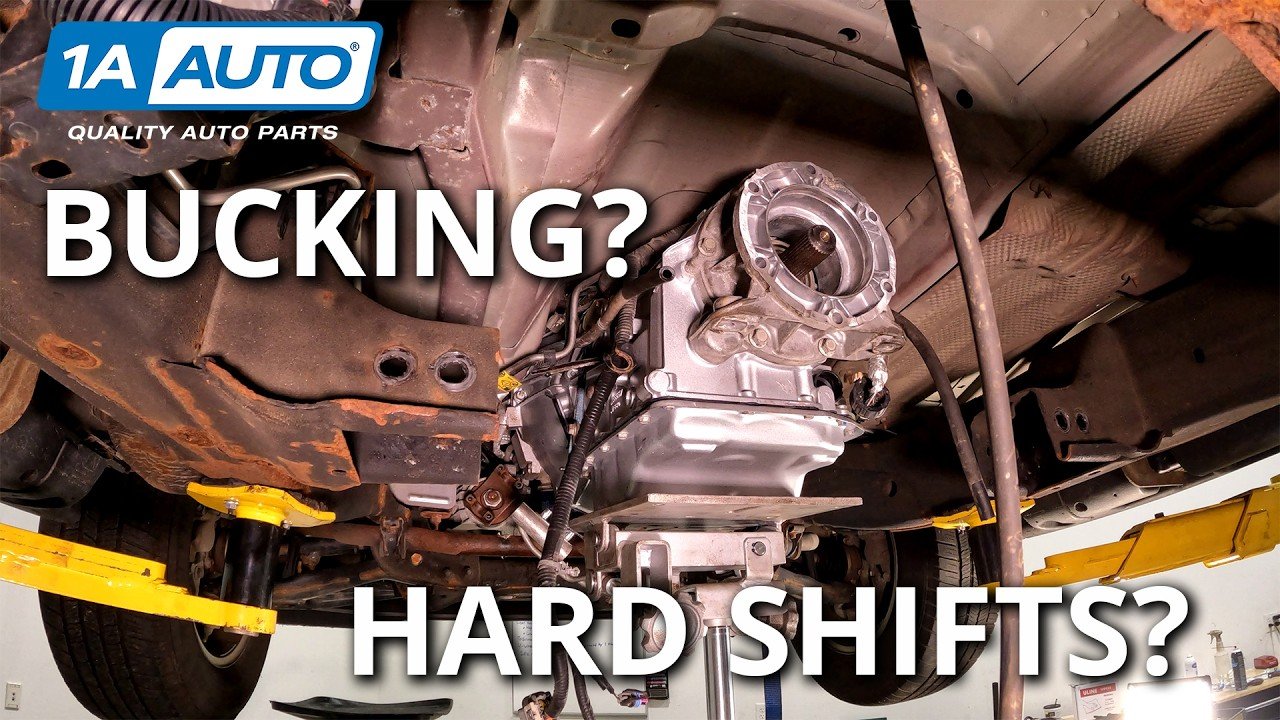
Credit: www.youtube.com
Easy Fixes You Can Try First
Some solutions are simple and can be done in your driveway. Here’s what to try before heading to a shop.
1. Top Up Or Change Transmission Fluid
Old or low fluid is the most common cause. Here’s how to fix it:
- Buy the correct fluid (see your owner’s manual).
- Drain old fluid if it looks dirty or burnt.
- Replace the filter if your car has one.
- Refill and check the level.
A fluid change can fix rough shifting in over 30% of cases if the problem is caught early.
2. Reset Transmission Control Module
Sometimes, the TCM needs a reset. This can be done by disconnecting the battery for 15 minutes (but check your manual first).
3. Update Transmission Software
Visit your dealer or a trusted shop to see if there are software updates. Many drivers don’t realize that software bugs can cause harsh shifts—updating often solves the problem.
4. Clean Or Replace Sensors
A dirty throttle position sensor or faulty speed sensor can cause shifting issues. These are usually easy to access and replace if needed.
5. Inspect And Fix Battery Issues
Low voltage affects automatic transmission performance. Make sure your battery is healthy and connections are tight.
When You Need A Mechanic
If simple fixes don’t work, or you hear loud noises or see metal shavings in the fluid, it’s time for a pro. Here’s why:
- Internal transmission damage needs special tools and skills.
- Solenoid or clutch replacement is best left to experts.
- Transmission rebuilds are complex and expensive, but sometimes necessary.
A trusted mechanic can also run advanced diagnostics and pressure tests to find hidden issues.
How Much Does It Cost To Fix Rough Shifting?
Costs vary widely depending on the cause. Here’s a quick comparison:
| Fix | DIY Cost (USD) | Shop Cost (USD) | Time Required |
|---|---|---|---|
| Fluid Change | 40-100 | 120-250 | 1-2 hours |
| Solenoid Replacement | 80-300 | 250-700 | 2-4 hours |
| Transmission Rebuild | Not DIY | 1500-3500 | 2-4 days |
| Software Update | Free (if covered) | 80-200 | 1-2 hours |
Rough shifting due to fluid or minor parts is usually affordable. Major repairs can be costly. Always get a second opinion before agreeing to expensive work.
Common Mistakes To Avoid
Many people make errors that make rough shifting worse or waste money. Here’s what to watch out for:
- Using the Wrong Fluid: Not all transmission fluids are the same. Using the wrong type can damage your transmission.
- Ignoring Early Symptoms: Small problems get worse. Don’t wait if you notice new noises or shifting problems.
- Not Changing the Filter: Some cars have a filter inside the transmission pan. If you change fluid but not the filter, dirty fluid can return quickly.
- Adding “Miracle” Additives: Many products claim to fix shifting instantly. Most do not work and some can harm your transmission.
- Skipping Software Updates: As cars get smarter, updates are more important. Always check for the latest version.
Advanced Solutions For Persistent Problems
If basic repairs don’t help, these advanced solutions may be needed:
Solenoid Or Valve Body Replacement
The valve body directs fluid to the right place during shifting. If it fails, you may need a repair or replacement. This is detailed work and best for professionals.
Transmission Overhaul Or Rebuild
If many parts are worn or broken, a rebuild may be the answer. This replaces clutches, bands, and other key parts. It’s expensive, but it can add years to your car’s life.
Transmission Replacement
If a rebuild is not possible or cost-effective, replacing the transmission (with new or refurbished) might be the only option.
Reprogramming Or Flashing The Tcm
Sometimes, the transmission’s computer just needs new software. Dealers can reprogram or “flash” the TCM, which can solve shifting issues without replacing parts.
How To Prevent Rough Shifting In The Future
Prevention is easier (and cheaper) than repair. Follow these tips to keep your automatic transmission shifting smoothly:
- Change fluid and filter every 30,000–60,000 miles (or as your manual says).
- Check for leaks regularly—fix them as soon as you see them.
- Warm up your car in cold weather before driving.
- Avoid aggressive driving—hard acceleration and sudden stops stress the transmission.
- Stay updated on recalls and software updates—these are often free and fix common bugs.
Car makers like Toyota and Honda recommend regular transmission service for a reason. According to the Wikipedia on automatic transmissions, proper fluid maintenance can prevent up to 80% of transmission failures.
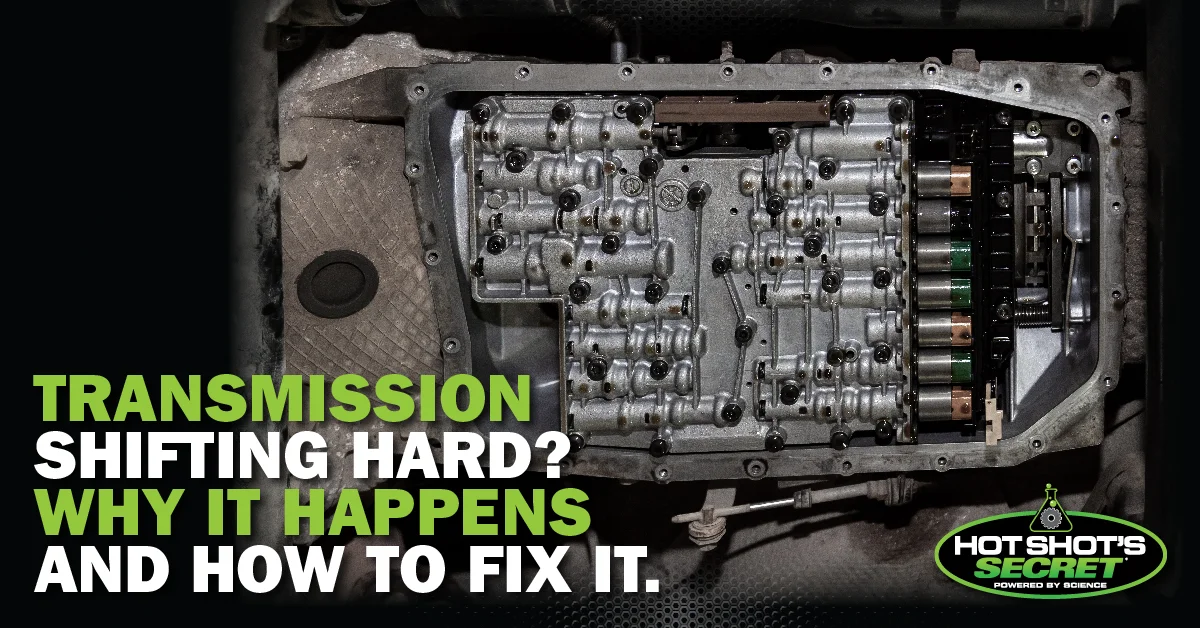
Credit: www.hotshotsecret.com
How To Tell If The Problem Is Fixed
After repairs, test your car:
- Shifting should be smooth, with no jerks or delays.
- The check engine or transmission light should be off.
- Fluid should be clean and at the right level.
- No strange noises or smells.
If problems come back, repeat the diagnosis steps. Sometimes a small leak or sensor issue is missed at first.
Comparing Manual Vs. Automatic Transmission Problems
To better understand automatic transmission issues, let’s compare with manual transmissions:
| Problem | Automatic Transmission | Manual Transmission |
|---|---|---|
| Rough Shifting | Often fluid, solenoid, or TCM-related | Usually clutch or linkage problems |
| Slipping | Fluid, clutch packs, or bands | Worn clutch disc |
| Repair Cost | Higher, more complex | Usually lower, simpler parts |
| DIY Repairs | Limited (fluid, sensors) | More possible (clutch, linkage) |

Credit: thelandautorepair.com
Key Insights Most Drivers Miss
- Electronic Controls Matter: Modern automatics rely on sensors and software as much as mechanical parts. Ignoring software updates can cause rough shifting, even if all hardware is fine.
- Fluid Condition Reveals a Lot: The look and smell of your transmission fluid tells you more than you think. Burnt smell or metal flakes mean internal damage—don’t ignore these signs.
- Repairs Can Be Cheaper Early: Fixing a small leak or sensor problem costs little. Waiting often means a full rebuild later.
Frequently Asked Questions
What Is The Main Cause Of Rough Shifting In Automatic Cars?
The most common cause is low or dirty transmission fluid. Other causes include faulty solenoids, worn clutches or bands, and electronic control problems.
Can I Drive With Rough Shifting?
It’s not recommended. Driving with rough shifting can cause more damage and lead to expensive repairs. Fix the problem as soon as possible.
How Often Should I Change My Transmission Fluid?
Most makers suggest every 30,000 to 60,000 miles, but check your owner’s manual. If you drive in tough conditions (towing, hot weather), change it more often.
Is A Software Update Really Important For Fixing Rough Shifting?
Yes. Modern transmissions use software to control shifting. A software update can fix bugs that cause rough gear changes.
How Do I Know If My Transmission Needs To Be Rebuilt?
If your car still shifts roughly after fluid changes, sensor replacement, and software updates—or you hear loud noises and see metal shavings in the fluid—a rebuild may be needed.
Fixing rough shifting in automatic cars can be simple or complex. Start with basic checks and fluid changes, but don’t ignore warning signs. Regular maintenance and fast action can keep your car running smoothly for years—and help avoid costly breakdowns.