
Keeping your garage tools in good condition can save you time, money, and frustration. One of the biggest enemies of tools is rust. Rust not only makes your tools look old, but it can also damage them and make them unsafe to use. If you want your tools to last for years, you need to protect them from moisture and rust. The good news is that with the right habits and a few simple steps, you can keep your tools looking and working like new.
This guide will show you the best ways to prevent garage tools from rusting, including easy maintenance routines, smart storage solutions, and proven products. You’ll also discover tips that many beginners miss, plus answers to common questions about tool care.
Whether you’re new to DIY projects or have a full workshop, this article will help you protect your investment and avoid common mistakes.
Why Do Garage Tools Rust?
Rust forms when iron or steel reacts with oxygen and water. This process, called oxidation, is natural but can be slowed down or stopped with proper care. Garages are often humid and sometimes have leaks or spills, making them a perfect place for rust to form. Even if you don’t see water, tools can pick up moisture from the air, especially during rainy seasons or in coastal areas.
Many people don’t realize that even small changes in temperature can cause condensation, which is enough to start rust. For example, bringing a cold tool into a warm garage can make water droplets form on the metal. Understanding how rust starts is the first step to stopping it.
Essential Steps To Prevent Rust On Garage Tools
1. Keep Tools Clean And Dry
After each use, always wipe your tools with a clean, dry cloth. Dirt, oil, and moisture can all speed up rust formation. If you’ve used your tools outside or in wet conditions, make sure to dry them thoroughly before putting them away.
For extra protection, sometimes use a little rubbing alcohol to remove grease and hidden moisture. Pay special attention to joints and moving parts, as these areas trap water more easily.
2. Use Protective Coatings
Applying a thin layer of oil or a dedicated tool protectant creates a barrier against moisture. Common options include:
- WD-40: Good for light protection and removing water.
- 3-in-One oil: Offers longer-lasting protection for moving parts.
- Paste wax: Often used on woodworking tools for a dry, non-sticky finish.
Don’t over-oil, as too much can attract dust. Wipe off any extra before storing.
3. Store Tools Properly
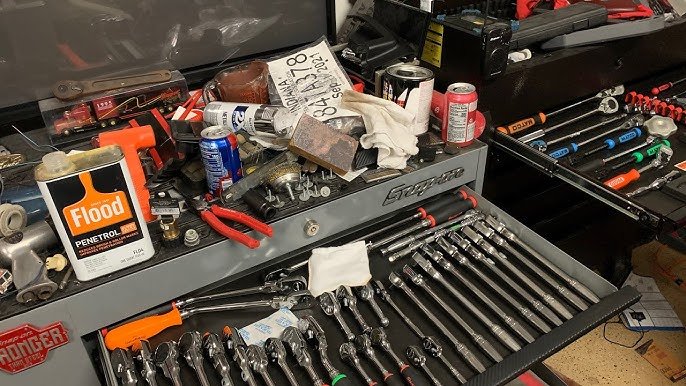
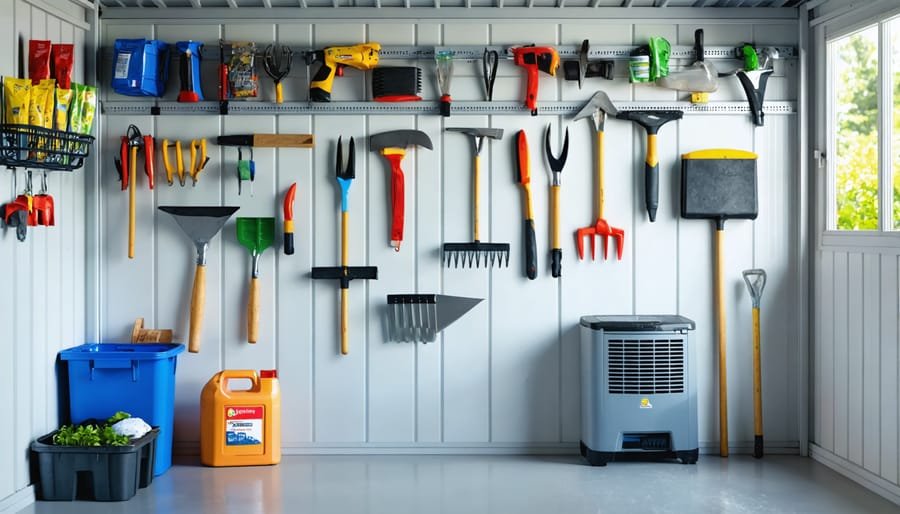
How you store your tools makes a big difference. Metal toolboxes, wall racks, and cabinets all work, but the key is to keep tools off the floor and out of damp corners. For extra protection, consider adding a small dehumidifier or moisture absorber in the storage area.
Here’s a quick comparison of common storage options:
| Storage Method | Rust Protection | Cost | Best For |
|---|---|---|---|
| Metal Toolbox | Good | Medium | Hand tools, portability |
| Wall Rack | Fair | Low | Frequently used tools |
| Enclosed Cabinet | Excellent | High | Power tools, expensive sets |
4. Control Humidity In Your Garage
Garages often get damp, especially in rainy or humid climates. Try these methods to reduce moisture:
- Use a dehumidifier: This keeps the air dry.
- Seal cracks and leaks: Stop water from coming in.
- Raise tools off the ground: Use shelves or pallets.
- Open windows or use fans: Improve air flow.
A humidity level below 50% is best for tool storage. If you notice condensation on windows or walls, moisture levels are probably too high.
5. Use Silica Gel Packs Or Moisture Absorbers
Small packets of silica gel can absorb moisture inside toolboxes or cabinets. You can also use products like DampRid or homemade options like dry rice in a breathable bag. Check and replace them regularly, as they fill up with water over time.
This is a simple and low-cost way to add another layer of protection, especially during the wet season.
6. Inspect And Maintain Tools Regularly
Set a reminder to check your tools every month. Look for any signs of rust, especially in hidden spots. If you find rust starting, remove it right away with a wire brush or sandpaper, then reapply oil.
Routine checks also let you spot loose handles or other problems before they become serious.
7. Don’t Store Wet Or Dirty Items With Tools
Never put away tools that are wet, and avoid storing wet rags or dirty gloves in your toolbox. Moisture from these items can quickly spread rust to everything else.
If you work with wood, be careful not to store freshly cut or damp wood near metal tools, as wood can hold a lot of moisture.
8. Use Tool Rolls Or Bags For Extra Protection
For small hand tools, a tool roll made of canvas or leather helps protect against scratches and moisture. Tool bags with built-in moisture resistance are also available for extra safety.
These are especially useful if you need to carry tools outside or store them in vehicles.
9. Paint Or Coat Larger Tools
For big tools like shovels, axes, or garden equipment, paint or special coatings can stop rust. Many people skip this step, but it can double the life of outdoor tools.
Choose paints designed for metal, or use products like Plasti Dip or clear protective sprays.
10. Use Rust-resistant Tools When Possible
Some tools are made with stainless steel or come with a rust-resistant coating. These are less likely to rust but are not rust-proof. Still, they need basic care, but they give you a head start in fighting rust.
Here’s a quick look at tool materials and their rust resistance:
| Material | Rust Resistance | Notes |
|---|---|---|
| Carbon Steel | Poor | Strong, but rusts quickly |
| Stainless Steel | Good | More expensive, less rust |
| Chrome-Plated | Excellent | Surface can chip if abused |
11. Don’t Leave Tools Outside
It may sound obvious, but leaving tools outside overnight is a common mistake. Even a single night in the rain can start the rust process. If you need to leave tools outside for a short time, cover them with a tarp or plastic sheet.
12. Use Desiccant Tool Storage Boxes
Some advanced toolboxes come with built-in desiccant trays or sections for moisture-absorbing packs. These can be a smart investment if you have high-value tools or live in a wet area.
13. Don’t Store Tools Directly Against Concrete
Concrete floors and walls hold moisture, which can transfer to metal. Always use a wooden shelf, rubber mat, or plastic liner between your tools and the garage floor.
This step is often overlooked, but it’s a simple way to reduce the risk of rust, especially in older garages.
14. Repair Scratches And Chips Quickly
If you see a chip or scratch in the coating of a tool, repair it right away. Exposed metal rusts much faster than coated metal. Use a little touch-up paint, oil, or even clear nail polish for a quick fix.
15. Use A Heated Garage In Cold Climates
In cold areas, garages can get very damp due to freezing and thawing. If you can, keep your garage slightly heated to avoid condensation. Even a small space heater set to low can make a big difference.
This is especially important if you keep power tools or machinery in your garage.
Credit: www.youtube.com
Two Common Mistakes Most Beginners Make
Many people try to save time by putting away dirty or wet tools, thinking they’ll clean them later. This is a fast way to get rust. Always clean and dry tools before storage, even if you’re tired.
Another mistake is ignoring small rust spots, hoping they won’t spread. In reality, rust grows quickly if not removed. A little attention now can save you from replacing expensive tools later.
Rust Removal: What To Do If Rust Has Started
If you notice rust starting, don’t panic. Light rust can often be cleaned off with simple tools. Here’s how:
- Scrub with a wire brush or steel wool to remove loose rust.
- Use a rust remover (like Evapo-Rust or vinegar) for tougher spots.
- Rinse and dry completely.
- Apply oil or protectant to the cleaned area.
For heavy rust, sometimes the tool is too damaged to save. In that case, replace it to avoid injury.
Credit: storageshedsoutlet.com
Advanced Prevention: For Serious Diyers
If you have a large tool collection or live in a very humid area, consider these upgrades:
- Install a climate control system in your garage.
- Use specialized rust inhibitors like Boeshield T-9.
- Vacuum seal valuable tools for long-term storage.
These steps take more time and investment, but they can protect tools for decades.
Practical Example: Setting Up A Rust-proof Tool Station
Let’s look at a real-world setup for keeping tools rust-free:
- Metal storage cabinet with a rubber mat inside.
- Silica gel packs in each drawer.
- Dehumidifier running in the corner of the garage.
- Monthly check for rust and oiling.
- Tools never stored on the floor or against walls.
This setup costs more up front but keeps even expensive tools in top shape.
How Much Does Rust Prevention Cost?
The price depends on how many tools you have and your local climate. Here’s a quick overview:
| Item | Average Cost | Lasts For |
|---|---|---|
| Tool Oil (8oz) | $5-$10 | 6-12 months |
| Silica Gel Packs | $10 (pack of 10) | 3-6 months |
| Basic Dehumidifier | $40-$100 | Years |
| Metal Tool Cabinet | $100-$300 | Decades |
Investing in prevention is much cheaper than replacing a full set of rusty tools.
Frequently Asked Questions
What Should I Do If My Tool Already Has Rust?
If you see light rust, scrub it off with a wire brush or steel wool. For tougher rust, use a commercial rust remover or soak in vinegar. Dry the tool fully, then apply oil. If the rust is deep or the tool is weakened, consider replacing it for safety.
Can I Use Motor Oil To Protect My Tools?
Motor oil can work in a pinch, but it’s not the best choice. It’s thicker and can attract dirt. Use a light machine oil or special tool oil for better results. These oils are designed to protect metal without making tools sticky.
How Often Should I Oil My Tools?
For tools you use often, oil them every few weeks or after heavy use. For rarely used tools, oil them every 2-3 months, and always after cleaning off any rust or moisture.
Is Stainless Steel Completely Rust-proof?
Stainless steel is rust-resistant, not rust-proof. It can still rust if exposed to water for a long time or if the surface is scratched. Basic cleaning and drying are still important to keep it in good shape.
What’s The Best Way To Control Humidity In My Garage?
A dehumidifier is the most effective way. You can also use moisture absorbers, seal cracks, and ensure good airflow with fans or open windows. Keep an eye on humidity with a hygrometer; aim for below 50%.
For more details on rust and metal care, you can visit the Wikipedia page on rust.
Taking a few minutes to care for your tools after each use can save you hours of cleaning and hundreds of dollars in replacement costs. With the right habits, you can keep your garage tools rust-free and ready for any job.
Credit: dycoventures.com